Ford Stock Soars 24% in May, Attracting Investor Interest
Written by Emily J. Thompson, Senior Investment Analyst
Updated: 4 days ago
0mins
Source: Fool
- Valuation Appeal: Ford's price-to-earnings ratio stands at 11.3, representing a 37% discount compared to its 10-year average, making its stock particularly attractive in the current market environment and likely to draw interest from value-focused investors.
- Attractive Dividend Yield: With a dividend yield of 4.02%, Ford not only appeals to dividend-seeking investors but also enhances its stock's attractiveness, especially in a low-interest-rate environment where income generation is crucial.
- Growth Potential from New Segment: Ford plans to launch battery energy storage systems in 2027, leveraging its electric vehicle infrastructure, which is expected to introduce a new growth engine and enhance its competitive position in the market.
- Profitability Challenges: Despite achieving an 11.4% operating margin in Q1, Ford's overall operating margin has averaged only 1.6% over the past decade, indicating ongoing challenges in profitability and economies of scale that may undermine long-term investor confidence.
Trade with 70% Backtested Accuracy
Stop guessing "Should I Buy F?" and start using high-conviction signals backed by rigorous historical data.
Sign up today to access powerful investing tools and make smarter, data-driven decisions.
Analyst Views on F
Wall Street analysts forecast F stock price to fall
14 Analyst Rating
3 Buy
10 Hold
1 Sell
Hold
Current: 16.650

Low
11.00
Averages
13.65
High
16.00
Current: 16.650
Low
11.00
Averages
13.65
High
16.00
About F
Ford Motor Company develops and delivers Ford trucks, sport utility vehicles, commercial vans and cars, and Lincoln luxury vehicles, along with connected services, including BlueCruise (ADAS) and security. The Company's segments include Ford Blue, Ford Model e, Ford Pro, and Ford Credit. The Ford Blue segment primarily includes the sale of Ford and Lincoln internal combustion engine (ICE) and hybrid vehicles, service parts, accessories, and digital services for retail customers. The Ford Model e segment primarily includes the sale of its electric vehicles, service parts, accessories, and digital services for retail customers. The Ford Pro segment primarily includes the sale of Ford and Lincoln vehicles, service parts, accessories, and services for commercial, government, and rental customers. The Ford Credit segment consists of the Ford Credit business on a consolidated basis, which is primarily vehicle-related financing and leasing activities. Its vehicle brands are Ford and Lincoln.
About the author

Emily J. Thompson
Emily J. Thompson, a Chartered Financial Analyst (CFA) with 12 years in investment research, graduated with honors from the Wharton School. Specializing in industrial and technology stocks, she provides in-depth analysis for Intellectia’s earnings and market brief reports.

Ford Energy Subsidiary Signs First Customer Agreement

- First Customer Agreement: Ford Energy announced a five-year agreement with global energy company EDF last week to supply its new battery energy storage systems, marking a strategic pivot towards battery storage that is expected to drive large-scale energy storage initiatives across the U.S.
- Stock Price Momentum: Following the announcement of its new subsidiary, Ford's shares have surged by 11.5% this week, reaching a three-year high, reflecting strong market confidence in the Ford Energy business and rising investor expectations for returns on its $2 billion investment.
- European Market Expansion: Ford is also pushing its Ford Pro commercial business in Europe, rolling out new models and smart vehicle technology to support businesses of various sizes, ensuring it maintains leadership in its most profitable segment and enhancing its competitive position in the market.
- Strategic Investment Shift: After writing off significant investments in electric vehicle manufacturing, Ford has redirected $2 billion into Ford Energy, demonstrating its commitment to the battery storage market, which is expected to provide new growth momentum for the company in the future.
See More

Micron Technology Stock Overbought, Market Cap Surpasses $1 Trillion for First Time


- Micron Stock Surge: Driven by insatiable demand for memory chips in AI applications, Micron's stock soared 29% this week, marking its market capitalization surpassing $1 trillion for the first time, reflecting strong market confidence in its future growth prospects.
- UBS Price Target Increase: UBS raised Micron's price target to $1,625, implying a 67% upside from Friday's close, as analysts believe the market will assign a more 'normal' valuation multiple as AI drives structural changes in the memory sector.
- Dell's Impressive Performance: Dell Technologies saw a 33% stock increase this week, achieving its largest single-day gain on Friday, with Q1 revenue of $43.84 billion exceeding analyst expectations of $35.43 billion and a year-over-year growth rate of nearly 88%, showcasing its strong position in the AI data center market.
- Ford's Investor Optimism: Ford Motor's stock rose 17% this week, with an RSI of 80, as analysts noted that optimism surrounding its battery energy storage system has boosted investor sentiment, leading to a price target increase from $17 to $20, indicating a further 15% upside potential.
See More

US Auto Manufacturers Face Pressure from New Trade Rules

- Increased Domestic Assembly Requirements: The White House aims to enforce a rise in the domestic assembly percentage of U.S. vehicles under the USMCA from 75% to 82%, while mandating that 50% of components come from American suppliers, directly impacting manufacturers' production costs and pricing strategies.
- Heightened Tariff Risks: Vehicles that do not comply with the new regulations will face a 25% import tariff, raising concerns among automakers that this policy will lead to production delays and increased prices for consumers, thereby affecting market competitiveness and purchasing power.
- Industry Pushback: General Motors CEO Mary Barra cautioned that stricter regional content requirements would harm U.S. competitiveness, emphasizing that inconsistent trade policies complicate capital investments and highlighting the need for clarity and consistency in regulations.
- Supply Chain Adjustment Challenges: Automakers typically require five to six years to redesign production lines and adjust supply chains, with Barra noting that while everything can be moved over time, it must be done effectively to maintain global competitiveness.
See More

Ferrari Launches First All-Electric Vehicle Luce Amid Market Uncertainty

- Electrification Strategy Shift: Ferrari has announced the launch of its first all-electric vehicle, Luce, amidst uncertainty regarding the demand for high-end electric supercars, with expectations that EVs will now comprise 20% of sales, significantly lower than previous forecasts.
- Market Risk Assessment: While Ferrari adopts a cautious approach to electrification, its competitor Lamborghini has canceled its electric plans, highlighting potential risks in the high-end electric supercar market, necessitating Ferrari to balance brand emotional experiences with electrification.
- Sales Target Feasibility: Ferrari only needs to sell between 500 and 1,000 Luce units annually to achieve success, which is relatively attainable given its annual sales of approximately 14,000 vehicles and high demand, showcasing its strong market appeal.
- Brand Value and Investment Opportunity: Despite a 6% decline in Ferrari's stock post-Luce unveiling, long-term investors can seize this rare entry opportunity, as Ferrari's EBITDA margins near 40% reflect its robust profitability and competitive market position.
See More
Ford Energy Business Drives Stock Surge
- Significant Stock Surge: Ford Motor Company's shares jumped nearly 10% last Friday, reaching their highest close since August 2022, reflecting strong market recognition of its Ford Energy business and investor confidence in the company's future growth potential.
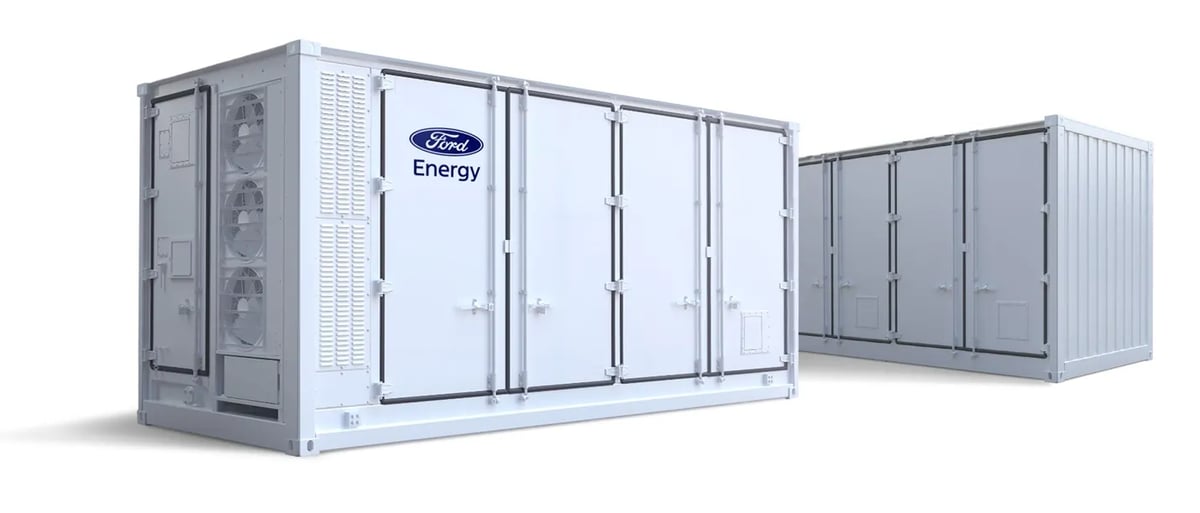
- Launch of Ford Energy Product: Ford Energy debuted its flagship product, the Ford Energy DC block, a standardized 20-foot containerized battery energy storage system designed to meet the growing demand for energy storage with a predictable 20-year lifespan and excellent thermal stability.
- Substantial Profit Potential: Ford Energy aims for an annual production capacity of at least 20 gigawatt-hours (GWh), with analysts estimating this could generate approximately $3 billion in incremental revenue, and it is expected to achieve profitability before 2028, enhancing the company's market valuation.
- Attractive Shareholder Returns: Ford not only offers a 4% dividend yield but may also distribute special dividends when cash flow exceeds expectations, increasing investor appeal, while the high-margin potential of Ford Energy presents long-term growth opportunities for shareholders.
See More

Ford Energy Subsidiary Drives Stock Surge
- Stock Surge: Ford Motor shares continued to rise this week, reaching a three-year high after the announcement of the Ford Energy subsidiary on May 11, with an additional 11.5% increase this week, reflecting strong market confidence in its new business direction.
- Strategic Shift: The establishment of Ford Energy signifies a pivot from electric vehicle manufacturing to battery storage, leveraging existing assets; despite previous large investments in EVs, the company has committed $2 billion to launch Ford Energy.
- Key Partnership: Ford signed a five-year agreement with global energy company EDF to supply its new battery energy storage systems, which is expected to drive large-scale energy storage initiatives across the U.S., enhancing the company's competitive edge in the energy sector.
- European Expansion: Ford also announced a push for its Ford Pro commercial business in Europe, introducing new models and smart vehicle technology to support businesses of various sizes, further solidifying its leadership in the most profitable segment of its operations.
See More
Ford Energy Subsidiary Signs First Customer Agreement
- First Customer Agreement: Ford Energy announced a five-year agreement with global energy company EDF last week to supply its new battery energy storage systems, marking a strategic pivot towards battery storage that is expected to drive large-scale energy storage initiatives across the U.S.
- Stock Price Momentum: Following the announcement of its new subsidiary, Ford's shares have surged by 11.5% this week, reaching a three-year high, reflecting strong market confidence in the Ford Energy business and rising investor expectations for returns on its $2 billion investment.
- European Market Expansion: Ford is also pushing its Ford Pro commercial business in Europe, rolling out new models and smart vehicle technology to support businesses of various sizes, ensuring it maintains leadership in its most profitable segment and enhancing its competitive position in the market.
- Strategic Investment Shift: After writing off significant investments in electric vehicle manufacturing, Ford has redirected $2 billion into Ford Energy, demonstrating its commitment to the battery storage market, which is expected to provide new growth momentum for the company in the future.
See More
Micron Technology Stock Overbought, Market Cap Surpasses $1 Trillion for First Time
- Micron Stock Surge: Driven by insatiable demand for memory chips in AI applications, Micron's stock soared 29% this week, marking its market capitalization surpassing $1 trillion for the first time, reflecting strong market confidence in its future growth prospects.
- UBS Price Target Increase: UBS raised Micron's price target to $1,625, implying a 67% upside from Friday's close, as analysts believe the market will assign a more 'normal' valuation multiple as AI drives structural changes in the memory sector.
- Dell's Impressive Performance: Dell Technologies saw a 33% stock increase this week, achieving its largest single-day gain on Friday, with Q1 revenue of $43.84 billion exceeding analyst expectations of $35.43 billion and a year-over-year growth rate of nearly 88%, showcasing its strong position in the AI data center market.
- Ford's Investor Optimism: Ford Motor's stock rose 17% this week, with an RSI of 80, as analysts noted that optimism surrounding its battery energy storage system has boosted investor sentiment, leading to a price target increase from $17 to $20, indicating a further 15% upside potential.
See More
US Auto Manufacturers Face Pressure from New Trade Rules
- Increased Domestic Assembly Requirements: The White House aims to enforce a rise in the domestic assembly percentage of U.S. vehicles under the USMCA from 75% to 82%, while mandating that 50% of components come from American suppliers, directly impacting manufacturers' production costs and pricing strategies.
- Heightened Tariff Risks: Vehicles that do not comply with the new regulations will face a 25% import tariff, raising concerns among automakers that this policy will lead to production delays and increased prices for consumers, thereby affecting market competitiveness and purchasing power.
- Industry Pushback: General Motors CEO Mary Barra cautioned that stricter regional content requirements would harm U.S. competitiveness, emphasizing that inconsistent trade policies complicate capital investments and highlighting the need for clarity and consistency in regulations.
- Supply Chain Adjustment Challenges: Automakers typically require five to six years to redesign production lines and adjust supply chains, with Barra noting that while everything can be moved over time, it must be done effectively to maintain global competitiveness.
See More
Ferrari Launches First All-Electric Vehicle Luce Amid Market Uncertainty
- Electrification Strategy Shift: Ferrari has announced the launch of its first all-electric vehicle, Luce, amidst uncertainty regarding the demand for high-end electric supercars, with expectations that EVs will now comprise 20% of sales, significantly lower than previous forecasts.
- Market Risk Assessment: While Ferrari adopts a cautious approach to electrification, its competitor Lamborghini has canceled its electric plans, highlighting potential risks in the high-end electric supercar market, necessitating Ferrari to balance brand emotional experiences with electrification.
- Sales Target Feasibility: Ferrari only needs to sell between 500 and 1,000 Luce units annually to achieve success, which is relatively attainable given its annual sales of approximately 14,000 vehicles and high demand, showcasing its strong market appeal.
- Brand Value and Investment Opportunity: Despite a 6% decline in Ferrari's stock post-Luce unveiling, long-term investors can seize this rare entry opportunity, as Ferrari's EBITDA margins near 40% reflect its robust profitability and competitive market position.
See More
Ford Energy Business Drives Stock Surge
- Significant Stock Surge: Ford Motor Company's shares jumped nearly 10% last Friday, reaching their highest close since August 2022, reflecting strong market recognition of its Ford Energy business and investor confidence in the company's future growth potential.
- Launch of Ford Energy Product: Ford Energy debuted its flagship product, the Ford Energy DC block, a standardized 20-foot containerized battery energy storage system designed to meet the growing demand for energy storage with a predictable 20-year lifespan and excellent thermal stability.
- Substantial Profit Potential: Ford Energy aims for an annual production capacity of at least 20 gigawatt-hours (GWh), with analysts estimating this could generate approximately $3 billion in incremental revenue, and it is expected to achieve profitability before 2028, enhancing the company's market valuation.
- Attractive Shareholder Returns: Ford not only offers a 4% dividend yield but may also distribute special dividends when cash flow exceeds expectations, increasing investor appeal, while the high-margin potential of Ford Energy presents long-term growth opportunities for shareholders.
See More
Ford Energy Subsidiary Drives Stock Surge
- Stock Surge: Ford Motor shares continued to rise this week, reaching a three-year high after the announcement of the Ford Energy subsidiary on May 11, with an additional 11.5% increase this week, reflecting strong market confidence in its new business direction.
- Strategic Shift: The establishment of Ford Energy signifies a pivot from electric vehicle manufacturing to battery storage, leveraging existing assets; despite previous large investments in EVs, the company has committed $2 billion to launch Ford Energy.
- Key Partnership: Ford signed a five-year agreement with global energy company EDF to supply its new battery energy storage systems, which is expected to drive large-scale energy storage initiatives across the U.S., enhancing the company's competitive edge in the energy sector.
- European Expansion: Ford also announced a push for its Ford Pro commercial business in Europe, introducing new models and smart vehicle technology to support businesses of various sizes, further solidifying its leadership in the most profitable segment of its operations.
See More