For LNG, the Upcoming Challenge Lies in Delivery, Not Production


LNG Market Trends: The global LNG market is projected to grow by approximately 200 million tonnes per annum over the next five years, with 65% of this increase expected from the U.S., shifting the market dynamics towards international pricing and supply diversification.
Structural Tightness in LNG Carriers: A prolonged period of structural tightness in the LNG carrier market is anticipated starting around 2027-2028, with early contracting activity indicating a significant demand for carrier tonnage that may not yet be fully realized.
Geopolitical Influences: U.S.-China relations and the resolution of the Ukraine conflict are key geopolitical factors that could significantly impact LNG trade flows and shipping demand, with a potential resurgence in Chinese demand acting as a catalyst for increased vessel requirements.
Evolving Contracting Landscape: The upcoming LNG shipping cycle is expected to feature more short-term volatility in freight rates due to a lack of long-term off-take agreements, leading to a preference for medium-term charters and speculative newbuilding orders amidst cautious capital commitments.
Trade with 70% Backtested Accuracy
Analyst Views on FLNG


No data
About FLNG
About the author


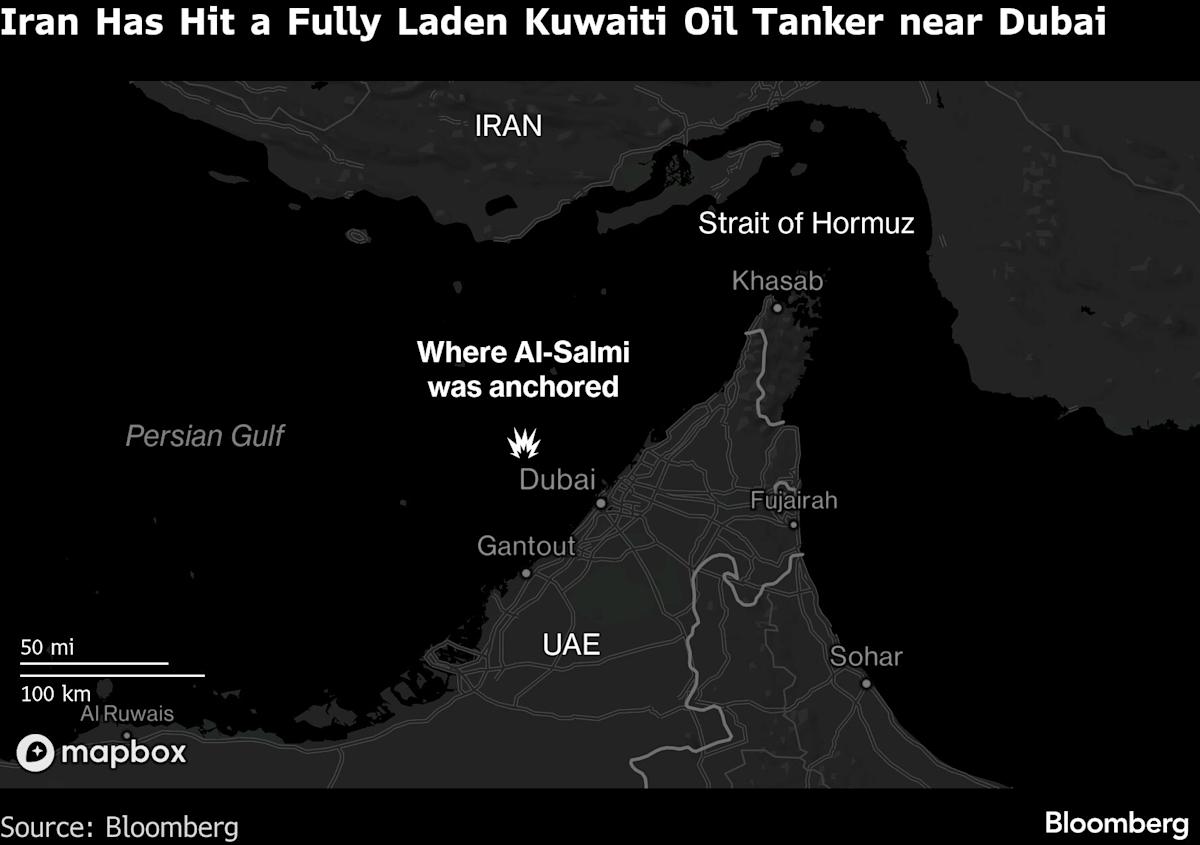
Impact of Strait of Hormuz Closure on Oil Prices

- Crude Supply Tightness: The IEA reports that 25% of global seaborne oil flows through the Strait of Hormuz, and the prospect of its closure has driven oil prices up, prompting investors to consider U.S. companies like Devon Energy and Diamondback Energy to mitigate supply risks and secure capital returns.
- LNG Trade Disruption: Approximately 20% of global LNG trade passes through the Strait, and its closure will lead to rising prices worldwide, particularly impacting Europe; investors might look to Norway's Equinor and Australia's Woodside Energy to fill the supply gap in Asia.
- Refining Profit Surge: Refining stocks such as PBF Energy and Valero Energy have seen significant gains in 2026, with the 3-2-1 crack spread soaring from $20 at the start of the year to over $58, indicating that Asian refiners are facing higher crude procurement costs due to product shortages from the Gulf.
- Fertilizer Price Surge: The blockade of the Strait has stranded many fertilizer-laden ships, causing prices to soar and severely impacting Asian and African countries reliant on Gulf fertilizers; investors are turning to U.S. producers like CF Industries to navigate the tightening global fertilizer supply situation.

Closure of Strait of Hormuz Disrupts Global Energy Markets
- Oil Price Surge: The International Energy Agency reports that 25% of the world's seaborne oil flows through the Strait of Hormuz, and its closure has led to a sharp increase in oil prices, destabilizing global energy markets, particularly affecting import-dependent nations.
- LNG Trade Disruption: Approximately 20% of global LNG trade passes through the Strait, and Iran's threats to energy infrastructure create uncertainty in LNG supply, potentially driving up global prices, especially pressuring the European market.
- Refining Sector Gains: Due to crude oil supply shortages, the refining crack spread has skyrocketed from $20 at the beginning of the year to $58, significantly boosting stocks of refining companies like PBF Energy and Valero Energy, indicating strong profit potential in the current market environment.
- Fertilizer Price Increases: The blockade of the Strait has left many fertilizer-laden ships stranded, causing fertilizer prices to soar, which poses a significant challenge for Asian and African countries reliant on Gulf fertilizers, prompting investors to focus on U.S. producers like CF Industries.
Flex LNG Secures New Charter Agreement for Flex Aurora, Potentially Extending to 8 Years
- New Charter Agreement: Flex LNG has signed a new two-year Time Charter Agreement with a Supermajor, with options to extend up to eight years, reflecting strong demand and confidence in the LNG shipping market.
- Increased Contract Backlog: The new contract boosts Flex LNG's total contract backlog to a minimum of 55 years, potentially rising to 82 years if all options are exercised, significantly enhancing the company's revenue stability and growth prospects.
- Market Dynamics Analysis: With the new contract in place, Flex Aurora will operate alongside other vessels in the currently firm spot market, expected to positively impact earnings in Q2 2026, showcasing the company's adaptability amid market volatility.
- Cautious Future Outlook: Despite the positive implications of the new contract, Flex LNG remains vigilant regarding the high volatility in LNG shipping and energy markets, indicating potential revisions to its full-year guidance for 2026 to address uncertainties.

Flex LNG Signs New Charter Agreement for Flex Aurora with Potential 8-Year Term
- New Charter Agreement: Flex LNG has signed a new Time Charter Agreement for Flex Aurora with a Supermajor, establishing a minimum two-year term that can extend to 2034 if all options are exercised, reflecting strong demand and client confidence in the LNG shipping market.
- Increased Contract Backlog: This new contract boosts Flex LNG's total contract backlog to a minimum of 55 years, potentially rising to 82 years if all options are taken, significantly enhancing the company's long-term revenue stability and competitive position.
- Positive Market Dynamics: CEO Marius Foss highlighted favorable dynamics in the LNG shipping spot market, which are expected to positively impact earnings in Q2 2026, indicating the company's ability to maintain profitability amid volatile energy markets.
- Ongoing Market Monitoring: Despite the positive implications of the new contract, Flex LNG is closely monitoring market developments to navigate the high volatility in energy markets, ensuring strategic flexibility and adaptability for the company.
FLEX LNG LTD Anticipates AURORA Contract to Boost Earnings in Q2 2026
- Company Overview: FLEX LNG Ltd. is expected to contribute to earnings in the second quarter of 2026.
- Contractual Expectations: The anticipated contract is likely to enhance the company's financial performance during this period.
FLEX LNG - INTRODUCES NEW AGREEMENT FOR FLEX AURORA
- New Contract Announcement: Flex LNG has announced a new contract for its Flex Aurora vessel.
- Contract Details: The specifics of the contract, including duration and financial terms, have not been disclosed.
Impact of Strait of Hormuz Closure on Oil Prices
- Crude Supply Tightness: The IEA reports that 25% of global seaborne oil flows through the Strait of Hormuz, and the prospect of its closure has driven oil prices up, prompting investors to consider U.S. companies like Devon Energy and Diamondback Energy to mitigate supply risks and secure capital returns.
- LNG Trade Disruption: Approximately 20% of global LNG trade passes through the Strait, and its closure will lead to rising prices worldwide, particularly impacting Europe; investors might look to Norway's Equinor and Australia's Woodside Energy to fill the supply gap in Asia.
- Refining Profit Surge: Refining stocks such as PBF Energy and Valero Energy have seen significant gains in 2026, with the 3-2-1 crack spread soaring from $20 at the start of the year to over $58, indicating that Asian refiners are facing higher crude procurement costs due to product shortages from the Gulf.
- Fertilizer Price Surge: The blockade of the Strait has stranded many fertilizer-laden ships, causing prices to soar and severely impacting Asian and African countries reliant on Gulf fertilizers; investors are turning to U.S. producers like CF Industries to navigate the tightening global fertilizer supply situation.
Closure of Strait of Hormuz Disrupts Global Energy Markets
- Oil Price Surge: The International Energy Agency reports that 25% of the world's seaborne oil flows through the Strait of Hormuz, and its closure has led to a sharp increase in oil prices, destabilizing global energy markets, particularly affecting import-dependent nations.
- LNG Trade Disruption: Approximately 20% of global LNG trade passes through the Strait, and Iran's threats to energy infrastructure create uncertainty in LNG supply, potentially driving up global prices, especially pressuring the European market.
- Refining Sector Gains: Due to crude oil supply shortages, the refining crack spread has skyrocketed from $20 at the beginning of the year to $58, significantly boosting stocks of refining companies like PBF Energy and Valero Energy, indicating strong profit potential in the current market environment.
- Fertilizer Price Increases: The blockade of the Strait has left many fertilizer-laden ships stranded, causing fertilizer prices to soar, which poses a significant challenge for Asian and African countries reliant on Gulf fertilizers, prompting investors to focus on U.S. producers like CF Industries.
Flex LNG Secures New Charter Agreement for Flex Aurora, Potentially Extending to 8 Years
- New Charter Agreement: Flex LNG has signed a new two-year Time Charter Agreement with a Supermajor, with options to extend up to eight years, reflecting strong demand and confidence in the LNG shipping market.
- Increased Contract Backlog: The new contract boosts Flex LNG's total contract backlog to a minimum of 55 years, potentially rising to 82 years if all options are exercised, significantly enhancing the company's revenue stability and growth prospects.
- Market Dynamics Analysis: With the new contract in place, Flex Aurora will operate alongside other vessels in the currently firm spot market, expected to positively impact earnings in Q2 2026, showcasing the company's adaptability amid market volatility.
- Cautious Future Outlook: Despite the positive implications of the new contract, Flex LNG remains vigilant regarding the high volatility in LNG shipping and energy markets, indicating potential revisions to its full-year guidance for 2026 to address uncertainties.
Flex LNG Signs New Charter Agreement for Flex Aurora with Potential 8-Year Term
- New Charter Agreement: Flex LNG has signed a new Time Charter Agreement for Flex Aurora with a Supermajor, establishing a minimum two-year term that can extend to 2034 if all options are exercised, reflecting strong demand and client confidence in the LNG shipping market.
- Increased Contract Backlog: This new contract boosts Flex LNG's total contract backlog to a minimum of 55 years, potentially rising to 82 years if all options are taken, significantly enhancing the company's long-term revenue stability and competitive position.
- Positive Market Dynamics: CEO Marius Foss highlighted favorable dynamics in the LNG shipping spot market, which are expected to positively impact earnings in Q2 2026, indicating the company's ability to maintain profitability amid volatile energy markets.
- Ongoing Market Monitoring: Despite the positive implications of the new contract, Flex LNG is closely monitoring market developments to navigate the high volatility in energy markets, ensuring strategic flexibility and adaptability for the company.
FLEX LNG LTD Anticipates AURORA Contract to Boost Earnings in Q2 2026
- Company Overview: FLEX LNG Ltd. is expected to contribute to earnings in the second quarter of 2026.
- Contractual Expectations: The anticipated contract is likely to enhance the company's financial performance during this period.
FLEX LNG - INTRODUCES NEW AGREEMENT FOR FLEX AURORA
- New Contract Announcement: Flex LNG has announced a new contract for its Flex Aurora vessel.
- Contract Details: The specifics of the contract, including duration and financial terms, have not been disclosed.