Financial Stocks Rise as NYSE Financial Index Gains 0.6%
Written by Emily J. Thompson, Senior Investment Analyst
Updated: Apr 01 2026
0mins


Source: Yahoo Finance
- Market Recovery: Financial stocks showed strong performance on Wednesday afternoon, with the NYSE Financial Index rising 0.6%, indicating a gradual restoration of investor confidence in the financial sector, potentially signaling signs of economic recovery.
- Improved Investor Sentiment: The rise in financial stocks suggests a more optimistic market outlook regarding future interest rate policies, especially as economic data improves, which may attract more capital into the financial sector.
- Positive Industry Outlook: With the stabilization of financial markets, investors are optimistic about the profitability of banks and financial services companies, expecting stronger financial performance in the coming quarters.
- Technical Support: The increase in financial stocks was accompanied by a rise in trading volume, indicating growing interest among market participants in the sector, potentially laying the groundwork for further gains ahead.
Trade with 70% Backtested Accuracy
Stop guessing "Should I Buy V?" and start using high-conviction signals backed by rigorous historical data.
Sign up today to access powerful investing tools and make smarter, data-driven decisions.
Analyst Views on V
Wall Street analysts forecast V stock price to rise
25 Analyst Rating
23 Buy
2 Hold
0 Sell
Strong Buy
Current: 324.950

Low
330.00
Averages
406.59
High
450.00
Current: 324.950
Low
330.00
Averages
406.59
High
450.00
About V
Visa Inc. is a global payments technology company. It facilitates global commerce and money movement across more than 200 countries and territories among a global set of consumers, merchants, financial institutions and government entities through technologies. It operates through the Payment Services segment. It provides transaction processing services (primarily authorization, clearing and settlement) to its financial institution and merchant clients through VisaNet, its proprietary advanced transaction processing network. It offers a range of Visa-branded payment products that its clients, including nearly 14,500 financial institutions, use to develop and offer payment solutions or services, including credit, debit, prepaid and cash access programs for individual, business and government account holders. It also provides value-added services to its clients, including issuing solutions, acceptance solutions, risk and identity solutions, open banking solutions and advisory services.
About the author

Emily J. Thompson
Emily J. Thompson, a Chartered Financial Analyst (CFA) with 12 years in investment research, graduated with honors from the Wharton School. Specializing in industrial and technology stocks, she provides in-depth analysis for Intellectia’s earnings and market brief reports.

Impact of Stablecoins on Payment Industry


- Rise of Stablecoins: Stablecoins have gained popularity due to their peg to the U.S. dollar, enabling low-cost, instant transfers over blockchain, posing a potential threat to PayPal, which saw its active accounts grow from 426 million in 2021 to only 439 million by 2025 amid slowing growth.
- Credit Card Giants' Response: Visa and Mastercard do not issue cards directly but rely on banks, generating revenue primarily through 1%-3% swipe fees; while stablecoins may pressure these fees, most businesses prefer to accept these widely used cards to maintain their customer base.
- Challenges for PayPal: PayPal's revenue model, which relies on transaction fees, is undermined by stablecoins offering instant transfers and lower costs, placing it at a disadvantage in an increasingly competitive digital payment landscape.
- Market Outlook Analysis: Although PayPal launched its own stablecoin, PayPal USD, to counter competition, this indicates a lowering of market entry barriers, suggesting that more stablecoin-powered payment platforms may emerge, further fragmenting market share.
See More

Visa, Mastercard, and Amex Integrate Stablecoins into Payment Networks
- Stablecoin Threat: Stablecoins, which are pegged to the U.S. dollar and allow for low-cost, instant transfers, have gained popularity, posing a greater threat to PayPal, which saw its active accounts grow only from 426 million in 2021 to 439 million in 2025, while Visa, Mastercard, and American Express remain less affected.
- Payment Network Integration: Visa and Mastercard do not issue their own cards but rely on banks to do so, generating revenue primarily through 1%-3% swipe fees; despite merchant demands for lower fees, most businesses continue to accept their widely used cards, indicating their strong market position.
- Consumer Protection Advantage: Visa and Mastercard offer robust consumer protection, fraud prevention, and dispute resolution services that stablecoins lack, leading them to test stablecoins for payment settlements within their networks, thereby enhancing their payment systems' efficiency.
- Amex's Unique Positioning: American Express, operating its own bank, targets affluent customers with attractive loyalty programs and travel services while exploring stablecoin usage, showcasing its competitive edge in the high-end market.
See More

U.S. Stocks Over $10B Market Cap Valuation Rankings

- Valuation Overview: Among U.S. stocks with market capitalizations exceeding $10 billion, Alphabet (GOOG), Apple (AAPL), and Microsoft (MSFT) are identified as the most expensive, indicating their high valuation relative to peers.
- Valuation Scoring Mechanism: The valuation grade is based on a combination of metrics such as P/E, PEG, price to sales, and price to cash flow, utilizing both current and forward estimates to provide a comprehensive assessment of stock value.
- Industry Comparison: The overall valuation grade reflects a comparison of all underlying metrics, demonstrating the attractiveness of these stocks within their sectors, although high valuations may impact investor purchasing decisions.
- Market Impact: Given these companies' elevated valuations, investors may adopt a cautious stance regarding their future growth potential, particularly amid increasing economic uncertainty, which could lead to capital outflows and stock price volatility.
See More

Surge in Travel to Secondary Cities in Asia-Pacific


- International Visitor Growth: Vietnam welcomed nearly 21.2 million international visitors in 2025, setting a new record that underscores the country's increasing appeal in the global tourism market, particularly amid geopolitical tensions and rising costs.
- Domestic Travel Trend: According to Allianz Partners' survey, around 60% of respondents from China and India plan to travel domestically, a trend that is expected to boost visits to Tier 2 and Tier 3 cities, enhancing their tourism revenue and market visibility.
- Hotel Demand Recovery: Despite a drop in revenue per available room at Marriott's properties in India due to the Iran war, growth rebounded to double-digit numbers from May onwards, demonstrating the resilience and potential of the regional tourism market as travelers adjust their plans.
- Increased Investment Opportunities: With Tier 2 cities accounting for half of hotel transactions in India in 2024, although this share fell in 2025, the rise in high-quality deals is attracting investor interest in these markets, particularly in Japan and India, indicating strong demand for emerging markets.
See More
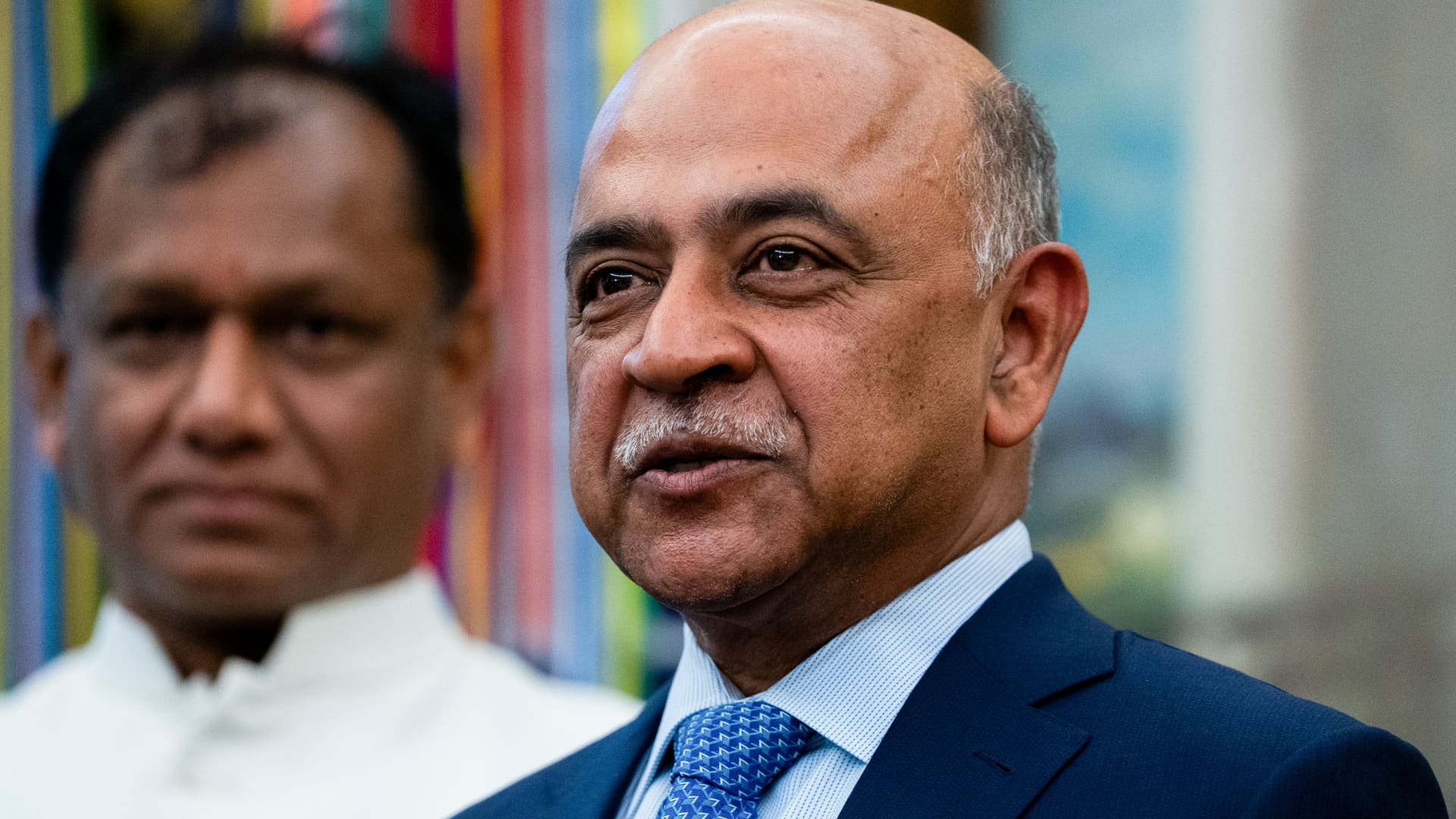
IBM Invests $5 Billion in New Cybersecurity Platform


- Significant Investment: IBM has announced a $5 billion investment in a new cybersecurity platform aimed at addressing vulnerabilities in open-source software, which not only underscores the company's commitment to cybersecurity but also enhances its competitive position in the enterprise market.
- Project Partnerships: Dubbed Project Lightwell, the initiative has already attracted major U.S. banks such as Goldman Sachs, Morgan Stanley, JPMorgan, and Bank of America as early adopters, indicating strong market confidence and demand for IBM's new platform.
- Innovation Driven by Technology: CEO Arvind Krishna noted that Anthropic's Mythos model was a pivotal factor in driving this investment, highlighting the potential of large language models to discover and exploit vulnerabilities in code, which could reshape the cybersecurity landscape.
- Collaborative Industry Outlook: IBM and Red Hat are dedicating 20,000 software engineers to assist partners in securing software, with Krishna emphasizing that cybersecurity firms should be viewed as partners rather than competitors, a collaborative approach that could enhance overall industry security capabilities.
See More
U.S. Treasury Launches Trump Accounts App for Children's Investments


- Policy Initiative: The U.S. Treasury has launched the Trump Accounts app aimed at creating investment accounts for children born between 2025 and 2028, with the government depositing $1,000 in seed money to encourage long-term investing from an early age, thereby enhancing economic mobility.
- Technical Collaboration: Developed in partnership with trading platform Robinhood and custodian bank BNY, the app is designed to simplify the registration and investment process, enabling millions of Americans to easily participate in investing and improving financial access.
- Corporate Support: Major U.S. banks like JPMorgan Chase, Wells Fargo, and Bank of America have pledged contributions to the accounts for their employees' children, reflecting the Republican focus on addressing voters' affordability concerns ahead of the upcoming midterm elections.
- Future Outlook: The next phase of the Trump Accounts program will include account activation ahead of the official launch in July, with supporters arguing that this initiative will provide children with opportunities to build wealth from birth, thereby establishing a stronger financial foundation for future generations.
See More
Impact of Stablecoins on Payment Industry
- Rise of Stablecoins: Stablecoins have gained popularity due to their peg to the U.S. dollar, enabling low-cost, instant transfers over blockchain, posing a potential threat to PayPal, which saw its active accounts grow from 426 million in 2021 to only 439 million by 2025 amid slowing growth.
- Credit Card Giants' Response: Visa and Mastercard do not issue cards directly but rely on banks, generating revenue primarily through 1%-3% swipe fees; while stablecoins may pressure these fees, most businesses prefer to accept these widely used cards to maintain their customer base.
- Challenges for PayPal: PayPal's revenue model, which relies on transaction fees, is undermined by stablecoins offering instant transfers and lower costs, placing it at a disadvantage in an increasingly competitive digital payment landscape.
- Market Outlook Analysis: Although PayPal launched its own stablecoin, PayPal USD, to counter competition, this indicates a lowering of market entry barriers, suggesting that more stablecoin-powered payment platforms may emerge, further fragmenting market share.
See More
Visa, Mastercard, and Amex Integrate Stablecoins into Payment Networks
- Stablecoin Threat: Stablecoins, which are pegged to the U.S. dollar and allow for low-cost, instant transfers, have gained popularity, posing a greater threat to PayPal, which saw its active accounts grow only from 426 million in 2021 to 439 million in 2025, while Visa, Mastercard, and American Express remain less affected.
- Payment Network Integration: Visa and Mastercard do not issue their own cards but rely on banks to do so, generating revenue primarily through 1%-3% swipe fees; despite merchant demands for lower fees, most businesses continue to accept their widely used cards, indicating their strong market position.
- Consumer Protection Advantage: Visa and Mastercard offer robust consumer protection, fraud prevention, and dispute resolution services that stablecoins lack, leading them to test stablecoins for payment settlements within their networks, thereby enhancing their payment systems' efficiency.
- Amex's Unique Positioning: American Express, operating its own bank, targets affluent customers with attractive loyalty programs and travel services while exploring stablecoin usage, showcasing its competitive edge in the high-end market.
See More
U.S. Stocks Over $10B Market Cap Valuation Rankings
- Valuation Overview: Among U.S. stocks with market capitalizations exceeding $10 billion, Alphabet (GOOG), Apple (AAPL), and Microsoft (MSFT) are identified as the most expensive, indicating their high valuation relative to peers.
- Valuation Scoring Mechanism: The valuation grade is based on a combination of metrics such as P/E, PEG, price to sales, and price to cash flow, utilizing both current and forward estimates to provide a comprehensive assessment of stock value.
- Industry Comparison: The overall valuation grade reflects a comparison of all underlying metrics, demonstrating the attractiveness of these stocks within their sectors, although high valuations may impact investor purchasing decisions.
- Market Impact: Given these companies' elevated valuations, investors may adopt a cautious stance regarding their future growth potential, particularly amid increasing economic uncertainty, which could lead to capital outflows and stock price volatility.
See More
Surge in Travel to Secondary Cities in Asia-Pacific
- International Visitor Growth: Vietnam welcomed nearly 21.2 million international visitors in 2025, setting a new record that underscores the country's increasing appeal in the global tourism market, particularly amid geopolitical tensions and rising costs.
- Domestic Travel Trend: According to Allianz Partners' survey, around 60% of respondents from China and India plan to travel domestically, a trend that is expected to boost visits to Tier 2 and Tier 3 cities, enhancing their tourism revenue and market visibility.
- Hotel Demand Recovery: Despite a drop in revenue per available room at Marriott's properties in India due to the Iran war, growth rebounded to double-digit numbers from May onwards, demonstrating the resilience and potential of the regional tourism market as travelers adjust their plans.
- Increased Investment Opportunities: With Tier 2 cities accounting for half of hotel transactions in India in 2024, although this share fell in 2025, the rise in high-quality deals is attracting investor interest in these markets, particularly in Japan and India, indicating strong demand for emerging markets.
See More
IBM Invests $5 Billion in New Cybersecurity Platform
- Significant Investment: IBM has announced a $5 billion investment in a new cybersecurity platform aimed at addressing vulnerabilities in open-source software, which not only underscores the company's commitment to cybersecurity but also enhances its competitive position in the enterprise market.
- Project Partnerships: Dubbed Project Lightwell, the initiative has already attracted major U.S. banks such as Goldman Sachs, Morgan Stanley, JPMorgan, and Bank of America as early adopters, indicating strong market confidence and demand for IBM's new platform.
- Innovation Driven by Technology: CEO Arvind Krishna noted that Anthropic's Mythos model was a pivotal factor in driving this investment, highlighting the potential of large language models to discover and exploit vulnerabilities in code, which could reshape the cybersecurity landscape.
- Collaborative Industry Outlook: IBM and Red Hat are dedicating 20,000 software engineers to assist partners in securing software, with Krishna emphasizing that cybersecurity firms should be viewed as partners rather than competitors, a collaborative approach that could enhance overall industry security capabilities.
See More
U.S. Treasury Launches Trump Accounts App for Children's Investments
- Policy Initiative: The U.S. Treasury has launched the Trump Accounts app aimed at creating investment accounts for children born between 2025 and 2028, with the government depositing $1,000 in seed money to encourage long-term investing from an early age, thereby enhancing economic mobility.
- Technical Collaboration: Developed in partnership with trading platform Robinhood and custodian bank BNY, the app is designed to simplify the registration and investment process, enabling millions of Americans to easily participate in investing and improving financial access.
- Corporate Support: Major U.S. banks like JPMorgan Chase, Wells Fargo, and Bank of America have pledged contributions to the accounts for their employees' children, reflecting the Republican focus on addressing voters' affordability concerns ahead of the upcoming midterm elections.
- Future Outlook: The next phase of the Trump Accounts program will include account activation ahead of the official launch in July, with supporters arguing that this initiative will provide children with opportunities to build wealth from birth, thereby establishing a stronger financial foundation for future generations.
See More