FedEx Intensifies Competition in Same-Day Delivery Against Amazon
Written by Emily J. Thompson, Senior Investment Analyst
Updated: 14 hours ago
0mins


Should l Buy AMZN?
Source: Barron's
- Consumer Demand: There is a growing consumer demand for faster delivery services, which is intensifying competition among retailers, particularly against Amazon.com.
- FedEx's Response: FedEx is developing solutions to help retailers manage the challenges posed by the need for quicker delivery options.
Trade with 70% Backtested Accuracy
Stop guessing "Should I Buy AMZN?" and start using high-conviction signals backed by rigorous historical data.
Sign up today to access powerful investing tools and make smarter, data-driven decisions.
Analyst Views on AMZN
Wall Street analysts forecast AMZN stock price to rise
44 Analyst Rating
41 Buy
3 Hold
0 Sell
Strong Buy
Current: 210.140

Low
175.00
Averages
280.01
High
325.00
Current: 210.140
Low
175.00
Averages
280.01
High
325.00
About AMZN
Amazon.com, Inc. provides a range of products and services to customers. The products offered through its stores include merchandise and content it has purchased for resale and products offered by third-party sellers. The Company’s segments include North America, International and Amazon Web Services (AWS). It serves consumers through its online and physical stores and focuses on selection, price, and convenience. Customers access its offerings through its websites, mobile apps, Alexa, devices, streaming, and physically visiting its stores. It also manufactures and sells electronic devices, including Kindle, Fire tablet, Fire TV, Echo, Ring, Blink, and eero, and develops and produces media content. It serves developers and enterprises of all sizes, including start-ups, government agencies, and academic institutions, through AWS, which offers a set of on-demand technology services, including compute, storage, database, analytics, and machine learning, and other services.
About the author

Emily J. Thompson
Emily J. Thompson, a Chartered Financial Analyst (CFA) with 12 years in investment research, graduated with honors from the Wharton School. Specializing in industrial and technology stocks, she provides in-depth analysis for Intellectia’s earnings and market brief reports.

Amazon's E-Commerce Potential Underappreciated Amid AI Concerns

- E-Commerce Profit Potential: Amazon's North American retail division achieved a 6.9% profit margin last year, indicating strong profitability in its e-commerce business, with expectations of easily reaching 10% and potentially 15% in the coming years.
- Advertising Growth: The growth in higher-margin segments like advertising is expanding Amazon's overall profit pool, and while investments in new projects may compress margins in the short term, they are expected to create long-term value.
- Low Stock Valuation: Amazon's current P/E ratio of 28.5 is among its lowest historically, reflecting the market's underestimation of its future profit potential, especially as retail could reach $750 billion in revenue in the next few years.
- Importance of Cost Control: Amazon must maintain cost discipline over the next decade to ensure steady growth in its international market revenue of $162 billion, which will drive overall profitability improvements.
See More

Microsoft Faces Challenges and Opportunities in AI Investment


- Strong Earnings Report: Microsoft reported a 17% year-over-year revenue increase to $81.3 billion in fiscal Q2, with non-GAAP earnings per share rising 24% to $4.14, reflecting robust performance in the AI sector despite fierce competition.
- Concentrated Commercial Contracts: The company's commercial remaining performance obligations (RPO) surged 110% to $625 billion, with 45% tied to OpenAI, indicating significant growth but also raising concerns about over-reliance on a single partner.
- Capital Expenditure Pressure: Microsoft's capital expenditures for AI infrastructure reached $37.5 billion, up from $22.6 billion year-over-year, resulting in a gross margin decline from 68.7% to 68%, highlighting the impact of high investments on profitability.
- Intensifying Competition: With Amazon and Alphabet projected to spend $200 billion and $175-185 billion respectively on cloud computing, Microsoft's Azure business is experiencing slower growth, intensifying market challenges in a highly competitive landscape.
See More

Microsoft's Commercial Backlog Doubles Amid AI Investments and Competition
- Commercial Backlog Surge: Microsoft's commercial remaining performance obligations (RPOs) soared 110% year-over-year to $625 billion in fiscal Q2, with OpenAI accounting for nearly half, indicating strong demand in AI but also raising customer concentration risks.
- Margin Compression: The company's gross margin narrowed from 68.7% to 68% year-over-year, primarily due to aggressive investments in AI infrastructure, with capital expenditures jumping from $22.6 billion to $37.5 billion, highlighting the high cost pressures in technology competition.
- Intensifying Cloud Competition: Azure's revenue growth of 38% in fiscal Q2 slightly decelerated from 39% in the prior quarter, while Amazon's AWS revenue rose 24% to $35.6 billion, underscoring the fierce competition in the cloud market.
- Cautious Future Outlook: While AI investments may yield long-term benefits, the competitive landscape and margin pressures could significantly impact Microsoft's profitability over the next five years, prompting investors to carefully assess current market valuations and potential risks.
See More

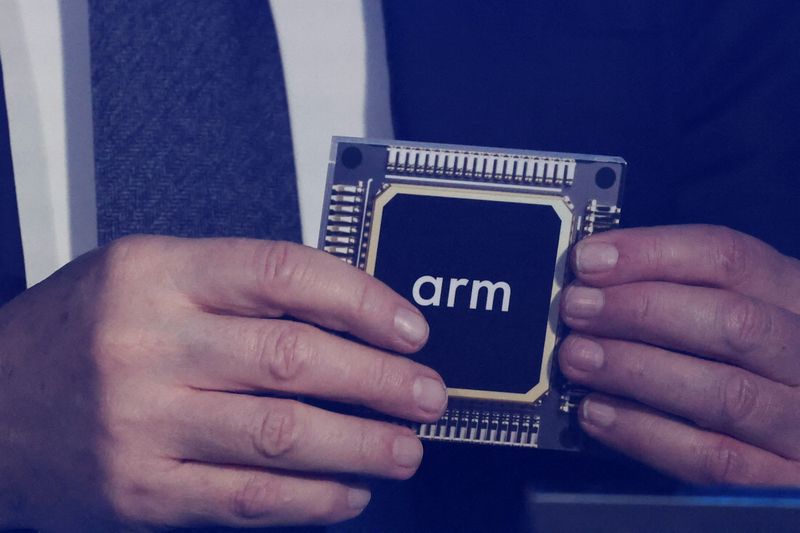
Arm Holdings Launches First AI-Specific Chip


- Chip Design Legacy: Arm Holdings has been at the forefront of chip design for over 35 years, creating and licensing a wide range of semiconductor blueprints for smartphones, PCs, tablets, and smart TVs, demonstrating its profound impact on the global semiconductor market.
- AI Infrastructure Pivot: The company has launched its first in-house designed Arm AGI CPU, optimized for large-scale AI infrastructure, featuring 64 CPUs and 8,700 cores, achieving twice the performance-per-watt compared to x86 architecture, marking a significant pivot into the AI sector.
- Strategic Partnerships: Meta Platforms serves as the lead partner for the Arm AGI CPU, becoming its first large-scale user, with both companies committing to collaborate across multiple generations of the Arm AGI CPU roadmap, further solidifying Arm's position in the AI market.
- Market Potential: By entering the $1 trillion AI CPU market, Arm aims to leverage its shipment of over 350 billion Arm-based chips and a developer ecosystem of over 22 million to expand its market share and enhance company valuation.
See More

Arm Launches Its First In-House Silicon Chip
- Chip Launch: Arm unveiled its first in-house designed chip, the Arm AGI CPU, in San Francisco, marking a significant pivot into physical silicon production, which is expected to enhance its competitiveness in the AI infrastructure market.
- Strategic Partnership: Meta Platforms serves as the lead partner in co-developing the Arm AGI CPU and will be its first large-scale user, fostering close collaboration on multiple future generations of the chip, thereby strengthening their market positions.
- Impressive Customer Base: Initial customers for the Arm AGI CPU include notable companies such as Cloudflare, F5, OpenAI, SAP, and SK Telecom, which will help Arm secure a foothold in the rapidly growing AI CPU market projected to reach $1 trillion.
- Significant Market Potential: Arm has shipped over 350 billion chips based on its architecture, and with a forward price/earnings-to-growth (PEG) ratio of 0.57, it indicates potential undervaluation, suggesting significant growth opportunities through its new business venture.
See More

OpenAI Raises Additional $10 Billion, Setting Historic Funding Record
- Funding Milestone: OpenAI has raised an additional $10 billion in its latest funding round, bringing its total fundraising to over $120 billion, significantly exceeding its initial target of $100 billion, reflecting strong market confidence in its AI technology.
- Diverse Investor Base: The funding round attracted participation from various venture capital and private equity firms, including Andreessen Horowitz and D.E. Shaw Ventures, indicating widespread investor trust and support for the AI revolution.
- Continued Microsoft Support: Microsoft, a long-time investor, has once again joined this funding round, with CFO Sarah Friar calling it an “incredible partner,” further solidifying their strategic collaboration in the AI space.
- Surging Market Demand: Since the launch of ChatGPT, OpenAI has amassed 900 million weekly active users and generated approximately $13.1 billion in revenue last year, demonstrating the extensive application and immense market potential of AI technology.
See More
Amazon's E-Commerce Potential Underappreciated Amid AI Concerns
- E-Commerce Profit Potential: Amazon's North American retail division achieved a 6.9% profit margin last year, indicating strong profitability in its e-commerce business, with expectations of easily reaching 10% and potentially 15% in the coming years.
- Advertising Growth: The growth in higher-margin segments like advertising is expanding Amazon's overall profit pool, and while investments in new projects may compress margins in the short term, they are expected to create long-term value.
- Low Stock Valuation: Amazon's current P/E ratio of 28.5 is among its lowest historically, reflecting the market's underestimation of its future profit potential, especially as retail could reach $750 billion in revenue in the next few years.
- Importance of Cost Control: Amazon must maintain cost discipline over the next decade to ensure steady growth in its international market revenue of $162 billion, which will drive overall profitability improvements.
See More
Microsoft Faces Challenges and Opportunities in AI Investment
- Strong Earnings Report: Microsoft reported a 17% year-over-year revenue increase to $81.3 billion in fiscal Q2, with non-GAAP earnings per share rising 24% to $4.14, reflecting robust performance in the AI sector despite fierce competition.
- Concentrated Commercial Contracts: The company's commercial remaining performance obligations (RPO) surged 110% to $625 billion, with 45% tied to OpenAI, indicating significant growth but also raising concerns about over-reliance on a single partner.
- Capital Expenditure Pressure: Microsoft's capital expenditures for AI infrastructure reached $37.5 billion, up from $22.6 billion year-over-year, resulting in a gross margin decline from 68.7% to 68%, highlighting the impact of high investments on profitability.
- Intensifying Competition: With Amazon and Alphabet projected to spend $200 billion and $175-185 billion respectively on cloud computing, Microsoft's Azure business is experiencing slower growth, intensifying market challenges in a highly competitive landscape.
See More
Microsoft's Commercial Backlog Doubles Amid AI Investments and Competition
- Commercial Backlog Surge: Microsoft's commercial remaining performance obligations (RPOs) soared 110% year-over-year to $625 billion in fiscal Q2, with OpenAI accounting for nearly half, indicating strong demand in AI but also raising customer concentration risks.
- Margin Compression: The company's gross margin narrowed from 68.7% to 68% year-over-year, primarily due to aggressive investments in AI infrastructure, with capital expenditures jumping from $22.6 billion to $37.5 billion, highlighting the high cost pressures in technology competition.
- Intensifying Cloud Competition: Azure's revenue growth of 38% in fiscal Q2 slightly decelerated from 39% in the prior quarter, while Amazon's AWS revenue rose 24% to $35.6 billion, underscoring the fierce competition in the cloud market.
- Cautious Future Outlook: While AI investments may yield long-term benefits, the competitive landscape and margin pressures could significantly impact Microsoft's profitability over the next five years, prompting investors to carefully assess current market valuations and potential risks.
See More
Arm Holdings Launches First AI-Specific Chip
- Chip Design Legacy: Arm Holdings has been at the forefront of chip design for over 35 years, creating and licensing a wide range of semiconductor blueprints for smartphones, PCs, tablets, and smart TVs, demonstrating its profound impact on the global semiconductor market.
- AI Infrastructure Pivot: The company has launched its first in-house designed Arm AGI CPU, optimized for large-scale AI infrastructure, featuring 64 CPUs and 8,700 cores, achieving twice the performance-per-watt compared to x86 architecture, marking a significant pivot into the AI sector.
- Strategic Partnerships: Meta Platforms serves as the lead partner for the Arm AGI CPU, becoming its first large-scale user, with both companies committing to collaborate across multiple generations of the Arm AGI CPU roadmap, further solidifying Arm's position in the AI market.
- Market Potential: By entering the $1 trillion AI CPU market, Arm aims to leverage its shipment of over 350 billion Arm-based chips and a developer ecosystem of over 22 million to expand its market share and enhance company valuation.
See More
Arm Launches Its First In-House Silicon Chip
- Chip Launch: Arm unveiled its first in-house designed chip, the Arm AGI CPU, in San Francisco, marking a significant pivot into physical silicon production, which is expected to enhance its competitiveness in the AI infrastructure market.
- Strategic Partnership: Meta Platforms serves as the lead partner in co-developing the Arm AGI CPU and will be its first large-scale user, fostering close collaboration on multiple future generations of the chip, thereby strengthening their market positions.
- Impressive Customer Base: Initial customers for the Arm AGI CPU include notable companies such as Cloudflare, F5, OpenAI, SAP, and SK Telecom, which will help Arm secure a foothold in the rapidly growing AI CPU market projected to reach $1 trillion.
- Significant Market Potential: Arm has shipped over 350 billion chips based on its architecture, and with a forward price/earnings-to-growth (PEG) ratio of 0.57, it indicates potential undervaluation, suggesting significant growth opportunities through its new business venture.
See More
OpenAI Raises Additional $10 Billion, Setting Historic Funding Record
- Funding Milestone: OpenAI has raised an additional $10 billion in its latest funding round, bringing its total fundraising to over $120 billion, significantly exceeding its initial target of $100 billion, reflecting strong market confidence in its AI technology.
- Diverse Investor Base: The funding round attracted participation from various venture capital and private equity firms, including Andreessen Horowitz and D.E. Shaw Ventures, indicating widespread investor trust and support for the AI revolution.
- Continued Microsoft Support: Microsoft, a long-time investor, has once again joined this funding round, with CFO Sarah Friar calling it an “incredible partner,” further solidifying their strategic collaboration in the AI space.
- Surging Market Demand: Since the launch of ChatGPT, OpenAI has amassed 900 million weekly active users and generated approximately $13.1 billion in revenue last year, demonstrating the extensive application and immense market potential of AI technology.
See More