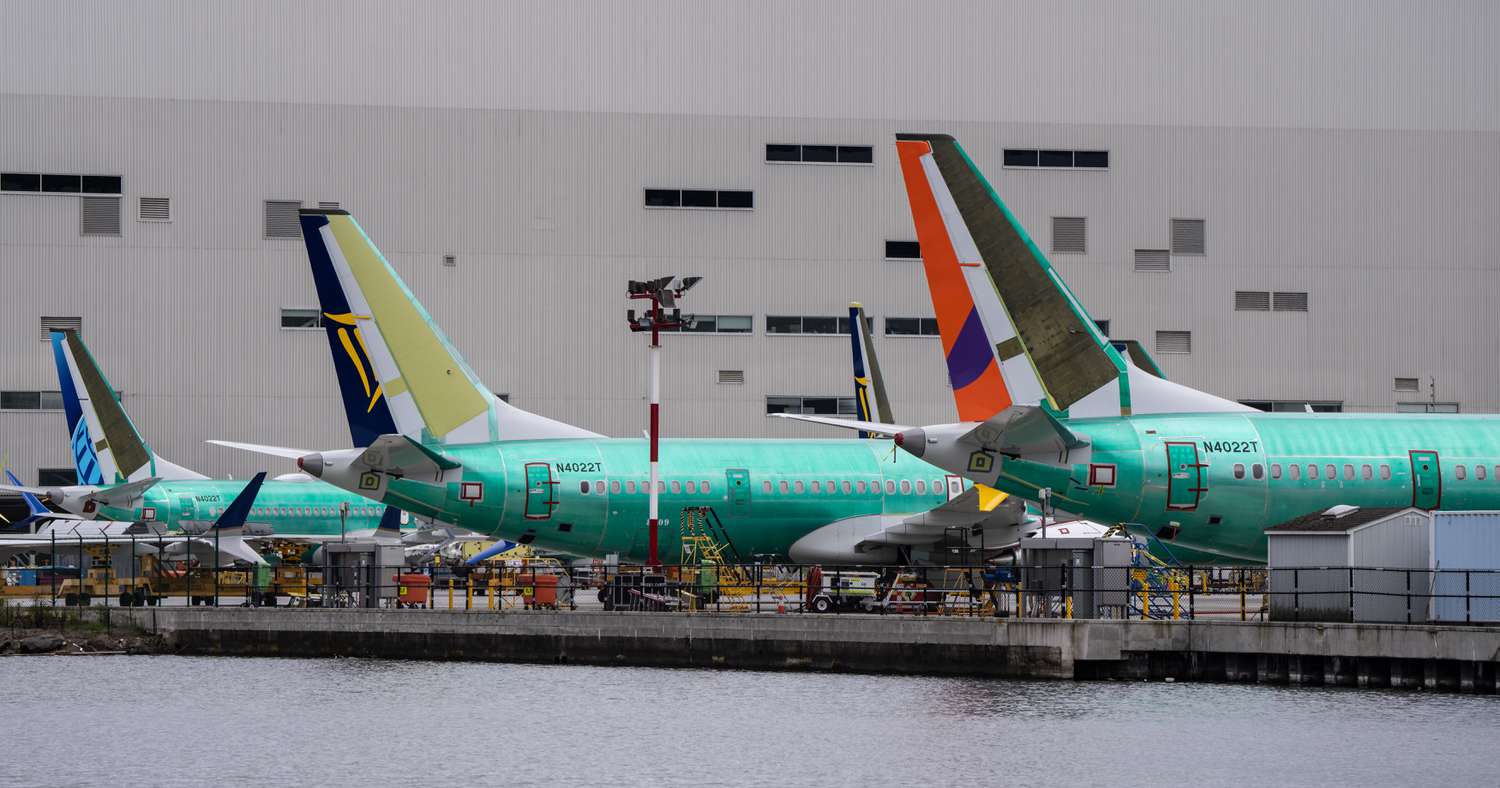
FAA Confirms Boeing 737 Max 7 and Max 10 Certification Progressing Smoothly
- Certification Progressing Smoothly: The FAA has stated that there are currently no issues preventing Boeing from securing certification for the 737 Max 7 and Max 10 by the end of 2026, indicating regulatory confidence in Boeing's timeline.
- Ongoing Flight Testing: While the FAA has not identified any problems, both aircraft are still undergoing flight testing, meaning additional issues could arise during the review process, necessitating continued vigilance.
- Collaborative Design Updates: Boeing CEO Kelly Ortberg noted that the company is working with regulators on final design updates related to safety concerns, particularly involving the jets' engine anti-ice system, which is crucial for certification.
- 777X Delivery Schedule Unaffected: Despite a durability issue found during inspections of the 777X engine, Ortberg stated that this would not interfere with plans to begin deliveries of the long-delayed aircraft in 2027, demonstrating Boeing's stability in its delivery timeline.
Trade with 70% Backtested Accuracy
Analyst Views on BA

About BA
About the author

Boeing Stock Rises 2.6% in Premarket Trading Following Smaller-Than-Expected Quarterly Loss Report

- Boeing's Stock Performance: Boeing shares increased by 2.6% in pre-market trading following the release of quarterly reports.
- Quarterly Losses: The company's quarterly losses were smaller than expected, contributing to the positive market reaction.
Boeing Reports Financial Results for the First Quarter
Financial Performance: Boeing reported its first-quarter financial results, highlighting key metrics and performance indicators.
Revenue and Profit Trends: The company experienced fluctuations in revenue and profit compared to previous quarters, reflecting ongoing challenges in the aerospace industry.
Operational Challenges: Boeing faced operational hurdles that impacted production and delivery schedules, affecting overall performance.
Future Outlook: The report includes insights into Boeing's strategic plans and expectations for the upcoming quarters, aiming for recovery and growth.

Boeing Set to Announce Q1 Earnings Amid Supply Chain Concerns
- Strong Delivery Performance: Boeing delivered 143 aircraft in Q1, surpassing Airbus's 114 deliveries, demonstrating its capability to maintain delivery strength amid short-term supply chain uncertainties, which boosts market confidence in its production capacity.
- Financial Expectations Analysis: The company is expected to report an EPS of -$0.68 for Q1, reflecting a 38.8% decline, while revenue is projected to rise by 12.4% to $21.91 billion, indicating resilience in generating revenue despite challenges.
- Orders and Production Plans: Boeing secured 149 net orders in Q1 and plans to deliver about 500 aircraft under its 737 program, showcasing confidence in its future production capabilities despite ongoing supply chain issues.
- Analyst Ratings Optimistic: RBC Capital Markets maintains an Outperform rating with a price target of $275, suggesting over 22% upside, as analysts believe Boeing will sustain a production rate of 10/month on the 787, highlighting its long-term growth potential.
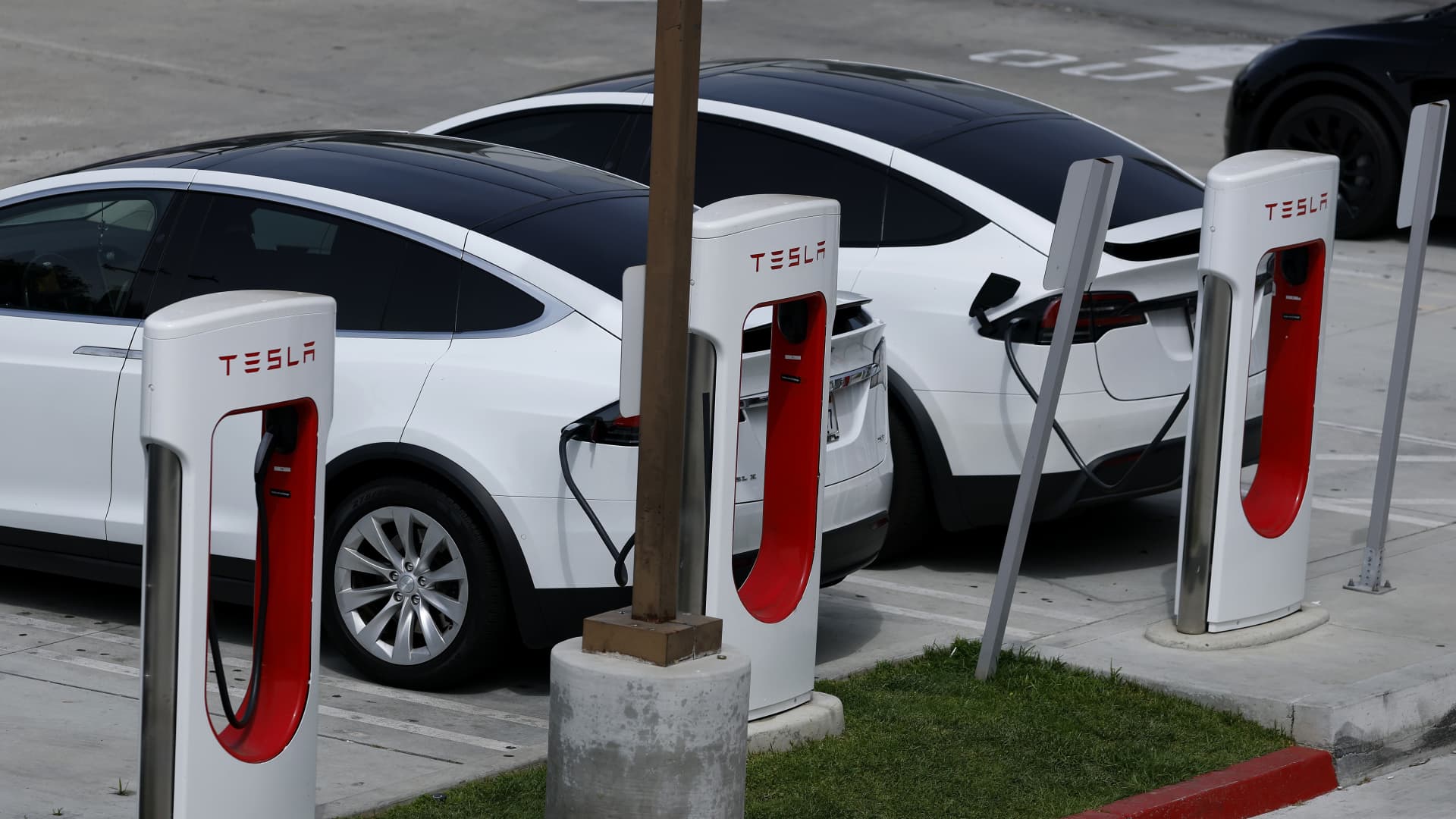
Tesla Reports Strong Earnings but Revenue Misses Estimates


- Earnings Report Highlights: Tesla's first-quarter earnings exceeded expectations, yet its revenue fell short of analyst estimates, leading to a pre-market stock drop of over 3%, indicating market concerns about future growth prospects.
- New Model Plans: Tesla confirmed plans to introduce more affordable trims of its Model Y SUV and Model 3 sedans to counter pressure from competitors, particularly in an increasingly competitive electric vehicle market, aiming to boost market share and attract more consumers.
- Self-Driving Technology Challenges: CEO Elon Musk stated that older models will not support the newly launched 'unsupervised' full self-driving technology, a declaration that could impact existing customer satisfaction and future sales amid rapid technological advancements.
- Poor Stock Performance: As of Wednesday's close, Tesla's stock has dropped nearly 14% this year, making it the worst-performing megacap tech stock, a trend that may undermine investor confidence and negatively affect the company's future financing capabilities.

CEO Succession Week: Tesla and Warner Bros. Updates

- Tesla Earnings Volatility: Tesla's first-quarter earnings exceeded expectations, yet revenue fell short of analyst estimates, causing shares to drop over 3% before the bell, highlighting the company's pressure amid fierce competition, particularly with the introduction of more affordable Model Y and Model 3 trims.
- Energy Security Threat: The head of the International Energy Agency stated that we are facing the biggest energy security threat in history, as Brent crude prices surged back above $100 per barrel on Wednesday, even as the stock market managed to rally, indicating market sensitivity to energy price fluctuations.
- Warner Bros. Acquisition Vote: Warner Bros. shareholders are set to vote on Paramount Skydance's acquisition proposal, with Paramount offering $31 per share for WBD, despite competing offers from Netflix and Comcast, showcasing the active M&A landscape in the entertainment industry.
- Government Rescue Plan: The U.S. government is in advanced talks with Spirit Airlines for a potential $500 million financing package to avert imminent bankruptcy, reflecting governmental concern for the airline industry's recovery and its broader economic implications.

Trudeau: Canada Driven to China by US Economic Coercion
- Economic Coercion Context: Trudeau highlighted that Canada was almost forced into a partnership with China due to economic pressures from the U.S. and Europe, illustrating the complex dynamics in international trade, particularly in the aerospace sector.
- Bombardier's Struggles: Bombardier launched its C Series commercial jet in 2008 but failed to sell it due to intense pressure from Airbus and Boeing, leading the company to seek assistance from Chinese investors.
- Opportunities for Canada-China Cooperation: In 2015, Chinese investors approached Bombardier for a partnership, which Trudeau emphasized was crucial for protecting Canadian jobs, showcasing the importance of seeking new partners in international competition.
- Aluminum Supply Agreements: Following the U.S. imposing a 50% tariff on aluminum imports, Canada signed agreements with Europe for aluminum supply, with Trudeau stating that such uncertainties drive Canada to seek more reliable trade partners to counter economic coercion.
Boeing Stock Rises 2.6% in Premarket Trading Following Smaller-Than-Expected Quarterly Loss Report
- Boeing's Stock Performance: Boeing shares increased by 2.6% in pre-market trading following the release of quarterly reports.
- Quarterly Losses: The company's quarterly losses were smaller than expected, contributing to the positive market reaction.
Boeing Reports Financial Results for the First Quarter
Financial Performance: Boeing reported its first-quarter financial results, highlighting key metrics and performance indicators.
Revenue and Profit Trends: The company experienced fluctuations in revenue and profit compared to previous quarters, reflecting ongoing challenges in the aerospace industry.
Operational Challenges: Boeing faced operational hurdles that impacted production and delivery schedules, affecting overall performance.
Future Outlook: The report includes insights into Boeing's strategic plans and expectations for the upcoming quarters, aiming for recovery and growth.
Boeing Set to Announce Q1 Earnings Amid Supply Chain Concerns
- Strong Delivery Performance: Boeing delivered 143 aircraft in Q1, surpassing Airbus's 114 deliveries, demonstrating its capability to maintain delivery strength amid short-term supply chain uncertainties, which boosts market confidence in its production capacity.
- Financial Expectations Analysis: The company is expected to report an EPS of -$0.68 for Q1, reflecting a 38.8% decline, while revenue is projected to rise by 12.4% to $21.91 billion, indicating resilience in generating revenue despite challenges.
- Orders and Production Plans: Boeing secured 149 net orders in Q1 and plans to deliver about 500 aircraft under its 737 program, showcasing confidence in its future production capabilities despite ongoing supply chain issues.
- Analyst Ratings Optimistic: RBC Capital Markets maintains an Outperform rating with a price target of $275, suggesting over 22% upside, as analysts believe Boeing will sustain a production rate of 10/month on the 787, highlighting its long-term growth potential.
Tesla Reports Strong Earnings but Revenue Misses Estimates
- Earnings Report Highlights: Tesla's first-quarter earnings exceeded expectations, yet its revenue fell short of analyst estimates, leading to a pre-market stock drop of over 3%, indicating market concerns about future growth prospects.
- New Model Plans: Tesla confirmed plans to introduce more affordable trims of its Model Y SUV and Model 3 sedans to counter pressure from competitors, particularly in an increasingly competitive electric vehicle market, aiming to boost market share and attract more consumers.
- Self-Driving Technology Challenges: CEO Elon Musk stated that older models will not support the newly launched 'unsupervised' full self-driving technology, a declaration that could impact existing customer satisfaction and future sales amid rapid technological advancements.
- Poor Stock Performance: As of Wednesday's close, Tesla's stock has dropped nearly 14% this year, making it the worst-performing megacap tech stock, a trend that may undermine investor confidence and negatively affect the company's future financing capabilities.
CEO Succession Week: Tesla and Warner Bros. Updates
- Tesla Earnings Volatility: Tesla's first-quarter earnings exceeded expectations, yet revenue fell short of analyst estimates, causing shares to drop over 3% before the bell, highlighting the company's pressure amid fierce competition, particularly with the introduction of more affordable Model Y and Model 3 trims.
- Energy Security Threat: The head of the International Energy Agency stated that we are facing the biggest energy security threat in history, as Brent crude prices surged back above $100 per barrel on Wednesday, even as the stock market managed to rally, indicating market sensitivity to energy price fluctuations.
- Warner Bros. Acquisition Vote: Warner Bros. shareholders are set to vote on Paramount Skydance's acquisition proposal, with Paramount offering $31 per share for WBD, despite competing offers from Netflix and Comcast, showcasing the active M&A landscape in the entertainment industry.
- Government Rescue Plan: The U.S. government is in advanced talks with Spirit Airlines for a potential $500 million financing package to avert imminent bankruptcy, reflecting governmental concern for the airline industry's recovery and its broader economic implications.
Trudeau: Canada Driven to China by US Economic Coercion
- Economic Coercion Context: Trudeau highlighted that Canada was almost forced into a partnership with China due to economic pressures from the U.S. and Europe, illustrating the complex dynamics in international trade, particularly in the aerospace sector.
- Bombardier's Struggles: Bombardier launched its C Series commercial jet in 2008 but failed to sell it due to intense pressure from Airbus and Boeing, leading the company to seek assistance from Chinese investors.
- Opportunities for Canada-China Cooperation: In 2015, Chinese investors approached Bombardier for a partnership, which Trudeau emphasized was crucial for protecting Canadian jobs, showcasing the importance of seeking new partners in international competition.
- Aluminum Supply Agreements: Following the U.S. imposing a 50% tariff on aluminum imports, Canada signed agreements with Europe for aluminum supply, with Trudeau stating that such uncertainties drive Canada to seek more reliable trade partners to counter economic coercion.