ExxonMobil: A Prime Choice for Energy Investment
Written by Emily J. Thompson, Senior Investment Analyst
Updated: 2 days ago
0mins
Should l Buy XOM?
Source: Fool
- Company Overview: ExxonMobil is one of the world's largest energy companies, boasting a globally diversified asset portfolio across the entire energy value chain, with a debt-to-equity ratio of just 0.19, indicating strong financial health among its peers.
- Dividend Appeal: The company offers a 2.8% dividend yield, significantly higher than the 0.63% from the S&P 500 index, making it an attractive option for conservative investors, especially amid current market volatility.
- Market Volatility: Although ExxonMobil's stock has recently declined over 10%, it remains up more than 35% over the past year, highlighting its long-term investment value, suggesting that investors should consider waiting for a downturn in the energy sector before buying.
- Investment Strategy Advice: Investors are advised to monitor ExxonMobil's dividend yield, considering a buy signal if it reaches around 3.5%, which would historically represent an attractive entry point to navigate potential future market fluctuations.
Trade with 70% Backtested Accuracy
Stop guessing "Should I Buy XOM?" and start using high-conviction signals backed by rigorous historical data.
Sign up today to access powerful investing tools and make smarter, data-driven decisions.
Analyst Views on XOM
Wall Street analysts forecast XOM stock price to fall
19 Analyst Rating
12 Buy
7 Hold
0 Sell
Moderate Buy
Current: 150.530

Low
114.00
Averages
132.17
High
158.00
Current: 150.530
Low
114.00
Averages
132.17
High
158.00
About XOM
Exxon Mobil Corporation is an energy provider and chemical manufacturer. The Company’s principal business involves exploration for, and production of, crude oil and natural gas; the manufacture, trade, transport and sale of crude oil, natural gas, petroleum products, petrochemicals and a wide variety of specialty products; and pursuit of lower-emission and other new business opportunities, including carbon capture and storage, hydrogen, lower-emission fuels, Proxxima systems, carbon materials, and lithium. Its Upstream segment explores for and produces crude oil and natural gas. The Energy Products, Chemical Products, and Specialty Products segments manufacture and sell petroleum products and petrochemicals. Energy Products segment includes fuels, aromatics, and catalysts and licensing. Chemical Products segment consists of olefins, polyolefins, and intermediates. Specialty Products segment includes finished lubricants, basestocks and waxes, synthetics, and elastomers and resins.
About the author

Emily J. Thompson
Emily J. Thompson, a Chartered Financial Analyst (CFA) with 12 years in investment research, graduated with honors from the Wharton School. Specializing in industrial and technology stocks, she provides in-depth analysis for Intellectia’s earnings and market brief reports.
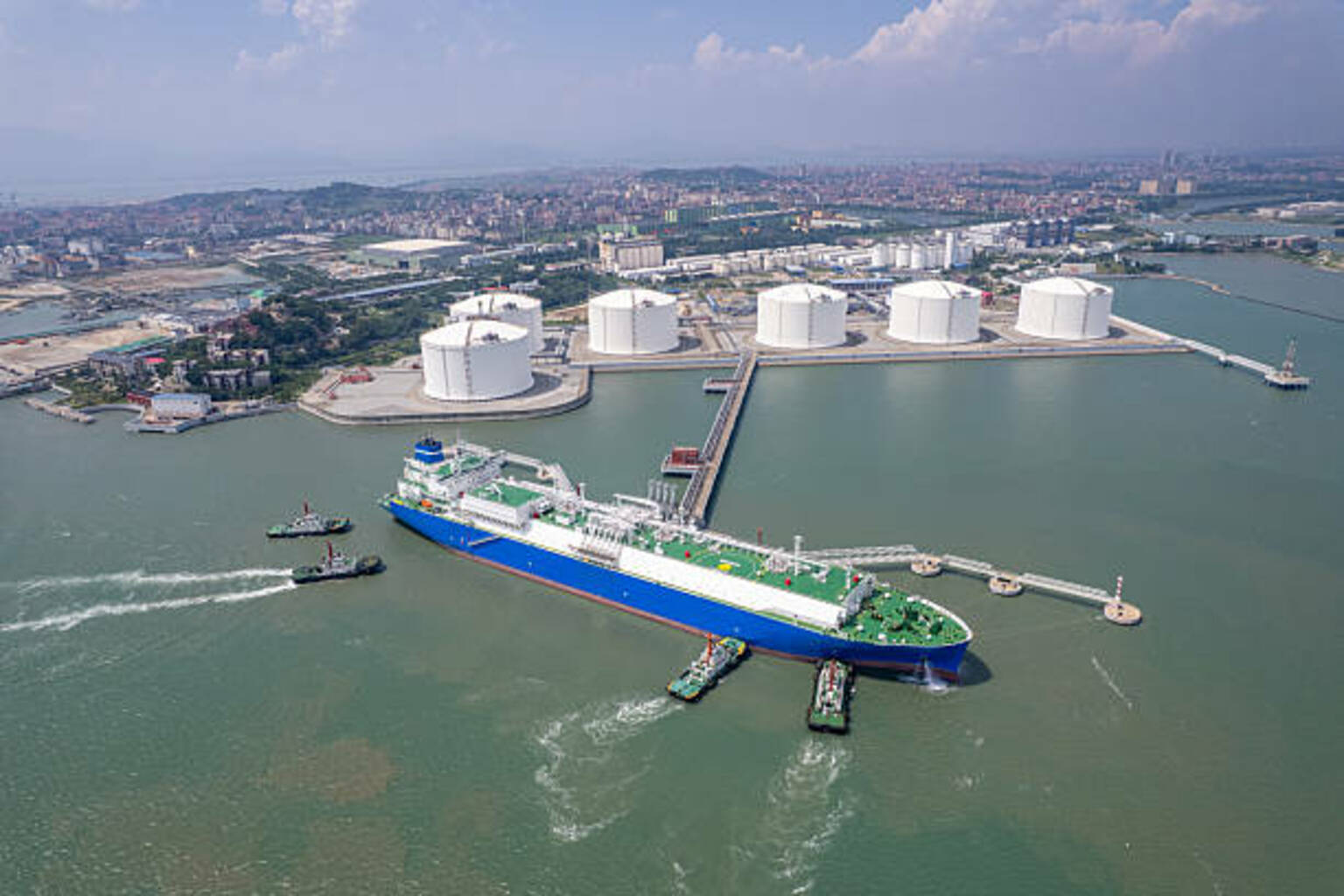
Golden Pass LNG Ships First Export Cargo from Texas Terminal

- First Export Success: Golden Pass LNG successfully loaded and shipped its first liquefied natural gas cargo from the Sabine Pass terminal in Texas, marking a significant step towards full commercial operation for one of the largest U.S. export projects.
- Operational Progress: Currently, Train 1 is operational, while construction and commissioning of Trains 2 and 3 are ongoing, with expectations to come online sequentially after Train 1 stabilizes, ultimately achieving an export capacity of approximately 18 million tons per year.
- Market Demand Response: The destination of the first shipment remains unclear, but it is anticipated to head to Italy to compensate for contracted LNG that QatarEnergy has been unable to deliver due to the Middle East conflict, highlighting the urgent market demand for this project.
- Strategic Importance: The launch of this project is crucial for QatarEnergy's growth strategy, particularly as its entire 77 million metric tons per year LNG production capacity in Qatar is currently offline due to the war, making Golden Pass LNG a key pillar for future growth.
See More

US Stock Rally Faces Test from Earnings and Fed Meeting


- Strong Earnings Season: As of Thursday, 82% of S&P 500 companies have reported earnings exceeding analysts' expectations, with overall earnings projected to rise 15.6% year-over-year, providing a bullish outlook for investors, especially with five major tech companies set to report soon.
- Tech Stocks Stand Out: Among the 'Magnificent Seven', Microsoft, Alphabet, Amazon, and Meta will report on Wednesday, with investors focusing on their substantial capital spending plans for AI infrastructure, which could directly influence their stock prices and potentially drive the market higher.
- Fed Meeting Impact: The Federal Reserve is expected to keep interest rates steady at its meeting on Wednesday, with investors looking for insights on policymakers' views regarding the war's economic impact, which could affect future rate policies, although expectations for rate cuts have significantly diminished.
- Ongoing Geopolitical Risks: The ongoing Middle East conflict poses risks for market volatility, as investors remain cautious about the impact of war on energy prices, with confidence in economic recovery still fragile, potentially leading to future economic pain and market fluctuations.
See More

Key Financial Market Focus for Next Week
- Iran War Impact: Next week, global energy prices are expected to spike above $100 per barrel due to the blockade of the Strait of Hormuz, and despite extended ceasefires between the U.S. and Iran, as well as Israel and Lebanon, market tension remains, potentially leading to investor volatility.
- Fed Policy Signals: The Federal Reserve is expected to keep interest rates steady, with market focus on signals for the coming months, especially as first-quarter GDP and personal consumption expenditures price index (PCE) data are set to be released on Thursday, which could influence investor sentiment on economic outlook.
- Big Tech Earnings Week: Five of the
See More

US Israel-Lebanon Ceasefire Extended Amid Tensions

- Ceasefire Extension: President Trump announced that Israel and Lebanon agreed to extend their ceasefire by three weeks, aiming to buy more time for diplomatic negotiations, although the ongoing tensions may impact investor confidence.
- Energy Security Threat: IEA head Fatih Birol warned that the current conflict has resulted in a loss of 13 million barrels of oil per day, marking the biggest energy security threat in history, which could trigger global market volatility.
- Market Reaction: U.S. stocks pulled back as investors grew wary of the ceasefire's prospects, while Asian markets opened mixed, reflecting a cautious sentiment regarding future developments.
- Corporate Layoffs: Meta plans to lay off 10% of its workforce, approximately 8,000 employees, while Nike will cut 1,400 jobs, indicating structural adjustments in the tech sector amid accelerated AI investments.
See More
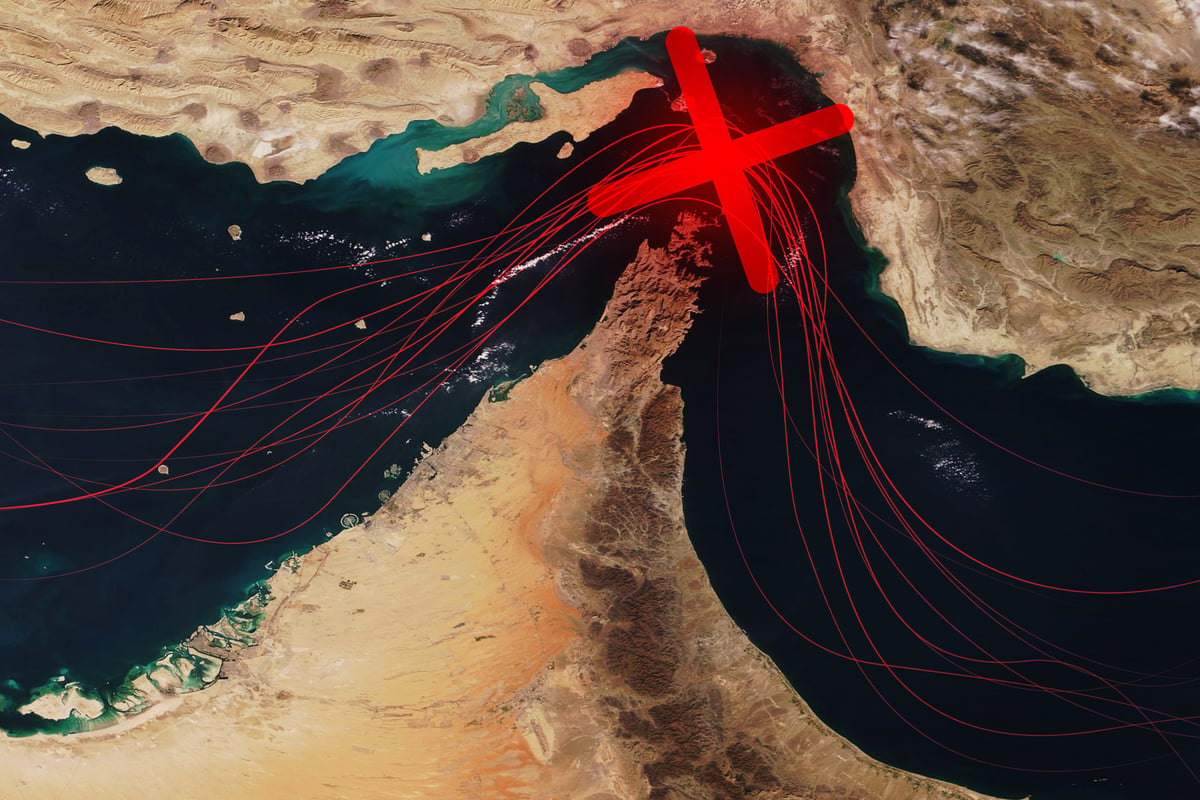
Iran War Causes Surge in Oil Prices

- Price Fluctuations: Since the onset of the Iran war on February 28, Brent crude prices have fluctuated between $90 and $112 per barrel, with an average price of $103 in March, indicating the war's direct impact on the global oil market.
- Supply Disruption: Iran's ability to halt oil flow through the Strait of Hormuz has severely limited global supply, with experts predicting that even after the war ends, oil prices may stabilize between $75 and $95 per barrel, significantly above prewar levels.
- Infrastructure Damage: The war has inflicted substantial damage on oil and gas infrastructure in the Middle East, with repair costs estimated between $34 billion and $58 billion, and it will take months to restore production to prewar levels, exacerbating supply constraints.
- Economic Impact: While the U.S. economy is less reliant on oil than in the past, and most stocks remain unaffected, energy sector stocks have shown significant volatility, highlighting potential investment opportunities as oil prices are likely to remain elevated for some time.
See More

Oil Price Fluctuations and Infrastructure Damage Impact
- Infrastructure Repair Costs: Energy consultancy Rystad Energy estimates that repairing damaged oil infrastructure will cost between $34 billion and $58 billion and take many months, which will have a long-term impact on global oil supply.
- Oil Price Fluctuation Analysis: Since the outbreak of the Iran war on February 28, Brent crude prices have fluctuated between $90 and $112 per barrel, with an average price of $103 in March, indicating the direct impact of the war on the market.
- Market Response and Investment Opportunities: Although energy stocks surged at the onset of the war, major energy stocks like ExxonMobil and Chevron have recently returned to near prewar levels, reflecting cautious market expectations regarding future oil prices.
- Economic Impact Assessment: While the U.S. economy is less reliant on oil than in the past, the rise in oil prices could still significantly affect the energy sector, especially given the slow recovery in production, prompting investors to carefully evaluate market opportunities.
See More
Golden Pass LNG Ships First Export Cargo from Texas Terminal
- First Export Success: Golden Pass LNG successfully loaded and shipped its first liquefied natural gas cargo from the Sabine Pass terminal in Texas, marking a significant step towards full commercial operation for one of the largest U.S. export projects.
- Operational Progress: Currently, Train 1 is operational, while construction and commissioning of Trains 2 and 3 are ongoing, with expectations to come online sequentially after Train 1 stabilizes, ultimately achieving an export capacity of approximately 18 million tons per year.
- Market Demand Response: The destination of the first shipment remains unclear, but it is anticipated to head to Italy to compensate for contracted LNG that QatarEnergy has been unable to deliver due to the Middle East conflict, highlighting the urgent market demand for this project.
- Strategic Importance: The launch of this project is crucial for QatarEnergy's growth strategy, particularly as its entire 77 million metric tons per year LNG production capacity in Qatar is currently offline due to the war, making Golden Pass LNG a key pillar for future growth.
See More
US Stock Rally Faces Test from Earnings and Fed Meeting
- Strong Earnings Season: As of Thursday, 82% of S&P 500 companies have reported earnings exceeding analysts' expectations, with overall earnings projected to rise 15.6% year-over-year, providing a bullish outlook for investors, especially with five major tech companies set to report soon.
- Tech Stocks Stand Out: Among the 'Magnificent Seven', Microsoft, Alphabet, Amazon, and Meta will report on Wednesday, with investors focusing on their substantial capital spending plans for AI infrastructure, which could directly influence their stock prices and potentially drive the market higher.
- Fed Meeting Impact: The Federal Reserve is expected to keep interest rates steady at its meeting on Wednesday, with investors looking for insights on policymakers' views regarding the war's economic impact, which could affect future rate policies, although expectations for rate cuts have significantly diminished.
- Ongoing Geopolitical Risks: The ongoing Middle East conflict poses risks for market volatility, as investors remain cautious about the impact of war on energy prices, with confidence in economic recovery still fragile, potentially leading to future economic pain and market fluctuations.
See More
Key Financial Market Focus for Next Week
- Iran War Impact: Next week, global energy prices are expected to spike above $100 per barrel due to the blockade of the Strait of Hormuz, and despite extended ceasefires between the U.S. and Iran, as well as Israel and Lebanon, market tension remains, potentially leading to investor volatility.
- Fed Policy Signals: The Federal Reserve is expected to keep interest rates steady, with market focus on signals for the coming months, especially as first-quarter GDP and personal consumption expenditures price index (PCE) data are set to be released on Thursday, which could influence investor sentiment on economic outlook.
- Big Tech Earnings Week: Five of the
See More
US Israel-Lebanon Ceasefire Extended Amid Tensions
- Ceasefire Extension: President Trump announced that Israel and Lebanon agreed to extend their ceasefire by three weeks, aiming to buy more time for diplomatic negotiations, although the ongoing tensions may impact investor confidence.
- Energy Security Threat: IEA head Fatih Birol warned that the current conflict has resulted in a loss of 13 million barrels of oil per day, marking the biggest energy security threat in history, which could trigger global market volatility.
- Market Reaction: U.S. stocks pulled back as investors grew wary of the ceasefire's prospects, while Asian markets opened mixed, reflecting a cautious sentiment regarding future developments.
- Corporate Layoffs: Meta plans to lay off 10% of its workforce, approximately 8,000 employees, while Nike will cut 1,400 jobs, indicating structural adjustments in the tech sector amid accelerated AI investments.
See More
Iran War Causes Surge in Oil Prices
- Price Fluctuations: Since the onset of the Iran war on February 28, Brent crude prices have fluctuated between $90 and $112 per barrel, with an average price of $103 in March, indicating the war's direct impact on the global oil market.
- Supply Disruption: Iran's ability to halt oil flow through the Strait of Hormuz has severely limited global supply, with experts predicting that even after the war ends, oil prices may stabilize between $75 and $95 per barrel, significantly above prewar levels.
- Infrastructure Damage: The war has inflicted substantial damage on oil and gas infrastructure in the Middle East, with repair costs estimated between $34 billion and $58 billion, and it will take months to restore production to prewar levels, exacerbating supply constraints.
- Economic Impact: While the U.S. economy is less reliant on oil than in the past, and most stocks remain unaffected, energy sector stocks have shown significant volatility, highlighting potential investment opportunities as oil prices are likely to remain elevated for some time.
See More
Oil Price Fluctuations and Infrastructure Damage Impact
- Infrastructure Repair Costs: Energy consultancy Rystad Energy estimates that repairing damaged oil infrastructure will cost between $34 billion and $58 billion and take many months, which will have a long-term impact on global oil supply.
- Oil Price Fluctuation Analysis: Since the outbreak of the Iran war on February 28, Brent crude prices have fluctuated between $90 and $112 per barrel, with an average price of $103 in March, indicating the direct impact of the war on the market.
- Market Response and Investment Opportunities: Although energy stocks surged at the onset of the war, major energy stocks like ExxonMobil and Chevron have recently returned to near prewar levels, reflecting cautious market expectations regarding future oil prices.
- Economic Impact Assessment: While the U.S. economy is less reliant on oil than in the past, the rise in oil prices could still significantly affect the energy sector, especially given the slow recovery in production, prompting investors to carefully evaluate market opportunities.
See More