Everything You Should Know About the Upgrade of Boyd (BYD) Rating to Strong Buy
Boyd Gaming Upgrade: Boyd Gaming (BYD) has been upgraded to a Zacks Rank #1 (Strong Buy), indicating a positive outlook on its earnings estimates, which significantly influence stock prices.
Earnings Estimate Revisions: The Zacks rating system focuses on changes in earnings estimates, showing a strong correlation between these revisions and near-term stock price movements, making it a valuable tool for investors.
Analyst Consensus: Over the past three months, analysts have raised their earnings estimates for Boyd by 6.9%, reflecting an improvement in the company's underlying business and potential for stock price increase.
Zacks Rank Performance: Stocks rated Zacks Rank #1 have historically generated an average annual return of +25% since 1988, with only the top 5% of stocks receiving this rating, highlighting Boyd's strong position based on earnings estimate revisions.
Trade with 70% Backtested Accuracy
Analyst Views on BYD

About BYD
About the author

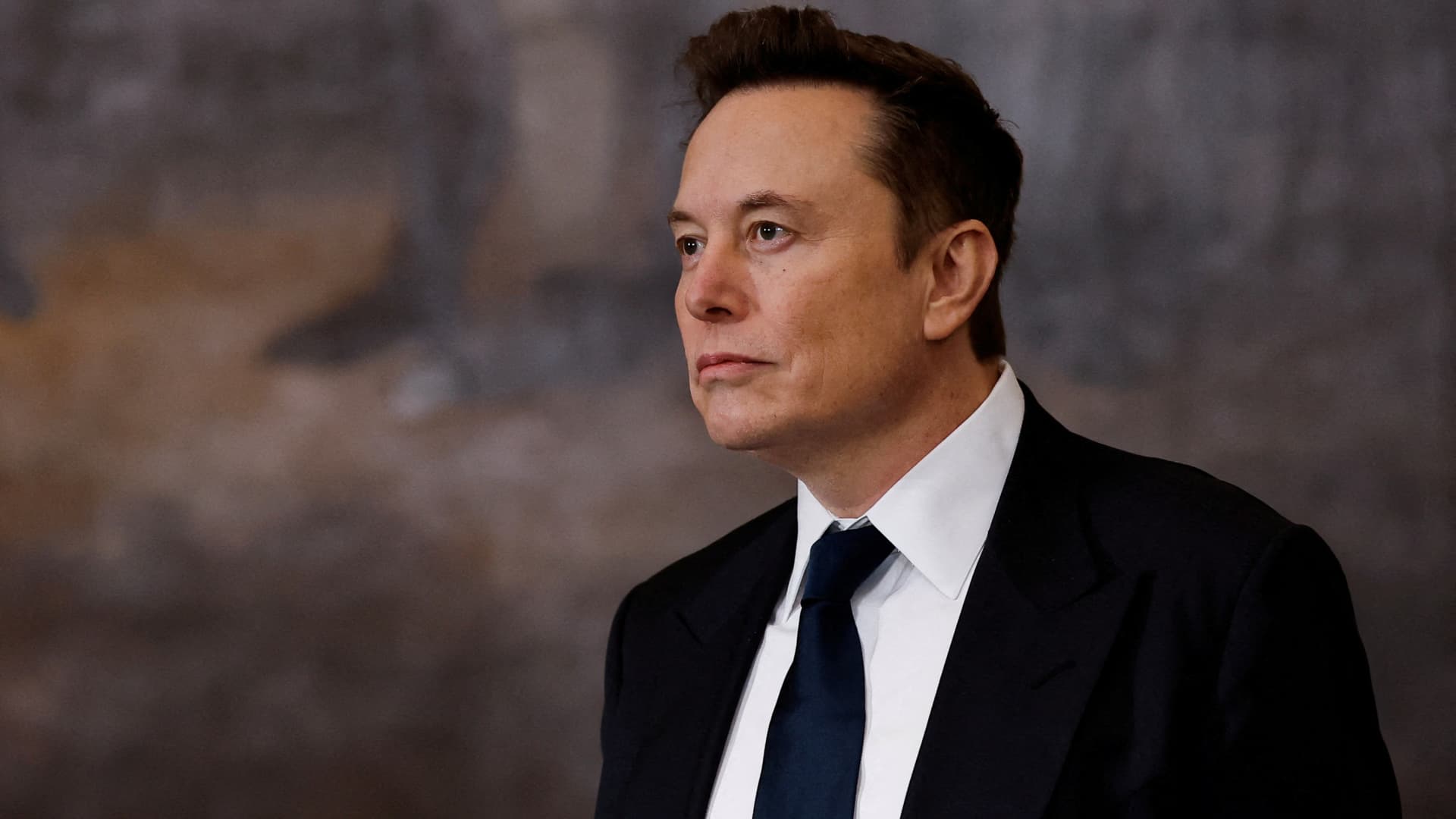
Musk May Drive Merger Between Tesla and SpaceX

- Merger Rumors Resurface: Analyst Dan Ives predicts a potential merger between Tesla and SpaceX by next year, suggesting that this could help Musk gain control over a larger AI ecosystem, facilitating technological integration and collaboration between the two companies.
- Market Expectation Fluctuations: Kalshi traders assign only a 33% probability for the merger to occur before 2027, down from nearly 77% last Friday, indicating significant uncertainty and divergence in market sentiment regarding the timing of the merger.
- Pressure in Chinese Market: Tesla has fallen behind competitors like BYD in electric vehicle sales in China, highlighting the potential urgency for a merger to enhance Tesla's competitive position in this critical market.
- Semiconductor Project Progress: Tesla and SpaceX are developing the Terafab semiconductor manufacturing plant in East Texas, with projected costs up to $119 billion, and a merger could facilitate resource integration and cost management for this ambitious project.
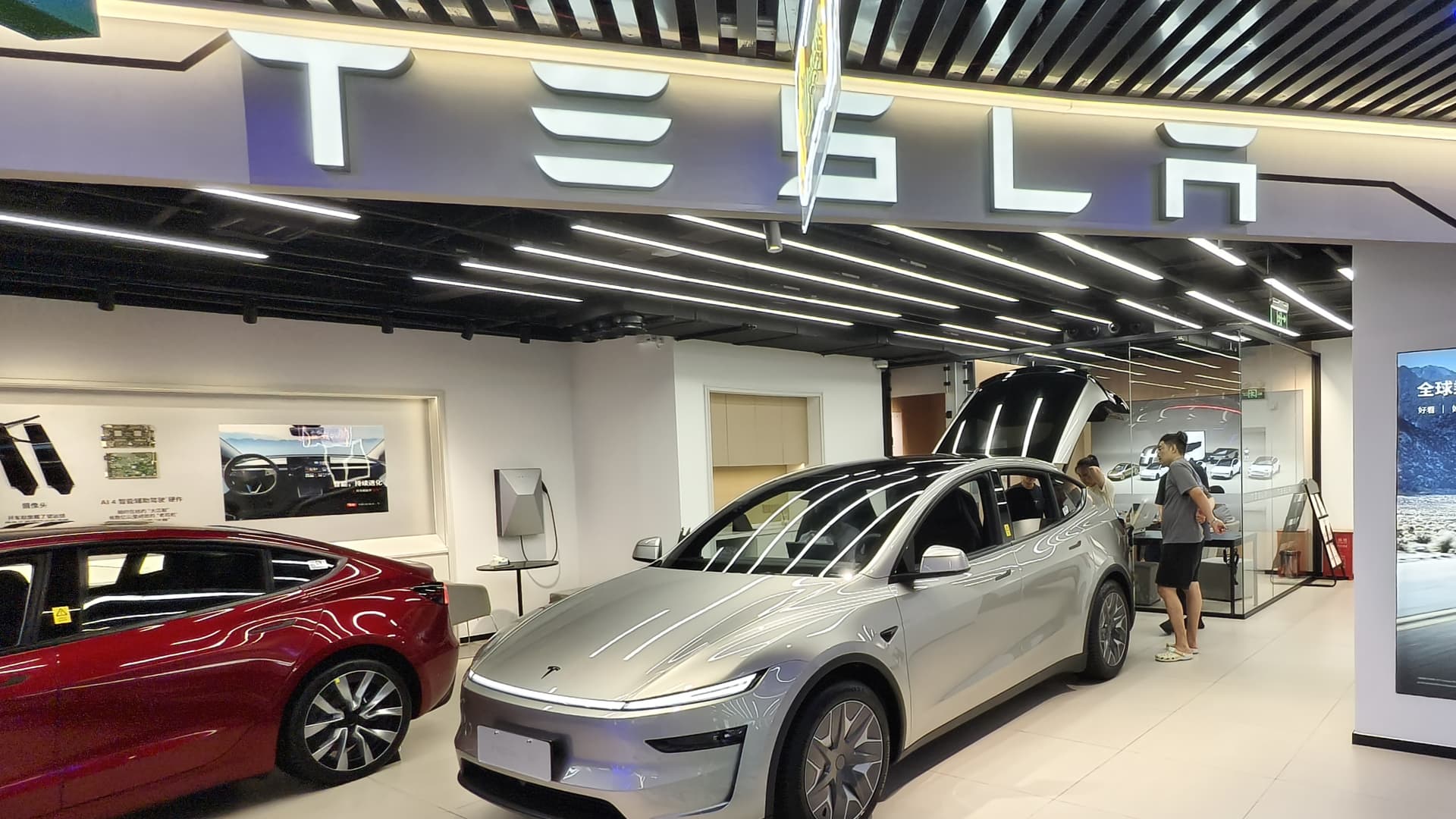
Tesla Launches Full Self-Driving Feature in China
- Full Self-Driving Launch: Tesla announced that its Full Self-Driving (FSD) technology is now available in China, marking a significant advancement in its technological deployment in the market, despite local competitors having already rolled out similar technologies.
- Pricing Structure Revealed: According to Tesla's China website, the 'intelligent assisted driving' feature for the Model 3 is priced at 64,000 yuan ($9,409), a pricing strategy that could influence consumer purchasing decisions and potentially boost sales.
- Regulatory Approval Journey: Tesla's FSD technology in China has faced multiple delays in regulatory approval; although Musk anticipated approval by the end of 2024, the actual progress has not met expectations, reflecting the complex regulatory environment the company faces in China.
- Intensifying Market Competition: While Tesla awaited approval, local brands like Xiaomi and Xpeng rapidly advanced their autonomous driving technologies, posing a threat to Tesla's market share, especially as it ranked fourth in electric vehicle sales in April.
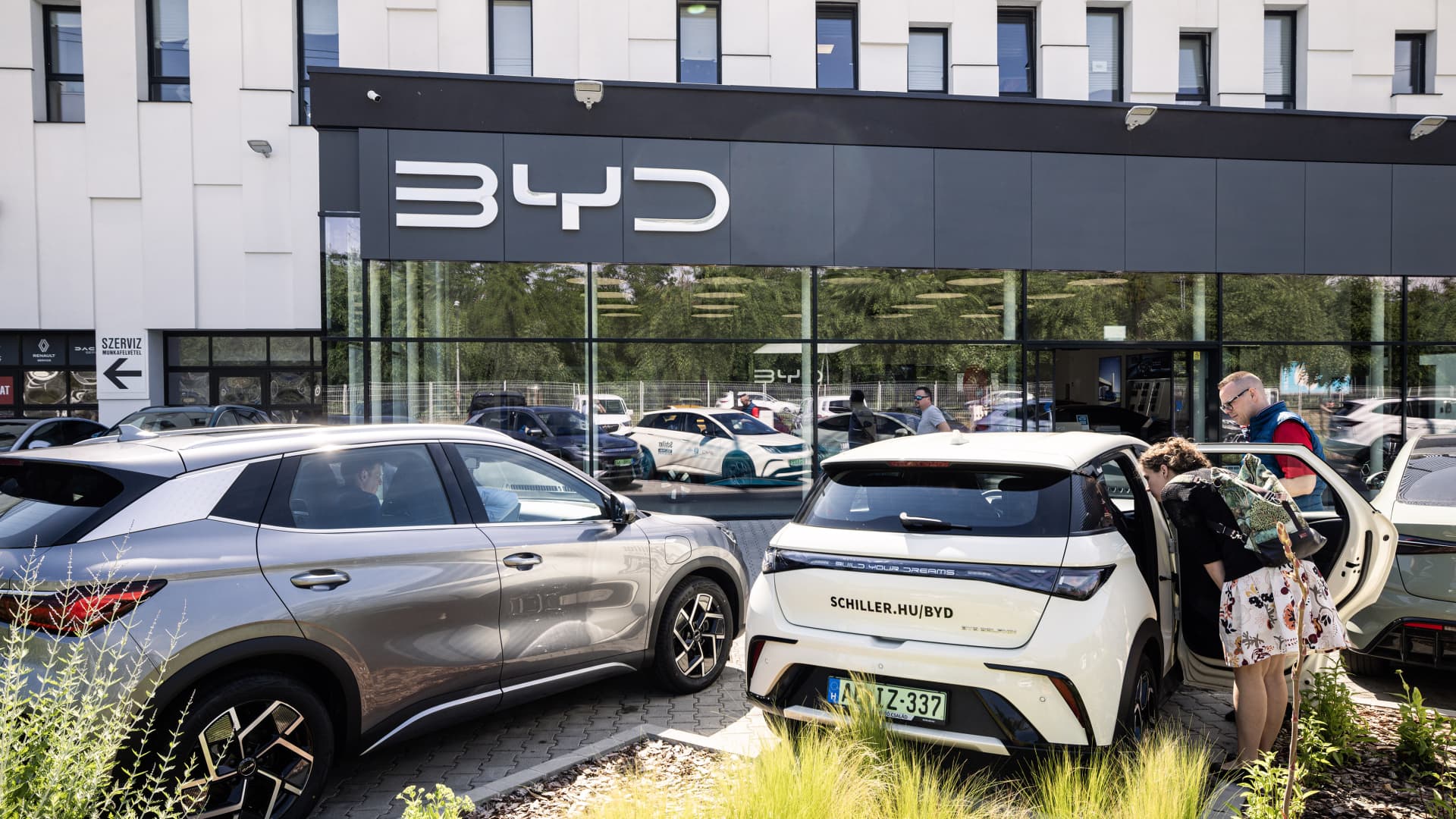
US Lawmakers Warn Against Allowing Chinese Automakers into Market

- Political Warnings Intensify: Bipartisan lawmakers in the U.S. caution the White House against using the auto market as a bargaining chip with China, especially after Trump's remarks about welcoming Chinese automakers, which could politically jeopardize the 2026 midterm elections.
- Job Risks Highlighted: The potential entry of Chinese automakers into the U.S. market poses a threat to manufacturing jobs in auto-heavy states like Michigan and Ohio, with lawmakers emphasizing the severe impact on local communities, reflecting the tension between national security and economic interests.
- Legislative Action Accelerates: Representatives from Michigan have introduced a bill to restrict Chinese-made connected vehicles and software, citing national security and data privacy concerns, indicating a strong vigilance against Chinese automotive technology.
- Market Competition Pressure: U.S. consumers face rising car prices, with the average new car costing $49,461, while China offers over 200 electric models priced below $25,000, raising concerns among lawmakers about the competitive impact of Chinese brands' low-price strategies in the U.S. market.
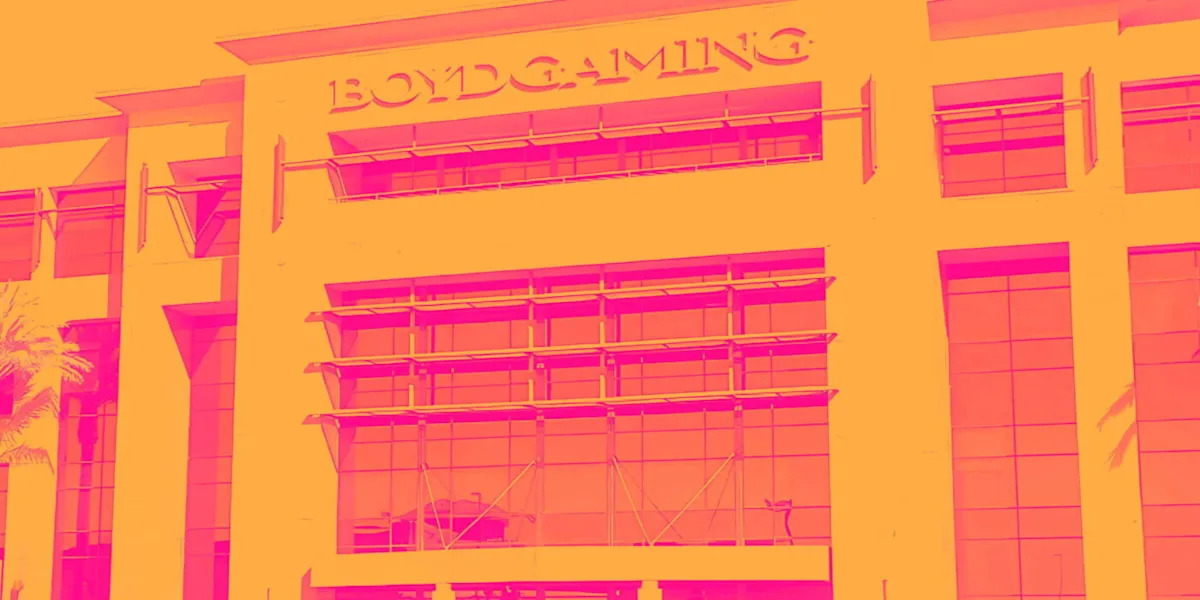
Boyd Gaming Faces Growth Challenges and Risks
- Long-Term Revenue Growth Disappoints: Boyd Gaming's annual sales growth rate of 12.7% over the past five years is acceptable in absolute terms but falls short of the consumer discretionary sector's standards, indicating potential long-term performance issues that could undermine investor confidence.
- Mediocre Free Cash Flow Margin: With an average free cash flow margin of 9.5% over the past two years, below industry expectations, Boyd Gaming has limited capacity to return capital to shareholders, raising concerns about its future growth prospects among investors.
- Declining Return on Invested Capital: The significant decline in Boyd Gaming's return on invested capital (ROIC) over recent years, coupled with its already low returns, suggests that the company faces few profitable growth opportunities, which may negatively impact its stock price.
- Reasonable Valuation but High Risk: Although Boyd Gaming trades at a forward P/E of 11.5 (or $85.25 per share), its shaky fundamentals present considerable downside risk, prompting a recommendation for investors to consider other stocks with greater potential.

Prospects and Challenges of US-China AI Cooperation

- Accelerated AI Adoption: China's AI penetration rate is expected to exceed 70% in key industries by next year, enhancing domestic competitiveness and potentially reshaping the global tech landscape.
- Research Strengthening: Zhejiang University and Shanghai Jiao Tong University have surpassed Harvard in scientific performance rankings, indicating rapid advancements in China's research capabilities that will support further AI development.
- Public Attitude Discrepancy: With 50% of Americans wary of AI, compared to a lower acceptance rate in China, this difference may influence the willingness and strategies for cooperation in AI between the two countries.
- Risk of US-China AI Arms Race: Experts warn that if the two nations enter an AI arms race, it would be detrimental not only to them but also to the world, highlighting the importance of international collaboration.
Boyd Gaming Declares Quarterly Cash Dividend
- Quarterly Cash Dividend: Boyd Gaming Corporation's Board of Directors has declared a cash dividend of $0.20 per share, payable on July 15, 2026, aimed at rewarding shareholders and enhancing investor confidence.
- Shareholder Record Date: The dividend will be paid to shareholders of record as of June 15, 2026, ensuring timely returns for investors and further solidifying the company's relationship with its shareholders.
- Company Background: Founded in 1975, Boyd Gaming operates 27 gaming entertainment properties across 11 states, showcasing its extensive footprint and influence in the U.S. gaming market.
- Loyalty Program Advantage: The Boyd Rewards program is recognized as the nation's favorite casino loyalty program, enhancing customer retention and providing the company with ongoing revenue growth potential.
Musk May Drive Merger Between Tesla and SpaceX
- Merger Rumors Resurface: Analyst Dan Ives predicts a potential merger between Tesla and SpaceX by next year, suggesting that this could help Musk gain control over a larger AI ecosystem, facilitating technological integration and collaboration between the two companies.
- Market Expectation Fluctuations: Kalshi traders assign only a 33% probability for the merger to occur before 2027, down from nearly 77% last Friday, indicating significant uncertainty and divergence in market sentiment regarding the timing of the merger.
- Pressure in Chinese Market: Tesla has fallen behind competitors like BYD in electric vehicle sales in China, highlighting the potential urgency for a merger to enhance Tesla's competitive position in this critical market.
- Semiconductor Project Progress: Tesla and SpaceX are developing the Terafab semiconductor manufacturing plant in East Texas, with projected costs up to $119 billion, and a merger could facilitate resource integration and cost management for this ambitious project.
Tesla Launches Full Self-Driving Feature in China
- Full Self-Driving Launch: Tesla announced that its Full Self-Driving (FSD) technology is now available in China, marking a significant advancement in its technological deployment in the market, despite local competitors having already rolled out similar technologies.
- Pricing Structure Revealed: According to Tesla's China website, the 'intelligent assisted driving' feature for the Model 3 is priced at 64,000 yuan ($9,409), a pricing strategy that could influence consumer purchasing decisions and potentially boost sales.
- Regulatory Approval Journey: Tesla's FSD technology in China has faced multiple delays in regulatory approval; although Musk anticipated approval by the end of 2024, the actual progress has not met expectations, reflecting the complex regulatory environment the company faces in China.
- Intensifying Market Competition: While Tesla awaited approval, local brands like Xiaomi and Xpeng rapidly advanced their autonomous driving technologies, posing a threat to Tesla's market share, especially as it ranked fourth in electric vehicle sales in April.
US Lawmakers Warn Against Allowing Chinese Automakers into Market
- Political Warnings Intensify: Bipartisan lawmakers in the U.S. caution the White House against using the auto market as a bargaining chip with China, especially after Trump's remarks about welcoming Chinese automakers, which could politically jeopardize the 2026 midterm elections.
- Job Risks Highlighted: The potential entry of Chinese automakers into the U.S. market poses a threat to manufacturing jobs in auto-heavy states like Michigan and Ohio, with lawmakers emphasizing the severe impact on local communities, reflecting the tension between national security and economic interests.
- Legislative Action Accelerates: Representatives from Michigan have introduced a bill to restrict Chinese-made connected vehicles and software, citing national security and data privacy concerns, indicating a strong vigilance against Chinese automotive technology.
- Market Competition Pressure: U.S. consumers face rising car prices, with the average new car costing $49,461, while China offers over 200 electric models priced below $25,000, raising concerns among lawmakers about the competitive impact of Chinese brands' low-price strategies in the U.S. market.
Boyd Gaming Faces Growth Challenges and Risks
- Long-Term Revenue Growth Disappoints: Boyd Gaming's annual sales growth rate of 12.7% over the past five years is acceptable in absolute terms but falls short of the consumer discretionary sector's standards, indicating potential long-term performance issues that could undermine investor confidence.
- Mediocre Free Cash Flow Margin: With an average free cash flow margin of 9.5% over the past two years, below industry expectations, Boyd Gaming has limited capacity to return capital to shareholders, raising concerns about its future growth prospects among investors.
- Declining Return on Invested Capital: The significant decline in Boyd Gaming's return on invested capital (ROIC) over recent years, coupled with its already low returns, suggests that the company faces few profitable growth opportunities, which may negatively impact its stock price.
- Reasonable Valuation but High Risk: Although Boyd Gaming trades at a forward P/E of 11.5 (or $85.25 per share), its shaky fundamentals present considerable downside risk, prompting a recommendation for investors to consider other stocks with greater potential.
Prospects and Challenges of US-China AI Cooperation
- Accelerated AI Adoption: China's AI penetration rate is expected to exceed 70% in key industries by next year, enhancing domestic competitiveness and potentially reshaping the global tech landscape.
- Research Strengthening: Zhejiang University and Shanghai Jiao Tong University have surpassed Harvard in scientific performance rankings, indicating rapid advancements in China's research capabilities that will support further AI development.
- Public Attitude Discrepancy: With 50% of Americans wary of AI, compared to a lower acceptance rate in China, this difference may influence the willingness and strategies for cooperation in AI between the two countries.
- Risk of US-China AI Arms Race: Experts warn that if the two nations enter an AI arms race, it would be detrimental not only to them but also to the world, highlighting the importance of international collaboration.
Boyd Gaming Declares Quarterly Cash Dividend
- Quarterly Cash Dividend: Boyd Gaming Corporation's Board of Directors has declared a cash dividend of $0.20 per share, payable on July 15, 2026, aimed at rewarding shareholders and enhancing investor confidence.
- Shareholder Record Date: The dividend will be paid to shareholders of record as of June 15, 2026, ensuring timely returns for investors and further solidifying the company's relationship with its shareholders.
- Company Background: Founded in 1975, Boyd Gaming operates 27 gaming entertainment properties across 11 states, showcasing its extensive footprint and influence in the U.S. gaming market.
- Loyalty Program Advantage: The Boyd Rewards program is recognized as the nation's favorite casino loyalty program, enhancing customer retention and providing the company with ongoing revenue growth potential.