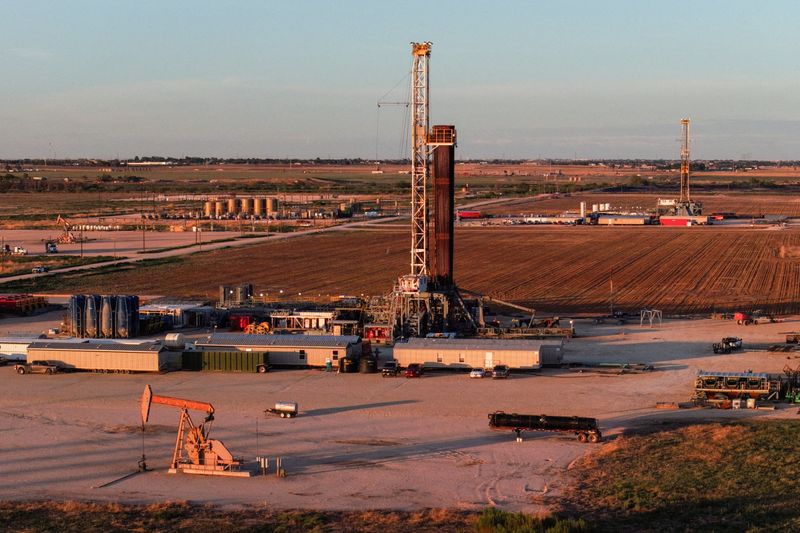
Equinor ASA Reports Record Production and Strong Earnings in Q1 2026
Written by Emily J. Thompson, Senior Investment Analyst
Updated: 1 day ago
0mins
Should l Buy EQNR?
Source: seekingalpha
- Record Production: Equinor achieved an average production of over 2.3 million barrels per day in Q1 2026, marking an all-time high that underscores the company's robust performance in the oil and gas market, further solidifying its market leadership.
- Strong Financial Performance: The adjusted operating income for the quarter reached $9.8 billion, with a net income of $3.1 billion and adjusted earnings per share of $1.48, reflecting a significant enhancement in profitability amid a high oil price environment.
- Shareholder Return Initiatives: The Board approved a cash dividend of $0.39 per share and initiated a share buyback program of up to $375 million, aimed at enhancing shareholder value and boosting market confidence.
- Stable Future Outlook: The company anticipates $13 billion in organic CapEx for 2026 and maintains guidance for approximately 3% growth in oil and gas production, indicating management's confidence in future market conditions and a stable financial strategy.
Trade with 70% Backtested Accuracy
Stop guessing "Should I Buy EQNR?" and start using high-conviction signals backed by rigorous historical data.
Sign up today to access powerful investing tools and make smarter, data-driven decisions.
Analyst Views on EQNR
Wall Street analysts forecast EQNR stock price to fall
2 Analyst Rating
1 Buy
1 Hold
0 Sell
Moderate Buy
Current: 36.910

Low
22.00
Averages
23.89
High
25.79
Current: 36.910
Low
22.00
Averages
23.89
High
25.79
About EQNR
Equinor ASA, formerly Statoil ASA is a Norway-based international energy company. The Company’s purpose is to turn natural resources into energy. Equinor sells crude oil and delivers natural gas to the European market. It is also engaged in processing, refining, offshore wind and carbon capture and storage activities. Equinor ASA has five reporting segments: Exploration & Production Norway (E&P Norway), Exploration & Production International (E&P International), Exploration & Production USA (E&P USA), Marketing, Midstream & Processing (MMP) and Renewables (REN). The Company has several subsidiaries such as Equinor Nigeria Energy Company Ltd, Equinor Wind Power AS, Equinor International Netherlands BV and Equinor Brasil Energia Ltda.
About the author

Emily J. Thompson
Emily J. Thompson, a Chartered Financial Analyst (CFA) with 12 years in investment research, graduated with honors from the Wharton School. Specializing in industrial and technology stocks, she provides in-depth analysis for Intellectia’s earnings and market brief reports.
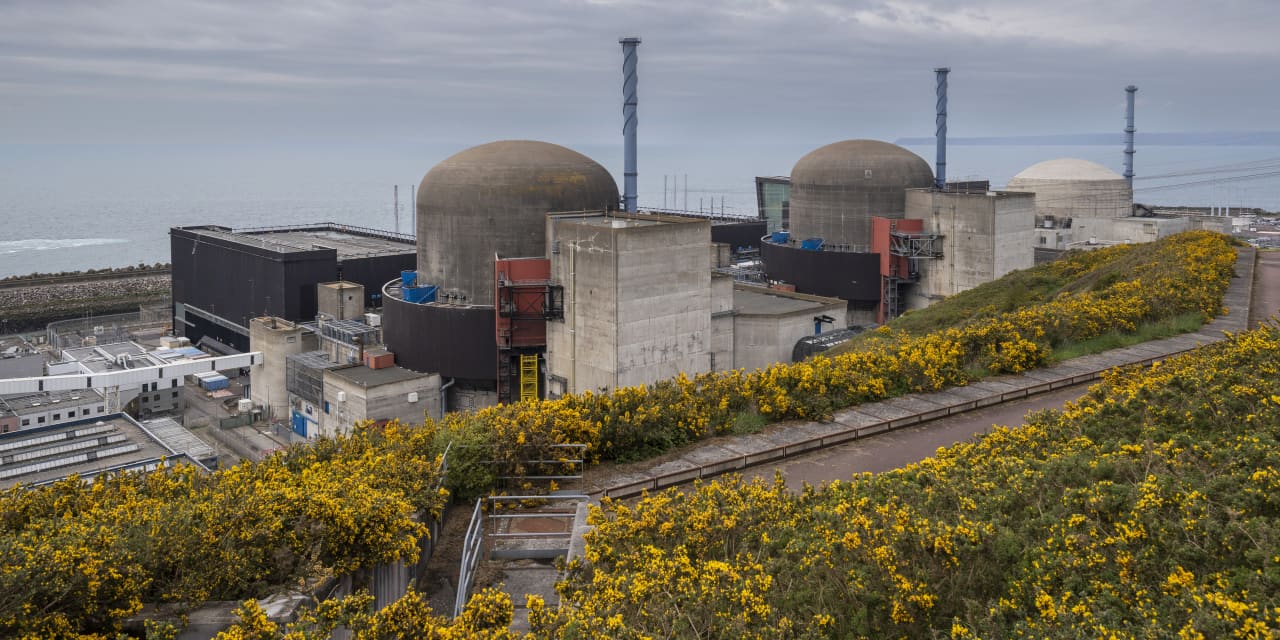
Equinor ASA Reports Record Production and Strong Earnings in Q1 2026

- Record Production: Equinor achieved an average production of over 2.3 million barrels per day in Q1 2026, marking an all-time high that underscores the company's robust performance in the oil and gas market, further solidifying its market leadership.
- Strong Financial Performance: The adjusted operating income for the quarter reached $9.8 billion, with a net income of $3.1 billion and adjusted earnings per share of $1.48, reflecting a significant enhancement in profitability amid a high oil price environment.
- Shareholder Return Initiatives: The Board approved a cash dividend of $0.39 per share and initiated a share buyback program of up to $375 million, aimed at enhancing shareholder value and boosting market confidence.
- Stable Future Outlook: The company anticipates $13 billion in organic CapEx for 2026 and maintains guidance for approximately 3% growth in oil and gas production, indicating management's confidence in future market conditions and a stable financial strategy.
See More

Surge in Demand for Norwegian Energy Exports
- Surge in Energy Demand: The Iran war has curtailed oil and LNG exports from the Gulf, leading to a surge in interest for Norwegian energy exports, with customers from as far as Australia contacting Equinor more frequently than ever.
- Daily Losses: The closure of the Strait of Hormuz has resulted in a loss of 12 million barrels of oil per day, significantly impacting supply for Asian clients, as highlighted by Equinor's CEO, indicating a critical market disruption.
- Record Quarterly Earnings: Equinor reported its highest quarterly earnings in three years, driven by high output and rising petroleum prices due to the conflict, showcasing the company's robust performance in a challenging environment.
- Market Expansion: Recently, Equinor shipped gasoline from Mongstad to Australia, a transaction not seen in years, while also noting increased LNG interest from fertilizer producers in India, indicating successful market expansion efforts.
See More
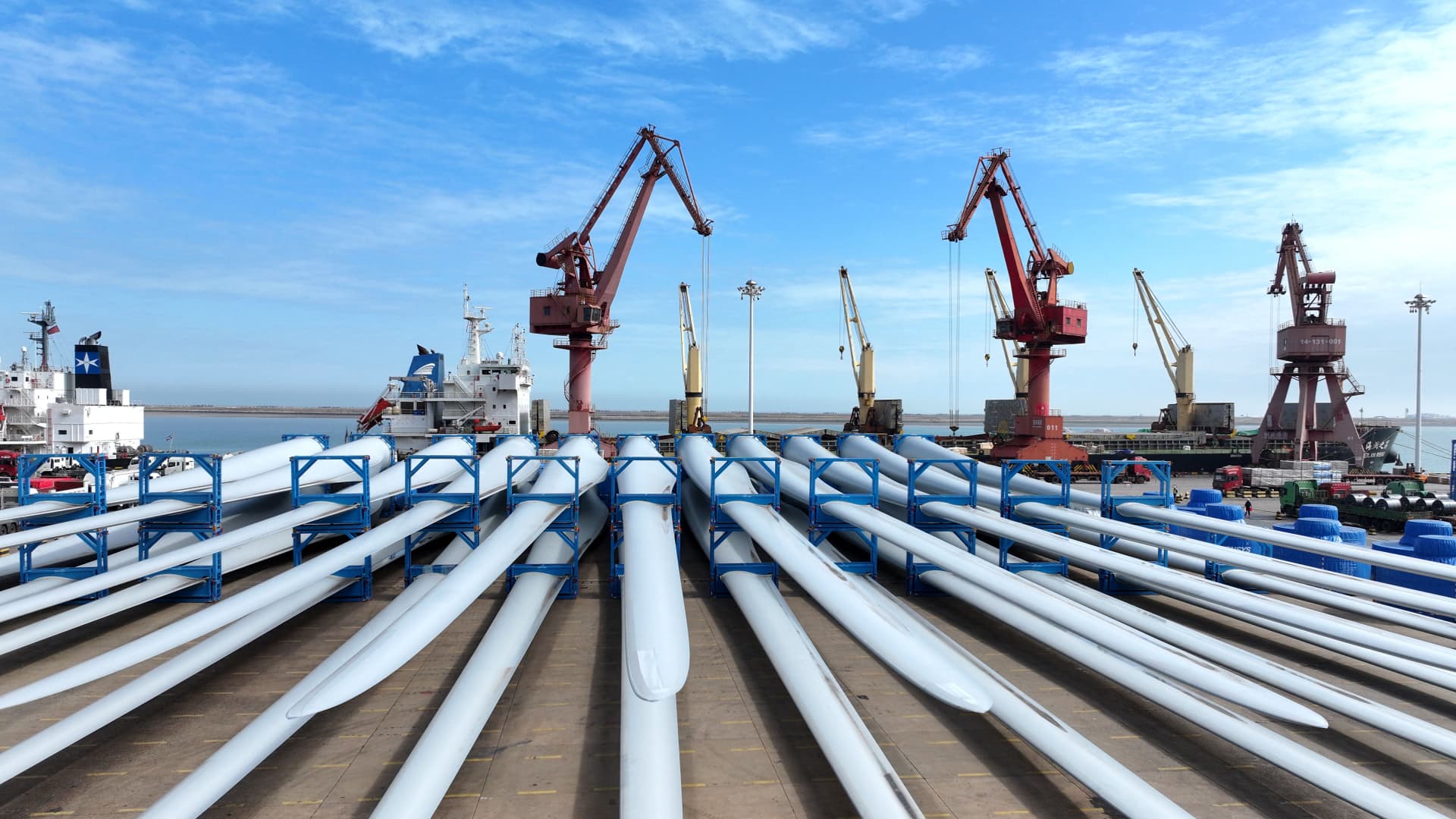
Iran War Accelerates Clean Energy Transition
- Significant Profit Growth: Danish wind turbine maker Vestas reported an unexpected profit increase in Q1, attributed to improved execution in both onshore and offshore operations, demonstrating resilience amid political uncertainty and boosting market confidence.
- Shift in Energy Security Focus: Norway's Equinor noted that the Iran war has shifted the drivers of energy transition from decarbonization to energy security and self-sufficiency, which is expected to prompt increased investment in clean energy and enhance returns in its green tech division.
- Accelerated European Transition: Denmark's Orsted emphasized that the Middle East situation has accelerated Europe's energy transition, particularly highlighting offshore wind as a key component that can significantly lower total system costs for households and businesses, promoting widespread renewable adoption.
- Optimistic Market Outlook: Vestas' CEO indicated that the strong Q1 performance bodes well for the rest of the year, and despite geopolitical tensions potentially impacting the renewable investment cycle, the company is actively engaging with data center builders to explore how renewable energy can support AI development.
See More

Global Oil Supply Tightens Amid Ongoing Conflict

- Rapid Inventory Decline: Global oil inventories are projected to drop to around 98 days of demand by the end of May, down from 105 days in February, indicating that supply disruptions from the Middle East conflict are intensifying and could destabilize global markets.
- Surge in Demand Anticipated: With the conflict potentially ending, global demand is expected to rise, particularly as Australia plans to invest $7.22 billion to build fuel reserves, reflecting the urgent need for countries to rebuild stockpiles, which may lead to further increases in oil prices.
- Slow Recovery of Supply: Even if Middle Eastern supply routes reopen, it is expected to take one to two months for oil flows to normalize due to shipping backlogs and damaged refining capacity, meaning the global energy system will face prolonged supply shortages impacting summer peak demand.
- Low Gasoline Inventories: U.S. gasoline inventories are predicted to fall to around 198 million barrels by late summer, marking the lowest level on record for that time of year, highlighting the severe supply challenges the market is facing due to increased exports and rising demand.
See More

TRUMP: POSITIVE DISCUSSIONS ON IRAN OVER THE PAST DAY


- Trump's Recent Talks: Donald Trump has engaged in discussions regarding Iran over the past 24 hours.
- Focus on Iran: The conversations have been characterized as very positive, indicating a potential shift in diplomatic relations.
See More

Energy Stocks Decline, NYSE Energy Sector Index Falls 3.8%

- Market Weakness: Energy stocks experienced a broad decline on Wednesday afternoon, with the NYSE Energy Sector Index falling 3.8%, indicating growing concerns about energy demand prospects that could undermine investor confidence.
- Investor Sentiment Deteriorates: Signs of a slowing global economy have led to diminished interest in energy stocks among investors, resulting in decreased trading volumes that further exacerbate downward pressure on prices.
- Significant Industry Impact: The decline in energy stocks may affect the financing capabilities and future investment plans of related companies, particularly in the capital-intensive energy sector, potentially leading to project delays or reductions.
- Increased Market Volatility: As uncertainty around energy prices rises, investors may shift towards more stable assets, resulting in heightened volatility in energy stocks that could impact overall market stability.
See More
Equinor ASA Reports Record Production and Strong Earnings in Q1 2026
- Record Production: Equinor achieved an average production of over 2.3 million barrels per day in Q1 2026, marking an all-time high that underscores the company's robust performance in the oil and gas market, further solidifying its market leadership.
- Strong Financial Performance: The adjusted operating income for the quarter reached $9.8 billion, with a net income of $3.1 billion and adjusted earnings per share of $1.48, reflecting a significant enhancement in profitability amid a high oil price environment.
- Shareholder Return Initiatives: The Board approved a cash dividend of $0.39 per share and initiated a share buyback program of up to $375 million, aimed at enhancing shareholder value and boosting market confidence.
- Stable Future Outlook: The company anticipates $13 billion in organic CapEx for 2026 and maintains guidance for approximately 3% growth in oil and gas production, indicating management's confidence in future market conditions and a stable financial strategy.
See More
Surge in Demand for Norwegian Energy Exports
- Surge in Energy Demand: The Iran war has curtailed oil and LNG exports from the Gulf, leading to a surge in interest for Norwegian energy exports, with customers from as far as Australia contacting Equinor more frequently than ever.
- Daily Losses: The closure of the Strait of Hormuz has resulted in a loss of 12 million barrels of oil per day, significantly impacting supply for Asian clients, as highlighted by Equinor's CEO, indicating a critical market disruption.
- Record Quarterly Earnings: Equinor reported its highest quarterly earnings in three years, driven by high output and rising petroleum prices due to the conflict, showcasing the company's robust performance in a challenging environment.
- Market Expansion: Recently, Equinor shipped gasoline from Mongstad to Australia, a transaction not seen in years, while also noting increased LNG interest from fertilizer producers in India, indicating successful market expansion efforts.
See More
Iran War Accelerates Clean Energy Transition
- Significant Profit Growth: Danish wind turbine maker Vestas reported an unexpected profit increase in Q1, attributed to improved execution in both onshore and offshore operations, demonstrating resilience amid political uncertainty and boosting market confidence.
- Shift in Energy Security Focus: Norway's Equinor noted that the Iran war has shifted the drivers of energy transition from decarbonization to energy security and self-sufficiency, which is expected to prompt increased investment in clean energy and enhance returns in its green tech division.
- Accelerated European Transition: Denmark's Orsted emphasized that the Middle East situation has accelerated Europe's energy transition, particularly highlighting offshore wind as a key component that can significantly lower total system costs for households and businesses, promoting widespread renewable adoption.
- Optimistic Market Outlook: Vestas' CEO indicated that the strong Q1 performance bodes well for the rest of the year, and despite geopolitical tensions potentially impacting the renewable investment cycle, the company is actively engaging with data center builders to explore how renewable energy can support AI development.
See More
Global Oil Supply Tightens Amid Ongoing Conflict
- Rapid Inventory Decline: Global oil inventories are projected to drop to around 98 days of demand by the end of May, down from 105 days in February, indicating that supply disruptions from the Middle East conflict are intensifying and could destabilize global markets.
- Surge in Demand Anticipated: With the conflict potentially ending, global demand is expected to rise, particularly as Australia plans to invest $7.22 billion to build fuel reserves, reflecting the urgent need for countries to rebuild stockpiles, which may lead to further increases in oil prices.
- Slow Recovery of Supply: Even if Middle Eastern supply routes reopen, it is expected to take one to two months for oil flows to normalize due to shipping backlogs and damaged refining capacity, meaning the global energy system will face prolonged supply shortages impacting summer peak demand.
- Low Gasoline Inventories: U.S. gasoline inventories are predicted to fall to around 198 million barrels by late summer, marking the lowest level on record for that time of year, highlighting the severe supply challenges the market is facing due to increased exports and rising demand.
See More
TRUMP: POSITIVE DISCUSSIONS ON IRAN OVER THE PAST DAY
- Trump's Recent Talks: Donald Trump has engaged in discussions regarding Iran over the past 24 hours.
- Focus on Iran: The conversations have been characterized as very positive, indicating a potential shift in diplomatic relations.
See More
Energy Stocks Decline, NYSE Energy Sector Index Falls 3.8%
- Market Weakness: Energy stocks experienced a broad decline on Wednesday afternoon, with the NYSE Energy Sector Index falling 3.8%, indicating growing concerns about energy demand prospects that could undermine investor confidence.
- Investor Sentiment Deteriorates: Signs of a slowing global economy have led to diminished interest in energy stocks among investors, resulting in decreased trading volumes that further exacerbate downward pressure on prices.
- Significant Industry Impact: The decline in energy stocks may affect the financing capabilities and future investment plans of related companies, particularly in the capital-intensive energy sector, potentially leading to project delays or reductions.
- Increased Market Volatility: As uncertainty around energy prices rises, investors may shift towards more stable assets, resulting in heightened volatility in energy stocks that could impact overall market stability.
See More