Energy Stocks Surge Amid Rising Oil Prices from U.S.-Iran Conflict
Written by Emily J. Thompson, Senior Investment Analyst
Updated: Apr 07 2026
0mins


Source: CNBC
- Oil Price Surge Impact: The ongoing U.S.-Iran conflict has driven oil prices up, resulting in a 34% increase in energy stocks in 2026, which not only boosts investor confidence but also raises concerns about future market trends.
- Investor Caution: Despite the strong performance of energy stocks, investors are adopting a cautious stance, particularly as they await President Trump's deadline for Iran, which could significantly influence market sentiment.
- Profit-Taking Strategies: Some investors, like Stephanie Link from Hightower Advisors, have opted to sell their Chevron positions after realizing a 32% gain, indicating a growing willingness among market participants to lock in short-term profits in energy stocks.
- Future Risk Assessment: Analyst Sarat Sethi warns that if the conflict extends longer than anticipated, energy companies' earnings could be adversely affected, leading to a potential decline in demand and stock prices, necessitating a careful approach from investors.
Trade with 70% Backtested Accuracy
Stop guessing "Should I Buy CVX?" and start using high-conviction signals backed by rigorous historical data.
Sign up today to access powerful investing tools and make smarter, data-driven decisions.
Analyst Views on CVX
Wall Street analysts forecast CVX stock price to rise
19 Analyst Rating
15 Buy
4 Hold
0 Sell
Strong Buy
Current: 165.690

Low
158.00
Averages
176.95
High
206.00
Current: 165.690
Low
158.00
Averages
176.95
High
206.00
About CVX
Chevron Corporation is an integrated energy company. The Company produces crude oil and natural gas; manufactures transportation fuels, lubricants, petrochemicals and additives; and develops technologies that enhance its business and industry. The Company’s segments include Upstream and Downstream. Upstream operations consist primarily of exploring for, developing, producing and transporting crude oil and natural gas; liquefaction, transportation and regasification associated with LNG; transporting crude oil by major international oil export pipelines; processing, transporting, storage and marketing of natural gas; carbon capture and storage; and a gas-to-liquids plant. Downstream operations consist primarily of the refining of crude oil into petroleum products; marketing crude oil, refined products, and lubricants; manufacturing and marketing of renewable fuels, and transporting of crude oil and refined products by pipeline, marine vessel, motor equipment and rail car.
About the author

Emily J. Thompson
Emily J. Thompson, a Chartered Financial Analyst (CFA) with 12 years in investment research, graduated with honors from the Wharton School. Specializing in industrial and technology stocks, she provides in-depth analysis for Intellectia’s earnings and market brief reports.

Analysis of Energy Stocks Performance and Future Outlook


- Price Volatility Impact: As crude oil prices fell from $114.58 to $78.94, Exxon Mobil (XOM) dropped 6%, Chevron (CVX) fell 8%, and ConocoPhillips (COP) slid 9%, indicating the market's sensitivity and volatility regarding energy stocks.
- Earnings Beat Expectations: Despite the stock declines, all three companies exceeded Q1 earnings expectations, with Exxon Mobil reporting an adjusted EPS of $1.16 against an expected $1.01, showcasing strong profitability and market confidence.
- Dividend Growth Continues: Exxon Mobil and Chevron have achieved 43 and 39 consecutive years of dividend increases, respectively, with Exxon’s quarterly dividend at $1.03, reflecting stable cash flow and commitment to shareholders.
- Future Growth Potential: ConocoPhillips targets $7 billion in incremental free cash flow by 2029, driven by the Willow and Port Arthur LNG projects, indicating its growth potential and strategic positioning in the future market.
See More

Comparative Investment Value of Chevron and Exxon Mobil
- Revenue and Profit Performance: Chevron reported nearly $184.4 billion in revenue for FY 2025, a decline of approximately 4.6%, with a net income of $12.3 billion and a net margin of about 6.7%, indicating a resilient profitability amidst global energy market fluctuations.
- Financial Health: As of December 2025, Chevron's debt-to-equity ratio stood at approximately 0.3, reflecting a low financial leverage, while its current ratio was nearly 1.2, demonstrating solid short-term liquidity and debt repayment capacity.
- Market Competition and Tech Investment: Exxon Mobil achieved nearly $323.9 billion in revenue for FY 2025, with a net income of $28.8 billion and a net margin of approximately 8.9%, bolstered by investments in carbon capture and storage technologies that maintain its leadership in traditional markets.
- Shareholder Returns and Growth Potential: Exxon Mobil returned over $9 billion to shareholders through dividends and buybacks in the last quarter, showcasing its strong cash flow and commitment to shareholders, while record production levels in Guyana further enhance its growth outlook.
See More
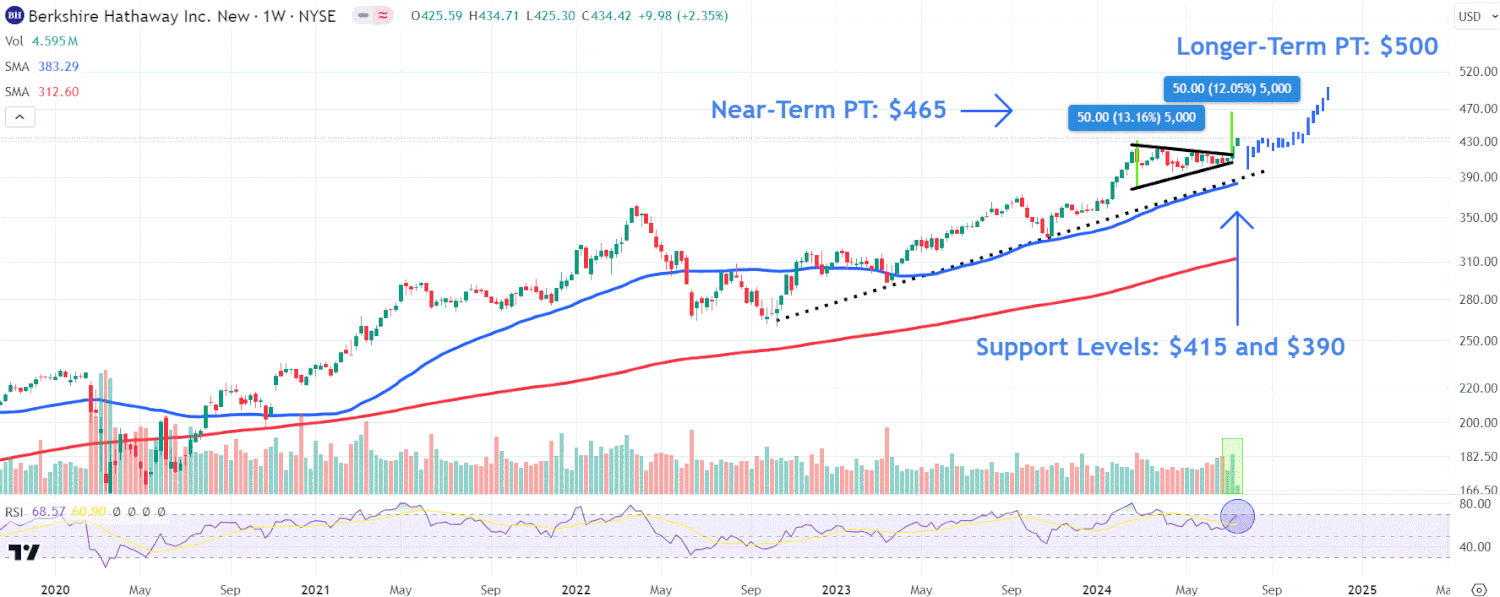
Investment Comparison: Chevron vs. Exxon Mobil
- Financial Performance Comparison: In FY 2025, Chevron reported nearly $184.4 billion in revenue, a decline of about 4.6%, with a net income of $12.3 billion and a net margin of approximately 6.7%, indicating resilience amid global energy market fluctuations.
- Cash Flow Status: Chevron's free cash flow stood at $16.6 billion, demonstrating solid cash generation after capital expenditures, while Exxon Mobil's free cash flow reached $26.1 billion, reflecting stronger financial flexibility and investment capacity.
- Debt and Liquidity: As of December 2025, Chevron's debt-to-equity ratio was 0.3 with a current ratio of nearly 1.2, indicating a robust financial structure; in contrast, Exxon Mobil's debt-to-equity ratio was 0.2, also with a current ratio of 1.2, showcasing a lower debt burden and good short-term solvency.
- Market Outlook and Risks: Chevron faces significant risks from fluctuations in global crude oil and natural gas prices, while Exxon Mobil invests in emerging technologies like carbon capture and hydrogen, which, despite market development uncertainties, provide a stronger risk mitigation strategy through its diversified market presence.
See More

Analysis of Oil Price Volatility Post Middle East Conflict
- Oil Price Impact: The geopolitical conflict in the Middle East caused a sharp rise in oil prices, which subsequently fell back to pre-conflict levels, highlighting the high volatility of the oil market, necessitating cautious investor strategies to protect assets.
- Sustained Energy Demand: Despite the global shift towards cleaner energy, oil and gas remain crucial for the economy, with future demand expected to remain high, particularly as digitalization and economic development accelerate.
- Financial Stability: ExxonMobil and Chevron have debt-to-equity ratios of 0.19 and 0.25, respectively, indicating strong financial health that allows them to leverage debt to support operations during market downturns, enhancing investor confidence.
- Dividend Growth Potential: Despite oil price fluctuations, both ExxonMobil and Chevron have increased dividends for decades, with Chevron offering a 4.1% yield and ExxonMobil at 3%, appealing to income-focused investors.
See More
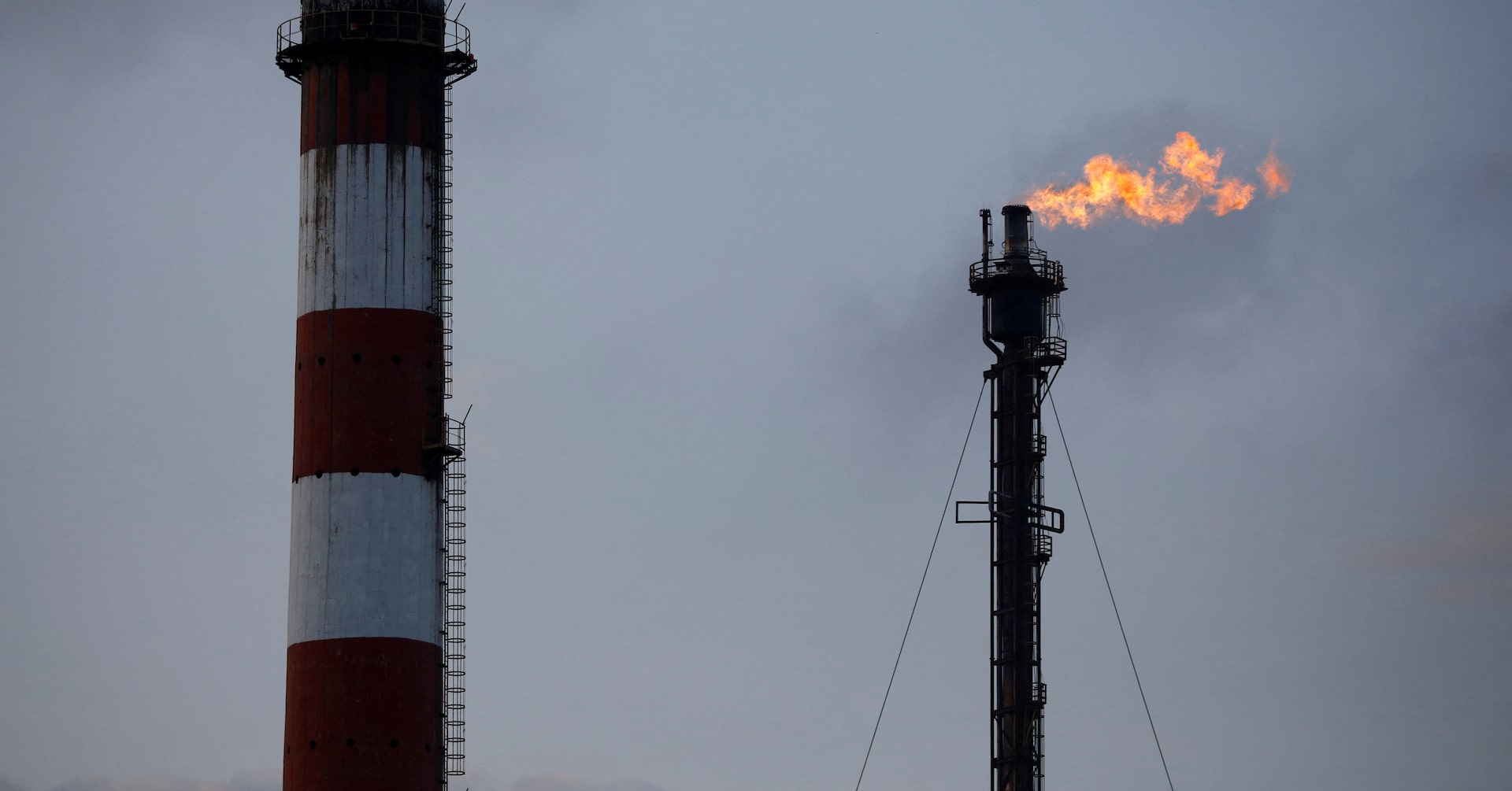
Oil Prices Fall Post-Middle East Conflict, Energy Stocks Remain Attractive
- Oil Price Volatility: The geopolitical conflict in the Middle East caused a sharp rise in oil prices, but as tensions eased, prices have returned to pre-conflict levels, indicating concerns about industry fundamentals and potential for future increases.
- Sustained Energy Demand: Despite a global shift towards cleaner energy, the conflict has reaffirmed the critical role of oil and natural gas in the world economy, with expectations for demand to remain steady or slightly higher in the future.
- Diversification Advantages: ExxonMobil and Chevron, as two of the world's largest energy companies, benefit from integrated operations across production, transportation, and processing, allowing them to maintain stability amid price fluctuations, supported by low debt ratios.
- Dividend Appeal: Both companies have increased dividends for decades despite oil volatility, with Chevron offering a 4.1% yield, making them attractive to income-focused investors and demonstrating resilience in uncertain markets.
See More
Honeywell Reinvents Automation Business Post-Spinoff


- Honeywell Restructuring: Following the spinoff of its aerospace division, Honeywell has refocused on automation, transforming into a company centered on factory automation and energy systems, which is expected to unlock hidden value through capital reallocation, although the uncertainty from the spinoff will take time to settle.
- Amgen Dividend Growth: Amgen raised its dividend by 6% for 2026, continuing its trend of steady dividend increases, while its late-stage trials for the obesity drug MariTide could provide long-term growth potential, despite the inherent risks of drug development.
- Chevron's Reliable Returns: Chevron has increased its dividend for decades and added another 4% increase for 2026; its acquisition of Hess provided a 30% stake in Guyana's Stabroek Block, offering a rare source of low-cost growth, although oil price volatility remains a risk.
- Dow Jones Index Changes: Alphabet replaced Verizon in the Dow Jones Industrial Average, marking a modernization of the index towards advertising, cloud computing, and AI, although Alphabet's low dividend yield may be less appealing for income-focused investors compared to other established constituents.
See More
Analysis of Energy Stocks Performance and Future Outlook
- Price Volatility Impact: As crude oil prices fell from $114.58 to $78.94, Exxon Mobil (XOM) dropped 6%, Chevron (CVX) fell 8%, and ConocoPhillips (COP) slid 9%, indicating the market's sensitivity and volatility regarding energy stocks.
- Earnings Beat Expectations: Despite the stock declines, all three companies exceeded Q1 earnings expectations, with Exxon Mobil reporting an adjusted EPS of $1.16 against an expected $1.01, showcasing strong profitability and market confidence.
- Dividend Growth Continues: Exxon Mobil and Chevron have achieved 43 and 39 consecutive years of dividend increases, respectively, with Exxon’s quarterly dividend at $1.03, reflecting stable cash flow and commitment to shareholders.
- Future Growth Potential: ConocoPhillips targets $7 billion in incremental free cash flow by 2029, driven by the Willow and Port Arthur LNG projects, indicating its growth potential and strategic positioning in the future market.
See More
Comparative Investment Value of Chevron and Exxon Mobil
- Revenue and Profit Performance: Chevron reported nearly $184.4 billion in revenue for FY 2025, a decline of approximately 4.6%, with a net income of $12.3 billion and a net margin of about 6.7%, indicating a resilient profitability amidst global energy market fluctuations.
- Financial Health: As of December 2025, Chevron's debt-to-equity ratio stood at approximately 0.3, reflecting a low financial leverage, while its current ratio was nearly 1.2, demonstrating solid short-term liquidity and debt repayment capacity.
- Market Competition and Tech Investment: Exxon Mobil achieved nearly $323.9 billion in revenue for FY 2025, with a net income of $28.8 billion and a net margin of approximately 8.9%, bolstered by investments in carbon capture and storage technologies that maintain its leadership in traditional markets.
- Shareholder Returns and Growth Potential: Exxon Mobil returned over $9 billion to shareholders through dividends and buybacks in the last quarter, showcasing its strong cash flow and commitment to shareholders, while record production levels in Guyana further enhance its growth outlook.
See More
Investment Comparison: Chevron vs. Exxon Mobil
- Financial Performance Comparison: In FY 2025, Chevron reported nearly $184.4 billion in revenue, a decline of about 4.6%, with a net income of $12.3 billion and a net margin of approximately 6.7%, indicating resilience amid global energy market fluctuations.
- Cash Flow Status: Chevron's free cash flow stood at $16.6 billion, demonstrating solid cash generation after capital expenditures, while Exxon Mobil's free cash flow reached $26.1 billion, reflecting stronger financial flexibility and investment capacity.
- Debt and Liquidity: As of December 2025, Chevron's debt-to-equity ratio was 0.3 with a current ratio of nearly 1.2, indicating a robust financial structure; in contrast, Exxon Mobil's debt-to-equity ratio was 0.2, also with a current ratio of 1.2, showcasing a lower debt burden and good short-term solvency.
- Market Outlook and Risks: Chevron faces significant risks from fluctuations in global crude oil and natural gas prices, while Exxon Mobil invests in emerging technologies like carbon capture and hydrogen, which, despite market development uncertainties, provide a stronger risk mitigation strategy through its diversified market presence.
See More
Analysis of Oil Price Volatility Post Middle East Conflict
- Oil Price Impact: The geopolitical conflict in the Middle East caused a sharp rise in oil prices, which subsequently fell back to pre-conflict levels, highlighting the high volatility of the oil market, necessitating cautious investor strategies to protect assets.
- Sustained Energy Demand: Despite the global shift towards cleaner energy, oil and gas remain crucial for the economy, with future demand expected to remain high, particularly as digitalization and economic development accelerate.
- Financial Stability: ExxonMobil and Chevron have debt-to-equity ratios of 0.19 and 0.25, respectively, indicating strong financial health that allows them to leverage debt to support operations during market downturns, enhancing investor confidence.
- Dividend Growth Potential: Despite oil price fluctuations, both ExxonMobil and Chevron have increased dividends for decades, with Chevron offering a 4.1% yield and ExxonMobil at 3%, appealing to income-focused investors.
See More
Oil Prices Fall Post-Middle East Conflict, Energy Stocks Remain Attractive
- Oil Price Volatility: The geopolitical conflict in the Middle East caused a sharp rise in oil prices, but as tensions eased, prices have returned to pre-conflict levels, indicating concerns about industry fundamentals and potential for future increases.
- Sustained Energy Demand: Despite a global shift towards cleaner energy, the conflict has reaffirmed the critical role of oil and natural gas in the world economy, with expectations for demand to remain steady or slightly higher in the future.
- Diversification Advantages: ExxonMobil and Chevron, as two of the world's largest energy companies, benefit from integrated operations across production, transportation, and processing, allowing them to maintain stability amid price fluctuations, supported by low debt ratios.
- Dividend Appeal: Both companies have increased dividends for decades despite oil volatility, with Chevron offering a 4.1% yield, making them attractive to income-focused investors and demonstrating resilience in uncertain markets.
See More
Honeywell Reinvents Automation Business Post-Spinoff
- Honeywell Restructuring: Following the spinoff of its aerospace division, Honeywell has refocused on automation, transforming into a company centered on factory automation and energy systems, which is expected to unlock hidden value through capital reallocation, although the uncertainty from the spinoff will take time to settle.
- Amgen Dividend Growth: Amgen raised its dividend by 6% for 2026, continuing its trend of steady dividend increases, while its late-stage trials for the obesity drug MariTide could provide long-term growth potential, despite the inherent risks of drug development.
- Chevron's Reliable Returns: Chevron has increased its dividend for decades and added another 4% increase for 2026; its acquisition of Hess provided a 30% stake in Guyana's Stabroek Block, offering a rare source of low-cost growth, although oil price volatility remains a risk.
- Dow Jones Index Changes: Alphabet replaced Verizon in the Dow Jones Industrial Average, marking a modernization of the index towards advertising, cloud computing, and AI, although Alphabet's low dividend yield may be less appealing for income-focused investors compared to other established constituents.
See More