Energy Companies Thrive Amid Tariff Concerns
Written by Emily J. Thompson, Senior Investment Analyst
Updated: Feb 28 2026
0mins

Source: Fool
- Rising Power Demand: Dominion Energy serves 4.5 million electric and natural gas customers, with an expected annual operating EPS growth of 5% to 7% through 2030, indicating strong market demand and profitability.
- Increased Capital Expenditure: Dominion has raised its five-year capital spending plan by approximately $15 billion to support electricity demand from data centers, which is expected to significantly enhance future earnings.
- Stable Cash Flow: Williams Companies delivers one-third of the natural gas used in the U.S. through 33,000 miles of pipelines, with long-term contracts ensuring stable cash flow; its adjusted EBITDA rose 9% to $7.8 billion in 2025.
- Consistent Dividend Growth: Williams raised its dividend by 5% this year, marking the 52nd consecutive year of dividends, demonstrating its strong financial health and commitment to shareholders.
Trade with 70% Backtested Accuracy
Stop guessing "Should I Buy D?" and start using high-conviction signals backed by rigorous historical data.
Sign up today to access powerful investing tools and make smarter, data-driven decisions.
Analyst Views on D
Wall Street analysts forecast D stock price to rise
12 Analyst Rating
2 Buy
9 Hold
1 Sell
Hold
Current: 60.880

Low
59.00
Averages
64.36
High
70.00
Current: 60.880
Low
59.00
Averages
64.36
High
70.00
About D
Dominion Energy, Inc. provides regulated electricity service to about 3.6 million homes and businesses in Virginia, North Carolina, and South Carolina, and regulated natural gas service to 500,000 customers in South Carolina. It is a developer and operator of regulated offshore wind and solar power and the producer of carbon-free electricity in New England. Its Dominion Energy Virginia segment is composed of Virginia Power’s regulated electric transmission, distribution, and generation operations, which serve homes and businesses in Virginia and North Carolina. Its Dominion Energy South Carolina segment consists of DESC’s generation, transmission, and distribution of electricity to customers in the central, southern and southwestern portions of South Carolina and the distribution of natural gas to residential, commercial and industrial customers in South Carolina. Its Contracted Energy segment includes non-regulated electric generation fleet and renewable natural gas operations.
About the author

Emily J. Thompson
Emily J. Thompson, a Chartered Financial Analyst (CFA) with 12 years in investment research, graduated with honors from the Wharton School. Specializing in industrial and technology stocks, she provides in-depth analysis for Intellectia’s earnings and market brief reports.
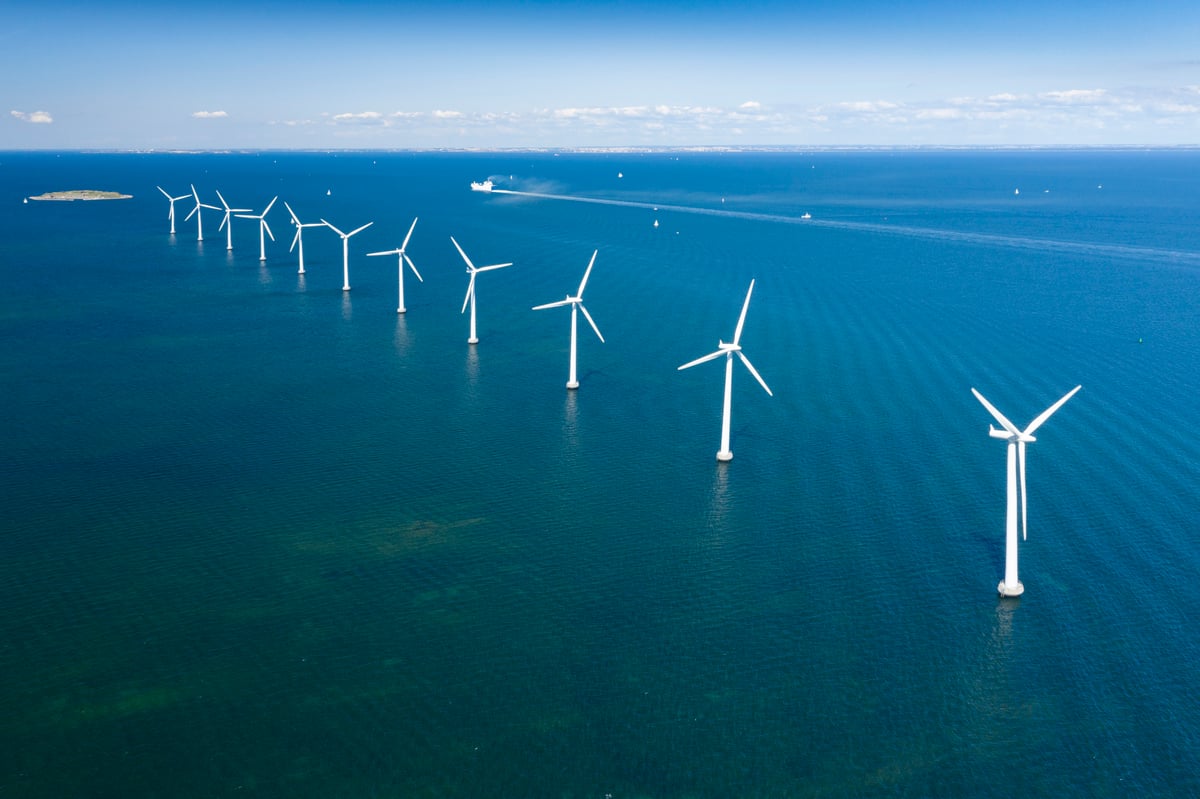
Dominion Energy Launches Coastal Virginia Offshore Wind Project

- Project Launch: Dominion Energy has officially activated the first commercial turbine in its Coastal Virginia Offshore Wind project, the largest offshore wind initiative in the U.S., with plans to gradually bring additional turbines online by 2027, ultimately generating approximately 2.6 gigawatts of power sufficient for 660,000 homes.
- Massive Investment Plan: The total cost of the wind project is estimated at $11.5 billion, but this is only a fraction of Dominion's upcoming $64.7 billion spending plan, with $54.8 billion earmarked to support the power needs of hundreds of data centers in Virginia, highlighting the company's ambitious infrastructure development strategy.
- Data Center Demand: Virginia has become a hub for data centers due to its proximity to deep-sea data cables, with Dominion already serving over 450 data centers across 50 companies, and contracted data center capacity soaring to 48.5 gigawatts by the end of 2025, indicating strong power demand.
- Long-Term Growth Potential: While the company is incurring debt and has not raised its dividend, management projects annual earnings growth of 5% to 7% through 2030, translating to annualized total returns of 9% to 11% for long-term investors, although the current stock valuation appears slightly high, suggesting investors should be patient for a better entry point.
See More
Dominion Energy's Coastal Wind Project Achieves First Power Generation
- Project Progress: Dominion Energy's Coastal Virginia Offshore Wind project has surpassed 70% completion, with the first turbine successfully generating power and connecting to the grid, marking a significant step towards full operational capacity.
- Scale and Potential: The project plans to install 176 wind turbines, expected to provide 2,600 MW of power, enough to supply energy to over 600,000 homes, positioning it as the largest offshore wind project in the U.S.
- Cost Increase: Project costs have escalated from the initial $9.8 billion to approximately $11.5 billion, partly due to tariffs and a stop-work order issued by the Trump administration, highlighting the impact of policy changes on project economics.
- Legal Challenges: Following a federal judge's preliminary injunction granted on January 16, construction was allowed to resume, preventing potential irreparable harm from delays, underscoring the importance of the legal environment for renewable energy projects.
See More
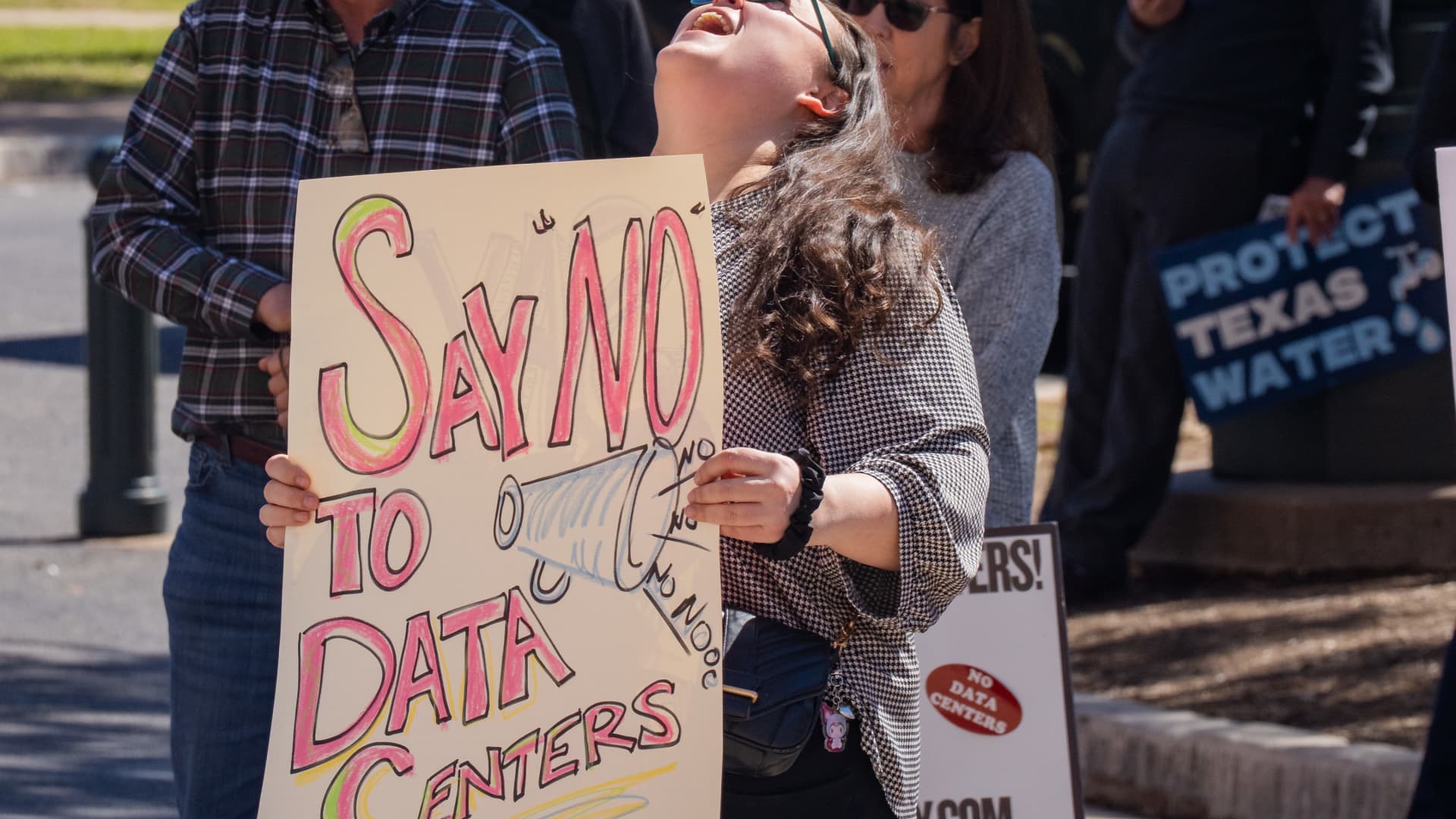
Data Center Expansion Sparks Electricity Pricing Controversy


- Rising Electricity Prices: Since 2020, residential electricity prices in the U.S. have surged over 36%, from 12.76 cents per kilowatt-hour to 17.44 cents in February 2026, with projections indicating a rise to 19.01 cents by September 2027, raising public concerns about the impact of data centers.
- Market Mechanism Impact: A report from SemiAnalysis highlights that soaring electricity prices in the PJM region are largely due to the Base Residual Auction mechanism, which requires consumers to pay for expected electricity costs two years in advance, significantly increasing prices during peak demand periods and affecting household bills.
- Tech Companies' Commitments: Major tech firms like Microsoft and Anthropic have pledged to cover additional electricity costs from their data center projects and invest in community initiatives, which may help alleviate public concerns and garner community support for their operations.
- Renewable Energy Demand: As demand for data centers grows, so does the global need for renewable energy, and while current U.S. commitments to renewable energy face skepticism, analysts believe fulfilling these pledges could positively impact corporate reputations.
See More

xAI Secures Approval for Power Plant in Mississippi


- Power Plant Approval: xAI's subsidiary MZX Tech LLC received authorization to build a power plant with 41 natural gas turbines in Southaven, Mississippi, aimed at supplying power to nearby data centers, a decision that has sparked significant local opposition due to environmental pollution concerns.
- Community Protests: Despite attempts by the NAACP and other civil rights organizations to delay the meeting to avoid conflicts with primary elections, the MDEQ proceeded with the vote on election day, leading to community dissatisfaction over the decision-making process and perceived neglect of local voices and environmental impacts.
- Legal Challenges Ahead: The NAACP and Southern Environmental Law Center plan to sue xAI for operating natural gas turbines without federal permits, alleging that the company understated emissions in its application, which could pose health risks to the community.
- Rising Energy Demands: As xAI plans to construct a new data center in Southaven, the anticipated increase in energy demand raises concerns about local environmental quality and residents' quality of life, particularly regarding noise and air pollution issues.
See More

Musk Plans Natural Gas Power Plant in Southaven


- Environmental Controversy: The Mississippi Department of Environmental Quality is set to hold a meeting on Election Day 2026 to decide on key permits for Musk's xAI to build a natural gas power plant in Southaven, which has sparked strong opposition from the NAACP and other civil rights and environmental groups, arguing that the timing conflicts with residents' voting rights.
- Community Opposition: The NAACP has submitted a letter to the environmental agency requesting the meeting be postponed and moved closer to the facility to allow affected residents to participate, highlighting the community's strong discontent with xAI's plans and concerns over air quality and health issues.
- Post-Merger Investment Plans: Following its merger with SpaceX, xAI's valuation reached $1.25 trillion, with plans to invest in a power plant and large data center in Southaven, demonstrating the company's ambition in the rapidly growing generative AI market, but also raising environmental impact concerns.
- Increased Legal Risks: The NAACP has filed a notice of intent to sue xAI for alleged Clean Air Act violations, pointing out that the company has been operating multiple
See More
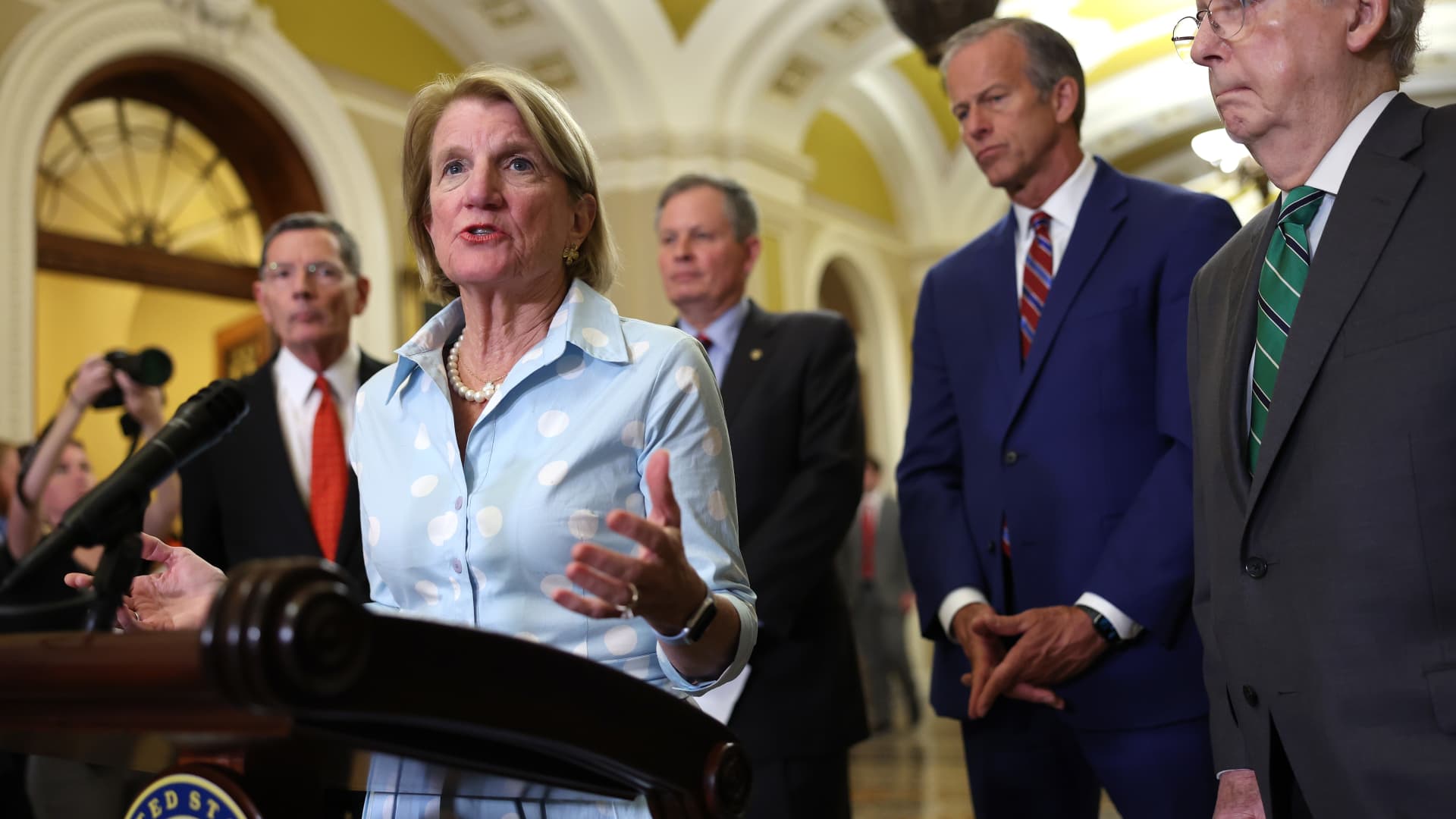
U.S. Congress Revives Energy Permitting Reform Discussions

- Bipartisan Cooperation Resumes: Senate Environment and Public Works Committee Chair Shelley Moore Capito and ranking Democrat Sheldon Whitehouse are meeting again to discuss energy permitting reform, indicating a willingness for bipartisan collaboration on energy infrastructure development.
- Frequent Negotiations: Sources indicate that both parties will be communicating frequently this week, although no specific meeting times have been set, suggesting that the reform process is gaining momentum with committee staff actively negotiating.
- Increased Political Pressure: With energy prices soaring, lawmakers are under significant political pressure to reach a permitting reform agreement this year to lower energy costs and meet the rising demand for energy, particularly from power-hungry data centers.
- Complex Legislative Background: Despite the House passing the SPEED Act last year to streamline permitting, negotiations in the Senate are ongoing, and any final agreement may involve changes to longstanding environmental laws to expedite approvals for both renewable and traditional energy projects.
See More
Dominion Energy Launches Coastal Virginia Offshore Wind Project
- Project Launch: Dominion Energy has officially activated the first commercial turbine in its Coastal Virginia Offshore Wind project, the largest offshore wind initiative in the U.S., with plans to gradually bring additional turbines online by 2027, ultimately generating approximately 2.6 gigawatts of power sufficient for 660,000 homes.
- Massive Investment Plan: The total cost of the wind project is estimated at $11.5 billion, but this is only a fraction of Dominion's upcoming $64.7 billion spending plan, with $54.8 billion earmarked to support the power needs of hundreds of data centers in Virginia, highlighting the company's ambitious infrastructure development strategy.
- Data Center Demand: Virginia has become a hub for data centers due to its proximity to deep-sea data cables, with Dominion already serving over 450 data centers across 50 companies, and contracted data center capacity soaring to 48.5 gigawatts by the end of 2025, indicating strong power demand.
- Long-Term Growth Potential: While the company is incurring debt and has not raised its dividend, management projects annual earnings growth of 5% to 7% through 2030, translating to annualized total returns of 9% to 11% for long-term investors, although the current stock valuation appears slightly high, suggesting investors should be patient for a better entry point.
See More
Dominion Energy's Coastal Wind Project Achieves First Power Generation
- Project Progress: Dominion Energy's Coastal Virginia Offshore Wind project has surpassed 70% completion, with the first turbine successfully generating power and connecting to the grid, marking a significant step towards full operational capacity.
- Scale and Potential: The project plans to install 176 wind turbines, expected to provide 2,600 MW of power, enough to supply energy to over 600,000 homes, positioning it as the largest offshore wind project in the U.S.
- Cost Increase: Project costs have escalated from the initial $9.8 billion to approximately $11.5 billion, partly due to tariffs and a stop-work order issued by the Trump administration, highlighting the impact of policy changes on project economics.
- Legal Challenges: Following a federal judge's preliminary injunction granted on January 16, construction was allowed to resume, preventing potential irreparable harm from delays, underscoring the importance of the legal environment for renewable energy projects.
See More
Data Center Expansion Sparks Electricity Pricing Controversy
- Rising Electricity Prices: Since 2020, residential electricity prices in the U.S. have surged over 36%, from 12.76 cents per kilowatt-hour to 17.44 cents in February 2026, with projections indicating a rise to 19.01 cents by September 2027, raising public concerns about the impact of data centers.
- Market Mechanism Impact: A report from SemiAnalysis highlights that soaring electricity prices in the PJM region are largely due to the Base Residual Auction mechanism, which requires consumers to pay for expected electricity costs two years in advance, significantly increasing prices during peak demand periods and affecting household bills.
- Tech Companies' Commitments: Major tech firms like Microsoft and Anthropic have pledged to cover additional electricity costs from their data center projects and invest in community initiatives, which may help alleviate public concerns and garner community support for their operations.
- Renewable Energy Demand: As demand for data centers grows, so does the global need for renewable energy, and while current U.S. commitments to renewable energy face skepticism, analysts believe fulfilling these pledges could positively impact corporate reputations.
See More
xAI Secures Approval for Power Plant in Mississippi
- Power Plant Approval: xAI's subsidiary MZX Tech LLC received authorization to build a power plant with 41 natural gas turbines in Southaven, Mississippi, aimed at supplying power to nearby data centers, a decision that has sparked significant local opposition due to environmental pollution concerns.
- Community Protests: Despite attempts by the NAACP and other civil rights organizations to delay the meeting to avoid conflicts with primary elections, the MDEQ proceeded with the vote on election day, leading to community dissatisfaction over the decision-making process and perceived neglect of local voices and environmental impacts.
- Legal Challenges Ahead: The NAACP and Southern Environmental Law Center plan to sue xAI for operating natural gas turbines without federal permits, alleging that the company understated emissions in its application, which could pose health risks to the community.
- Rising Energy Demands: As xAI plans to construct a new data center in Southaven, the anticipated increase in energy demand raises concerns about local environmental quality and residents' quality of life, particularly regarding noise and air pollution issues.
See More
Musk Plans Natural Gas Power Plant in Southaven
- Environmental Controversy: The Mississippi Department of Environmental Quality is set to hold a meeting on Election Day 2026 to decide on key permits for Musk's xAI to build a natural gas power plant in Southaven, which has sparked strong opposition from the NAACP and other civil rights and environmental groups, arguing that the timing conflicts with residents' voting rights.
- Community Opposition: The NAACP has submitted a letter to the environmental agency requesting the meeting be postponed and moved closer to the facility to allow affected residents to participate, highlighting the community's strong discontent with xAI's plans and concerns over air quality and health issues.
- Post-Merger Investment Plans: Following its merger with SpaceX, xAI's valuation reached $1.25 trillion, with plans to invest in a power plant and large data center in Southaven, demonstrating the company's ambition in the rapidly growing generative AI market, but also raising environmental impact concerns.
- Increased Legal Risks: The NAACP has filed a notice of intent to sue xAI for alleged Clean Air Act violations, pointing out that the company has been operating multiple
See More
U.S. Congress Revives Energy Permitting Reform Discussions
- Bipartisan Cooperation Resumes: Senate Environment and Public Works Committee Chair Shelley Moore Capito and ranking Democrat Sheldon Whitehouse are meeting again to discuss energy permitting reform, indicating a willingness for bipartisan collaboration on energy infrastructure development.
- Frequent Negotiations: Sources indicate that both parties will be communicating frequently this week, although no specific meeting times have been set, suggesting that the reform process is gaining momentum with committee staff actively negotiating.
- Increased Political Pressure: With energy prices soaring, lawmakers are under significant political pressure to reach a permitting reform agreement this year to lower energy costs and meet the rising demand for energy, particularly from power-hungry data centers.
- Complex Legislative Background: Despite the House passing the SPEED Act last year to streamline permitting, negotiations in the Senate are ongoing, and any final agreement may involve changes to longstanding environmental laws to expedite approvals for both renewable and traditional energy projects.
See More