Eli Lilly's Strategic Moves to Address Patent Cliff Risks
- GLP-1 Market Performance: Eli Lilly, as the leading manufacturer of GLP-1 drugs, has seen a 225% stock price increase over the past three years, yet its price-to-earnings ratio has soared to 49, with a meager 0.6% dividend yield, indicating market over-optimism regarding short-term performance.
- Sales Growth and Dependency: In 2025, sales of Mounjaro and Zepbound surged by 99% and 175% respectively, but these two drugs accounted for 56% of the company's sales, creating a heavy reliance on their continued success for future revenue.
- Patent Risks and Market Challenges: The limited patent protection period for new drugs poses a significant risk, as generic alternatives will enter the market post-patent expiration, leading to a sharp decline in sales, thus Eli Lilly faces the looming threat of a patent cliff.
- Strategic Investments and Acquisitions: To mitigate the patent cliff risk associated with GLP-1 drugs, Eli Lilly is leveraging its GLP-1 revenue to invest in new opportunities, partnering with Seamless Therapeutics for gene editing technology and acquiring Ventyx Biosciences for oral inflammation treatments, reflecting its strategic intent for diversified investments.
Trade with 70% Backtested Accuracy
Analyst Views on LLY

About LLY
About the author


ELI LILLY - TALTZ AND ZEPBOUND ACHIEVE PRIMARY AND ALL IMPORTANT SECONDARY ENDPOINTS SHOWING STATISTICAL SUPERIORITY OVER TALTZ MONOTHERAPY AT 36 WEEKS
- Primary and Secondary Endpoints: The study focuses on the primary and all key secondary endpoints for statistical superiority related to Total Tz Monotherapy at 36 weeks.
- Statistical Superiority: The aim is to demonstrate that Total Tz Monotherapy is statistically superior in its effects compared to other treatments.

Phase 3B Data Revealed at AAD Annual Meeting Demonstrates Enhanced Efficacy of Lilly's Taltz (Ixekizumab) Combined with Zepbound (Tirzepatide) for Adults with Psoriatic Arthritis and Obesity
New Data Presentation: Phase 3 data for the drugs IxeKizumab (brand name: Taltz) and Tirzepatide (brand name: Zepbound) was presented at an annual meeting.
Efficacy Results: The data demonstrated superior efficacy for adults suffering from psoriatic arthritis and obesity.
Eli Lilly Expands AI Drug Development Strategy with $2.75 Billion Insilico Agreement
- Strategic Partnership: Eli Lilly's agreement with Insilico Medicine, potentially worth up to $2.75 billion, grants Lilly exclusive rights to develop and sell any therapies resulting from the collaboration, underscoring its strong commitment to AI in drug development.
- Upfront Payments and Future Earnings: The pact includes upfront payments along with milestone payments and royalties based on future outcomes, reflecting Lilly's proactive stance in investing in new technologies to expedite drug development.
- Market Timing: With Lilly's obesity portfolio generating significant revenue, this partnership will further enhance its investments in AI, helping the company maintain a competitive edge in the fast-evolving pharmaceutical market.
- Accelerating Early Discoveries: This transaction illustrates how major pharmaceutical companies are rapidly and efficiently accelerating early-stage drug discoveries, with investors closely monitoring Lilly's AI initiatives to assess their long-term attractiveness and market potential.
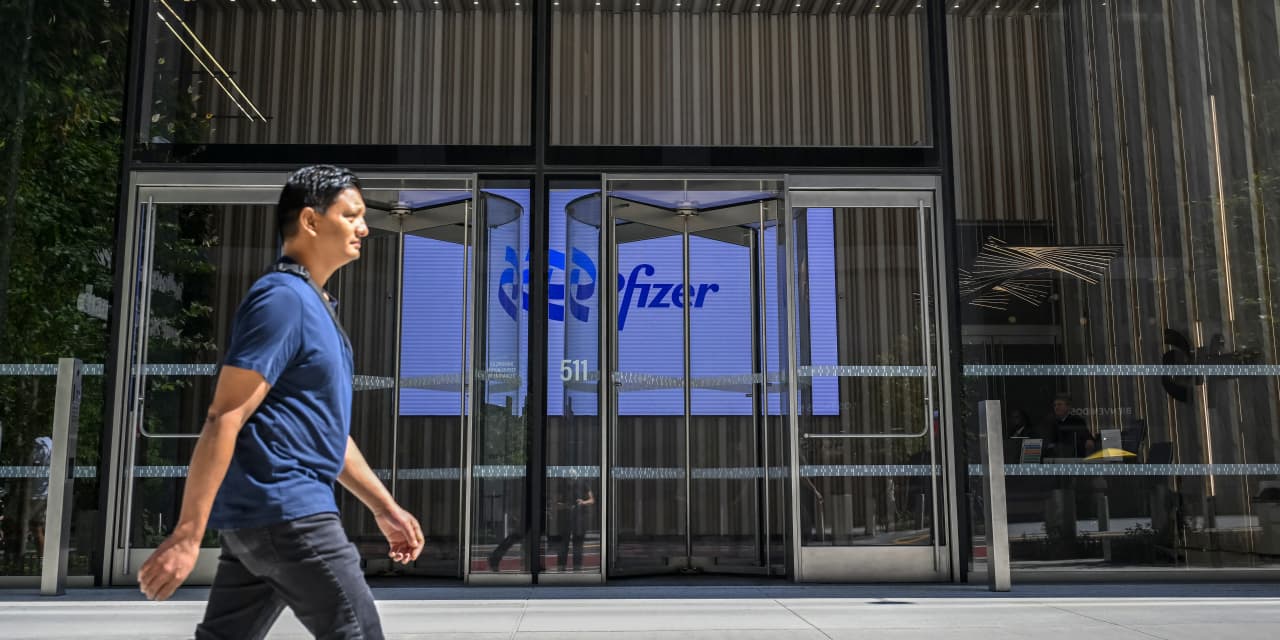
Pharma Stocks Pfizer and GSK Provide Safe Investment Options Amid Market Uncertainty: Charts

Pharmaceutical Stocks in Focus: Investors are increasingly interested in pharmaceutical stocks as a stable investment option amid market uncertainty.
Market Volatility Impact: The sector is gaining attention due to its steady demand and resilient earnings, which are less affected by economic fluctuations.

Surging Oil Prices Impact Market Sentiment

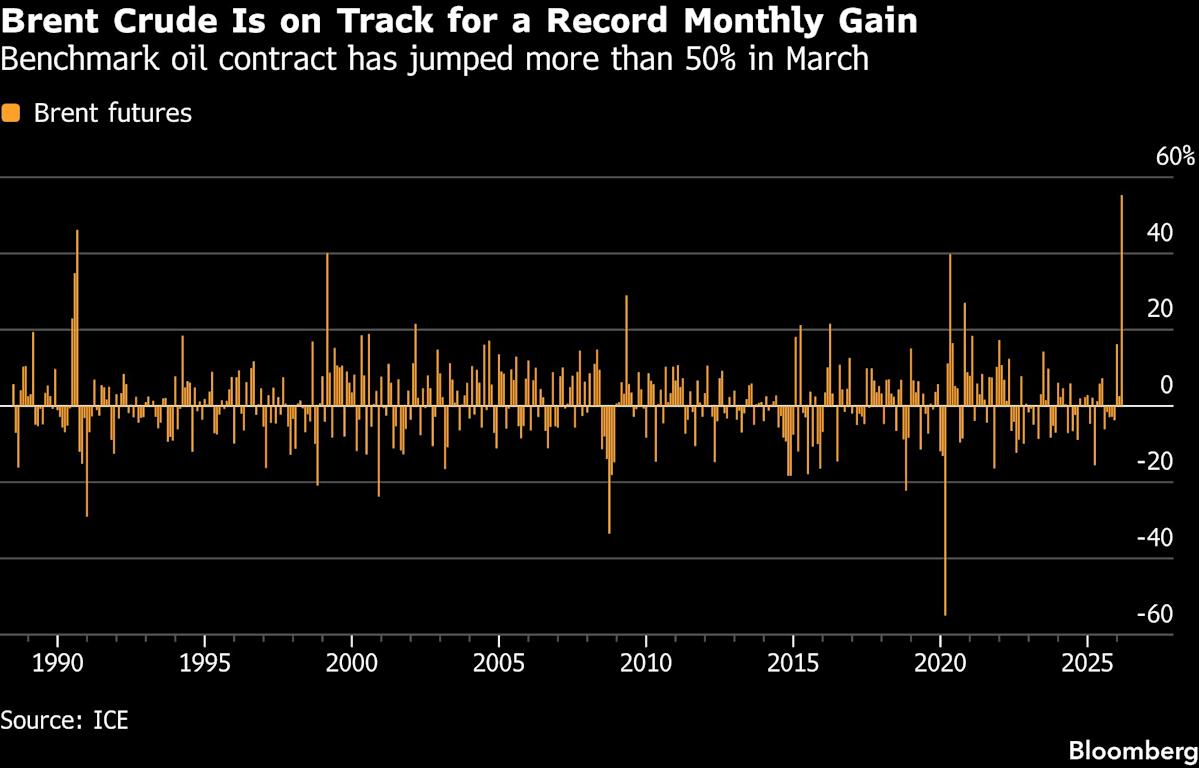
- Oil Price Volatility: Crude oil prices surged 55% in March following Trump's threat to 'take the oil in Iran,' marking the largest monthly gain ever, which has heightened concerns about the potential impact on the U.S. economy and market sentiment.
- Government Shutdown Impact: Trump signed an executive order to ensure TSA employees are paid after Congress failed to reach a deal, which may lead to longer security wait times and higher airfare for travelers, further affecting consumer confidence.
- Tech Industry Legal Risks: Meta's two courtroom defeats reveal the legal liabilities tech companies face when researching product impacts, which could have significant implications for the AI industry, prompting firms to reassess the risks versus rewards of such research investments.
- Pharmaceutical Collaboration: Eli Lilly's $2.75 billion deal with Insilico Medicine aims to bring AI-developed drugs to the global market, which not only boosted Lilly's stock price but also highlights the rapidly growing potential of AI applications in the pharmaceutical sector.
Eli Lilly's AI Investment: Implications for Its Stock Performance.

Eli Lilly's AI Integration: Eli Lilly is positioning itself as a leader in the healthcare industry's integration of artificial intelligence, indicating it has been proactive in this area.
Industry Response: The healthcare sector is currently working to adopt AI technologies, highlighting a broader trend towards innovation in medical practices.
ELI LILLY - TALTZ AND ZEPBOUND ACHIEVE PRIMARY AND ALL IMPORTANT SECONDARY ENDPOINTS SHOWING STATISTICAL SUPERIORITY OVER TALTZ MONOTHERAPY AT 36 WEEKS
- Primary and Secondary Endpoints: The study focuses on the primary and all key secondary endpoints for statistical superiority related to Total Tz Monotherapy at 36 weeks.
- Statistical Superiority: The aim is to demonstrate that Total Tz Monotherapy is statistically superior in its effects compared to other treatments.
Phase 3B Data Revealed at AAD Annual Meeting Demonstrates Enhanced Efficacy of Lilly's Taltz (Ixekizumab) Combined with Zepbound (Tirzepatide) for Adults with Psoriatic Arthritis and Obesity
New Data Presentation: Phase 3 data for the drugs IxeKizumab (brand name: Taltz) and Tirzepatide (brand name: Zepbound) was presented at an annual meeting.
Efficacy Results: The data demonstrated superior efficacy for adults suffering from psoriatic arthritis and obesity.
Eli Lilly Expands AI Drug Development Strategy with $2.75 Billion Insilico Agreement
- Strategic Partnership: Eli Lilly's agreement with Insilico Medicine, potentially worth up to $2.75 billion, grants Lilly exclusive rights to develop and sell any therapies resulting from the collaboration, underscoring its strong commitment to AI in drug development.
- Upfront Payments and Future Earnings: The pact includes upfront payments along with milestone payments and royalties based on future outcomes, reflecting Lilly's proactive stance in investing in new technologies to expedite drug development.
- Market Timing: With Lilly's obesity portfolio generating significant revenue, this partnership will further enhance its investments in AI, helping the company maintain a competitive edge in the fast-evolving pharmaceutical market.
- Accelerating Early Discoveries: This transaction illustrates how major pharmaceutical companies are rapidly and efficiently accelerating early-stage drug discoveries, with investors closely monitoring Lilly's AI initiatives to assess their long-term attractiveness and market potential.
Pharma Stocks Pfizer and GSK Provide Safe Investment Options Amid Market Uncertainty: Charts
Pharmaceutical Stocks in Focus: Investors are increasingly interested in pharmaceutical stocks as a stable investment option amid market uncertainty.
Market Volatility Impact: The sector is gaining attention due to its steady demand and resilient earnings, which are less affected by economic fluctuations.
Surging Oil Prices Impact Market Sentiment
- Oil Price Volatility: Crude oil prices surged 55% in March following Trump's threat to 'take the oil in Iran,' marking the largest monthly gain ever, which has heightened concerns about the potential impact on the U.S. economy and market sentiment.
- Government Shutdown Impact: Trump signed an executive order to ensure TSA employees are paid after Congress failed to reach a deal, which may lead to longer security wait times and higher airfare for travelers, further affecting consumer confidence.
- Tech Industry Legal Risks: Meta's two courtroom defeats reveal the legal liabilities tech companies face when researching product impacts, which could have significant implications for the AI industry, prompting firms to reassess the risks versus rewards of such research investments.
- Pharmaceutical Collaboration: Eli Lilly's $2.75 billion deal with Insilico Medicine aims to bring AI-developed drugs to the global market, which not only boosted Lilly's stock price but also highlights the rapidly growing potential of AI applications in the pharmaceutical sector.
Eli Lilly's AI Investment: Implications for Its Stock Performance.
Eli Lilly's AI Integration: Eli Lilly is positioning itself as a leader in the healthcare industry's integration of artificial intelligence, indicating it has been proactive in this area.
Industry Response: The healthcare sector is currently working to adopt AI technologies, highlighting a broader trend towards innovation in medical practices.