Eli Lilly Launches New Program to Enhance Obesity Drug Coverage
- Program Launch: Eli Lilly has introduced the 'Employer Connect' platform aimed at helping more employers cover obesity drugs, addressing a major barrier to patient access and expected to enhance employee drug accessibility.
- Price Transparency: Through this platform, employers can purchase a multi-dose form of Zepbound at a net discounted price of $449 per month, avoiding traditional rebate models, thereby providing clearer visibility on drug pricing for employers.
- Flexible Benefits Design: Employers can choose from 15 different third-party administrators to design benefits tailored to their budget and workforce needs, offering comprehensive obesity management services including telehealth, nutrition, and lifestyle support.
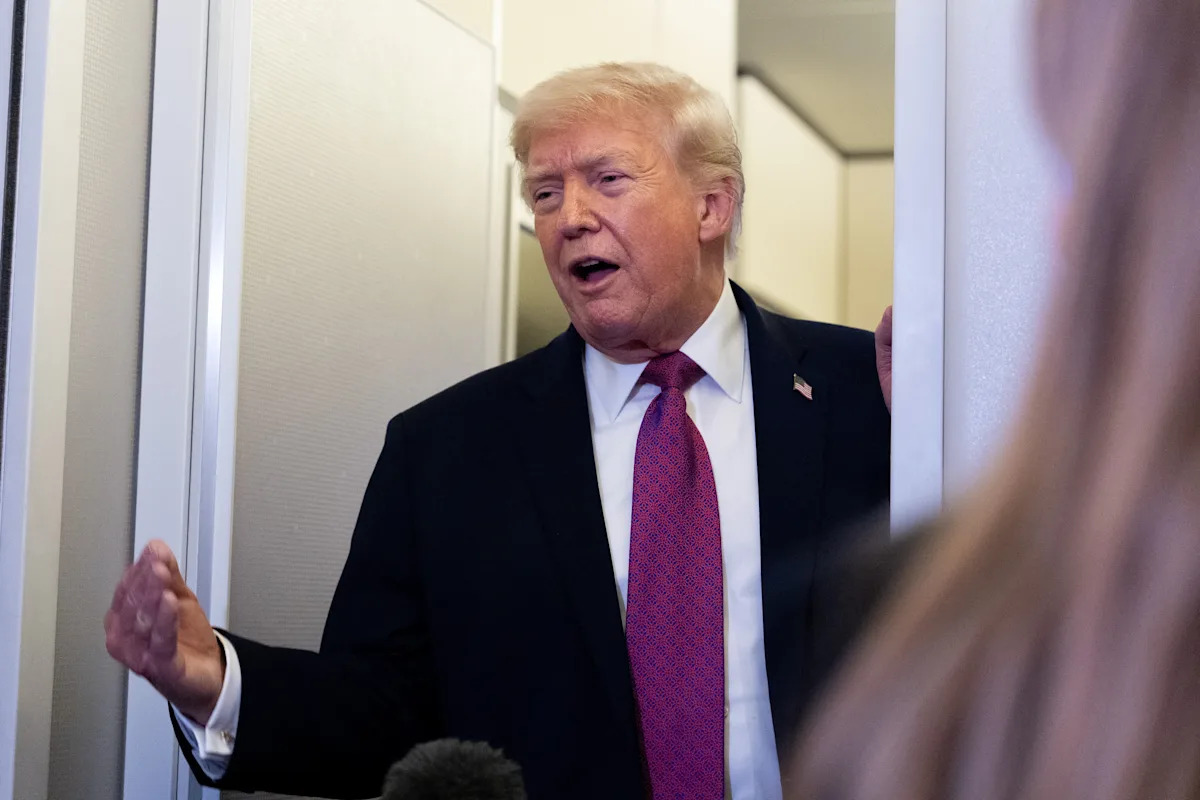
- Government Insurance Coverage: Under landmark deals with President Trump, Medicare will cover obesity drugs for the first time, which is expected to further expand drug accessibility and benefit more patients.
Trade with 70% Backtested Accuracy
Analyst Views on LLY

About LLY
About the author


Eli Lilly's GLP-1 Drug Sales Surge Remarkably

- Significant Sales Growth: Eli Lilly's Mounjaro and Zepbound GLP-1 drugs saw sales increases of 99% and 175% in 2025, respectively, showcasing the company's strong performance in the rapidly growing weight-loss drug market and further solidifying its market leadership.
- Outstanding Stock Performance: Over the past decade, Eli Lilly's stock has surged more than 1,100%, significantly outperforming the S&P 500's 230% increase, reflecting strong investor confidence in its future growth, although its current P/E ratio of 39x remains above the industry average.
- Intensifying Competitive Risks: Despite Eli Lilly's leading position in the GLP-1 space, competitors like Novo Nordisk and Pfizer are actively launching new products, which could erode Eli Lilly's market share, especially as patents expire and generics emerge, potentially impacting revenues significantly.
- Strategic Acquisition Moves: To address future competition and risks, Eli Lilly is leveraging the windfall from its GLP-1 success to pursue strategic acquisitions, which may help diversify its product pipeline, but the uncertainty surrounding the success of these new drugs could affect the company's long-term growth potential.

ELI LILLY: DEAL ANTICIPATED TO FINALIZE IN LATE 2026
- Transaction Closure: A transaction is expected to close in the second half of 2026.
- Future Outlook: The timeline indicates a significant event or change anticipated in the near future.
ELI LILLY TO ACQUIRE KELONIA; SHAREHOLDERS TO RECEIVE UP TO $7 BILLION IN CASH UNDER AGREEMENT TERMS
- Acquisition Announcement: Lilly will acquire Kelonia under the terms of an agreement.
- Financial Details: Kelonia shareholders are set to receive up to $7.00 billion in cash.
LILLY SET TO PURCHASE KELONIA THERAPEUTICS TO FURTHER DEVELOP IN VIVO CAR-T CELL THERAPIES
Acquisition Announcement: LILLY has announced its acquisition of KELONIA, a company specializing in advanced therapeutic solutions.
Focus on In Vivo CAR-T Cell Therapies: The acquisition aims to enhance LILLY's capabilities in developing in vivo CAR-T cell therapies, which are innovative treatments for various diseases.
ELI LILLY IN FINAL DISCUSSIONS TO PURCHASE KELONIA THERAPEUTICS FOR OVER $2 BILLION - WSJ
- Eli Lilly's Acquisition Talks: Eli Lilly is engaged in advanced discussions to acquire Kelonia Therapeutics.
- Financial Implications: The potential acquisition is valued at over $2 billion.

ELI LILLY CLOSES IN ON AGREEMENT WITH CANCER BIOTECH FIRM - WSJ
Eli Lilly's Cancer Deal: Eli Lilly has reached a significant agreement in the cancer biotechnology sector, indicating a strategic move to enhance its portfolio in oncology treatments.
Impact on Biotechnology: This deal is expected to influence the biotechnology landscape, potentially leading to advancements in cancer therapies and improved patient outcomes.
Market Reactions: The announcement has garnered attention from investors and analysts, reflecting optimism about Eli Lilly's future growth and innovation in cancer treatment.
Future Developments: Further details on the specifics of the deal and its implications for Eli Lilly's research and development efforts are anticipated in upcoming reports.
Eli Lilly's GLP-1 Drug Sales Surge Remarkably
- Significant Sales Growth: Eli Lilly's Mounjaro and Zepbound GLP-1 drugs saw sales increases of 99% and 175% in 2025, respectively, showcasing the company's strong performance in the rapidly growing weight-loss drug market and further solidifying its market leadership.
- Outstanding Stock Performance: Over the past decade, Eli Lilly's stock has surged more than 1,100%, significantly outperforming the S&P 500's 230% increase, reflecting strong investor confidence in its future growth, although its current P/E ratio of 39x remains above the industry average.
- Intensifying Competitive Risks: Despite Eli Lilly's leading position in the GLP-1 space, competitors like Novo Nordisk and Pfizer are actively launching new products, which could erode Eli Lilly's market share, especially as patents expire and generics emerge, potentially impacting revenues significantly.
- Strategic Acquisition Moves: To address future competition and risks, Eli Lilly is leveraging the windfall from its GLP-1 success to pursue strategic acquisitions, which may help diversify its product pipeline, but the uncertainty surrounding the success of these new drugs could affect the company's long-term growth potential.
ELI LILLY: DEAL ANTICIPATED TO FINALIZE IN LATE 2026
- Transaction Closure: A transaction is expected to close in the second half of 2026.
- Future Outlook: The timeline indicates a significant event or change anticipated in the near future.
ELI LILLY TO ACQUIRE KELONIA; SHAREHOLDERS TO RECEIVE UP TO $7 BILLION IN CASH UNDER AGREEMENT TERMS
- Acquisition Announcement: Lilly will acquire Kelonia under the terms of an agreement.
- Financial Details: Kelonia shareholders are set to receive up to $7.00 billion in cash.
LILLY SET TO PURCHASE KELONIA THERAPEUTICS TO FURTHER DEVELOP IN VIVO CAR-T CELL THERAPIES
Acquisition Announcement: LILLY has announced its acquisition of KELONIA, a company specializing in advanced therapeutic solutions.
Focus on In Vivo CAR-T Cell Therapies: The acquisition aims to enhance LILLY's capabilities in developing in vivo CAR-T cell therapies, which are innovative treatments for various diseases.
ELI LILLY IN FINAL DISCUSSIONS TO PURCHASE KELONIA THERAPEUTICS FOR OVER $2 BILLION - WSJ
- Eli Lilly's Acquisition Talks: Eli Lilly is engaged in advanced discussions to acquire Kelonia Therapeutics.
- Financial Implications: The potential acquisition is valued at over $2 billion.
ELI LILLY CLOSES IN ON AGREEMENT WITH CANCER BIOTECH FIRM - WSJ
Eli Lilly's Cancer Deal: Eli Lilly has reached a significant agreement in the cancer biotechnology sector, indicating a strategic move to enhance its portfolio in oncology treatments.
Impact on Biotechnology: This deal is expected to influence the biotechnology landscape, potentially leading to advancements in cancer therapies and improved patient outcomes.
Market Reactions: The announcement has garnered attention from investors and analysts, reflecting optimism about Eli Lilly's future growth and innovation in cancer treatment.
Future Developments: Further details on the specifics of the deal and its implications for Eli Lilly's research and development efforts are anticipated in upcoming reports.