

E.l.f. Beauty Faces Challenges in China: Tariffs and Elevated Valuations Endanger ETF Investments


E.l.f. Beauty Stock Decline: E.l.f. Beauty Inc's stock plummeted 29% on Wednesday and an additional 36% on Thursday, negatively impacting several consumer and retail ETFs that are exposed to similar high-multiple, tariff-sensitive companies.
Impact of Tariffs on Earnings: The company's net income dropped 84% due to new tariffs, leading to a decline in gross margins and prompting a price increase across its products, raising concerns about the broader vulnerability of consumer brands relying on global supply chains.
Valuation Concerns: Despite the significant selloff, E.l.f. still trades at around 70 times forward earnings, a valuation more suited for tech startups than a cosmetics company facing margin pressures, prompting analysts to cut price targets and ratings.
ETF Manager Caution: The situation serves as a reminder for ETF managers that high-growth stories can quickly become liabilities, urging investors to reassess their exposure to consumer goods and retail sectors, particularly those with premium valuations.
Trade with 70% Backtested Accuracy
Analyst Views on ELF

About ELF
About the author

E.l.f. Beauty Stock Soars 32% Amid Tariff Refunds and New Product Launch
- Stock Surge: E.l.f. Beauty's stock soared 32% in June, according to S&P Global Market Intelligence, primarily benefiting from substantial tariff refunds, demonstrating the company's resilience and adaptability in challenging market conditions.
- Significant Sales Growth: In the fourth quarter of fiscal 2026, E.l.f. reported a 35% year-over-year sales increase to $449 million, and despite facing a high tariff rate of 55%, the company managed to raise its gross margin by 1.3 percentage points to 73% through effective pricing strategies, indicating strong demand and pricing power.
- New Product Line Expansion: E.l.f. announced its entry into the hair care category with a six-product line, which received 96% positive sentiment during a pilot run on social media, with 65% of buyers being new to the brand, suggesting a growing appeal and potential for increased market share.
- Successful Strategic Acquisition: The acquisition of the luxury brand Rhode last year has provided E.l.f. with new growth opportunities, and despite facing challenges, its makeup and skincare lines have significantly improved in market share, reflecting its competitive advantage in the rapidly evolving beauty industry.
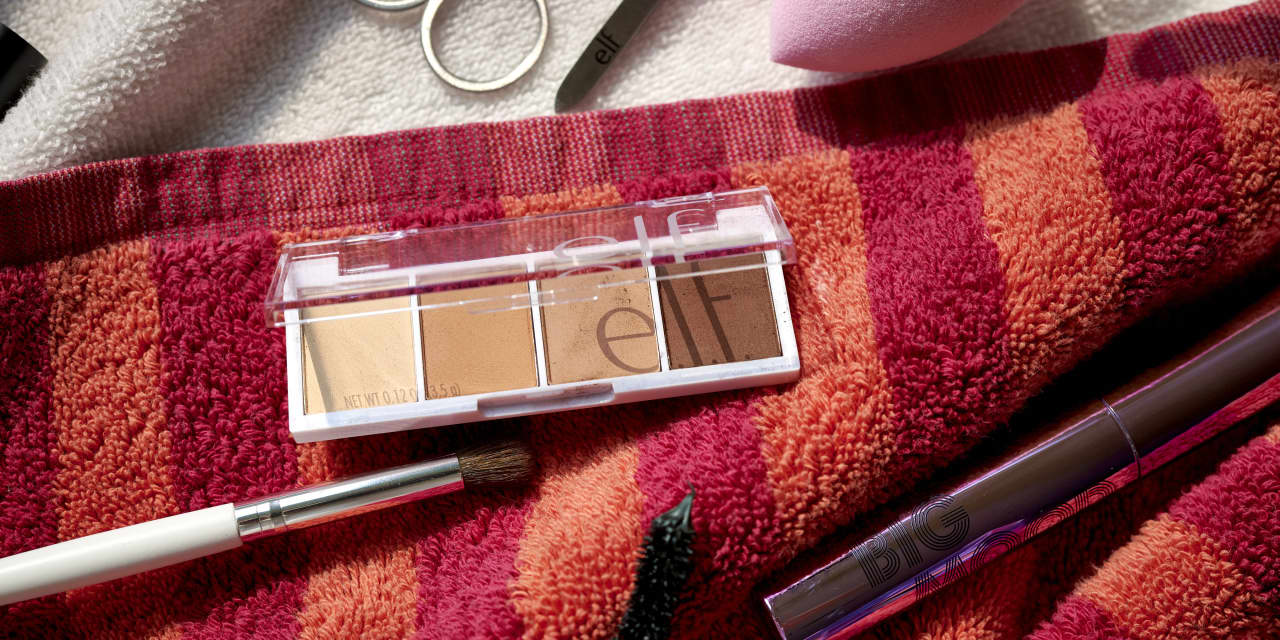
E.l.f. Beauty's Rapid Growth and Market Share Expansion
- Significant Sales Growth: In the fourth quarter of fiscal 2026, E.l.f. reported a 35% year-over-year sales increase to $449 million, demonstrating strong performance in the fast-moving consumer goods market despite high tariff pressures.
- New Product Line Launch: E.l.f. announced its entry into the hair care category with a six-product line, receiving 96% positive sentiment on social media, with 65% of buyers being new customers, which is expected to further expand its market share.
- Market Share Increase: Over the past seven years, E.l.f.'s makeup line gained 9.2 percentage points in market share, making it one of the fastest-growing brands, while its skincare products rose from 25th in 2021 to 11th in 2026, showcasing strong competitive positioning.
- Strategic Investment Returns: Despite a net loss due to the acquisition of luxury brand Rhode leading to a P/E ratio of 171, E.l.f. trades at a forward P/E of only 20, making it an attractive entry point for long-term investors who can expect substantial returns as the company continues to grow.
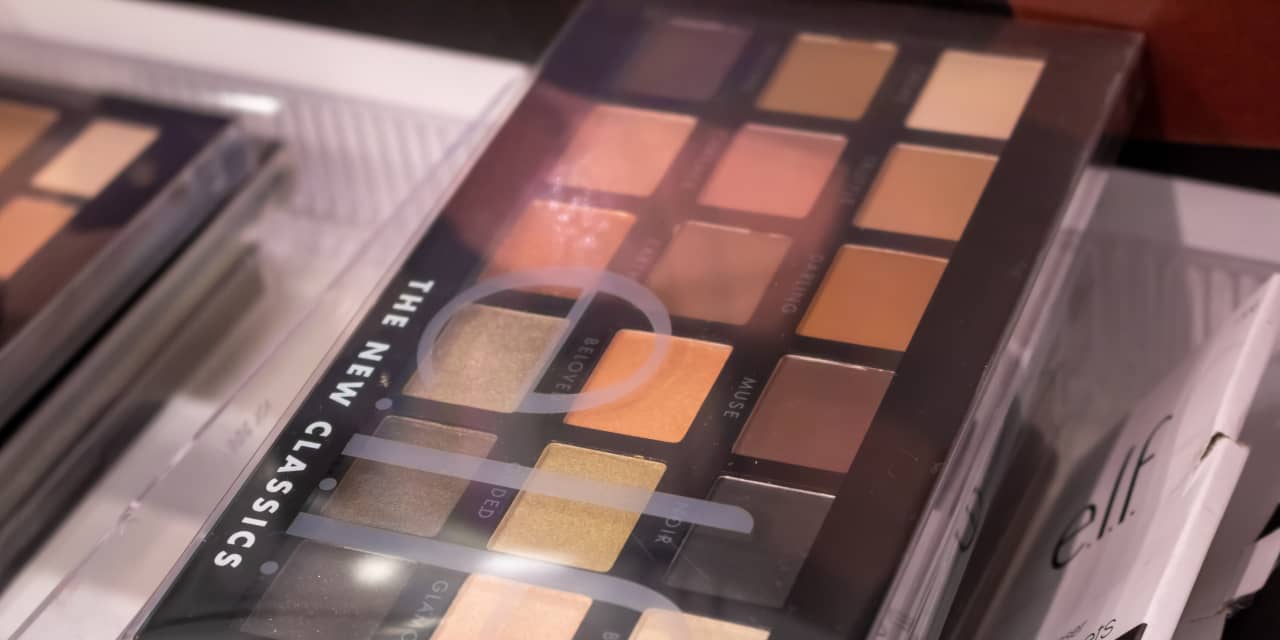
E.l.f. Beauty Stock Soars 32% in June Amid Growth Strategies

- Significant Sales Growth: E.l.f. Beauty reported a 35% year-over-year increase in sales for the fourth quarter of fiscal 2026, reaching $449 million, demonstrating strong market performance despite high tariff pressures.
- Tariff Refund Benefits: The company is working on securing a $58.5 million tariff refund, which is expected to alleviate the negative impact on its margins, thereby enhancing its financial health.
- New Product Line Expansion: E.l.f. announced its entry into the hair care category with a six-product line, receiving 96% positive sentiment on social media, with 65% of buyers being new customers, indicating strong market penetration potential.
- Market Share Increase: Over the past seven years, E.l.f.'s makeup line has gained 9.2 percentage points in dollar share rank, becoming a leading brand in the rapidly evolving beauty industry, showcasing its competitive strength.
Investigation into e.l.f. Beauty Shareholder Rights
- Shareholder Rights Investigation: Halper Sadeh LLC is investigating whether certain officers and directors of e.l.f. Beauty, Inc. breached their fiduciary duties, which could impact corporate governance and shareholder rights.
- Legal Fee Arrangement: The firm offers to handle matters on a contingent fee basis, ensuring shareholders do not incur out-of-pocket expenses while pursuing their rights, thereby encouraging broader participation.
- Importance of Shareholder Involvement: Shareholder participation can drive improvements in company policies, practices, and oversight mechanisms, enhancing transparency and management effectiveness, ultimately increasing shareholder value.
- Global Investor Representation: Halper Sadeh LLC represents investors worldwide, focusing on securities fraud and corporate misconduct, having successfully implemented corporate reforms and recovered millions for defrauded investors, showcasing its capability in protecting investor rights.
e.l.f. Beauty Shares Surge 5.9% Amid Growth Confidence
- Stock Performance: e.l.f. Beauty shares surged 5.9% in the last trading session to close at $74, with trading volume significantly exceeding normal levels, indicating strong market confidence in the company's long-term growth strategy.
- Market Share Growth: The company continues to gain market share through its expanding multi-brand portfolio, international expansion, and strong momentum at Rhode and Naturium, which are expected to drive future performance.
- Earnings Expectations: The upcoming quarterly earnings report is expected to show earnings of $0.73 per share, representing an 18% year-over-year decline, while revenues are projected at $424.55 million, a 20% increase from the previous year, indicating potential revenue growth.
- Earnings Estimate Revisions: Despite optimistic revenue expectations, the consensus EPS estimate has been revised down by 6.6% over the past 30 days, and such negative trends typically exert downward pressure on stock prices, prompting investors to closely monitor future developments.
e.l.f. Launches Global Soccer Fan Experience in New York
- Cultural Integration: e.l.f. Cosmetics enhances brand recognition among female sports fans during the 2026 NWSL Challenge Cup by aligning women's soccer with its brand image, as 65% of women's soccer fans are willing to support brands investing in women's sports, showcasing the success of its strategic approach.
- Community Engagement: By launching the Match Day Carpet and FanZone during the event, e.l.f. encourages fan interaction with players, strengthening emotional connections between the brand and consumers, further solidifying its leadership position in the women's soccer market.
- Cultural Event Expansion: At the House of GOAL event, e.l.f. merges its brand philosophy with global soccer culture, attracting fans from around the world and potentially increasing brand visibility and market share on a global scale.
- Future Development Plans: Through the Glow For Glory initiative, e.l.f. not only supports young girls in sports but also provides them with unique experiences with NWSL clubs, reflecting the brand's commitment to social responsibility and its forward-looking strategy in the market.
E.l.f. Beauty Stock Soars 32% Amid Tariff Refunds and New Product Launch
- Stock Surge: E.l.f. Beauty's stock soared 32% in June, according to S&P Global Market Intelligence, primarily benefiting from substantial tariff refunds, demonstrating the company's resilience and adaptability in challenging market conditions.
- Significant Sales Growth: In the fourth quarter of fiscal 2026, E.l.f. reported a 35% year-over-year sales increase to $449 million, and despite facing a high tariff rate of 55%, the company managed to raise its gross margin by 1.3 percentage points to 73% through effective pricing strategies, indicating strong demand and pricing power.
- New Product Line Expansion: E.l.f. announced its entry into the hair care category with a six-product line, which received 96% positive sentiment during a pilot run on social media, with 65% of buyers being new to the brand, suggesting a growing appeal and potential for increased market share.
- Successful Strategic Acquisition: The acquisition of the luxury brand Rhode last year has provided E.l.f. with new growth opportunities, and despite facing challenges, its makeup and skincare lines have significantly improved in market share, reflecting its competitive advantage in the rapidly evolving beauty industry.
E.l.f. Beauty's Rapid Growth and Market Share Expansion
- Significant Sales Growth: In the fourth quarter of fiscal 2026, E.l.f. reported a 35% year-over-year sales increase to $449 million, demonstrating strong performance in the fast-moving consumer goods market despite high tariff pressures.
- New Product Line Launch: E.l.f. announced its entry into the hair care category with a six-product line, receiving 96% positive sentiment on social media, with 65% of buyers being new customers, which is expected to further expand its market share.
- Market Share Increase: Over the past seven years, E.l.f.'s makeup line gained 9.2 percentage points in market share, making it one of the fastest-growing brands, while its skincare products rose from 25th in 2021 to 11th in 2026, showcasing strong competitive positioning.
- Strategic Investment Returns: Despite a net loss due to the acquisition of luxury brand Rhode leading to a P/E ratio of 171, E.l.f. trades at a forward P/E of only 20, making it an attractive entry point for long-term investors who can expect substantial returns as the company continues to grow.
E.l.f. Beauty Stock Soars 32% in June Amid Growth Strategies
- Significant Sales Growth: E.l.f. Beauty reported a 35% year-over-year increase in sales for the fourth quarter of fiscal 2026, reaching $449 million, demonstrating strong market performance despite high tariff pressures.
- Tariff Refund Benefits: The company is working on securing a $58.5 million tariff refund, which is expected to alleviate the negative impact on its margins, thereby enhancing its financial health.
- New Product Line Expansion: E.l.f. announced its entry into the hair care category with a six-product line, receiving 96% positive sentiment on social media, with 65% of buyers being new customers, indicating strong market penetration potential.
- Market Share Increase: Over the past seven years, E.l.f.'s makeup line has gained 9.2 percentage points in dollar share rank, becoming a leading brand in the rapidly evolving beauty industry, showcasing its competitive strength.
Investigation into e.l.f. Beauty Shareholder Rights
- Shareholder Rights Investigation: Halper Sadeh LLC is investigating whether certain officers and directors of e.l.f. Beauty, Inc. breached their fiduciary duties, which could impact corporate governance and shareholder rights.
- Legal Fee Arrangement: The firm offers to handle matters on a contingent fee basis, ensuring shareholders do not incur out-of-pocket expenses while pursuing their rights, thereby encouraging broader participation.
- Importance of Shareholder Involvement: Shareholder participation can drive improvements in company policies, practices, and oversight mechanisms, enhancing transparency and management effectiveness, ultimately increasing shareholder value.
- Global Investor Representation: Halper Sadeh LLC represents investors worldwide, focusing on securities fraud and corporate misconduct, having successfully implemented corporate reforms and recovered millions for defrauded investors, showcasing its capability in protecting investor rights.
e.l.f. Beauty Shares Surge 5.9% Amid Growth Confidence
- Stock Performance: e.l.f. Beauty shares surged 5.9% in the last trading session to close at $74, with trading volume significantly exceeding normal levels, indicating strong market confidence in the company's long-term growth strategy.
- Market Share Growth: The company continues to gain market share through its expanding multi-brand portfolio, international expansion, and strong momentum at Rhode and Naturium, which are expected to drive future performance.
- Earnings Expectations: The upcoming quarterly earnings report is expected to show earnings of $0.73 per share, representing an 18% year-over-year decline, while revenues are projected at $424.55 million, a 20% increase from the previous year, indicating potential revenue growth.
- Earnings Estimate Revisions: Despite optimistic revenue expectations, the consensus EPS estimate has been revised down by 6.6% over the past 30 days, and such negative trends typically exert downward pressure on stock prices, prompting investors to closely monitor future developments.
e.l.f. Launches Global Soccer Fan Experience in New York
- Cultural Integration: e.l.f. Cosmetics enhances brand recognition among female sports fans during the 2026 NWSL Challenge Cup by aligning women's soccer with its brand image, as 65% of women's soccer fans are willing to support brands investing in women's sports, showcasing the success of its strategic approach.
- Community Engagement: By launching the Match Day Carpet and FanZone during the event, e.l.f. encourages fan interaction with players, strengthening emotional connections between the brand and consumers, further solidifying its leadership position in the women's soccer market.
- Cultural Event Expansion: At the House of GOAL event, e.l.f. merges its brand philosophy with global soccer culture, attracting fans from around the world and potentially increasing brand visibility and market share on a global scale.
- Future Development Plans: Through the Glow For Glory initiative, e.l.f. not only supports young girls in sports but also provides them with unique experiences with NWSL clubs, reflecting the brand's commitment to social responsibility and its forward-looking strategy in the market.





