Dow Jones Index Hits Record Highs Over 50,000 Points
Written by Emily J. Thompson, Senior Investment Analyst
Updated: Feb 09 2026
0mins


Should l Buy AMD?
Source: Benzinga
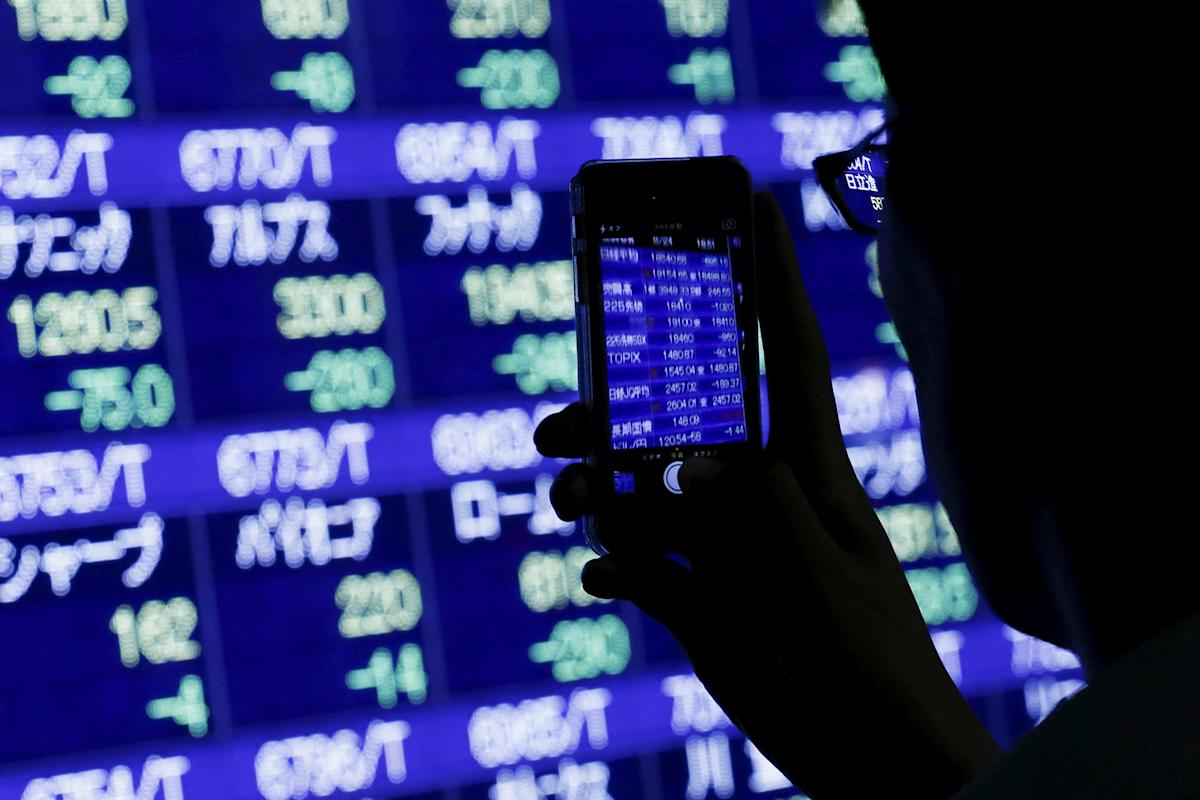
- Dow Jones Surge: On Friday, the Dow Jones index surged over 1,200 points during trading, closing at 50,115.67, marking a historic high that signifies a strong market recovery and may attract more investors.
- Strong Performance of S&P 500 and Nasdaq: The S&P 500 rose by 1.97% to close at 6,932.30, while the Nasdaq Composite jumped 2.18% to 23,031.21, indicating a robust rebound in tech and large-cap stocks, further boosting market confidence.
- Analyst Rating Discrepancies: Despite daily new stock picks from Wall Street analysts, the wide variance in analyst ratings and price targets leaves investors confused about which analyst opinions to trust, potentially impacting the effectiveness of investment decisions.
- Market Sentiment Recovery: The Dow's milestone of surpassing 50,000 points reflects optimistic expectations for economic recovery, which could lead to increased capital inflow into the stock market, thereby driving further overall market gains.
Trade with 70% Backtested Accuracy
Stop guessing "Should I Buy AMD?" and start using high-conviction signals backed by rigorous historical data.
Sign up today to access powerful investing tools and make smarter, data-driven decisions.
Analyst Views on AMD
Wall Street analysts forecast AMD stock price to fall
33 Analyst Rating
25 Buy
8 Hold
0 Sell
Strong Buy
Current: 408.460

Low
210.00
Averages
289.13
High
377.00
Current: 408.460
Low
210.00
Averages
289.13
High
377.00
About AMD
Advanced Micro Devices, Inc. is a global semiconductor company. The Company is focused on high-performance computing and artificial intelligence (AI). Its segments include Data Center, Client and Gaming, and Embedded. Data Center segment includes AI accelerators, microprocessors (CPUs) for servers, graphics processing units (GPUs), accelerated processing units (APUs), data processing units (DPUs), Field Programmable Gate Arrays (FPGAs), and Adaptive system-on-Chip (SoC) products for data centers. Client and Gaming segment includes CPUs, APUs, chipsets for desktops and notebooks, discrete GPUs, and semi-custom SoC products and development services. Embedded segment includes embedded CPUs, APUs, FPGAs, system on modules (SOMs), and Adaptive SoC products. It markets and sells its products under the AMD trademark. Its products include AMD EPYC, AMD Ryzen, AMD Ryzen PRO, Virtex UltraScale+, among others.
About the author

Emily J. Thompson
Emily J. Thompson, a Chartered Financial Analyst (CFA) with 12 years in investment research, graduated with honors from the Wharton School. Specializing in industrial and technology stocks, she provides in-depth analysis for Intellectia’s earnings and market brief reports.

AMD's Data Center Business Shows Significant Growth

- Data Center Growth: AMD's data center revenue reached $5.8 billion in Q1, marking a 57% year-over-year increase, indicating strong market demand, with expectations of accelerating growth at over 80% annually, potentially generating tens of billions in revenue.
- New Product Launch: AMD plans to release the MI450 series AI accelerators later this year, which are expected to deliver an unprecedented 36 times performance improvement within the integrated Helios data center architecture, further enhancing its competitive edge in the data center market.
- Customer Contracts: AMD has signed agreements with Meta and OpenAI to deploy 6 gigawatts of computing capacity over the next few years, reflecting the company's growing appeal among large clients and strengthening demand.
- Profitability Improvement: AMD's non-GAAP earnings per share reached $1.37 in Q1, a 43% year-over-year increase, and despite a P/E ratio of 92, nearly double that of Nvidia, there is still potential for upside in the next 18 months, attracting long-term investor interest.
See More

AMD's Data Center Business Sees Significant Growth
- Accelerating Revenue Growth: AMD reported $10.3 billion in revenue for Q1 2026, a 38% year-over-year increase, with the data center segment contributing $5.8 billion, reflecting a remarkable 57% growth that underscores the momentum in AI chip sales.
- New Product Launch: The upcoming MI450 series, set to launch by year-end, is expected to deliver 36 times the performance of its predecessor, integrated within the Helios data center architecture, potentially narrowing the gap with Nvidia in the market.
- Strong Customer Demand: AMD has secured agreements with Meta and OpenAI to deploy 6 gigawatts of computing capacity over the next few years, with CEO Lisa Su noting a continuous rise in inquiries from new customers, indicating robust demand for AI accelerators.
- Improved Profitability: AMD's non-GAAP earnings per share reached $1.37 in Q1, up 43% year-over-year, as the company benefits from strong pricing power amid data center GPU demand exceeding supply, enhancing its profit margins.
See More
Cathie Wood's Top AI and Data Center Picks Include AMD

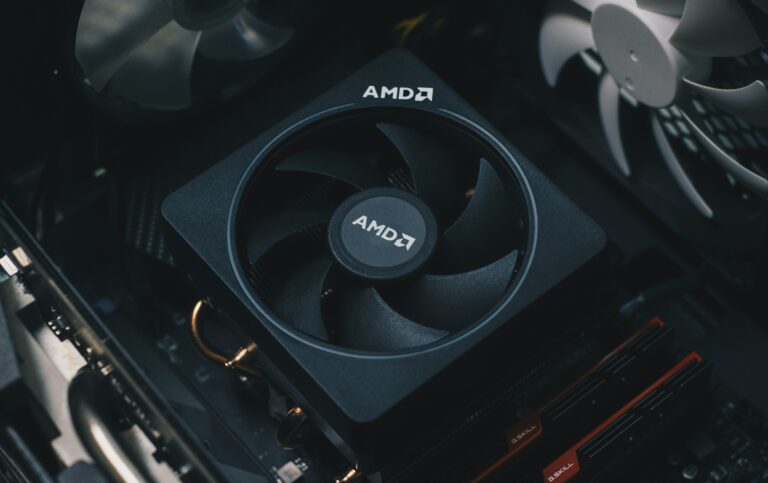
- Investment Scale: Cathie Wood's stake in AMD amounts to $551 million, reflecting strong confidence in its potential within AI infrastructure, as AMD can thrive as a robust second option alongside Nvidia without needing to surpass it.
- Product Integration: AMD is addressing the full AI infrastructure challenge by integrating GPUs, CPUs, and networking into cohesive systems, which allows customers to build comprehensive AI data center setups rather than just purchasing individual components.
- Market Outlook: Morgan Stanley raised AMD's price target from $255 to $360, indicating robust demand in the semiconductor market and highlighting the anticipated revenue drivers from MI355 GPUs and Helios rack systems this year.
- Strategic Positioning: Under CEO Lisa Su, AMD focuses on designing a wide range of digital semiconductors for PCs, gaming consoles, and data centers, particularly in the rapidly expanding AI market, showcasing significant growth potential.
See More

Alphabet Surpasses Nvidia in Market Cap Amid AI Boom


- Market Cap Milestone: Alphabet briefly surpassed Nvidia in after-hours trading with a market cap of $4.8 trillion, reflecting strong performance in the AI sector, particularly after a 160% stock price increase over the past year, which has significantly boosted market confidence in its future prospects.
- Cloud Business Surge: Google Cloud's backlog nearly doubled to $462 billion, with analysts attributing this growth primarily to a $200 billion deal with Anthropic, indicating Google's competitive edge and profitability in AI infrastructure.
- Investment Concerns: Despite strong cloud performance, analysts express concerns over reliance on Anthropic, which could account for over 40% of future contracted revenue, reminiscent of Oracle's situation, potentially impacting investor confidence.
- Capital Expenditure Plans: Google projects capital expenditures of up to $190 billion for 2025, more than double that of 2024, with analysts noting that this spending will be crucial for sustained competition in AI, but it also introduces risks that need to be addressed at the upcoming Google I/O conference.
See More

Alphabet Briefly Surpasses Nvidia in Market Cap Amid AI Optimism
- Market Cap Shift: Alphabet briefly surpassed Nvidia in after-hours trading, reaching a market cap of $4.8 trillion, reflecting strong market confidence in its AI capabilities, particularly in cloud computing and proprietary models.
- Cloud Growth Surge: Alphabet's cloud backlog nearly doubled to $462 billion, indicating robust growth potential in AI-related businesses, with analysts suggesting this will provide a solid foundation for future revenue increases.
- Investor Confidence: JPMorgan named Alphabet as their “top overall pick” in the tech sector, highlighting its leading position in the AI market and profitability, signaling optimistic expectations for its future performance.
- Risk Warning: Despite the market's optimism, analysts express concerns over Anthropic's $200 billion cloud commitment, which could represent over 40% of Alphabet's future contracted revenue, cautioning investors about potential concentration risks.
See More

Intel and AMD Surge Amid AI Demand

- Intel Stock Surge: Intel's stock has soared over 186% year-to-date, as the company exceeded earnings expectations in Q1 while providing revenue guidance for Q2 that surpassed analyst consensus, indicating a strong recovery amid surging AI demand.
- Data Center Revenue Growth: Intel's data center revenue rose 22% year-over-year to over $5 billion in Q1, highlighting its increasing competitiveness in the AI server market, especially as the CPU to GPU ratio improves to 1:4, with potential for further balance.
- AMD's Strong Performance: AMD reported earnings and revenue that beat expectations in Q1, with data center revenue increasing 57% year-over-year, and CEO Lisa Su expects CPU CAGR to exceed 35% in the coming years, expanding its addressable market to over $120 billion by 2030, showcasing robust market potential.
- Market Competition Analysis: While Intel controls the full stack in CPU manufacturing, it still needs to catch up in the GPU space, whereas AMD, being a fabless semiconductor company, relies on TSMC for production, which reduces capital intensity but poses potential capacity risks, necessitating careful evaluation of both companies' market outlooks.
See More
AMD's Data Center Business Shows Significant Growth
- Data Center Growth: AMD's data center revenue reached $5.8 billion in Q1, marking a 57% year-over-year increase, indicating strong market demand, with expectations of accelerating growth at over 80% annually, potentially generating tens of billions in revenue.
- New Product Launch: AMD plans to release the MI450 series AI accelerators later this year, which are expected to deliver an unprecedented 36 times performance improvement within the integrated Helios data center architecture, further enhancing its competitive edge in the data center market.
- Customer Contracts: AMD has signed agreements with Meta and OpenAI to deploy 6 gigawatts of computing capacity over the next few years, reflecting the company's growing appeal among large clients and strengthening demand.
- Profitability Improvement: AMD's non-GAAP earnings per share reached $1.37 in Q1, a 43% year-over-year increase, and despite a P/E ratio of 92, nearly double that of Nvidia, there is still potential for upside in the next 18 months, attracting long-term investor interest.
See More
AMD's Data Center Business Sees Significant Growth
- Accelerating Revenue Growth: AMD reported $10.3 billion in revenue for Q1 2026, a 38% year-over-year increase, with the data center segment contributing $5.8 billion, reflecting a remarkable 57% growth that underscores the momentum in AI chip sales.
- New Product Launch: The upcoming MI450 series, set to launch by year-end, is expected to deliver 36 times the performance of its predecessor, integrated within the Helios data center architecture, potentially narrowing the gap with Nvidia in the market.
- Strong Customer Demand: AMD has secured agreements with Meta and OpenAI to deploy 6 gigawatts of computing capacity over the next few years, with CEO Lisa Su noting a continuous rise in inquiries from new customers, indicating robust demand for AI accelerators.
- Improved Profitability: AMD's non-GAAP earnings per share reached $1.37 in Q1, up 43% year-over-year, as the company benefits from strong pricing power amid data center GPU demand exceeding supply, enhancing its profit margins.
See More
Cathie Wood's Top AI and Data Center Picks Include AMD
- Investment Scale: Cathie Wood's stake in AMD amounts to $551 million, reflecting strong confidence in its potential within AI infrastructure, as AMD can thrive as a robust second option alongside Nvidia without needing to surpass it.
- Product Integration: AMD is addressing the full AI infrastructure challenge by integrating GPUs, CPUs, and networking into cohesive systems, which allows customers to build comprehensive AI data center setups rather than just purchasing individual components.
- Market Outlook: Morgan Stanley raised AMD's price target from $255 to $360, indicating robust demand in the semiconductor market and highlighting the anticipated revenue drivers from MI355 GPUs and Helios rack systems this year.
- Strategic Positioning: Under CEO Lisa Su, AMD focuses on designing a wide range of digital semiconductors for PCs, gaming consoles, and data centers, particularly in the rapidly expanding AI market, showcasing significant growth potential.
See More
Alphabet Surpasses Nvidia in Market Cap Amid AI Boom
- Market Cap Milestone: Alphabet briefly surpassed Nvidia in after-hours trading with a market cap of $4.8 trillion, reflecting strong performance in the AI sector, particularly after a 160% stock price increase over the past year, which has significantly boosted market confidence in its future prospects.
- Cloud Business Surge: Google Cloud's backlog nearly doubled to $462 billion, with analysts attributing this growth primarily to a $200 billion deal with Anthropic, indicating Google's competitive edge and profitability in AI infrastructure.
- Investment Concerns: Despite strong cloud performance, analysts express concerns over reliance on Anthropic, which could account for over 40% of future contracted revenue, reminiscent of Oracle's situation, potentially impacting investor confidence.
- Capital Expenditure Plans: Google projects capital expenditures of up to $190 billion for 2025, more than double that of 2024, with analysts noting that this spending will be crucial for sustained competition in AI, but it also introduces risks that need to be addressed at the upcoming Google I/O conference.
See More
Alphabet Briefly Surpasses Nvidia in Market Cap Amid AI Optimism
- Market Cap Shift: Alphabet briefly surpassed Nvidia in after-hours trading, reaching a market cap of $4.8 trillion, reflecting strong market confidence in its AI capabilities, particularly in cloud computing and proprietary models.
- Cloud Growth Surge: Alphabet's cloud backlog nearly doubled to $462 billion, indicating robust growth potential in AI-related businesses, with analysts suggesting this will provide a solid foundation for future revenue increases.
- Investor Confidence: JPMorgan named Alphabet as their “top overall pick” in the tech sector, highlighting its leading position in the AI market and profitability, signaling optimistic expectations for its future performance.
- Risk Warning: Despite the market's optimism, analysts express concerns over Anthropic's $200 billion cloud commitment, which could represent over 40% of Alphabet's future contracted revenue, cautioning investors about potential concentration risks.
See More
Intel and AMD Surge Amid AI Demand
- Intel Stock Surge: Intel's stock has soared over 186% year-to-date, as the company exceeded earnings expectations in Q1 while providing revenue guidance for Q2 that surpassed analyst consensus, indicating a strong recovery amid surging AI demand.
- Data Center Revenue Growth: Intel's data center revenue rose 22% year-over-year to over $5 billion in Q1, highlighting its increasing competitiveness in the AI server market, especially as the CPU to GPU ratio improves to 1:4, with potential for further balance.
- AMD's Strong Performance: AMD reported earnings and revenue that beat expectations in Q1, with data center revenue increasing 57% year-over-year, and CEO Lisa Su expects CPU CAGR to exceed 35% in the coming years, expanding its addressable market to over $120 billion by 2030, showcasing robust market potential.
- Market Competition Analysis: While Intel controls the full stack in CPU manufacturing, it still needs to catch up in the GPU space, whereas AMD, being a fabless semiconductor company, relies on TSMC for production, which reduces capital intensity but poses potential capacity risks, necessitating careful evaluation of both companies' market outlooks.
See More