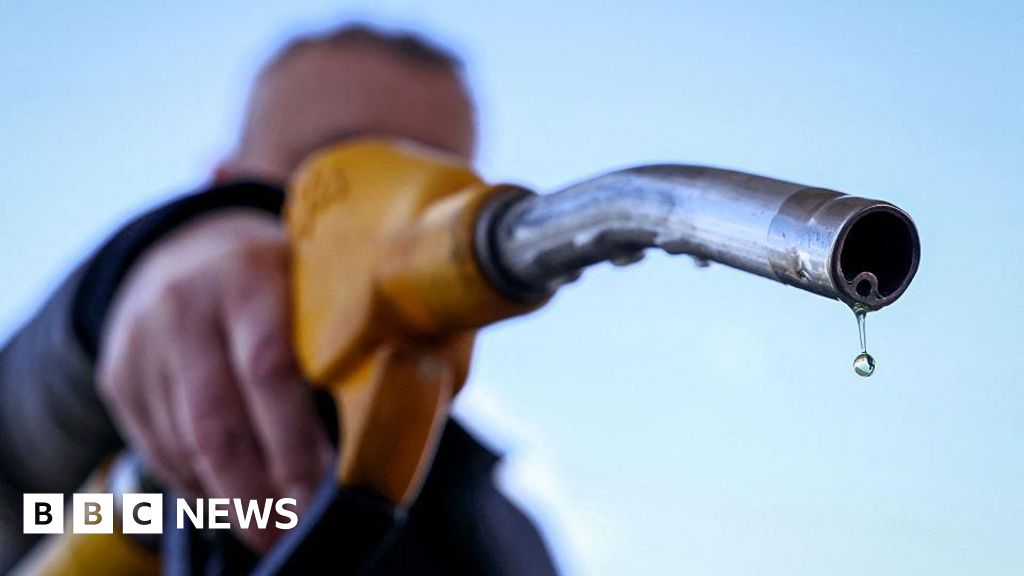
Ditch the Chips, Invest in Wires: BHP Reaches New Heights as Copper Surpasses Iron
BHP's Record Earnings: BHP Group reported a significant increase in earnings, with copper earnings surpassing those from iron ore for the first time, indicating a shift in the global economic landscape towards copper as a critical resource for the digital age.
Transition to Copper Age: The company's earnings report marks a pivotal moment, suggesting the end of the Iron Age and the beginning of the Copper Age, driven by the demand for copper in AI infrastructure and electrification.
Government Support and Strategic Moves: BHP's strategy includes aligning its production with future-facing commodities, supported by government initiatives like Project Vault, which aims to stockpile essential industrial metals.
Investment Opportunities: Investors are encouraged to consider BHP as a stable option in the mining sector, especially as it positions itself as a leader in copper production amidst rising demand and geopolitical challenges affecting supply chains.
Trade with 70% Backtested Accuracy
Analyst Views on BHP

About BHP
About the author

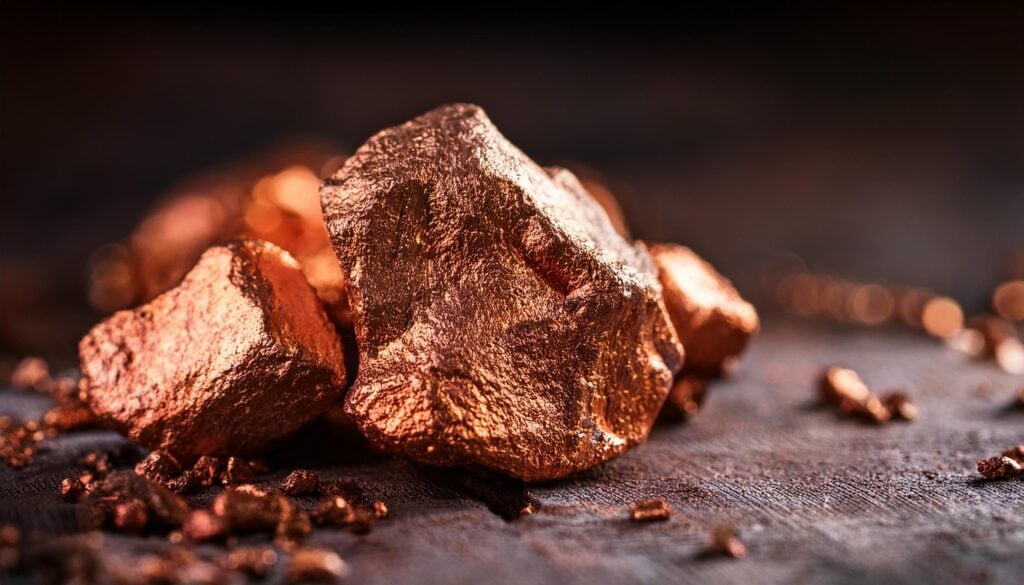
AI-Driven Surge in Copper Demand

- Surge in Copper Demand: Druckenmiller highlights a significant increase in copper demand driven by AI data centers, projecting a global refined copper deficit of 330,000 metric tons by 2026, with data centers alone requiring approximately 475,000 metric tons this year, an increase of 110,000 metric tons from last year, indicating robust market demand.
- Supply Shortage Issues: He emphasizes that there will be virtually no new copper production for the next eight years due to a CapEx depression in the mining sector, where new projects take over 15 years to move from discovery to production, exacerbated by a fatal mudslide at Freeport-McMoRan’s Grasberg mine, tightening supply further.
- Copper Price Hits Record High: Copper prices reached an all-time intraday high of $14,527.50 per metric ton on January 29, reflecting the depletion of global inventories due to large projects like OpenAI’s “Stargate,” with current copper futures trading at $5.9325 per pound, up 1.47% from previous levels.
- Investment Strategy Shift: Druckenmiller opts to invest directly in copper commodities rather than mining equities to avoid operational risks associated with individual miners, using futures contracts to track copper prices, believing the current market is very tight and serves as a primary hedge against potential inflationary growth.
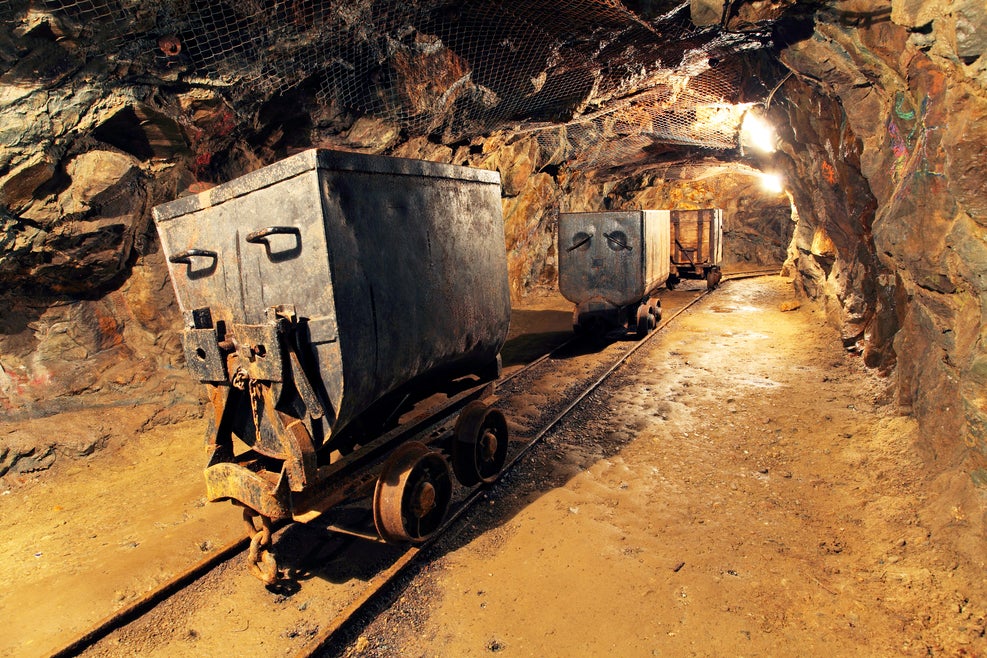
China Expands Restrictions on BHP Iron Ore Purchases Amid Contract Dispute
- Escalation of Purchase Restrictions: China's state-run China Mineral Resources Group has instructed several traders to reduce purchases of BHP's seaborne iron ore, particularly Mac fines, Newman fines, and Newman lumps, indicating that the ongoing contract dispute with BHP could disrupt domestic steel production's raw material supply.
- Ban Expansion: Since its establishment in 2022, CMRG has prohibited domestic steel mills and traders from purchasing BHP's Jimblebar fines and extended the ban in November to include Jinbao, exacerbating the stalemate in negotiations with BHP and potentially increasing raw material costs for the steel industry.
- Negotiation Stalemate: The long-term contract negotiations between CMRG and BHP have been ongoing for several months without resolution, which could affect production plans for Chinese steel mills and market supply, thereby impacting overall steel market stability.
- Market Impact: These procurement restrictions and bans may lead to a decline in BHP's sales in the Chinese market, affecting its global iron ore supply chain, while also prompting Chinese steel mills to seek alternative suppliers to reduce dependency.
Analysts Recommend Low-Beta, High-Yield Stocks Amid Market Volatility

- Market Volatility Factors: The U.S. stock market has shown mixed performance in 2026, primarily influenced by concerns over AI investment sustainability, Trump's tariffs, and geopolitical conflicts in the Middle East, which have heightened the appeal of low-beta stocks for investors seeking stability.
- Hershey's Performance: Hershey (HSY) is projected to achieve revenue and earnings growth rates of 4.8% and 29.3% for 2026, respectively, with the Zacks consensus estimate for earnings improving by 16.7% over the past 30 days, indicating strong performance and innovation in the snack market.
- BHP Group Dynamics: BHP (BHP) reported a 1% decline in iron ore output but a 4% increase in copper production in Q1 2026, with projected iron ore production between 258-269 million tons, reflecting stability in the global mining market and confidence in future growth.
- Atmos Energy Outlook: Atmos Energy (ATO) expects revenue and earnings growth rates of 18.8% and 9% for 2026, respectively, and has enhanced profitability and shareholder value through strategic acquisitions and new customer additions, showcasing strong potential amid rising natural gas demand.
BHP's Coal Operations in Queensland Yield No Returns
- Declining Investment Competitiveness: BHP's coal operations in Queensland are facing significant challenges as they can no longer 'compete for investment,' with the joint venture with Mitsubishi generating over $1.67 billion in revenue in the past six months but remaining entirely unprofitable, highlighting the harsh market conditions.
- Financial Performance Under Pressure: Project President Adam Lancey stated that unsustainable royalty payments, rising production costs, and fluctuating coal prices have severely impacted financial performance, resulting in zero returns for every dollar invested, indicating serious sustainability issues.
- Increased Cost Pressures: BHP's decision to shutter one of its Queensland coal mines in September further illustrates the company's response to escalating cost pressures, signaling a strategic shift in its approach to the coal market.
- Uncertain Future: Despite strong revenue performance in the past, the lack of profitability and investment returns raises uncertainties about future investment and operational strategies, potentially affecting the company's overall financial health.
BHP Reaffirms Diversified Business Model Amid Copper Focus
- Diversification Strategy: CEO Mike Henry reaffirmed at the BMO Capital Markets Conference that BHP will maintain its diversified mining model, despite copper accounting for over half of its EBITDA, showcasing its strong position in the copper market.
- Copper Production Growth: The company has raised its copper production guidance by 150,000 tons over the next two years, targeting around 2.5 million tons of copper equivalent output annually by 2035, with a projected compound annual growth rate of 3-4% between fiscal 2027 and fiscal 2035.
- South American Project Advancement: The Vicuña joint venture with Lundin has increased the district's copper resource to 47 million tons through recent drilling, with a final investment decision on Stage 1 expected by year-end, potentially yielding an average annual output of 500,000 tons of copper and 800,000 ounces of gold over the first decade.
- Capital Return Commitment: BHP commits to a minimum 50% payout ratio for dividends, having returned over $110 billion to shareholders in the past decade, demonstrating its dedication to creating value for shareholders while maintaining capital discipline.
Copper Inventories Exceed 1 Million Tons for First Time in 21 Years

- Inventory Surge: Copper exchange inventories have surpassed 1 million tons for the first time in 21 years, indicating a lack of confidence in long-term supply, even as prices remain elevated compared to January levels, reflecting a tight supply-demand dynamic.
- Demand Slowdown: China's copper demand has softened, and smelter activity has slowed; nevertheless, copper is increasingly recognized as a foundational material for 21st-century infrastructure, particularly in electric vehicles and renewable energy applications.
- Strategic Investment: Capital expenditures to maintain current copper production are projected to reach $250 billion over the next decade, shifting market focus to emerging markets, with the Democratic Republic of Congo (DRC) becoming increasingly significant in global copper production.
- Optimistic Market Outlook: Despite geological challenges, investors remain bullish on copper, anticipating sustained demand growth in electric vehicles, solar energy, and data centers, which will drive industry expansion.
AI-Driven Surge in Copper Demand
- Surge in Copper Demand: Druckenmiller highlights a significant increase in copper demand driven by AI data centers, projecting a global refined copper deficit of 330,000 metric tons by 2026, with data centers alone requiring approximately 475,000 metric tons this year, an increase of 110,000 metric tons from last year, indicating robust market demand.
- Supply Shortage Issues: He emphasizes that there will be virtually no new copper production for the next eight years due to a CapEx depression in the mining sector, where new projects take over 15 years to move from discovery to production, exacerbated by a fatal mudslide at Freeport-McMoRan’s Grasberg mine, tightening supply further.
- Copper Price Hits Record High: Copper prices reached an all-time intraday high of $14,527.50 per metric ton on January 29, reflecting the depletion of global inventories due to large projects like OpenAI’s “Stargate,” with current copper futures trading at $5.9325 per pound, up 1.47% from previous levels.
- Investment Strategy Shift: Druckenmiller opts to invest directly in copper commodities rather than mining equities to avoid operational risks associated with individual miners, using futures contracts to track copper prices, believing the current market is very tight and serves as a primary hedge against potential inflationary growth.
China Expands Restrictions on BHP Iron Ore Purchases Amid Contract Dispute
- Escalation of Purchase Restrictions: China's state-run China Mineral Resources Group has instructed several traders to reduce purchases of BHP's seaborne iron ore, particularly Mac fines, Newman fines, and Newman lumps, indicating that the ongoing contract dispute with BHP could disrupt domestic steel production's raw material supply.
- Ban Expansion: Since its establishment in 2022, CMRG has prohibited domestic steel mills and traders from purchasing BHP's Jimblebar fines and extended the ban in November to include Jinbao, exacerbating the stalemate in negotiations with BHP and potentially increasing raw material costs for the steel industry.
- Negotiation Stalemate: The long-term contract negotiations between CMRG and BHP have been ongoing for several months without resolution, which could affect production plans for Chinese steel mills and market supply, thereby impacting overall steel market stability.
- Market Impact: These procurement restrictions and bans may lead to a decline in BHP's sales in the Chinese market, affecting its global iron ore supply chain, while also prompting Chinese steel mills to seek alternative suppliers to reduce dependency.
Analysts Recommend Low-Beta, High-Yield Stocks Amid Market Volatility
- Market Volatility Factors: The U.S. stock market has shown mixed performance in 2026, primarily influenced by concerns over AI investment sustainability, Trump's tariffs, and geopolitical conflicts in the Middle East, which have heightened the appeal of low-beta stocks for investors seeking stability.
- Hershey's Performance: Hershey (HSY) is projected to achieve revenue and earnings growth rates of 4.8% and 29.3% for 2026, respectively, with the Zacks consensus estimate for earnings improving by 16.7% over the past 30 days, indicating strong performance and innovation in the snack market.
- BHP Group Dynamics: BHP (BHP) reported a 1% decline in iron ore output but a 4% increase in copper production in Q1 2026, with projected iron ore production between 258-269 million tons, reflecting stability in the global mining market and confidence in future growth.
- Atmos Energy Outlook: Atmos Energy (ATO) expects revenue and earnings growth rates of 18.8% and 9% for 2026, respectively, and has enhanced profitability and shareholder value through strategic acquisitions and new customer additions, showcasing strong potential amid rising natural gas demand.
BHP's Coal Operations in Queensland Yield No Returns
- Declining Investment Competitiveness: BHP's coal operations in Queensland are facing significant challenges as they can no longer 'compete for investment,' with the joint venture with Mitsubishi generating over $1.67 billion in revenue in the past six months but remaining entirely unprofitable, highlighting the harsh market conditions.
- Financial Performance Under Pressure: Project President Adam Lancey stated that unsustainable royalty payments, rising production costs, and fluctuating coal prices have severely impacted financial performance, resulting in zero returns for every dollar invested, indicating serious sustainability issues.
- Increased Cost Pressures: BHP's decision to shutter one of its Queensland coal mines in September further illustrates the company's response to escalating cost pressures, signaling a strategic shift in its approach to the coal market.
- Uncertain Future: Despite strong revenue performance in the past, the lack of profitability and investment returns raises uncertainties about future investment and operational strategies, potentially affecting the company's overall financial health.
BHP Reaffirms Diversified Business Model Amid Copper Focus
- Diversification Strategy: CEO Mike Henry reaffirmed at the BMO Capital Markets Conference that BHP will maintain its diversified mining model, despite copper accounting for over half of its EBITDA, showcasing its strong position in the copper market.
- Copper Production Growth: The company has raised its copper production guidance by 150,000 tons over the next two years, targeting around 2.5 million tons of copper equivalent output annually by 2035, with a projected compound annual growth rate of 3-4% between fiscal 2027 and fiscal 2035.
- South American Project Advancement: The Vicuña joint venture with Lundin has increased the district's copper resource to 47 million tons through recent drilling, with a final investment decision on Stage 1 expected by year-end, potentially yielding an average annual output of 500,000 tons of copper and 800,000 ounces of gold over the first decade.
- Capital Return Commitment: BHP commits to a minimum 50% payout ratio for dividends, having returned over $110 billion to shareholders in the past decade, demonstrating its dedication to creating value for shareholders while maintaining capital discipline.
Copper Inventories Exceed 1 Million Tons for First Time in 21 Years
- Inventory Surge: Copper exchange inventories have surpassed 1 million tons for the first time in 21 years, indicating a lack of confidence in long-term supply, even as prices remain elevated compared to January levels, reflecting a tight supply-demand dynamic.
- Demand Slowdown: China's copper demand has softened, and smelter activity has slowed; nevertheless, copper is increasingly recognized as a foundational material for 21st-century infrastructure, particularly in electric vehicles and renewable energy applications.
- Strategic Investment: Capital expenditures to maintain current copper production are projected to reach $250 billion over the next decade, shifting market focus to emerging markets, with the Democratic Republic of Congo (DRC) becoming increasingly significant in global copper production.
- Optimistic Market Outlook: Despite geological challenges, investors remain bullish on copper, anticipating sustained demand growth in electric vehicles, solar energy, and data centers, which will drive industry expansion.