Deutsche Bank's Investment Banking Revenue Outlook
Written by Emily J. Thompson, Senior Investment Analyst
Updated: Mar 17 2026
0mins
Should l Buy DB?
Source: seekingalpha
- Revenue Outlook Stable: Deutsche Bank CEO Christian Sewing indicated that Q1 investment banking revenue is expected to be flat year-over-year, with capital market growth offsetting a decline in trading, reflecting the bank's stability amid market volatility.
- Capital Markets Growth: Sewing noted that while trading revenue may decline slightly, capital markets revenue is anticipated to increase, indicating strong performance in capital markets despite challenges in trading operations.
- Geopolitical Risk Opportunities: He mentioned that geopolitical risks are closely tied to market volatility, presenting opportunities for the investment bank, particularly in trading, highlighting the bank's ability to adapt in uncertain environments.
- Asset Management Progress: Sewing also stated that the asset management and private banking sectors are progressing as planned with year-on-year increases, demonstrating Deutsche Bank's strategic success in diversifying its revenue streams.
Trade with 70% Backtested Accuracy
Stop guessing "Should I Buy DB?" and start using high-conviction signals backed by rigorous historical data.
Sign up today to access powerful investing tools and make smarter, data-driven decisions.
Analyst Views on DB
Wall Street analysts forecast DB stock price to rise
13 Analyst Rating
7 Buy
5 Hold
1 Sell
Moderate Buy
Current: 28.370

Low
36.55
Averages
43.20
High
47.63
Current: 28.370
Low
36.55
Averages
43.20
High
47.63
About DB
Deutsche Bank Aktiengesellschaft is a bank and holding company for its subsidiaries. The Company offers a range of services such as investment, financial and related products and services to private individuals, corporate entities, and institutional clients. It operates through four business divisions: Corporate Bank, Investment Bank, Private Bank and Asset Management. The Corporate Bank division serves corporate clients and financial institutions, offering cash management, trade finance, lending, foreign exchange, trust and agency services, correspondent banking, and securities services. The Investment Bank division includes Fixed Income & Currencies (FIC) Sales & Trading, Origination & Advisory, and Deutsche Bank Research. The Private Bank division focuses on personal and private clients, wealthy individuals, entrepreneurs and families. The Asset Management division operates under the brand DWS, and it serves a diverse client base of retail and institutional investors worldwide.
About the author

Emily J. Thompson
Emily J. Thompson, a Chartered Financial Analyst (CFA) with 12 years in investment research, graduated with honors from the Wharton School. Specializing in industrial and technology stocks, she provides in-depth analysis for Intellectia’s earnings and market brief reports.

Leeds Building Society Issues £500 Million Floating Rate Covered Bonds

- Bond Issuance Size: Leeds Building Society successfully issues £500 million in floating rate Series 15 covered bonds, maturing in 2029, which is expected to enhance its capital structure and support future loan growth.
- Interest Rate and Amount: The bond carries an interest rate of 4.2242%, with a total interest amount projected to reach £5,323,649.32 over a 92-day interest period, indicating a stable revenue outlook.
- Issue Date and Value Date: The value date for the bonds is set for April 7, 2026, with the interest period commencing on May 1, 2026, ensuring timely liquidity to meet market demands.
- Market Impact: The issuance of such bonds not only provides necessary funding support for Leeds Building Society but may also attract more investor attention to its future financing activities, thereby enhancing its market position.
See More
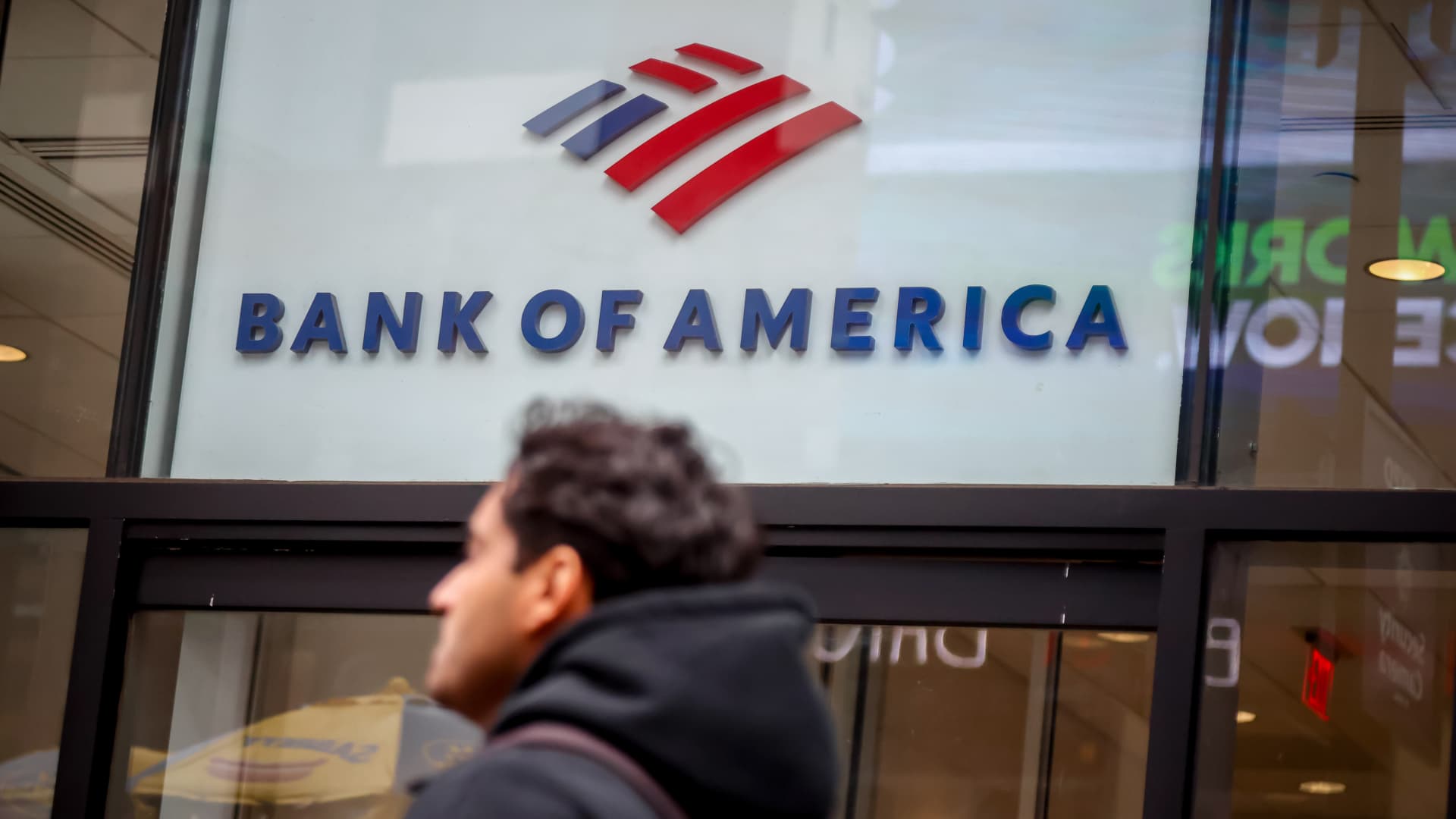
Bank of America Agrees to $72.5 Million Settlement in Epstein Case

- Settlement Amount: Bank of America has agreed to pay $72.5 million to settle a class action lawsuit alleging that it facilitated Jeffrey Epstein's sex trafficking operations, although the bank denies any wrongdoing.
- Legal Context: This settlement marks the fourth major bank resolution related to Epstein victims, following JPMorgan's $290 million and Deutsche Bank's $75 million settlements, highlighting the legal risks faced by financial institutions in such cases.
- Victim Compensation: The settlement will compensate all women who were sexually abused or trafficked by Epstein or associated individuals between June 30, 2008, and July 6, 2019, aiming to provide financial restitution and psychological closure for the victims.
- Regulatory Implications: The resolution of this case may prompt financial regulators to reassess banks' responsibilities in customer background checks, particularly concerning high-risk clients, potentially leading to stricter compliance requirements.
See More

ECB Intensifies Checks on Banks' Private Credit Exposure Amid Concerns
- Enhanced Risk Assessment: The ECB is set to conduct a new round of checks on banks it supervises, focusing on their exposure to private credit loans in response to concerns over loan quality following recent high-profile corporate failures, thereby aiming to bolster financial system stability.
- Ongoing Regulatory Measures: This upcoming assessment will complement similar efforts planned for 2024 and 2025, with regulatory officials emphasizing that recent developments have made risk evaluations at banks increasingly critical to ensure they can accurately identify their links to private credit funds.
- Bank Exposure Levels: KBW analysts estimate that European banks' exposure to private credit may range from 1% to 2%, but this figure could be higher for larger lenders such as Deutsche Bank, BNP Paribas, and Société Générale, indicating that these institutions face greater risks.
- Market Reaction: In Tuesday morning trading, Deutsche Bank's stock fell by 1.6%, BNP Paribas dropped by 2.7%, while Banco Santander and ING Group saw declines of 1.8% and 1.4%, respectively, reflecting market concerns regarding the risks associated with private credit exposure.
See More

Akari Therapeutics to Convert ADS to Ordinary Shares
- Equity Structure Adjustment: Akari Therapeutics announced the conversion of its American depositary shares (ADS) into ordinary shares, aiming to simplify shareholder structure and enhance liquidity, although specific implementation details remain undisclosed.
- Market Reaction Anticipation: This move may influence investor perceptions of the company's stock, particularly regarding liquidity and shareholder rights, although there is currently no clear market reaction data available.
- Strategic Implications: By converting to ordinary shares, Akari may seek to attract more investors, thereby strengthening its capital base to support future R&D projects, although specific funding uses have not been clarified.
- Future Developments Monitoring: Investors should monitor subsequent announcements for more information regarding the conversion process and its potential impact on the company's financial condition.
See More
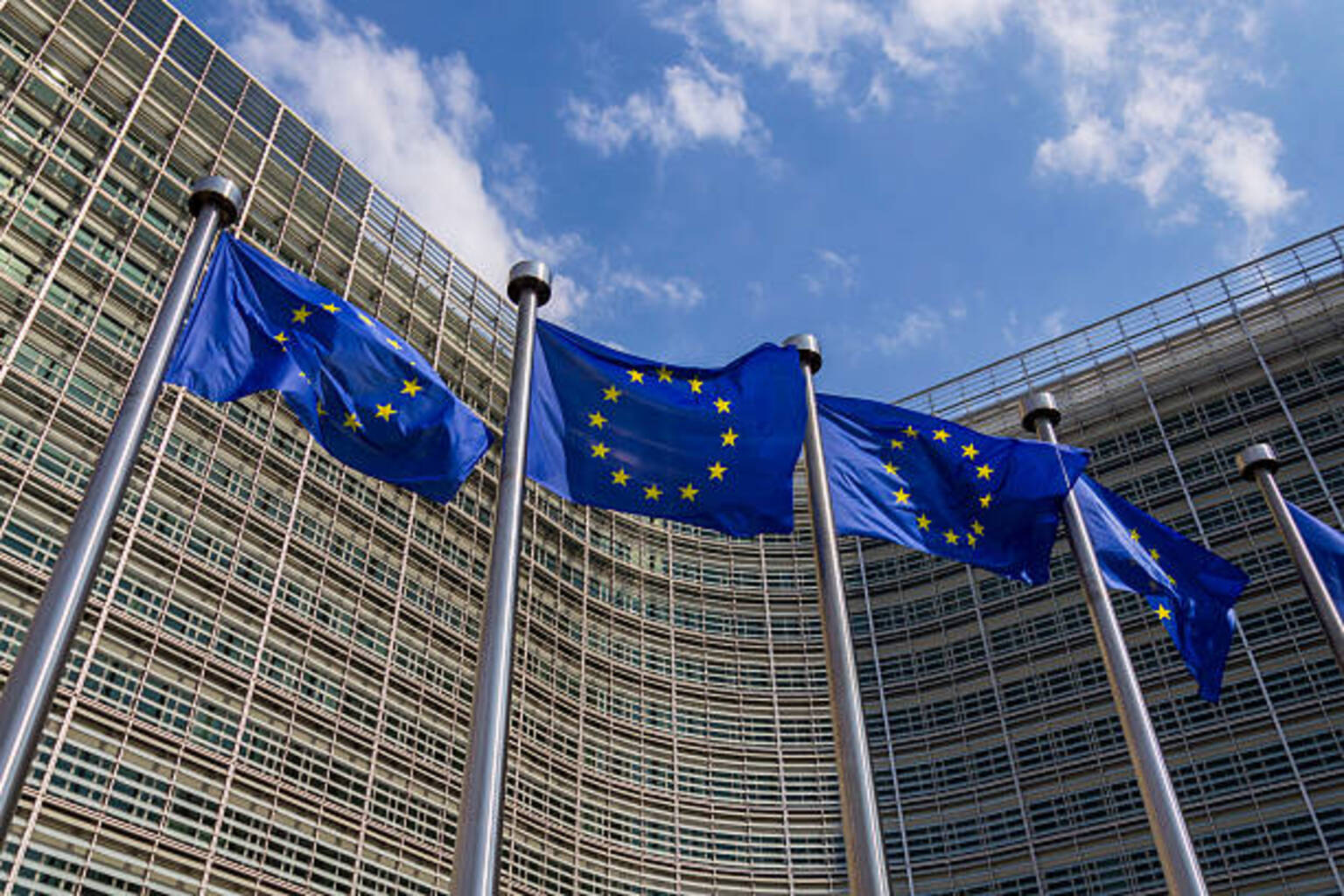
EU Delays Global Banking Reform Plan Impact

- Delay in Reform: The EU is expected to adopt legislation after Easter to delay the impact of its global banking reform plan, which may disadvantage EU banks compared to U.S. banks, indicating a focus on mitigating short-term impacts.
- Capital Rule Adjustments: According to the Financial Times, the EU plans to implement a temporary multiplier that eliminates increased capital requirements for banks' trading activities for up to three years, thereby easing short-term capital pressures on banks.
- International Regulatory Coordination: This delay is not unprecedented, as the EU previously postponed the implementation of Basel III capital rules in June 2024 while awaiting U.S. regulations, highlighting the need for jurisdictions to adjust regulations to remain competitive globally.
- Positive Market Reaction: In late U.S. trading, stocks of Deutsche Bank, Banco Santander, UBS, and ING Group all rose, reflecting investor optimism regarding the EU's delay in banking reform.
See More
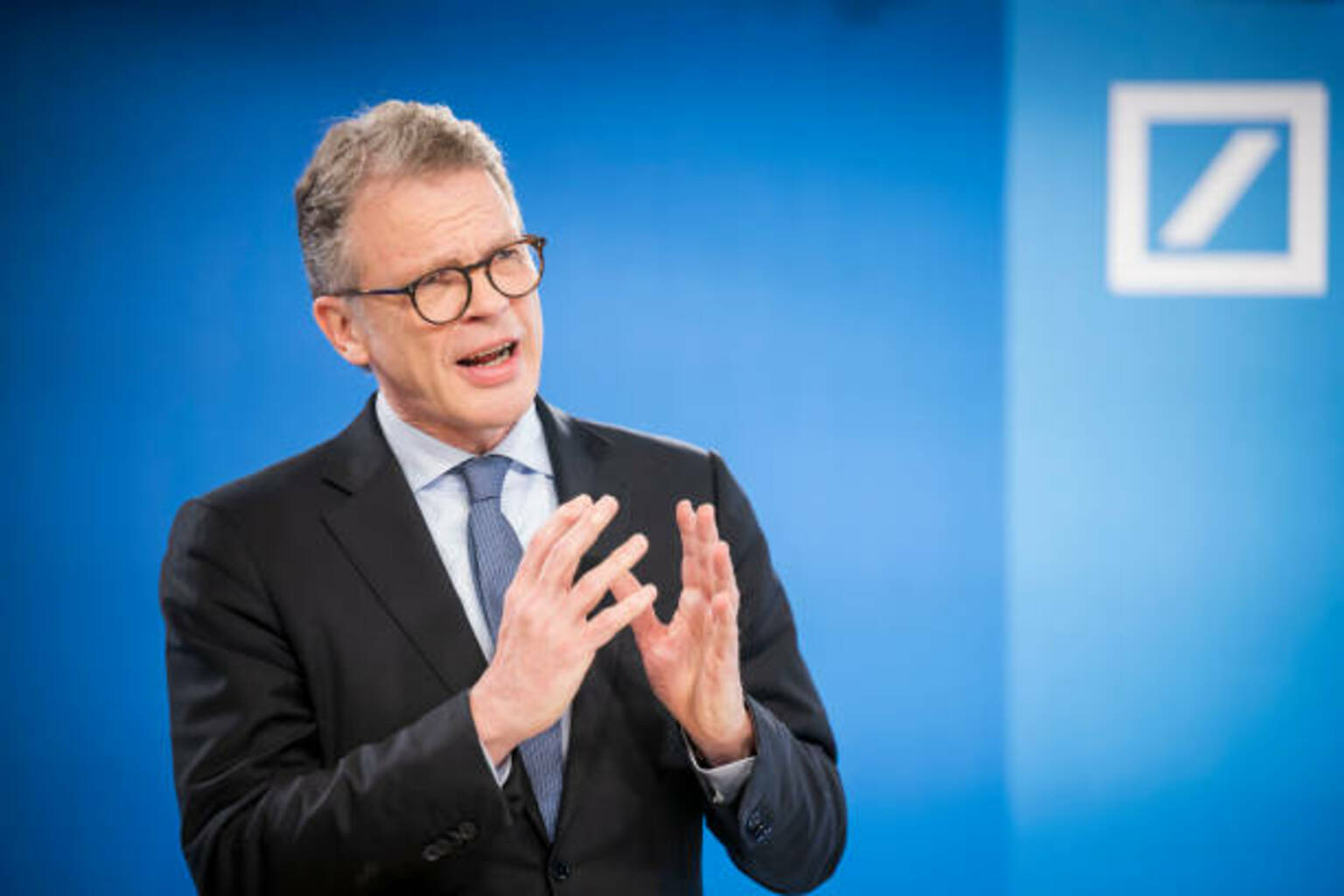
Deutsche Bank's Investment Banking Revenue Outlook
- Revenue Outlook Stable: Deutsche Bank CEO Christian Sewing indicated that Q1 investment banking revenue is expected to be flat year-over-year, with capital market growth offsetting a decline in trading, reflecting the bank's stability amid market volatility.
- Capital Markets Growth: Sewing noted that while trading revenue may decline slightly, capital markets revenue is anticipated to increase, indicating strong performance in capital markets despite challenges in trading operations.
- Geopolitical Risk Opportunities: He mentioned that geopolitical risks are closely tied to market volatility, presenting opportunities for the investment bank, particularly in trading, highlighting the bank's ability to adapt in uncertain environments.
- Asset Management Progress: Sewing also stated that the asset management and private banking sectors are progressing as planned with year-on-year increases, demonstrating Deutsche Bank's strategic success in diversifying its revenue streams.
See More
Leeds Building Society Issues £500 Million Floating Rate Covered Bonds
- Bond Issuance Size: Leeds Building Society successfully issues £500 million in floating rate Series 15 covered bonds, maturing in 2029, which is expected to enhance its capital structure and support future loan growth.
- Interest Rate and Amount: The bond carries an interest rate of 4.2242%, with a total interest amount projected to reach £5,323,649.32 over a 92-day interest period, indicating a stable revenue outlook.
- Issue Date and Value Date: The value date for the bonds is set for April 7, 2026, with the interest period commencing on May 1, 2026, ensuring timely liquidity to meet market demands.
- Market Impact: The issuance of such bonds not only provides necessary funding support for Leeds Building Society but may also attract more investor attention to its future financing activities, thereby enhancing its market position.
See More
Bank of America Agrees to $72.5 Million Settlement in Epstein Case
- Settlement Amount: Bank of America has agreed to pay $72.5 million to settle a class action lawsuit alleging that it facilitated Jeffrey Epstein's sex trafficking operations, although the bank denies any wrongdoing.
- Legal Context: This settlement marks the fourth major bank resolution related to Epstein victims, following JPMorgan's $290 million and Deutsche Bank's $75 million settlements, highlighting the legal risks faced by financial institutions in such cases.
- Victim Compensation: The settlement will compensate all women who were sexually abused or trafficked by Epstein or associated individuals between June 30, 2008, and July 6, 2019, aiming to provide financial restitution and psychological closure for the victims.
- Regulatory Implications: The resolution of this case may prompt financial regulators to reassess banks' responsibilities in customer background checks, particularly concerning high-risk clients, potentially leading to stricter compliance requirements.
See More
ECB Intensifies Checks on Banks' Private Credit Exposure Amid Concerns
- Enhanced Risk Assessment: The ECB is set to conduct a new round of checks on banks it supervises, focusing on their exposure to private credit loans in response to concerns over loan quality following recent high-profile corporate failures, thereby aiming to bolster financial system stability.
- Ongoing Regulatory Measures: This upcoming assessment will complement similar efforts planned for 2024 and 2025, with regulatory officials emphasizing that recent developments have made risk evaluations at banks increasingly critical to ensure they can accurately identify their links to private credit funds.
- Bank Exposure Levels: KBW analysts estimate that European banks' exposure to private credit may range from 1% to 2%, but this figure could be higher for larger lenders such as Deutsche Bank, BNP Paribas, and Société Générale, indicating that these institutions face greater risks.
- Market Reaction: In Tuesday morning trading, Deutsche Bank's stock fell by 1.6%, BNP Paribas dropped by 2.7%, while Banco Santander and ING Group saw declines of 1.8% and 1.4%, respectively, reflecting market concerns regarding the risks associated with private credit exposure.
See More
Akari Therapeutics to Convert ADS to Ordinary Shares
- Equity Structure Adjustment: Akari Therapeutics announced the conversion of its American depositary shares (ADS) into ordinary shares, aiming to simplify shareholder structure and enhance liquidity, although specific implementation details remain undisclosed.
- Market Reaction Anticipation: This move may influence investor perceptions of the company's stock, particularly regarding liquidity and shareholder rights, although there is currently no clear market reaction data available.
- Strategic Implications: By converting to ordinary shares, Akari may seek to attract more investors, thereby strengthening its capital base to support future R&D projects, although specific funding uses have not been clarified.
- Future Developments Monitoring: Investors should monitor subsequent announcements for more information regarding the conversion process and its potential impact on the company's financial condition.
See More
EU Delays Global Banking Reform Plan Impact
- Delay in Reform: The EU is expected to adopt legislation after Easter to delay the impact of its global banking reform plan, which may disadvantage EU banks compared to U.S. banks, indicating a focus on mitigating short-term impacts.
- Capital Rule Adjustments: According to the Financial Times, the EU plans to implement a temporary multiplier that eliminates increased capital requirements for banks' trading activities for up to three years, thereby easing short-term capital pressures on banks.
- International Regulatory Coordination: This delay is not unprecedented, as the EU previously postponed the implementation of Basel III capital rules in June 2024 while awaiting U.S. regulations, highlighting the need for jurisdictions to adjust regulations to remain competitive globally.
- Positive Market Reaction: In late U.S. trading, stocks of Deutsche Bank, Banco Santander, UBS, and ING Group all rose, reflecting investor optimism regarding the EU's delay in banking reform.
See More
Deutsche Bank's Investment Banking Revenue Outlook
- Revenue Outlook Stable: Deutsche Bank CEO Christian Sewing indicated that Q1 investment banking revenue is expected to be flat year-over-year, with capital market growth offsetting a decline in trading, reflecting the bank's stability amid market volatility.
- Capital Markets Growth: Sewing noted that while trading revenue may decline slightly, capital markets revenue is anticipated to increase, indicating strong performance in capital markets despite challenges in trading operations.
- Geopolitical Risk Opportunities: He mentioned that geopolitical risks are closely tied to market volatility, presenting opportunities for the investment bank, particularly in trading, highlighting the bank's ability to adapt in uncertain environments.
- Asset Management Progress: Sewing also stated that the asset management and private banking sectors are progressing as planned with year-on-year increases, demonstrating Deutsche Bank's strategic success in diversifying its revenue streams.
See More