Daily Dividend Update: OLP, TJX, AMGN, O, CAT

TJX Companies Dividend Announcement: TJX Companies declared a quarterly dividend of $0.425 per share, payable on March 5, 2026, to shareholders of record on February 12, 2026.
Amgen Dividend Declaration: Amgen's Board of Directors announced a $2.52 per share dividend for the first quarter of 2026, to be paid on March 6, 2026, to stockholders of record as of February 13, 2026.
Realty Income Dividend Increase: Realty Income Corporation increased its monthly cash dividend to $0.2700 per share, effective January 15, 2026, marking its 133rd dividend increase since 1994.
Caterpillar Dividend Maintenance: Caterpillar's Board of Directors maintained a quarterly dividend of $1.51 per share, payable on February 19, 2026, continuing its history of annual dividends since the company's inception.
Trade with 70% Backtested Accuracy
Analyst Views on CAT

About CAT
About the author


Caterpillar Invests $5 Million in Texas Workforce Development for Advanced Manufacturing

- Investment Commitment: Caterpillar has announced a $5 million investment in Texas aimed at reducing training barriers and defining in-demand skills for future jobs, thereby preparing qualified talent for advanced manufacturing and industry technician roles.
- Partnerships: The initiative will collaborate with Texas State Technical College, the Manufacturing Institute, and local organizations to enhance talent development and strengthen pathways connecting students to careers in advanced manufacturing, improving overall employability.
- Regional Advantages: Texas was chosen for this investment due to its leadership in American manufacturing and Caterpillar's deep roots in the state, with 6,630 employees and multiple high-tech facilities ensuring innovative training models.
- Future Outlook: This investment is part of Caterpillar's five-year, $100 million

Michael Burry Discloses Short Positions Against Tech Stocks

- Shorting Tech Stocks: Notable investor Michael Burry disclosed short positions against Nvidia, Tesla, and Micron on his Substack, reflecting concerns over the AI trade, particularly as these stocks reach historical valuation extremes.
- Micron's Impressive Earnings: Micron's fiscal Q3 revenue surged over fourfold year-over-year to $41.5 billion; however, Burry argues that its stock price remains above historical averages, suggesting that market optimism about its future profitability may be overly optimistic.
- Tesla Delivery Figures: Tesla delivered 480,126 vehicles in Q2, a 25% year-over-year increase, yet its stock trades at over 350 times earnings, indicating high market expectations for future profitability, which Burry questions.
- Nvidia's Strong Growth: Nvidia's fiscal Q1 revenue rose 85% year-over-year to $81.6 billion, yet its stock trades at a 30 times earnings multiple, leading Burry to suggest that such valuations may not be sustainable, especially if the market's enthusiasm for AI proves to be a bubble.

Michael Burry Bets Against AI Stocks Amid Valuation Concerns
- Short Position Disclosure: Renowned hedge fund manager Michael Burry revealed his short positions against Nvidia, Tesla, and Applied Materials this week, indicating strong skepticism towards AI-related stocks, particularly as their valuations reach historical highs.
- Micron Technology Risks: Burry highlighted that Micron's stock trades significantly above its 200-day moving average, with its fiscal Q3 revenue soaring over 400% year-over-year to $41.5 billion; however, he believes such high earnings levels are unsustainable and may face downside risks.
- Nvidia Valuation Defense: Despite Nvidia's fiscal Q1 revenue rising 85% year-over-year to $81.6 billion, with data center revenue climbing 92%, its stock trades at about 30 times earnings, leading Burry to question whether this high valuation can be maintained amid potential AI bubble concerns.
- Tesla Profitability Challenges: Tesla delivered 480,126 vehicles in Q2, up 25% year-over-year, yet its stock fell 7.5%, with Burry arguing that its high price-to-earnings ratio exceeding 350 times raises significant risks, especially if future profitability from robotaxi and software services is delayed.
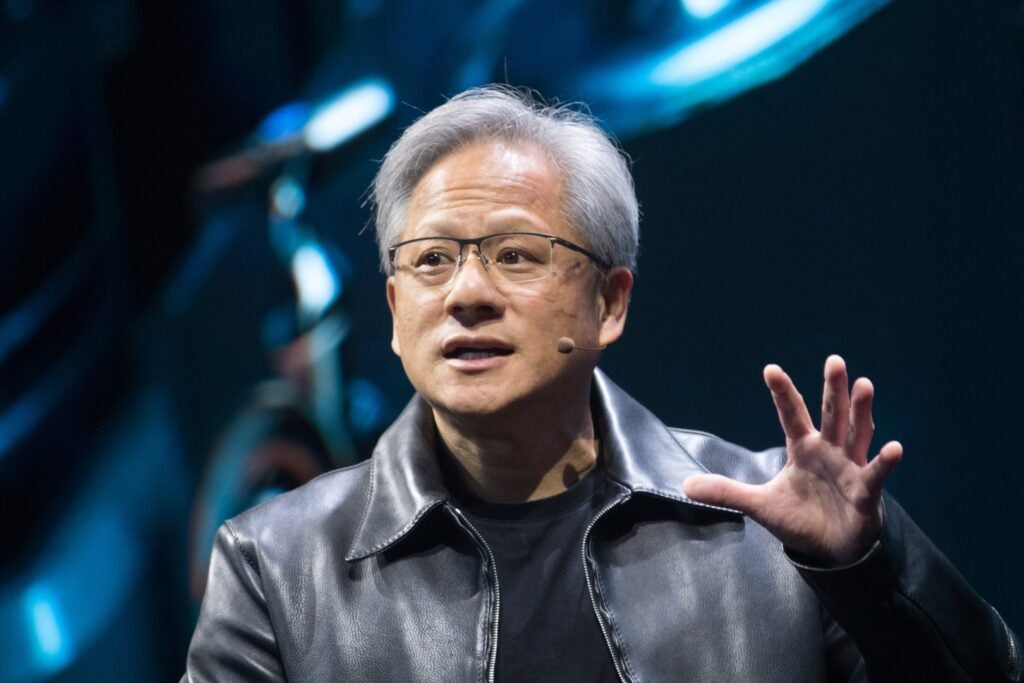
Michael Burry Bets Against AI Stocks: Should Investors Be Concerned?

- Short Position Disclosure: Renowned investor Michael Burry revealed his short positions against Nvidia, Tesla, Applied Materials, Caterpillar, and the iShares Semiconductor ETF on his Substack, indicating a strong skepticism towards AI-related stocks that may prompt a market reassessment of these equities.
- Micron Technology Risks: Burry highlighted that Micron's stock trades significantly above its 200-day moving average, with revenue in fiscal Q3 2026 soaring over 400% year-over-year to $41.5 billion; however, he argues that such high earnings levels are unlikely to be sustainable, posing downside risks.
- Nvidia Valuation Controversy: Despite Nvidia's fiscal Q1 2026 revenue surging 85% year-over-year to $81.6 billion, with data center revenue climbing 92%, the stock trades at about 30 times earnings, leading Burry to question whether this high valuation can endure, especially amid concerns of an AI bubble.
- Tesla Profitability Pressure: Tesla delivered 480,126 vehicles in Q2, up 25% year-over-year, yet its stock fell 7.5% on the report day; Burry believes its 350 times earnings valuation is excessive, and future profit growth expectations may be overly optimistic, warranting caution from investors.

Multiple Firms Bullish on Innio N.V. Outlook

- Bullish Analyst Ratings: Bank of America, Goldman Sachs, and Morgan Stanley initiated coverage on Innio N.V. with buy ratings, setting price targets ranging from $42 to $50, indicating potential upside of up to 35%, reflecting strong market confidence in its growth prospects.
- Surge in Data Center Demand: Innio's engines are favored by data centers for their modular design and quick power delivery, with data centers accounting for 21% of equipment revenue in the past year, now representing 61% of recent orders, highlighting robust market demand driven by AI.
- Revenue Growth Potential: Analysts project Innio's revenue in the data center segment to grow at a compound annual growth rate of 103.4%, indicating significant advantages in meeting rapidly changing large load demands, further solidifying its market position.
- Risks and Challenges: Despite the optimistic outlook, Goldman Sachs noted risks related to capacity expansion and supply chain issues, particularly with a $4.8 billion backlog that could pressure the company if demand slows, necessitating close monitoring of market dynamics to ensure sustained growth.

Caterpillar Launches Workforce Investment Program in Texas
- Workforce Investment Program: Caterpillar announced the launch of a workforce investment program in Texas aimed at enhancing employee skills and productivity, although specific investment amounts have not been disclosed, this move reflects the company's commitment to future business development.
- Skill Enhancement Focus: The program will concentrate on training and developing employees' technical capabilities to adapt to evolving market demands, thereby strengthening the company's competitiveness and improving overall operational efficiency.
- Strategic Positioning: By implementing this program in Texas, Caterpillar aims not only to enhance the vocational skills of local employees but also to attract more high-quality talent, further solidifying its market position in the region.
- Future Outlook: The introduction of this investment program signifies Caterpillar's commitment to employee development, which is expected to yield long-term business growth potential, especially in an increasingly technology-driven manufacturing environment.
Caterpillar Invests $5 Million in Texas Workforce Development for Advanced Manufacturing
- Investment Commitment: Caterpillar has announced a $5 million investment in Texas aimed at reducing training barriers and defining in-demand skills for future jobs, thereby preparing qualified talent for advanced manufacturing and industry technician roles.
- Partnerships: The initiative will collaborate with Texas State Technical College, the Manufacturing Institute, and local organizations to enhance talent development and strengthen pathways connecting students to careers in advanced manufacturing, improving overall employability.
- Regional Advantages: Texas was chosen for this investment due to its leadership in American manufacturing and Caterpillar's deep roots in the state, with 6,630 employees and multiple high-tech facilities ensuring innovative training models.
- Future Outlook: This investment is part of Caterpillar's five-year, $100 million
Michael Burry Discloses Short Positions Against Tech Stocks
- Shorting Tech Stocks: Notable investor Michael Burry disclosed short positions against Nvidia, Tesla, and Micron on his Substack, reflecting concerns over the AI trade, particularly as these stocks reach historical valuation extremes.
- Micron's Impressive Earnings: Micron's fiscal Q3 revenue surged over fourfold year-over-year to $41.5 billion; however, Burry argues that its stock price remains above historical averages, suggesting that market optimism about its future profitability may be overly optimistic.
- Tesla Delivery Figures: Tesla delivered 480,126 vehicles in Q2, a 25% year-over-year increase, yet its stock trades at over 350 times earnings, indicating high market expectations for future profitability, which Burry questions.
- Nvidia's Strong Growth: Nvidia's fiscal Q1 revenue rose 85% year-over-year to $81.6 billion, yet its stock trades at a 30 times earnings multiple, leading Burry to suggest that such valuations may not be sustainable, especially if the market's enthusiasm for AI proves to be a bubble.
Michael Burry Bets Against AI Stocks Amid Valuation Concerns
- Short Position Disclosure: Renowned hedge fund manager Michael Burry revealed his short positions against Nvidia, Tesla, and Applied Materials this week, indicating strong skepticism towards AI-related stocks, particularly as their valuations reach historical highs.
- Micron Technology Risks: Burry highlighted that Micron's stock trades significantly above its 200-day moving average, with its fiscal Q3 revenue soaring over 400% year-over-year to $41.5 billion; however, he believes such high earnings levels are unsustainable and may face downside risks.
- Nvidia Valuation Defense: Despite Nvidia's fiscal Q1 revenue rising 85% year-over-year to $81.6 billion, with data center revenue climbing 92%, its stock trades at about 30 times earnings, leading Burry to question whether this high valuation can be maintained amid potential AI bubble concerns.
- Tesla Profitability Challenges: Tesla delivered 480,126 vehicles in Q2, up 25% year-over-year, yet its stock fell 7.5%, with Burry arguing that its high price-to-earnings ratio exceeding 350 times raises significant risks, especially if future profitability from robotaxi and software services is delayed.
Michael Burry Bets Against AI Stocks: Should Investors Be Concerned?
- Short Position Disclosure: Renowned investor Michael Burry revealed his short positions against Nvidia, Tesla, Applied Materials, Caterpillar, and the iShares Semiconductor ETF on his Substack, indicating a strong skepticism towards AI-related stocks that may prompt a market reassessment of these equities.
- Micron Technology Risks: Burry highlighted that Micron's stock trades significantly above its 200-day moving average, with revenue in fiscal Q3 2026 soaring over 400% year-over-year to $41.5 billion; however, he argues that such high earnings levels are unlikely to be sustainable, posing downside risks.
- Nvidia Valuation Controversy: Despite Nvidia's fiscal Q1 2026 revenue surging 85% year-over-year to $81.6 billion, with data center revenue climbing 92%, the stock trades at about 30 times earnings, leading Burry to question whether this high valuation can endure, especially amid concerns of an AI bubble.
- Tesla Profitability Pressure: Tesla delivered 480,126 vehicles in Q2, up 25% year-over-year, yet its stock fell 7.5% on the report day; Burry believes its 350 times earnings valuation is excessive, and future profit growth expectations may be overly optimistic, warranting caution from investors.
Multiple Firms Bullish on Innio N.V. Outlook
- Bullish Analyst Ratings: Bank of America, Goldman Sachs, and Morgan Stanley initiated coverage on Innio N.V. with buy ratings, setting price targets ranging from $42 to $50, indicating potential upside of up to 35%, reflecting strong market confidence in its growth prospects.
- Surge in Data Center Demand: Innio's engines are favored by data centers for their modular design and quick power delivery, with data centers accounting for 21% of equipment revenue in the past year, now representing 61% of recent orders, highlighting robust market demand driven by AI.
- Revenue Growth Potential: Analysts project Innio's revenue in the data center segment to grow at a compound annual growth rate of 103.4%, indicating significant advantages in meeting rapidly changing large load demands, further solidifying its market position.
- Risks and Challenges: Despite the optimistic outlook, Goldman Sachs noted risks related to capacity expansion and supply chain issues, particularly with a $4.8 billion backlog that could pressure the company if demand slows, necessitating close monitoring of market dynamics to ensure sustained growth.
Caterpillar Launches Workforce Investment Program in Texas
- Workforce Investment Program: Caterpillar announced the launch of a workforce investment program in Texas aimed at enhancing employee skills and productivity, although specific investment amounts have not been disclosed, this move reflects the company's commitment to future business development.
- Skill Enhancement Focus: The program will concentrate on training and developing employees' technical capabilities to adapt to evolving market demands, thereby strengthening the company's competitiveness and improving overall operational efficiency.
- Strategic Positioning: By implementing this program in Texas, Caterpillar aims not only to enhance the vocational skills of local employees but also to attract more high-quality talent, further solidifying its market position in the region.
- Future Outlook: The introduction of this investment program signifies Caterpillar's commitment to employee development, which is expected to yield long-term business growth potential, especially in an increasingly technology-driven manufacturing environment.