Contrasting Strategies of AMD and Nvidia in China
Written by Emily J. Thompson, Senior Investment Analyst
Updated: 11 hours ago
0mins

Source: Newsfilter
- Market Share Shift: According to IDC, AMD holds only 4% of China's AI chip market, while Nvidia's share has plummeted from 95% to nearly zero over the past year, highlighting the significant impact of U.S. export controls on Nvidia and AMD's relative disadvantage in the market.
- Strategic Cooperation Opportunities: AMD CEO Lisa Su's meeting with Chinese Vice Premier He Lifeng during her visit indicates AMD's intent to deepen cooperation in the Chinese market, which could potentially open up more business opportunities despite fierce competition and regulatory challenges.
- Ecosystem Challenges: Although AMD promoted its open-source software stack ROCm at its Shanghai developer event, its software ecosystem remains less mature compared to Nvidia's, which may limit AMD's further penetration into the Chinese market, particularly in the AI sector.
- Revenue Dependency: Su noted that China accounts for 20% of AMD's total revenue, underscoring the importance of the Chinese market across PCs, gaming, and data center segments, and despite challenges from domestic competitors, AMD plans to continue close collaboration with its Chinese customers.
Trade with 70% Backtested Accuracy
Stop guessing "Should I Buy NVDA?" and start using high-conviction signals backed by rigorous historical data.
Sign up today to access powerful investing tools and make smarter, data-driven decisions.
Analyst Views on NVDA
Wall Street analysts forecast NVDA stock price to rise
41 Analyst Rating
39 Buy
1 Hold
1 Sell
Strong Buy
Current: 214.250

Low
200.00
Averages
264.97
High
352.00
Current: 214.250
Low
200.00
Averages
264.97
High
352.00
About NVDA
NVIDIA Corporation is an artificial intelligence (AI) infrastructure company. The Company is engaged in accelerated computing to help solve the challenging computational problems. Its segments include Compute & Networking and Graphics. The Compute & Networking segment includes its Data Center accelerated computing and networking platforms and AI solutions and software, and automotive platforms and autonomous and electric vehicle solutions, including software. The Graphics segment includes GeForce GPUs for gaming and personal computers (PCs), and Quadro/NVIDIA RTX GPUs for enterprise workstation graphics. Its technology stack includes the foundational NVIDIA CUDA development platform that runs on all NVIDIA GPUs, as well as hundreds of domain-specific software libraries, frameworks, algorithms, software development kits (SDKs), and application programming interfaces (APIs). Its platforms address four markets, which include Data Center, Gaming, Professional Visualization, and Automotive.
About the author

Emily J. Thompson
Emily J. Thompson, a Chartered Financial Analyst (CFA) with 12 years in investment research, graduated with honors from the Wharton School. Specializing in industrial and technology stocks, she provides in-depth analysis for Intellectia’s earnings and market brief reports.

Nvidia's Data Center Business Outlook is Positive

- Revenue Concentration: In Q1, Nvidia reported total revenue of $81.6 billion, with $75.2 billion coming from its data center division, indicating a strong reliance on this segment, which may lead the company to further shift focus away from gaming to enhance its competitive edge in data centers.
- Strong Capex Expectations: The four major hyperscalers are projected to spend around $650 billion on capital expenditures in 2023, with expectations to exceed $1 trillion by 2027, positioning Nvidia to benefit significantly from this massive spending, driving future growth.
- Significant Growth Rate: Nvidia's revenue grew by 85% year-over-year in Q1, a remarkable figure for a megacap company, suggesting that the market has yet to fully recognize its value; if valued similarly to peers, Nvidia's stock could be 2 to 3 times its current price, highlighting its undervalued potential.
- Increased Investment Confidence: With Nvidia's products at the core of a multitrillion-dollar infrastructure build-out, the unique combination of growth, value, and limited risk enhances investor confidence in its future performance, suggesting it will strongly outperform the S&P 500.
See More

Advance Auto Parts and Super Micro Computer Show High Options Trading Volume

- Advance Auto Parts Options Activity: Advance Auto Parts Inc (AAP) has seen an options trading volume of 49,108 contracts today, equating to approximately 4.9 million shares, which represents a significant 203.4% increase over its average daily trading volume, indicating a bullish sentiment in the market regarding AAP's future performance.
- High Call Option Volume: Among AAP's options, the $67.50 strike call option expiring on July 17, 2026, has recorded a trading volume of 17,555 contracts today, representing about 1.8 million underlying shares, reflecting strong investor expectations for a price increase in AAP.
- Super Micro Computer Options Activity: Super Micro Computer Inc (SMCI) has reported an options trading volume of 847,008 contracts today, representing approximately 84.7 million shares, which is 202.5% of its average daily trading volume, highlighting significant market interest in SMCI.
- Active Call Option Trading: The $48 strike call option for SMCI, expiring on May 29, 2026, has seen a trading volume of 51,449 contracts today, representing around 5.1 million shares, indicating investor confidence in SMCI's future growth prospects.
See More

Impact of Fed's Summer Silence on Markets

- Summer Trading Slowdown: During the Fed's silence from mid-June to late September, trading volumes typically decline, leading investors to take profits and rotate into defensive stocks, which often results in stagnation or declines in stock prices due to a lack of near-term catalysts.
- Long-Term Investor Advantage: Despite the summer doldrums, the S&P 500 has generated an average annual return of about 10% since its inception in 1957, indicating that long-term investors should not overly worry about the Fed's summer silence, as short-term fluctuations do not significantly impact long-term gains.
- Historical Trend Analysis: Historically, July has been the best month for the S&P 500, with positive corporate earnings amplifying gains, while August and September are generally the weakest months as investors tighten their bets ahead of the Fed's meetings.
- Market Uncertainty Factors: While investors should monitor the Fed's interest rate decisions, history shows that top U.S. companies have thrived despite interest rate swings, suggesting that long-term investors should remain vigilant rather than blindly follow market trends.
See More
Market Update: Stocks Steady Amid Oil Price Drop


- Market Performance Review: Despite falling oil prices, the S&P 500 and Nasdaq Composite remained steady in Friday's trading, with the S&P 500 up 5% and Nasdaq over 8% in May, reflecting the positive impact of a strong rally in AI stocks on the market.
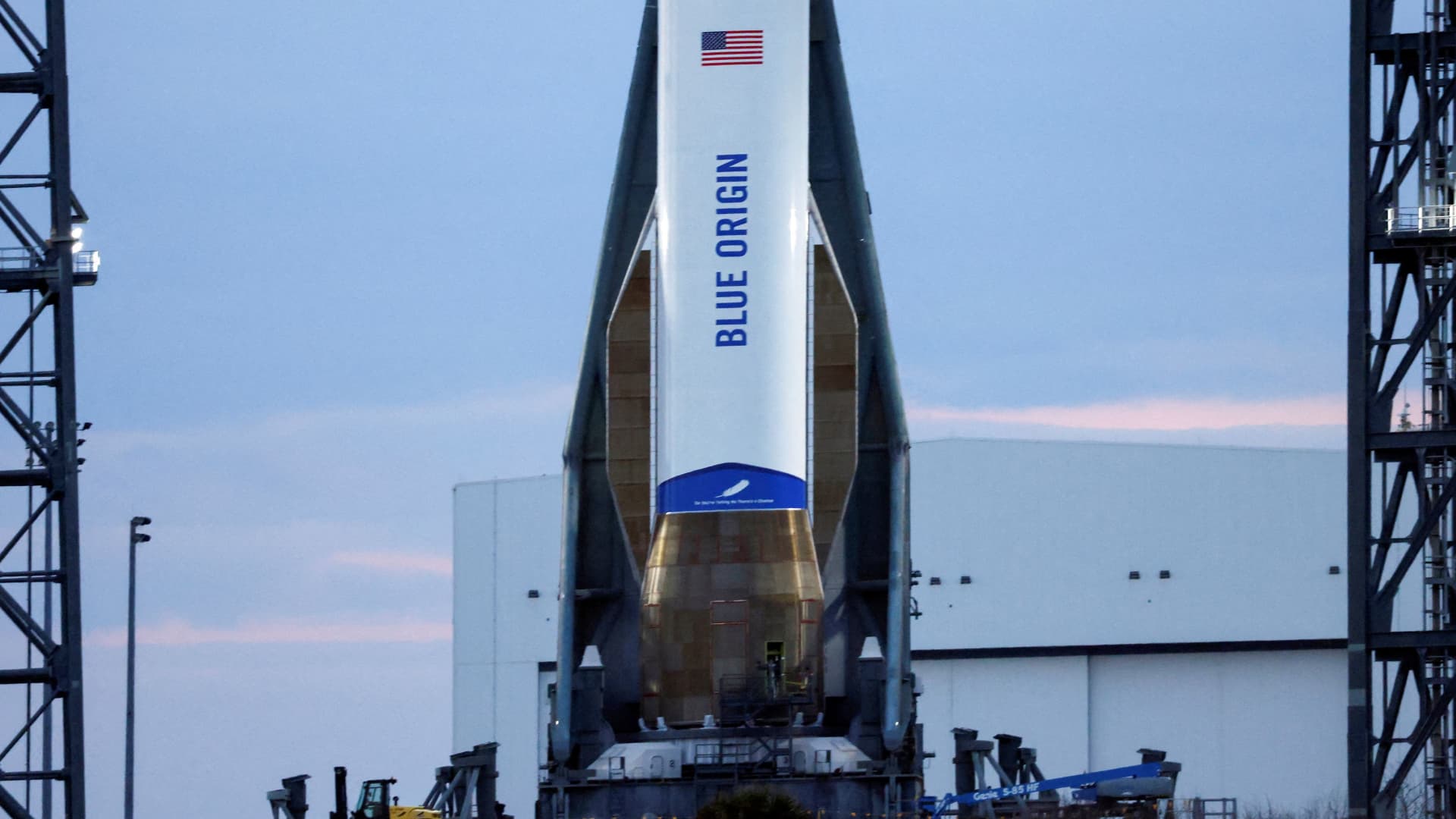
- Amazon Satellite Plans Hit Snag: Amazon's Blue Origin experienced a rocket explosion during a launch test in Florida, with no satellites on board; however, this incident could delay the deployment of Amazon's planned low-Earth orbit broadband satellite network, impacting its competition with SpaceX's Starlink.
- Investor Focus: Amazon has deployed approximately 240 satellites over the past year, and while partnerships with multiple launch providers mitigate the risk of a single launch failure, potential delays in future launches could complicate the timeline for its commercial service, expected to start in Q3.
- M&A Update: An FCC filing revealed details of Amazon's acquisition of Globalstar, including the transfer of Apple's 20% stake, marking a significant step in Amazon's strategy to expand its satellite offerings into direct-to-device services.
See More
AI Budget Crisis: Corporations Face Tough Choices


- Budget Overruns: Corporate AI budgets are being exhausted within one to two months, far exceeding expectations, forcing CFOs to make tough choices between technology and human resources, highlighting a misjudgment of AI costs by enterprises.
- Resource Allocation Shift: Leadership teams are reassessing the relationship between AI spending and employee numbers, with many companies potentially sacrificing future headcount growth in pursuit of AI efficiency, impacting overall operational strategies.
- Tech vs. Cost Comparison: For the first time, the cost of AI technology is on par with human labor, compelling companies to make difficult choices between tech investments and workforce resources, a situation unprecedented in history that could lead to fundamental changes in business operations.
- Inefficiency Challenges: Despite the power of AI technology, its inefficiency is evident, with 95% of enterprise AI usage still relying on the most expensive frontier models, necessitating optimization in model selection to reduce costs and enhance overall profitability.
See More
SpaceX Lowers IPO Target Valuation to $1.8 Trillion
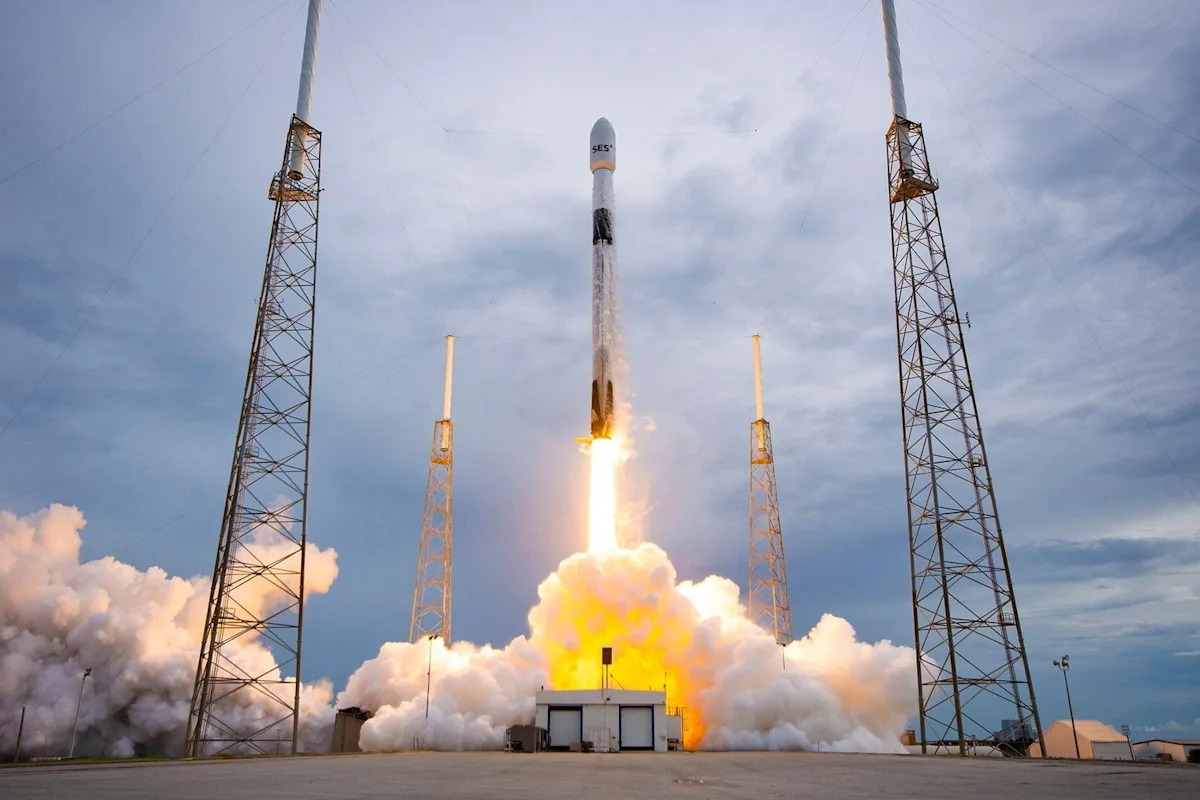
- IPO Target Adjustment: SpaceX has lowered its IPO target valuation from $2 trillion to $1.8 trillion, reflecting a cautious market sentiment regarding its future growth, which may impact investor confidence and lead to stock price volatility.
- Poor Financial Performance: According to the S-1 report, SpaceX's revenue grew by 33% to $18.7 billion in 2025, but due to a surge in R&D spending, it reported a GAAP operating loss of $2.6 billion, highlighting challenges in profitability.
- Market Potential Assessment: Despite its poor current performance, SpaceX claims a total addressable market of $28.5 trillion, primarily from AI enterprise applications, indicating optimism for future growth, yet actual results fail to support this valuation.
- Increased Competitive Pressure: The merger with xAI has not yielded the expected growth, with xAI's revenue at only $3.2 billion in 2025 and growth slowing to 12.5%, indicating that SpaceX faces intense competition in the AI sector, which could affect its overall valuation.
See More
Nvidia's Data Center Business Outlook is Positive
- Revenue Concentration: In Q1, Nvidia reported total revenue of $81.6 billion, with $75.2 billion coming from its data center division, indicating a strong reliance on this segment, which may lead the company to further shift focus away from gaming to enhance its competitive edge in data centers.
- Strong Capex Expectations: The four major hyperscalers are projected to spend around $650 billion on capital expenditures in 2023, with expectations to exceed $1 trillion by 2027, positioning Nvidia to benefit significantly from this massive spending, driving future growth.
- Significant Growth Rate: Nvidia's revenue grew by 85% year-over-year in Q1, a remarkable figure for a megacap company, suggesting that the market has yet to fully recognize its value; if valued similarly to peers, Nvidia's stock could be 2 to 3 times its current price, highlighting its undervalued potential.
- Increased Investment Confidence: With Nvidia's products at the core of a multitrillion-dollar infrastructure build-out, the unique combination of growth, value, and limited risk enhances investor confidence in its future performance, suggesting it will strongly outperform the S&P 500.
See More
Advance Auto Parts and Super Micro Computer Show High Options Trading Volume
- Advance Auto Parts Options Activity: Advance Auto Parts Inc (AAP) has seen an options trading volume of 49,108 contracts today, equating to approximately 4.9 million shares, which represents a significant 203.4% increase over its average daily trading volume, indicating a bullish sentiment in the market regarding AAP's future performance.
- High Call Option Volume: Among AAP's options, the $67.50 strike call option expiring on July 17, 2026, has recorded a trading volume of 17,555 contracts today, representing about 1.8 million underlying shares, reflecting strong investor expectations for a price increase in AAP.
- Super Micro Computer Options Activity: Super Micro Computer Inc (SMCI) has reported an options trading volume of 847,008 contracts today, representing approximately 84.7 million shares, which is 202.5% of its average daily trading volume, highlighting significant market interest in SMCI.
- Active Call Option Trading: The $48 strike call option for SMCI, expiring on May 29, 2026, has seen a trading volume of 51,449 contracts today, representing around 5.1 million shares, indicating investor confidence in SMCI's future growth prospects.
See More
Impact of Fed's Summer Silence on Markets
- Summer Trading Slowdown: During the Fed's silence from mid-June to late September, trading volumes typically decline, leading investors to take profits and rotate into defensive stocks, which often results in stagnation or declines in stock prices due to a lack of near-term catalysts.
- Long-Term Investor Advantage: Despite the summer doldrums, the S&P 500 has generated an average annual return of about 10% since its inception in 1957, indicating that long-term investors should not overly worry about the Fed's summer silence, as short-term fluctuations do not significantly impact long-term gains.
- Historical Trend Analysis: Historically, July has been the best month for the S&P 500, with positive corporate earnings amplifying gains, while August and September are generally the weakest months as investors tighten their bets ahead of the Fed's meetings.
- Market Uncertainty Factors: While investors should monitor the Fed's interest rate decisions, history shows that top U.S. companies have thrived despite interest rate swings, suggesting that long-term investors should remain vigilant rather than blindly follow market trends.
See More
Market Update: Stocks Steady Amid Oil Price Drop
- Market Performance Review: Despite falling oil prices, the S&P 500 and Nasdaq Composite remained steady in Friday's trading, with the S&P 500 up 5% and Nasdaq over 8% in May, reflecting the positive impact of a strong rally in AI stocks on the market.
- Amazon Satellite Plans Hit Snag: Amazon's Blue Origin experienced a rocket explosion during a launch test in Florida, with no satellites on board; however, this incident could delay the deployment of Amazon's planned low-Earth orbit broadband satellite network, impacting its competition with SpaceX's Starlink.
- Investor Focus: Amazon has deployed approximately 240 satellites over the past year, and while partnerships with multiple launch providers mitigate the risk of a single launch failure, potential delays in future launches could complicate the timeline for its commercial service, expected to start in Q3.
- M&A Update: An FCC filing revealed details of Amazon's acquisition of Globalstar, including the transfer of Apple's 20% stake, marking a significant step in Amazon's strategy to expand its satellite offerings into direct-to-device services.
See More
AI Budget Crisis: Corporations Face Tough Choices
- Budget Overruns: Corporate AI budgets are being exhausted within one to two months, far exceeding expectations, forcing CFOs to make tough choices between technology and human resources, highlighting a misjudgment of AI costs by enterprises.
- Resource Allocation Shift: Leadership teams are reassessing the relationship between AI spending and employee numbers, with many companies potentially sacrificing future headcount growth in pursuit of AI efficiency, impacting overall operational strategies.
- Tech vs. Cost Comparison: For the first time, the cost of AI technology is on par with human labor, compelling companies to make difficult choices between tech investments and workforce resources, a situation unprecedented in history that could lead to fundamental changes in business operations.
- Inefficiency Challenges: Despite the power of AI technology, its inefficiency is evident, with 95% of enterprise AI usage still relying on the most expensive frontier models, necessitating optimization in model selection to reduce costs and enhance overall profitability.
See More
SpaceX Lowers IPO Target Valuation to $1.8 Trillion
- IPO Target Adjustment: SpaceX has lowered its IPO target valuation from $2 trillion to $1.8 trillion, reflecting a cautious market sentiment regarding its future growth, which may impact investor confidence and lead to stock price volatility.
- Poor Financial Performance: According to the S-1 report, SpaceX's revenue grew by 33% to $18.7 billion in 2025, but due to a surge in R&D spending, it reported a GAAP operating loss of $2.6 billion, highlighting challenges in profitability.
- Market Potential Assessment: Despite its poor current performance, SpaceX claims a total addressable market of $28.5 trillion, primarily from AI enterprise applications, indicating optimism for future growth, yet actual results fail to support this valuation.
- Increased Competitive Pressure: The merger with xAI has not yielded the expected growth, with xAI's revenue at only $3.2 billion in 2025 and growth slowing to 12.5%, indicating that SpaceX faces intense competition in the AI sector, which could affect its overall valuation.
See More