Congressman Crenshaw Loses Primary, Trading Gains Reviewed
Written by Emily J. Thompson, Senior Investment Analyst
Updated: Mar 04 2026
0mins


Should l Buy AAPL?
Source: Benzinga
- Primary Loss: Congressman Dan Crenshaw lost his primary race against Texas State Rep. Steve Toth on Tuesday, which means he will exit Congress in January 2027; while this is bad news for him, his trading activity shows strong profitability.
- Trading Activity Review: Once a top trader in Congress in 2021 and 2022, Crenshaw has not actively bought or sold stocks in recent years, but his latest stock purchases, as of May 2025 filings, are all up, with several of the Magnificent Seven stocks rising over 180% since 2022.
- ETF Trading Halt: Crenshaw has not purchased any ETFs since 2023 or stocks since 2022, and while he was once recognized as one of Congress's best traders, investors will no longer be able to track his trading activity after he leaves the House, potentially impacting market interest in his investment strategies.
- Uncertain Future: Crenshaw has not announced his plans after leaving Congress, and given his past trading performance, he may turn to the financial sector, but this also means he will no longer be legally required to disclose trades.
Trade with 70% Backtested Accuracy
Stop guessing "Should I Buy AAPL?" and start using high-conviction signals backed by rigorous historical data.
Sign up today to access powerful investing tools and make smarter, data-driven decisions.
Analyst Views on AAPL
Wall Street analysts forecast AAPL stock price to rise
27 Analyst Rating
17 Buy
9 Hold
1 Sell
Moderate Buy
Current: 255.630

Low
239.00
Averages
306.89
High
350.00
Current: 255.630
Low
239.00
Averages
306.89
High
350.00
About AAPL
Apple Inc. designs, manufactures and markets smartphones, personal computers, tablets, wearables and accessories, and sells a variety of related services. Its product categories include iPhone, Mac, iPad, and Wearables, Home and Accessories. Its software platforms include iOS, iPadOS, macOS, watchOS, visionOS, and tvOS. Its services include advertising, AppleCare, cloud services, digital content and payment services. The Company operates various platforms, including the App Store, that allow customers to discover and download applications and digital content, such as books, music, video, games and podcasts. It also offers digital content through subscription-based services, including Apple Arcade, Apple Fitness+, Apple Music, Apple News+, and Apple TV+. Its products include iPhone 16 Pro, iPhone 16, iPhone 15, iPhone 14, iPhone SE, MacBook Air, MacBook Pro, iMac, Mac mini, Mac Studio, Mac Pro, iPad Pro, iPad Air, AirPods, AirPods Pro, AirPods Max, Apple TV, Apple Vision Pro and others.
About the author

Emily J. Thompson
Emily J. Thompson, a Chartered Financial Analyst (CFA) with 12 years in investment research, graduated with honors from the Wharton School. Specializing in industrial and technology stocks, she provides in-depth analysis for Intellectia’s earnings and market brief reports.

Apple's 50th Anniversary: iPhone Leads Future Prospects

- Market Share Advantage: The iPhone commands a market share of 50% to 65% in the U.S. and approximately 32% globally, solidifying Apple's dominance in the smartphone sector and enhancing its brand influence and user loyalty.
- Ecosystem Expansion: With 2.5 billion active iOS devices, Apple's seamless integration of hardware and software enhances user experience and promotes high-margin cross-selling, ensuring a long-term customer base and revenue growth.
- Strong Financial Performance: Apple generated over $123 billion in free cash flow over the past four quarters, achieving a 68% return on invested capital, demonstrating its efficient supply chain management and profitability, which further supports stock buybacks and dividend growth.
- Future Product Development: Apple is developing new hardware products like the MacBook Neo and AI glasses, indicating its commitment to continuous innovation, which not only helps maintain market competitiveness but may also open new revenue streams.
See More
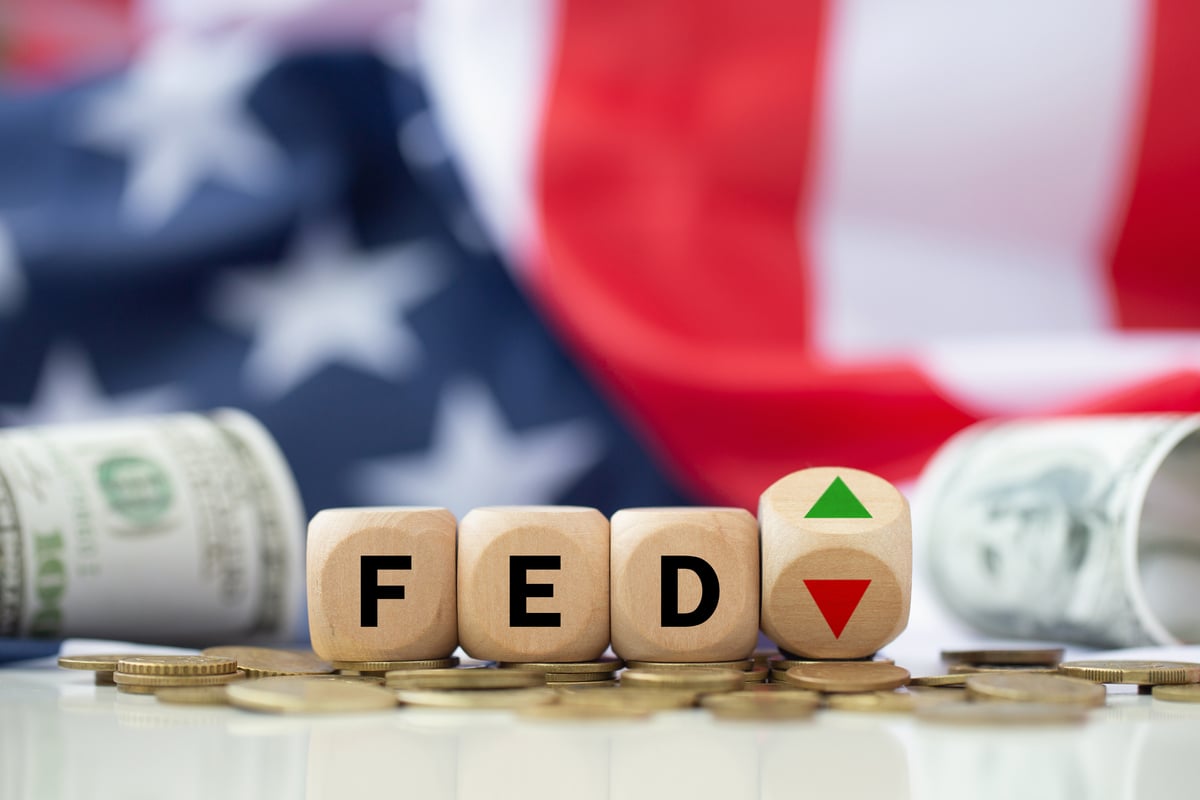
Federal Reserve Holds Rates Steady, Investors Should Stay Calm
- Rate Decision Stability: The Federal Reserve decided to keep the federal funds rate unchanged at 3.5% to 3.75% during its March 18 meeting, reflecting a cautious stance towards the economy, which may influence investor decisions.
- Market Reaction Uncertainty: Investors attempting to predict the Fed's interest rate direction often fail, as market reactions are unpredictable; ongoing economic uncertainties can lead investors to make detrimental decisions.
- High-Quality Companies' Resilience: High-quality firms like Apple (AAPL), which had $54 billion in net cash at the end of 2025 and reported a net income of $42.1 billion in Q1 2026, demonstrate strong financial health, making them less susceptible to Fed decisions.
- Long-Term Investment Strategy: Long-term investors should focus on high-quality companies and avoid hasty decisions driven by short-term market fluctuations, thereby achieving better investment returns.
See More
Apple Celebrates 50 Years: Future Outlook and Market Position
- Shareholder Returns: Since 1990, Apple stock has returned over 97,000%, providing long-term investors with substantial wealth, although future performance may not match past achievements.
- Strong Market Share: The iPhone commands a market share of 50% to 65% in the U.S. and approximately 32% globally, solidifying Apple's dominant position in the smartphone market and enhancing its competitive edge.
- Ecosystem Advantages: With 2.5 billion active iOS devices, Apple's seamless hardware and software integration not only enhances user experience but also promotes high-margin cross-selling, increasing customer loyalty.
- Robust Financial Performance: Apple generated over $123 billion in free cash flow over the past four quarters, achieving a remarkable 68% return on invested capital, continuously buying back stock and increasing dividends, reflecting its strong financial health.
See More

Impact of Federal Reserve Policies on Investors
- Federal Reserve Rate Decision: On March 18, the Federal Reserve decided to keep the federal funds rate unchanged at a range of 3.5% to 3.75%, indicating a cautious approach to economic growth, which suggests no significant rate changes in the near term, urging investors to remain patient.
- Advantages of High-Quality Companies: For instance, Apple reported $54 billion in net cash at the end of 2025 and $42.1 billion in net income for Q1 2026, translating to a net margin of 29%, demonstrating that strong financial health provides resilience in uncertain market conditions.
- Investor Psychology and Market Reaction: While investors are highly attentive to Federal Reserve decisions, attempting to predict interest rate movements is often futile, as the uncertainty of market reactions can lead to poor decision-making that negatively impacts portfolio performance.
- Long-Term Investment Strategy: Successful investors should focus on the fundamentals of high-quality companies rather than being swayed by short-term market fluctuations, maintaining patience and rationality to achieve sustainable investment returns in a complex economic environment.
See More
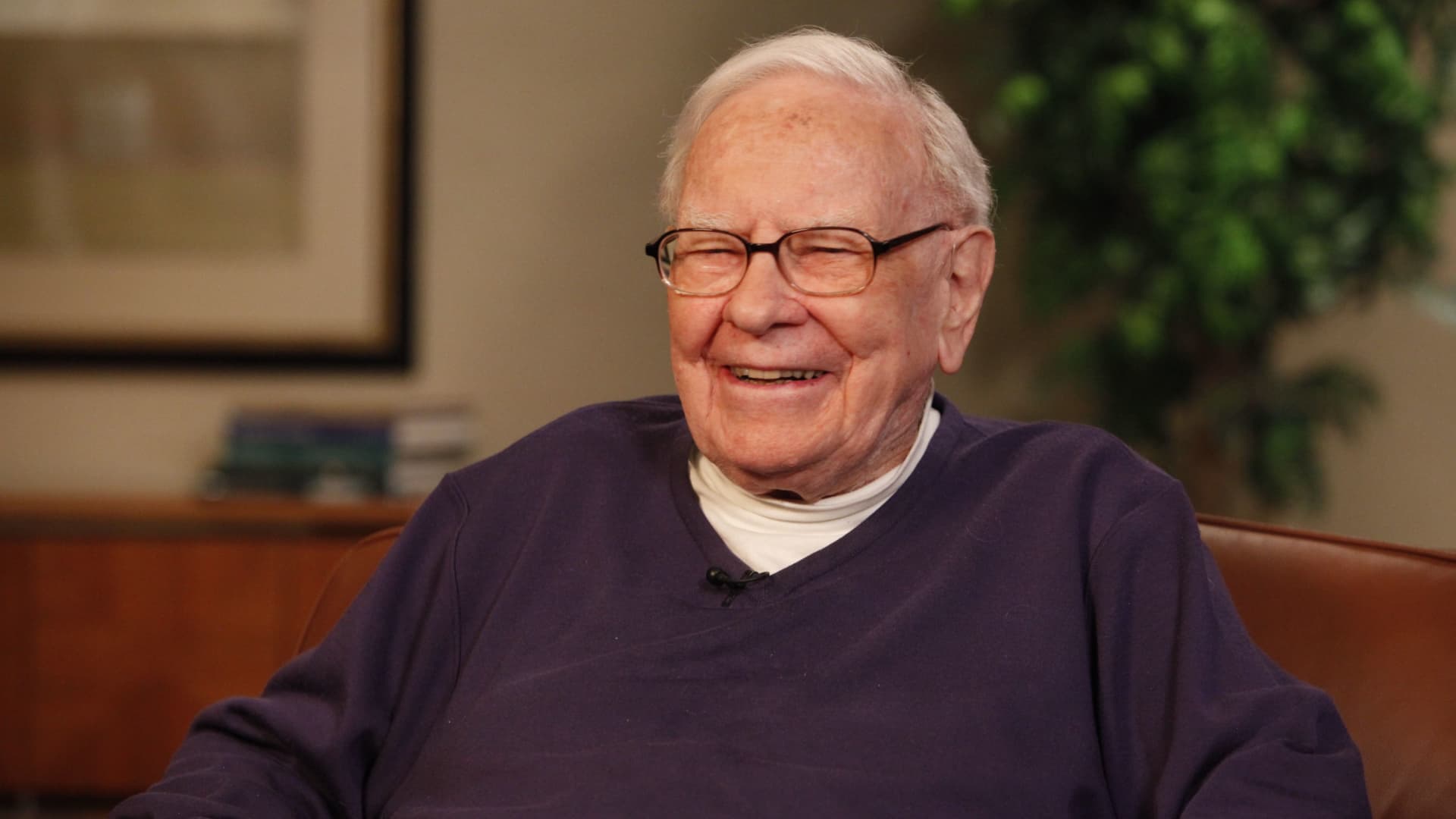
Buffett May End Donations to Gates Foundation Over Epstein Ties


- Donation Tensions: Buffett is considering halting his annual multi-billion dollar donations to the Gates Foundation due to Gates' ties to Epstein, indicating a significant impact on the foundation's funding sources and operations.
- Friendship Breakdown: In an interview, Buffett stated he has not spoken to Gates since the Epstein revelations, suggesting their friendship may be over, which could affect the future functioning of the Gates Foundation.
- Uncertain Donation Commitment: Buffett mentioned he will “wait and see what unfolds” regarding his donations, leaving the foundation's financial future uncertain and potentially jeopardizing its charitable initiatives.
- Concerns for the Future: Buffett expressed worries about the Gates Foundation's future, emphasizing the need for clarity on the situation, which may lead to increased scrutiny and regulation of charitable organizations.
See More

Buffett's Investment Philosophy and Core Holdings

- Apple's Competitive Edge: Berkshire Hathaway holds a 1.6% stake in Apple, valued at approximately $56.4 billion, representing 18.1% of its portfolio, highlighting Apple's strong competitive advantage in customer loyalty and ecosystem; despite a current P/E ratio of 32, long-term earnings growth and buyback commitments may yield stable returns.
- American Express Market Performance: Berkshire gradually built a 22% stake in American Express between 1991 and 1995, and while the S&P 500 has recently outperformed, American Express is expected to maintain steady profit growth amid economic challenges due to its brand and customer loyalty, with a current P/E ratio of 19 and significant future dividend growth potential.
- Coca-Cola's Steady Returns: Berkshire Hathaway owns 9.3% of Coca-Cola, and since starting its investment in 1988, the total return has been 3,580%, slightly below the S&P 500's 3,700%; however, Coca-Cola's 64 consecutive years of dividend growth provides stable cash flow for Berkshire to support new investments.
- Investor Choices: Although Apple is considered a quality stock, it is not included in the Motley Fool analyst team's list of 10 best stocks, indicating a market focus on other potential high-return stocks, suggesting investors should consider diversifying their portfolios for higher yields.
See More
Apple's 50th Anniversary: iPhone Leads Future Prospects
- Market Share Advantage: The iPhone commands a market share of 50% to 65% in the U.S. and approximately 32% globally, solidifying Apple's dominance in the smartphone sector and enhancing its brand influence and user loyalty.
- Ecosystem Expansion: With 2.5 billion active iOS devices, Apple's seamless integration of hardware and software enhances user experience and promotes high-margin cross-selling, ensuring a long-term customer base and revenue growth.
- Strong Financial Performance: Apple generated over $123 billion in free cash flow over the past four quarters, achieving a 68% return on invested capital, demonstrating its efficient supply chain management and profitability, which further supports stock buybacks and dividend growth.
- Future Product Development: Apple is developing new hardware products like the MacBook Neo and AI glasses, indicating its commitment to continuous innovation, which not only helps maintain market competitiveness but may also open new revenue streams.
See More
Federal Reserve Holds Rates Steady, Investors Should Stay Calm
- Rate Decision Stability: The Federal Reserve decided to keep the federal funds rate unchanged at 3.5% to 3.75% during its March 18 meeting, reflecting a cautious stance towards the economy, which may influence investor decisions.
- Market Reaction Uncertainty: Investors attempting to predict the Fed's interest rate direction often fail, as market reactions are unpredictable; ongoing economic uncertainties can lead investors to make detrimental decisions.
- High-Quality Companies' Resilience: High-quality firms like Apple (AAPL), which had $54 billion in net cash at the end of 2025 and reported a net income of $42.1 billion in Q1 2026, demonstrate strong financial health, making them less susceptible to Fed decisions.
- Long-Term Investment Strategy: Long-term investors should focus on high-quality companies and avoid hasty decisions driven by short-term market fluctuations, thereby achieving better investment returns.
See More
Apple Celebrates 50 Years: Future Outlook and Market Position
- Shareholder Returns: Since 1990, Apple stock has returned over 97,000%, providing long-term investors with substantial wealth, although future performance may not match past achievements.
- Strong Market Share: The iPhone commands a market share of 50% to 65% in the U.S. and approximately 32% globally, solidifying Apple's dominant position in the smartphone market and enhancing its competitive edge.
- Ecosystem Advantages: With 2.5 billion active iOS devices, Apple's seamless hardware and software integration not only enhances user experience but also promotes high-margin cross-selling, increasing customer loyalty.
- Robust Financial Performance: Apple generated over $123 billion in free cash flow over the past four quarters, achieving a remarkable 68% return on invested capital, continuously buying back stock and increasing dividends, reflecting its strong financial health.
See More
Impact of Federal Reserve Policies on Investors
- Federal Reserve Rate Decision: On March 18, the Federal Reserve decided to keep the federal funds rate unchanged at a range of 3.5% to 3.75%, indicating a cautious approach to economic growth, which suggests no significant rate changes in the near term, urging investors to remain patient.
- Advantages of High-Quality Companies: For instance, Apple reported $54 billion in net cash at the end of 2025 and $42.1 billion in net income for Q1 2026, translating to a net margin of 29%, demonstrating that strong financial health provides resilience in uncertain market conditions.
- Investor Psychology and Market Reaction: While investors are highly attentive to Federal Reserve decisions, attempting to predict interest rate movements is often futile, as the uncertainty of market reactions can lead to poor decision-making that negatively impacts portfolio performance.
- Long-Term Investment Strategy: Successful investors should focus on the fundamentals of high-quality companies rather than being swayed by short-term market fluctuations, maintaining patience and rationality to achieve sustainable investment returns in a complex economic environment.
See More
Buffett May End Donations to Gates Foundation Over Epstein Ties
- Donation Tensions: Buffett is considering halting his annual multi-billion dollar donations to the Gates Foundation due to Gates' ties to Epstein, indicating a significant impact on the foundation's funding sources and operations.
- Friendship Breakdown: In an interview, Buffett stated he has not spoken to Gates since the Epstein revelations, suggesting their friendship may be over, which could affect the future functioning of the Gates Foundation.
- Uncertain Donation Commitment: Buffett mentioned he will “wait and see what unfolds” regarding his donations, leaving the foundation's financial future uncertain and potentially jeopardizing its charitable initiatives.
- Concerns for the Future: Buffett expressed worries about the Gates Foundation's future, emphasizing the need for clarity on the situation, which may lead to increased scrutiny and regulation of charitable organizations.
See More
Buffett's Investment Philosophy and Core Holdings
- Apple's Competitive Edge: Berkshire Hathaway holds a 1.6% stake in Apple, valued at approximately $56.4 billion, representing 18.1% of its portfolio, highlighting Apple's strong competitive advantage in customer loyalty and ecosystem; despite a current P/E ratio of 32, long-term earnings growth and buyback commitments may yield stable returns.
- American Express Market Performance: Berkshire gradually built a 22% stake in American Express between 1991 and 1995, and while the S&P 500 has recently outperformed, American Express is expected to maintain steady profit growth amid economic challenges due to its brand and customer loyalty, with a current P/E ratio of 19 and significant future dividend growth potential.
- Coca-Cola's Steady Returns: Berkshire Hathaway owns 9.3% of Coca-Cola, and since starting its investment in 1988, the total return has been 3,580%, slightly below the S&P 500's 3,700%; however, Coca-Cola's 64 consecutive years of dividend growth provides stable cash flow for Berkshire to support new investments.
- Investor Choices: Although Apple is considered a quality stock, it is not included in the Motley Fool analyst team's list of 10 best stocks, indicating a market focus on other potential high-return stocks, suggesting investors should consider diversifying their portfolios for higher yields.
See More