Coalition of Firms Including Google and Tesla to Tackle Energy Affordability by Utilizing Underutilized Electricity Grid Capacity - Axios
Written by Emily J. Thompson, Senior Investment Analyst
Updated: Mar 10 2026
0mins
Source: moomoo
- Coalition of Companies: A coalition including Google and Tesla is forming to address energy affordability issues.
- Utilizing Electric Grid: The coalition aims to tap into underused electric grid capacity to enhance energy access and affordability.
Trade with 70% Backtested Accuracy
Stop guessing "Should I Buy TSLA?" and start using high-conviction signals backed by rigorous historical data.
Sign up today to access powerful investing tools and make smarter, data-driven decisions.
Analyst Views on TSLA
Wall Street analysts forecast TSLA stock price to fall
30 Analyst Rating
12 Buy
11 Hold
7 Sell
Hold
Current: 408.950

Low
25.28
Averages
401.93
High
600.00
Current: 408.950
Low
25.28
Averages
401.93
High
600.00
About TSLA
Tesla, Inc. designs, develops, manufactures, sells and leases high-performance fully electric vehicles and energy generation and storage systems, and offers services related to its products. Its segments include automotive, and energy generation and storage. The automotive segment includes the design, development, manufacturing, sales and leasing of high-performance fully electric vehicles, and sales of automotive regulatory credits. It also includes sales of used vehicles, non-warranty maintenance services and collisions, part sales, paid supercharging, insurance services revenue and retail merchandise sales. The energy generation and storage segment include the design, manufacture, installation, sales and leasing of solar energy generation and energy storage products and related services and sales of solar energy systems incentives. Its consumer vehicles include the Model 3, Y, S, X and Cybertruck. Its lithium-ion battery energy storage products include Powerwall and Megapack.
About the author

Emily J. Thompson
Emily J. Thompson, a Chartered Financial Analyst (CFA) with 12 years in investment research, graduated with honors from the Wharton School. Specializing in industrial and technology stocks, she provides in-depth analysis for Intellectia’s earnings and market brief reports.
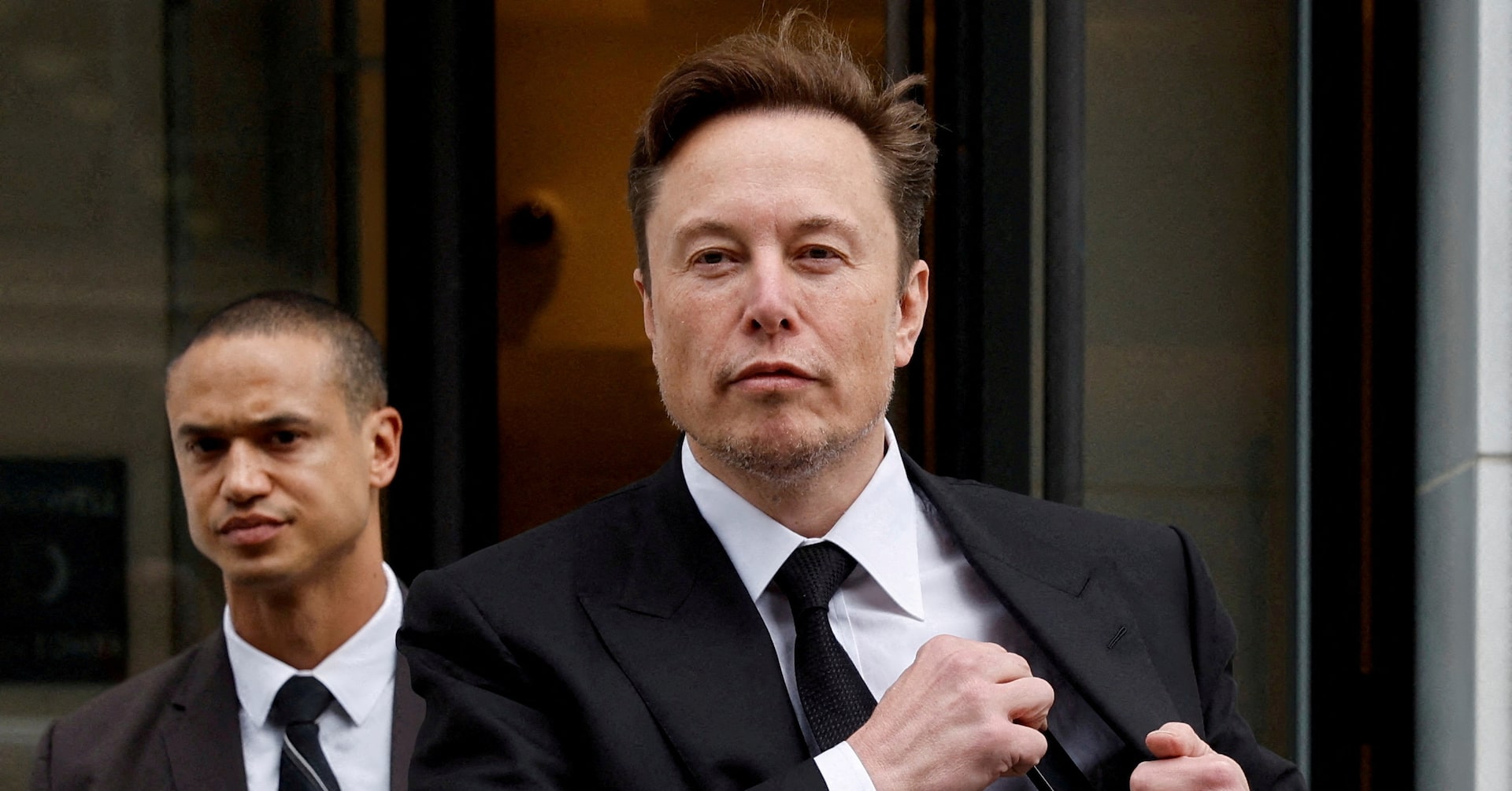
SpaceX Set for Historic IPO, Potentially Raising $75 Billion

- Record IPO Size: SpaceX is set to go public on June 12, aiming to raise up to $75 billion, which would surpass the $29.4 billion record set by Saudi Aramco in 2019, marking a significant milestone for the company in capital markets.
- Market Valuation Outlook: If successful, SpaceX's market capitalization could reach $1.8 trillion, placing it among the top ten most valuable companies globally and surpassing Tesla, further solidifying Elon Musk's leadership in the tech sector.
- Starlink Profitability: Starlink, as the profitable core of SpaceX, generated $11.4 billion of the company's total $18.7 billion revenue last year, with a 50% growth rate, demonstrating strong performance in the satellite internet market and supporting the company's overall financial health.
- AI Business Challenges: While SpaceX dominates the space launch market, its AI division, xAI, faces intense competition, achieving only $1.4 billion in sales last year while burning about $1 billion monthly, leaving its future profitability uncertain and potentially impacting overall valuation.
See More
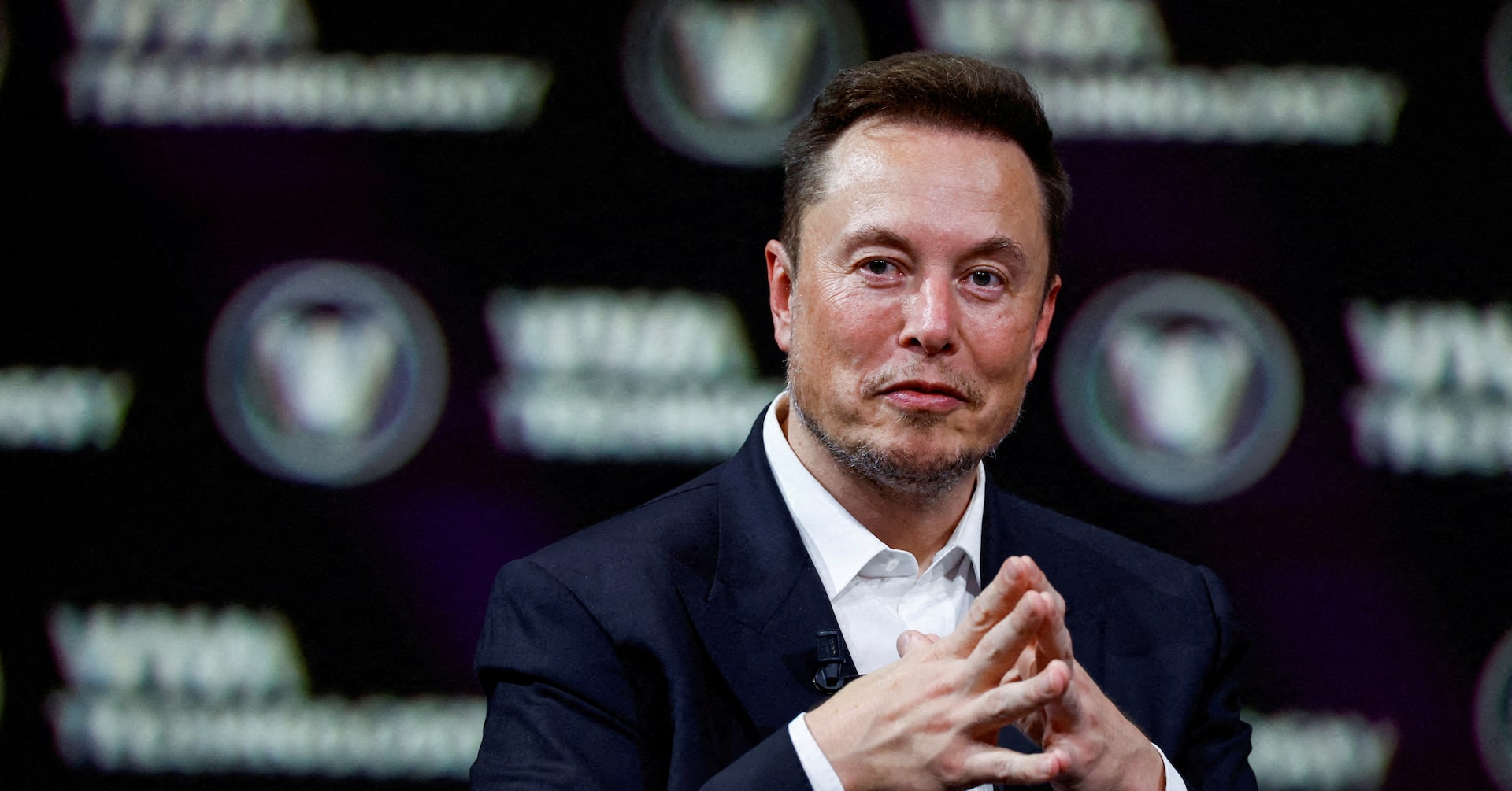
Tesla Launches Unsupervised Robotaxi Service in Austin
- Robotaxi Service Launch: Tesla's launch of its unsupervised robotaxi service in Austin represents a significant step towards fully autonomous operations, which is expected to enhance future revenue potential and solidify its leadership in the electric vehicle market.
- Sales Recovery in China: According to the China Passenger Car Association, Tesla's retail sales surged 22.5% in May to 47,281 vehicles, breaking a two-month streak of declining sales, indicating a recovery in market demand.
- Stock Price Volatility and Market Reaction: Following the announcement, Tesla's shares rose by 5.5%, although they later cooled to $409.76, still reflecting a 4.8% increase from the previous close, indicating a positive market reaction but not a fundamental shift in perception.
- Analyst Rating Adjustment: JPMorgan upgraded Tesla's rating from Underweight to Neutral, raising the price target by 228% to $475, yet analysts remain cautious about the company's future profitability, noting the lack of genuinely new vehicle launches that could justify its current valuation.
See More
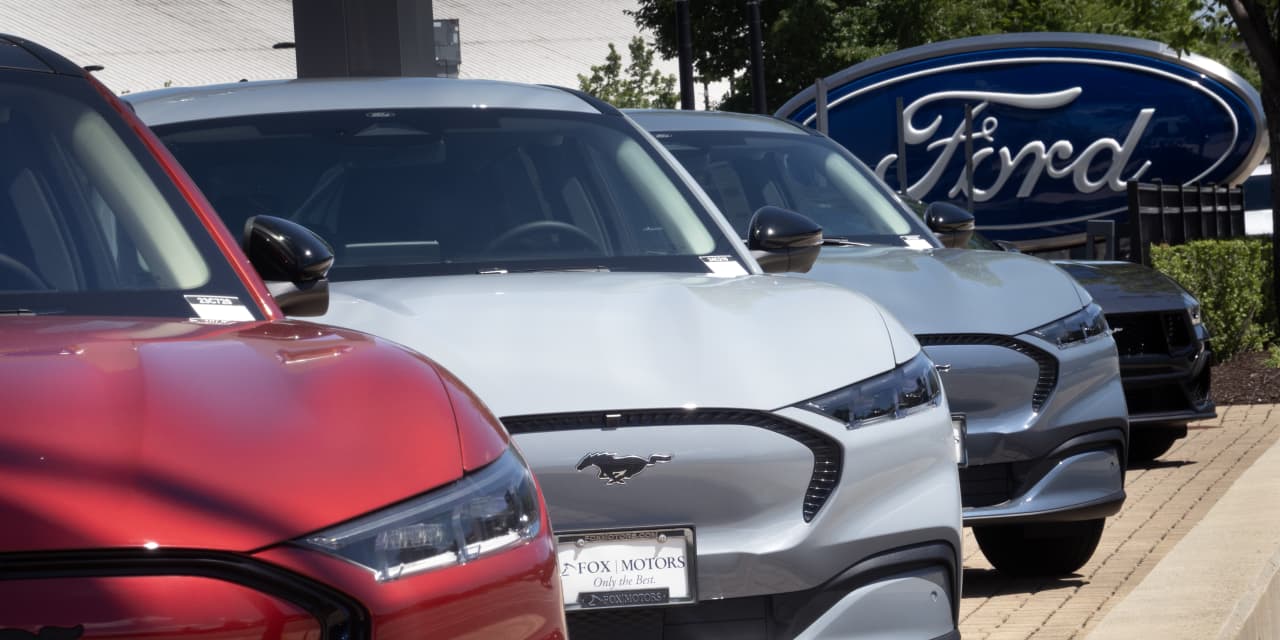
GM Expands Energy Storage and Battery Development Efforts

- Energy Storage Strategy: GM is intensifying its investments in energy storage and data centers, planning to promote various battery chemistries to address rising energy costs, which is expected to significantly enhance the economic benefits for EV owners.
- Sodium-Ion Battery Development: GM is partnering with startup Peak Energy to develop sodium-ion batteries, anticipated to be available for customer use after 2028, which offer advantages in large energy storage systems due to lower cooling requirements and cost benefits.
- Grid Service Capability Enhancement: GM plans to enhance vehicle-to-grid capabilities, allowing EVs to send energy back to the grid during peak hours, thereby helping users reduce energy costs, which is expected to attract more customers to its electric vehicles.
- Charging Convenience Improvement: GM has launched an
See More

SpaceX IPO Set for June 12 at $1.77 Trillion Valuation

- IPO Valuation and Funding: SpaceX plans to go public on June 12 with a valuation of $1.77 trillion, aiming to raise up to $75 billion, which would surpass Tesla's market cap, indicating strong market confidence in its future growth.
- Market Potential Analysis: The company states in its IPO prospectus that its quantifiable total addressable market (TAM) is $28.5 trillion, with $26.5 trillion coming from the artificial intelligence sector, highlighting a strategic shift towards high-growth AI business.
- Launch Cost Reduction: By utilizing reusable rocket technology, SpaceX has reduced the launch cost of its Falcon 9 rocket from $62 million in 2020 to a projected $10 million, significantly enhancing its market competitiveness and laying the groundwork for the expansion of its Starlink internet service.
- Capital Expenditure Forecast: Evercore ISI projects that SpaceX's capital expenditures will reach $360 billion by 2030 and double to $732 billion by 2031, almost entirely dedicated to AI, which will be crucial for achieving its revenue targets and reflects the reasonableness of its IPO valuation.
See More
SpaceX IPO Set to Break Records with $1.77 Trillion Valuation
- Record IPO Valuation: SpaceX plans to go public on June 12 with a valuation of $1.77 trillion, aiming to raise up to $75 billion, which would surpass Tesla's market cap, marking one of the largest IPOs in history.
- Massive Market Potential: The company states in its IPO prospectus that its quantifiable total addressable market (TAM) is $28.5 trillion, with $26.5 trillion attributed to artificial intelligence, highlighting its significant future tech market potential.
- Significant Cost Reductions: SpaceX has reduced launch costs through reusable rockets, with Falcon 9 launches costing $62 million in 2020, and future Starship launches projected at just $10 million, facilitating the expansion of related businesses like Starlink.
- Surging Capital Expenditures: By 2031, SpaceX's capital expenditures are expected to reach $732 billion, primarily focused on artificial intelligence, making this strategic investment crucial for achieving its revenue targets, despite only totaling $20 billion last year.
See More

Two Giants Announce Over $10 Billion Deal


- Massive Deal Size: The two giants announced a deal potentially worth over $10 billion, showcasing their strong market influence and collaborative potential, which is expected to positively impact their respective market shares.
- Positive Market Reaction: Based on the afternoon stock prices from June 7, 2026, the market reacted positively to the announcement, likely driving up related stock prices and boosting investor confidence.
- Strategic Collaboration Outlook: This deal represents not just a financial transaction but a deep collaboration in technology, resources, and market expansion, which is anticipated to enhance both companies' competitive advantages.
- Optimistic Future Prospects: As the deal progresses, it is expected to create new growth opportunities for both parties, particularly in a rapidly changing market environment, where their synergies will further strengthen.
See More
SpaceX Set for Historic IPO, Potentially Raising $75 Billion
- Record IPO Size: SpaceX is set to go public on June 12, aiming to raise up to $75 billion, which would surpass the $29.4 billion record set by Saudi Aramco in 2019, marking a significant milestone for the company in capital markets.
- Market Valuation Outlook: If successful, SpaceX's market capitalization could reach $1.8 trillion, placing it among the top ten most valuable companies globally and surpassing Tesla, further solidifying Elon Musk's leadership in the tech sector.
- Starlink Profitability: Starlink, as the profitable core of SpaceX, generated $11.4 billion of the company's total $18.7 billion revenue last year, with a 50% growth rate, demonstrating strong performance in the satellite internet market and supporting the company's overall financial health.
- AI Business Challenges: While SpaceX dominates the space launch market, its AI division, xAI, faces intense competition, achieving only $1.4 billion in sales last year while burning about $1 billion monthly, leaving its future profitability uncertain and potentially impacting overall valuation.
See More
Tesla Launches Unsupervised Robotaxi Service in Austin
- Robotaxi Service Launch: Tesla's launch of its unsupervised robotaxi service in Austin represents a significant step towards fully autonomous operations, which is expected to enhance future revenue potential and solidify its leadership in the electric vehicle market.
- Sales Recovery in China: According to the China Passenger Car Association, Tesla's retail sales surged 22.5% in May to 47,281 vehicles, breaking a two-month streak of declining sales, indicating a recovery in market demand.
- Stock Price Volatility and Market Reaction: Following the announcement, Tesla's shares rose by 5.5%, although they later cooled to $409.76, still reflecting a 4.8% increase from the previous close, indicating a positive market reaction but not a fundamental shift in perception.
- Analyst Rating Adjustment: JPMorgan upgraded Tesla's rating from Underweight to Neutral, raising the price target by 228% to $475, yet analysts remain cautious about the company's future profitability, noting the lack of genuinely new vehicle launches that could justify its current valuation.
See More
GM Expands Energy Storage and Battery Development Efforts
- Energy Storage Strategy: GM is intensifying its investments in energy storage and data centers, planning to promote various battery chemistries to address rising energy costs, which is expected to significantly enhance the economic benefits for EV owners.
- Sodium-Ion Battery Development: GM is partnering with startup Peak Energy to develop sodium-ion batteries, anticipated to be available for customer use after 2028, which offer advantages in large energy storage systems due to lower cooling requirements and cost benefits.
- Grid Service Capability Enhancement: GM plans to enhance vehicle-to-grid capabilities, allowing EVs to send energy back to the grid during peak hours, thereby helping users reduce energy costs, which is expected to attract more customers to its electric vehicles.
- Charging Convenience Improvement: GM has launched an
See More
SpaceX IPO Set for June 12 at $1.77 Trillion Valuation
- IPO Valuation and Funding: SpaceX plans to go public on June 12 with a valuation of $1.77 trillion, aiming to raise up to $75 billion, which would surpass Tesla's market cap, indicating strong market confidence in its future growth.
- Market Potential Analysis: The company states in its IPO prospectus that its quantifiable total addressable market (TAM) is $28.5 trillion, with $26.5 trillion coming from the artificial intelligence sector, highlighting a strategic shift towards high-growth AI business.
- Launch Cost Reduction: By utilizing reusable rocket technology, SpaceX has reduced the launch cost of its Falcon 9 rocket from $62 million in 2020 to a projected $10 million, significantly enhancing its market competitiveness and laying the groundwork for the expansion of its Starlink internet service.
- Capital Expenditure Forecast: Evercore ISI projects that SpaceX's capital expenditures will reach $360 billion by 2030 and double to $732 billion by 2031, almost entirely dedicated to AI, which will be crucial for achieving its revenue targets and reflects the reasonableness of its IPO valuation.
See More
SpaceX IPO Set to Break Records with $1.77 Trillion Valuation
- Record IPO Valuation: SpaceX plans to go public on June 12 with a valuation of $1.77 trillion, aiming to raise up to $75 billion, which would surpass Tesla's market cap, marking one of the largest IPOs in history.
- Massive Market Potential: The company states in its IPO prospectus that its quantifiable total addressable market (TAM) is $28.5 trillion, with $26.5 trillion attributed to artificial intelligence, highlighting its significant future tech market potential.
- Significant Cost Reductions: SpaceX has reduced launch costs through reusable rockets, with Falcon 9 launches costing $62 million in 2020, and future Starship launches projected at just $10 million, facilitating the expansion of related businesses like Starlink.
- Surging Capital Expenditures: By 2031, SpaceX's capital expenditures are expected to reach $732 billion, primarily focused on artificial intelligence, making this strategic investment crucial for achieving its revenue targets, despite only totaling $20 billion last year.
See More
Two Giants Announce Over $10 Billion Deal
- Massive Deal Size: The two giants announced a deal potentially worth over $10 billion, showcasing their strong market influence and collaborative potential, which is expected to positively impact their respective market shares.
- Positive Market Reaction: Based on the afternoon stock prices from June 7, 2026, the market reacted positively to the announcement, likely driving up related stock prices and boosting investor confidence.
- Strategic Collaboration Outlook: This deal represents not just a financial transaction but a deep collaboration in technology, resources, and market expansion, which is anticipated to enhance both companies' competitive advantages.
- Optimistic Future Prospects: As the deal progresses, it is expected to create new growth opportunities for both parties, particularly in a rapidly changing market environment, where their synergies will further strengthen.
See More