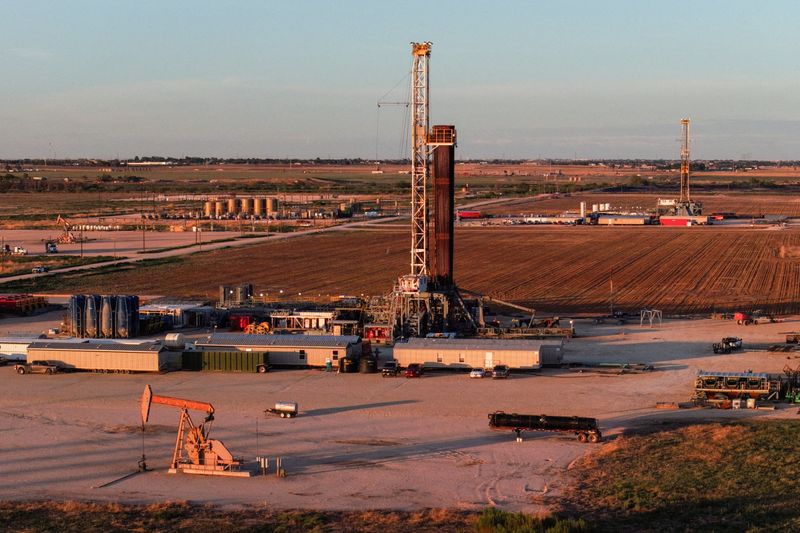
Closure of Strait of Hormuz Drives Fertilizer Prices Up
Written by Emily J. Thompson, Senior Investment Analyst
Updated: Mar 19 2026
0mins
Should l Buy MOS?
Source: CNBC
- Fertilizer Price Surge: The closure of the Strait of Hormuz has caused global nitrogen fertilizer prices to spike from $350 per ton to nearly $600, imposing significant economic strain on farmers and potentially leading to higher food prices that could disrupt farming decisions and profit margins.
- Political Ramifications: With midterm elections approaching, Democrats are leveraging the rise in fertilizer prices to criticize Trump and his economic policies, aiming to regain voter support in agricultural states like Iowa and Minnesota that have shifted Republican in recent years.
- Government Aid Discussions: Prior to the outbreak of war, Congress was discussing a $15 billion farmer bailout plan, which may now be bundled with supplemental spending for the Iran conflict, reflecting a growing concern for farmer support amid rising costs.
- Agricultural Security Risks: The President of the American Farm Bureau Federation warned that without prioritizing fertilizer supply issues, the U.S. risks crop shortages that threaten food security and economic stability, potentially exacerbating inflationary pressures across the economy.
Trade with 70% Backtested Accuracy
Stop guessing "Should I Buy MOS?" and start using high-conviction signals backed by rigorous historical data.
Sign up today to access powerful investing tools and make smarter, data-driven decisions.
Analyst Views on MOS
Wall Street analysts forecast MOS stock price to rise
13 Analyst Rating
6 Buy
7 Hold
0 Sell
Moderate Buy
Current: 22.910

Low
24.00
Averages
32.38
High
43.00
Current: 22.910
Low
24.00
Averages
32.38
High
43.00
About MOS
The Mosaic Company is a producer and marketer of concentrated phosphate and potash crop nutrients. The Company’s segments include Phosphates, Potash and Mosaic Fertilizantes. The Phosphates segment sells phosphate-based crop nutrients and animal feed ingredients throughout North America and internationally. The Potash business segment owns and operates potash mines and production facilities in Canada and the United States, which produces potash-based crop nutrients, animal feed ingredients and industrial products, and is sold both in domestic and international. The Mosaic Fertilizantes Segment produces and sells phosphate- and potash-based crop nutrients, and animal feed ingredients, in Brazil. In addition to phosphate rock mines and chemical plants, this segment consists of sales offices, crop nutrient blending and bagging facilities, port terminals and warehouses in Brazil and Paraguay. This segment also serves as a distribution outlet for its Phosphates and Potash segments.
About the author

Emily J. Thompson
Emily J. Thompson, a Chartered Financial Analyst (CFA) with 12 years in investment research, graduated with honors from the Wharton School. Specializing in industrial and technology stocks, she provides in-depth analysis for Intellectia’s earnings and market brief reports.

Mosaic Scheduled to Announce Q1 Earnings on May 11
- Earnings Announcement: Mosaic is set to release its Q1 earnings on May 11 before the market opens, with consensus EPS estimates at $0.22, reflecting a 55.1% year-over-year decline, while revenue is expected to reach $2.9 billion, indicating a 10.7% increase, suggesting cautious market sentiment regarding its profitability.
- Historical Performance Review: Over the past two years, Mosaic has only beaten EPS estimates 25% of the time and revenue estimates 13% of the time, highlighting volatility in its earnings forecasts and market concerns about its future performance.
- Estimate Revision Dynamics: In the last three months, EPS estimates have seen one upward revision and six downward adjustments, while revenue estimates have experienced four upward revisions and two downward changes, indicating divergent analyst views on Mosaic's future performance, which may affect investor confidence.
- Market Environment Impact: Despite external challenges such as fertilizer supply disruptions driven by Iran, Mosaic is viewed as a contrarian opportunity, particularly against the backdrop of rising fertilizer prices, demonstrating its potential resilience amid market fluctuations.
See More

Trump and Xi Summit Amid Rising Tensions


- Iran Situation Impact: The Trump administration is striving to resolve the Iran issue before the summit with Xi Jinping on May 14-15, with investors hoping for the reopening of the Strait of Hormuz; failure to reach an agreement could negatively impact the market.
- Inflation Data Expectations: Economists forecast the consumer price index to rise from 3.3% to 3.9%, providing crucial insights into stagflation impacts, with heightened risks if the Strait remains closed, potentially pressuring the economy further.
- Aviation Crisis: An airline CEO noted that the jet fuel crisis could hit airlines harder than Covid, highlighting the profound effects of oil price volatility on the industry, particularly affecting lower-income consumers more severely.
- AI Investment Surge: Despite market challenges, the S&P 500 has reached an all-time high, driven by earnings growth from the Magnificent Seven companies, as retail investors return to focus on AI and semiconductor stocks, reflecting confidence in future growth.
See More

Rainbow Rare Earths Evaluates US Stock Exchange Listing
- Listing Evaluation: Rainbow Rare Earths Ltd is evaluating a potential listing on a US stock exchange to align more closely with western rare earth supply chains and North American investors, indicating a strategic market focus.
- Growing Market Demand: The company highlighted “notable investor demand” from North American investors driving this evaluation, particularly evident in its recent private placement predominantly supported by US investors, showcasing its appeal in the critical raw materials sector.
- Project Financing Support: Rainbow's partnership with The Mosaic Company on the Uberaba project and the US International Development Finance Corporation's $50 million equity financing option for its Phalaborwa project in South Africa further strengthen its ties to the US market.
- Future Development Plans: The company aims to complete the Definitive Feasibility Study for Phalaborwa by 2026, while the Pre-Feasibility Study for Uberaba is expected to commence imminently, demonstrating its ongoing commitment and strategic positioning in rare earth development.
See More

Nitrogen Fertilizer Producers Set for Strong Quarterly Earnings

- Earnings Forecast Boost: CF Industries and Nutrien are expected to report a combined net income of approximately $619 million for Q1, a significant increase from $388 million a year earlier, reflecting the surge in nitrogen fertilizer prices due to disruptions in Middle Eastern gas supplies that have lifted margins.
- Price Surge Impact: Since February 28, urea barge prices in New Orleans have jumped over 46% due to restricted gas flows from the Middle East caused by the U.S.-Israeli conflict, benefiting North American nitrogen producers amid tightening global supply.
- Market Competitive Advantage: With reduced gas supplies from the Middle East to Europe and Asia, North American producers are gaining a competitive edge due to their relatively stable and cheaper gas inputs, which is expected to further enhance their market share.
- Future Outlook: Analysts predict that while current nitrogen price increases have already been priced into market valuations, the earnings impact is likely to be more pronounced in the second quarter, particularly for nitrogen-focused producers.
See More

U.S. Navy Actions and Oil Price Fluctuations


- Naval Actions: The U.S. Navy inspected M/V Blue Star III on April 28, confirming it would not head to Iran, demonstrating strict enforcement of the blockade, although this action did not significantly sway market sentiment.
- OPEC+ Production Increase: Seven OPEC+ members agreed to raise production by 188,000 barrels per day in June, but with the Strait of Hormuz still closed, the real-world impact is limited, leading to a muted market reaction and slight oil price declines.
- Record U.S. Oil Exports: U.S. oil exports surged to 5.2 million barrels per day in April, up over 30% from February, indicating strong performance in the U.S. energy market amid Middle Eastern tensions, which could influence global oil price trends.
- U.S.-China Tensions: China's Commerce Ministry blocked U.S. sanctions against five Chinese refiners, highlighting escalating tensions between the two nations, which may have far-reaching implications for global markets, particularly in the energy sector.
See More
Surge in Global Fertilizer Prices Threatens Food Production
- Fertilizer Price Surge: The ongoing Iran war has caused a spike in global fertilizer prices, with urea costs nearly doubling for countries like India, putting immense financial pressure on farmers and jeopardizing sustainable food production.
- Supply Chain Disruption: The halt of urea production in Qatar has led to a loss of approximately 2 million metric tons in global supply, equivalent to 3% of annual seaborne trade, exacerbating the global food supply crisis, particularly in the Middle East.
- Planting Plan Adjustments: With low prices for wheat and soybeans, farmers are rethinking their planting strategies, with Australia expected to see a 14% reduction in wheat planting area, which could have far-reaching implications for future food supplies.
- Escalating Long-term Risks: Analysts warn that prolonged fertilizer supply constraints could lead to renewed hunger risks in developing nations like East Africa, highlighting a severe global food security situation, especially as the autumn planting season approaches.
See More
Mosaic Scheduled to Announce Q1 Earnings on May 11
- Earnings Announcement: Mosaic is set to release its Q1 earnings on May 11 before the market opens, with consensus EPS estimates at $0.22, reflecting a 55.1% year-over-year decline, while revenue is expected to reach $2.9 billion, indicating a 10.7% increase, suggesting cautious market sentiment regarding its profitability.
- Historical Performance Review: Over the past two years, Mosaic has only beaten EPS estimates 25% of the time and revenue estimates 13% of the time, highlighting volatility in its earnings forecasts and market concerns about its future performance.
- Estimate Revision Dynamics: In the last three months, EPS estimates have seen one upward revision and six downward adjustments, while revenue estimates have experienced four upward revisions and two downward changes, indicating divergent analyst views on Mosaic's future performance, which may affect investor confidence.
- Market Environment Impact: Despite external challenges such as fertilizer supply disruptions driven by Iran, Mosaic is viewed as a contrarian opportunity, particularly against the backdrop of rising fertilizer prices, demonstrating its potential resilience amid market fluctuations.
See More
Trump and Xi Summit Amid Rising Tensions
- Iran Situation Impact: The Trump administration is striving to resolve the Iran issue before the summit with Xi Jinping on May 14-15, with investors hoping for the reopening of the Strait of Hormuz; failure to reach an agreement could negatively impact the market.
- Inflation Data Expectations: Economists forecast the consumer price index to rise from 3.3% to 3.9%, providing crucial insights into stagflation impacts, with heightened risks if the Strait remains closed, potentially pressuring the economy further.
- Aviation Crisis: An airline CEO noted that the jet fuel crisis could hit airlines harder than Covid, highlighting the profound effects of oil price volatility on the industry, particularly affecting lower-income consumers more severely.
- AI Investment Surge: Despite market challenges, the S&P 500 has reached an all-time high, driven by earnings growth from the Magnificent Seven companies, as retail investors return to focus on AI and semiconductor stocks, reflecting confidence in future growth.
See More
Rainbow Rare Earths Evaluates US Stock Exchange Listing
- Listing Evaluation: Rainbow Rare Earths Ltd is evaluating a potential listing on a US stock exchange to align more closely with western rare earth supply chains and North American investors, indicating a strategic market focus.
- Growing Market Demand: The company highlighted “notable investor demand” from North American investors driving this evaluation, particularly evident in its recent private placement predominantly supported by US investors, showcasing its appeal in the critical raw materials sector.
- Project Financing Support: Rainbow's partnership with The Mosaic Company on the Uberaba project and the US International Development Finance Corporation's $50 million equity financing option for its Phalaborwa project in South Africa further strengthen its ties to the US market.
- Future Development Plans: The company aims to complete the Definitive Feasibility Study for Phalaborwa by 2026, while the Pre-Feasibility Study for Uberaba is expected to commence imminently, demonstrating its ongoing commitment and strategic positioning in rare earth development.
See More
Nitrogen Fertilizer Producers Set for Strong Quarterly Earnings
- Earnings Forecast Boost: CF Industries and Nutrien are expected to report a combined net income of approximately $619 million for Q1, a significant increase from $388 million a year earlier, reflecting the surge in nitrogen fertilizer prices due to disruptions in Middle Eastern gas supplies that have lifted margins.
- Price Surge Impact: Since February 28, urea barge prices in New Orleans have jumped over 46% due to restricted gas flows from the Middle East caused by the U.S.-Israeli conflict, benefiting North American nitrogen producers amid tightening global supply.
- Market Competitive Advantage: With reduced gas supplies from the Middle East to Europe and Asia, North American producers are gaining a competitive edge due to their relatively stable and cheaper gas inputs, which is expected to further enhance their market share.
- Future Outlook: Analysts predict that while current nitrogen price increases have already been priced into market valuations, the earnings impact is likely to be more pronounced in the second quarter, particularly for nitrogen-focused producers.
See More
U.S. Navy Actions and Oil Price Fluctuations
- Naval Actions: The U.S. Navy inspected M/V Blue Star III on April 28, confirming it would not head to Iran, demonstrating strict enforcement of the blockade, although this action did not significantly sway market sentiment.
- OPEC+ Production Increase: Seven OPEC+ members agreed to raise production by 188,000 barrels per day in June, but with the Strait of Hormuz still closed, the real-world impact is limited, leading to a muted market reaction and slight oil price declines.
- Record U.S. Oil Exports: U.S. oil exports surged to 5.2 million barrels per day in April, up over 30% from February, indicating strong performance in the U.S. energy market amid Middle Eastern tensions, which could influence global oil price trends.
- U.S.-China Tensions: China's Commerce Ministry blocked U.S. sanctions against five Chinese refiners, highlighting escalating tensions between the two nations, which may have far-reaching implications for global markets, particularly in the energy sector.
See More
Surge in Global Fertilizer Prices Threatens Food Production
- Fertilizer Price Surge: The ongoing Iran war has caused a spike in global fertilizer prices, with urea costs nearly doubling for countries like India, putting immense financial pressure on farmers and jeopardizing sustainable food production.
- Supply Chain Disruption: The halt of urea production in Qatar has led to a loss of approximately 2 million metric tons in global supply, equivalent to 3% of annual seaborne trade, exacerbating the global food supply crisis, particularly in the Middle East.
- Planting Plan Adjustments: With low prices for wheat and soybeans, farmers are rethinking their planting strategies, with Australia expected to see a 14% reduction in wheat planting area, which could have far-reaching implications for future food supplies.
- Escalating Long-term Risks: Analysts warn that prolonged fertilizer supply constraints could lead to renewed hunger risks in developing nations like East Africa, highlighting a severe global food security situation, especially as the autumn planting season approaches.
See More