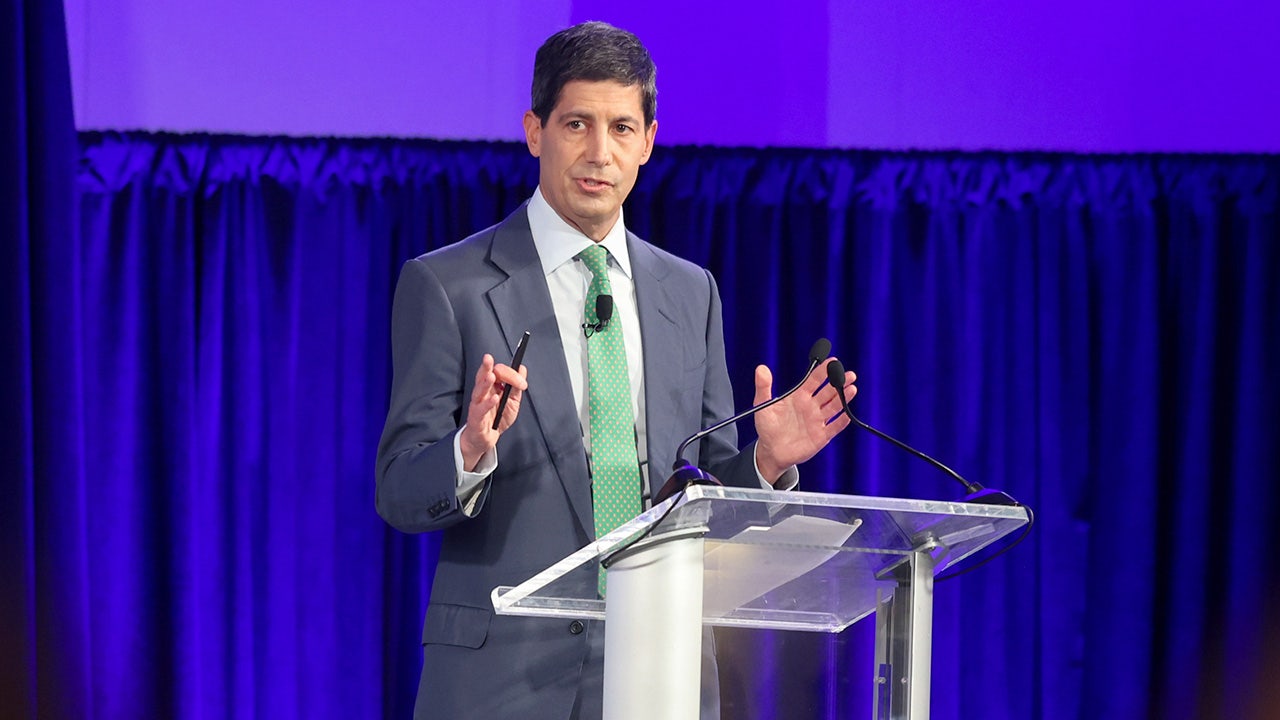
Citius Oncology Reports $0.34 Loss Per Share for Fiscal Year Ending September 30
Written by Emily J. Thompson, Senior Investment Analyst
Updated: Dec 23 2025
0mins
Should l Buy CTOR?
Source: Yahoo Finance
- Financial Performance: Citius Oncology reported a diluted loss of $0.34 per share for the fiscal year ending September 30, indicating ongoing investments in R&D and operations, yet highlighting the need for improved profitability to attract investor interest despite market challenges.
- Market Reaction: The loss exceeding market expectations may lead to decreased investor confidence, potentially negatively impacting the company's stock price and prompting management to reassess its financial strategy to enhance future performance.
- R&D Expenditure: The company continues to increase its spending on R&D, which, while not translating into profits in the short term, could yield significant market opportunities and revenue growth if successful product development occurs in the long run.
- Strategic Adjustments: Citius Oncology may need to revise its business model and market strategies to address current financial challenges and achieve sustainable growth, ensuring competitiveness in the highly competitive biopharmaceutical industry.
Trade with 70% Backtested Accuracy
Stop guessing "Should I Buy CTOR?" and start using high-conviction signals backed by rigorous historical data.
Sign up today to access powerful investing tools and make smarter, data-driven decisions.
Analyst Views on CTOR
About CTOR
Citius Oncology, Inc. is a biopharmaceutical company. The Company is focused on developing and commercializing targeted oncology therapies. The Company’s lead product candidate is LYMPHIR, an engineered IL-2 diphtheria toxin fusion protein, for the treatment of patients with persistent or recurrent CTCL, a rare form of non-Hodgkin lymphoma. LYMPHIR is a targeted immune therapy for relapsed or refractory cutaneous T-cell lymphoma (CTCL) indicated for use in Stage I-III disease after at least one prior systemic therapy. It is a recombinant fusion protein that combines the IL-2 receptor binding domain with diphtheria toxin fragments. The agent specifically binds to IL-2 receptors on the cell surface, causing diphtheria toxin fragments that have entered cells to inhibit protein synthesis. After uptake into the cell, the diphtheria toxin (DT) fragment is cleaved and the free DT fragments inhibit protein synthesis, resulting in cell death.
About the author

Emily J. Thompson
Emily J. Thompson, a Chartered Financial Analyst (CFA) with 12 years in investment research, graduated with honors from the Wharton School. Specializing in industrial and technology stocks, she provides in-depth analysis for Intellectia’s earnings and market brief reports.
Citius Oncology Launches LYMPHIR for Cutaneous T-Cell Lymphoma Treatment


- Market Adoption Surge: Following its U.S. launch, Citius Oncology's LYMPHIR has gained broad acceptance across leading cancer centers, with early commercial indicators suggesting accelerating prescribing activity that is expected to enhance integration into community healthcare settings.
- Clinical Research Advancements: Collaborations with top academic institutions are advancing LYMPHIR's clinical development, particularly a study at the University of Minnesota that shows its potential prior to CAR-T therapy, with positive topline data supporting further investigations.
- Strengthened Commercial Execution: Citius Oncology is enhancing market access and product promotion through field team training and medical education initiatives, which are expected to boost LYMPHIR's market demand, tapping into an initial market potential exceeding $400 million.
- International Expansion Plans: The company has executed distribution agreements across Europe and the Middle East, marking the ongoing international expansion of LYMPHIR and further solidifying its competitive position in the global oncology treatment market.
See More

Citius Oncology Launches LYMPHIR, Advancing Cancer Treatment
- Increased Market Adoption: Since the U.S. launch of LYMPHIR in December 2025, 83% of target institutions have included it in their formularies, indicating strong market acceptance and expected future prescription growth.
- Broad Payer Coverage: Approximately 135 health plans now cover LYMPHIR, representing about 80% of insured lives, with no reported reimbursement denials or prior authorization barriers, providing a solid foundation for market penetration.
- Clinical Research Advancements: Citius Oncology is collaborating with leading academic centers to conduct clinical studies on LYMPHIR, with preliminary results indicating its potential in treating relapsed large B-cell lymphoma, further validating its application in immuno-oncology.
- Ongoing Commercial Execution: The company is expanding its marketing team and enhancing interactions with physicians and community centers through medical education and digital campaigns to support the acceleration of LYMPHIR prescriptions, ensuring it meets the growing market demand.
See More

LYMPHIR Shows Promise in Gynecologic Cancer Treatment
- Clinical Trial Results: The Phase 1 trial led by the University of Pittsburgh demonstrated that LYMPHIR combined with KEYTRUDA showed no unexpected safety signals in 25 patients, indicating a favorable safety profile that could offer new treatment options for difficult-to-treat gynecologic cancers.
- Efficacy Assessment: Among 21 evaluable patients, the combination therapy achieved a 24% objective response rate (ORR) and a 48% clinical benefit rate (CBR), highlighting the potential of this combination to enhance anti-tumor activity and warranting further investigation.
- Market Potential: LYMPHIR is estimated to have a market potential exceeding $400 million, and as demand for novel therapies increases, Citius Oncology's competitive positioning in oncology will be further strengthened, particularly in the ovarian cancer sector where immunotherapy has had limited impact.
- Future Research Plans: Citius Oncology intends to explore the efficacy of LYMPHIR in subsequent Phase 2 studies, and if results are confirmed, it could provide a transformative treatment option for gynecologic cancer patients, significantly improving patient outcomes.
See More

Citius Oncology Reports Positive Phase 1 Trial Results for LYMPHIR in DLBCL
- Clinical Trial Response Rate: The LYMPHIR clinical trial conducted at the University of Minnesota and City of Hope demonstrated an 86% overall response rate, including a 57% complete response and a 29% partial response, indicating the potential efficacy of LYMPHIR in patients with high-risk relapsed DLBCL, which may provide new treatment options in the future.
- Good Safety Profile: LYMPHIR exhibited a favorable safety profile in the trial, with no dose-limiting toxicities observed, laying a solid foundation for its clinical application and potentially enhancing patient acceptance and adherence to treatment.
- Enhancing CAR-T Therapy: The use of LYMPHIR aims to augment the anti-tumor activity of CAR-T cell therapies by improving T-cell depleting effects, which could increase the effectiveness of existing treatment regimens and advance the field of tumor immunotherapy.
- Future Research Directions: The findings set the stage for larger clinical trials, with Citius Oncology planning to further explore the combination of LYMPHIR with other therapies to enhance treatment efficacy and improve long-term patient outcomes.
See More
Citius Oncology Reports Positive Phase 1 Trial Results for LYMPHIR in DLBCL
- Trial Results: The investigator-initiated study of LYMPHIR™ (E7777) at the University of Minnesota and City of Hope demonstrated an overall response rate (ORR) of 86%, including 57% complete responses (CR) and 29% partial responses (PR), indicating its potential efficacy in high-risk relapsed or refractory diffuse large B-cell lymphoma (DLBCL) patients.
- Safety Profile: LYMPHIR was well tolerated in the trial, with no dose-limiting toxicities (DLTs) observed, as all 14 patients completed treatment and proceeded to CAR-T infusion, highlighting its favorable safety profile without any Grade ≥3 immune adverse events reported.
- Treg Depletion Effect: A single dose of LYMPHIR resulted in Treg depletion in nearly all patients, with a median reduction of 24 Tregs/µL, suggesting its potential to enhance standard lymphodepletion regimens and improve the anti-tumor activity of CAR-T therapies.
- Future Research Directions: These findings set the stage for larger studies to assess the potential of LYMPHIR to enhance CAR-T efficacy through prolonged use, further advancing Citius Oncology's strategic positioning in the field of cancer immunotherapy.
See More
Citius Pharmaceuticals Reports $3.9 Million Revenue in Q1 2026
- Revenue Milestone: Citius Pharmaceuticals successfully launched LYMPHIR in December 2025, generating $3.9 million in revenue during Q1 2026, marking a significant transition to a revenue-generating company and reflecting initial success in the cutaneous T-cell lymphoma treatment market.
- Market Potential Assessment: The initial market for LYMPHIR is estimated to exceed $400 million and is underserved by existing therapies, highlighting strategic opportunities and growth potential for Citius in the oncology treatment sector.
- Pipeline Progress: Citius's late-stage pipeline includes Mino-Lok and Halo-Lido, with the former completing a pivotal Phase 3 trial in 2023 and meeting primary and secondary endpoints, which is expected to further drive future revenue growth for the company.
- Financial Stewardship Commitment: The company is committed to financial stewardship to sustain growth momentum while focusing on advancing its late-stage pipeline, aiming to maximize long-term shareholder value through the provision of first-in-class critical care products.
See More
Citius Oncology Launches LYMPHIR for Cutaneous T-Cell Lymphoma Treatment
- Market Adoption Surge: Following its U.S. launch, Citius Oncology's LYMPHIR has gained broad acceptance across leading cancer centers, with early commercial indicators suggesting accelerating prescribing activity that is expected to enhance integration into community healthcare settings.
- Clinical Research Advancements: Collaborations with top academic institutions are advancing LYMPHIR's clinical development, particularly a study at the University of Minnesota that shows its potential prior to CAR-T therapy, with positive topline data supporting further investigations.
- Strengthened Commercial Execution: Citius Oncology is enhancing market access and product promotion through field team training and medical education initiatives, which are expected to boost LYMPHIR's market demand, tapping into an initial market potential exceeding $400 million.
- International Expansion Plans: The company has executed distribution agreements across Europe and the Middle East, marking the ongoing international expansion of LYMPHIR and further solidifying its competitive position in the global oncology treatment market.
See More
Citius Oncology Launches LYMPHIR, Advancing Cancer Treatment
- Increased Market Adoption: Since the U.S. launch of LYMPHIR in December 2025, 83% of target institutions have included it in their formularies, indicating strong market acceptance and expected future prescription growth.
- Broad Payer Coverage: Approximately 135 health plans now cover LYMPHIR, representing about 80% of insured lives, with no reported reimbursement denials or prior authorization barriers, providing a solid foundation for market penetration.
- Clinical Research Advancements: Citius Oncology is collaborating with leading academic centers to conduct clinical studies on LYMPHIR, with preliminary results indicating its potential in treating relapsed large B-cell lymphoma, further validating its application in immuno-oncology.
- Ongoing Commercial Execution: The company is expanding its marketing team and enhancing interactions with physicians and community centers through medical education and digital campaigns to support the acceleration of LYMPHIR prescriptions, ensuring it meets the growing market demand.
See More
LYMPHIR Shows Promise in Gynecologic Cancer Treatment
- Clinical Trial Results: The Phase 1 trial led by the University of Pittsburgh demonstrated that LYMPHIR combined with KEYTRUDA showed no unexpected safety signals in 25 patients, indicating a favorable safety profile that could offer new treatment options for difficult-to-treat gynecologic cancers.
- Efficacy Assessment: Among 21 evaluable patients, the combination therapy achieved a 24% objective response rate (ORR) and a 48% clinical benefit rate (CBR), highlighting the potential of this combination to enhance anti-tumor activity and warranting further investigation.
- Market Potential: LYMPHIR is estimated to have a market potential exceeding $400 million, and as demand for novel therapies increases, Citius Oncology's competitive positioning in oncology will be further strengthened, particularly in the ovarian cancer sector where immunotherapy has had limited impact.
- Future Research Plans: Citius Oncology intends to explore the efficacy of LYMPHIR in subsequent Phase 2 studies, and if results are confirmed, it could provide a transformative treatment option for gynecologic cancer patients, significantly improving patient outcomes.
See More
Citius Oncology Reports Positive Phase 1 Trial Results for LYMPHIR in DLBCL
- Clinical Trial Response Rate: The LYMPHIR clinical trial conducted at the University of Minnesota and City of Hope demonstrated an 86% overall response rate, including a 57% complete response and a 29% partial response, indicating the potential efficacy of LYMPHIR in patients with high-risk relapsed DLBCL, which may provide new treatment options in the future.
- Good Safety Profile: LYMPHIR exhibited a favorable safety profile in the trial, with no dose-limiting toxicities observed, laying a solid foundation for its clinical application and potentially enhancing patient acceptance and adherence to treatment.
- Enhancing CAR-T Therapy: The use of LYMPHIR aims to augment the anti-tumor activity of CAR-T cell therapies by improving T-cell depleting effects, which could increase the effectiveness of existing treatment regimens and advance the field of tumor immunotherapy.
- Future Research Directions: The findings set the stage for larger clinical trials, with Citius Oncology planning to further explore the combination of LYMPHIR with other therapies to enhance treatment efficacy and improve long-term patient outcomes.
See More
Citius Oncology Reports Positive Phase 1 Trial Results for LYMPHIR in DLBCL
- Trial Results: The investigator-initiated study of LYMPHIR™ (E7777) at the University of Minnesota and City of Hope demonstrated an overall response rate (ORR) of 86%, including 57% complete responses (CR) and 29% partial responses (PR), indicating its potential efficacy in high-risk relapsed or refractory diffuse large B-cell lymphoma (DLBCL) patients.
- Safety Profile: LYMPHIR was well tolerated in the trial, with no dose-limiting toxicities (DLTs) observed, as all 14 patients completed treatment and proceeded to CAR-T infusion, highlighting its favorable safety profile without any Grade ≥3 immune adverse events reported.
- Treg Depletion Effect: A single dose of LYMPHIR resulted in Treg depletion in nearly all patients, with a median reduction of 24 Tregs/µL, suggesting its potential to enhance standard lymphodepletion regimens and improve the anti-tumor activity of CAR-T therapies.
- Future Research Directions: These findings set the stage for larger studies to assess the potential of LYMPHIR to enhance CAR-T efficacy through prolonged use, further advancing Citius Oncology's strategic positioning in the field of cancer immunotherapy.
See More
Citius Pharmaceuticals Reports $3.9 Million Revenue in Q1 2026
- Revenue Milestone: Citius Pharmaceuticals successfully launched LYMPHIR in December 2025, generating $3.9 million in revenue during Q1 2026, marking a significant transition to a revenue-generating company and reflecting initial success in the cutaneous T-cell lymphoma treatment market.
- Market Potential Assessment: The initial market for LYMPHIR is estimated to exceed $400 million and is underserved by existing therapies, highlighting strategic opportunities and growth potential for Citius in the oncology treatment sector.
- Pipeline Progress: Citius's late-stage pipeline includes Mino-Lok and Halo-Lido, with the former completing a pivotal Phase 3 trial in 2023 and meeting primary and secondary endpoints, which is expected to further drive future revenue growth for the company.
- Financial Stewardship Commitment: The company is committed to financial stewardship to sustain growth momentum while focusing on advancing its late-stage pipeline, aiming to maximize long-term shareholder value through the provision of first-in-class critical care products.
See More