Citigroup Reports Strong Q1 2026 Earnings Growth
Written by Emily J. Thompson, Senior Investment Analyst
Updated: 1 day ago
0mins
Source: Fool
- Significant Revenue Growth: Citigroup's Q1 2026 revenue increased by 14% year-over-year, with earnings per share rising from $1.96 to $3.06, reflecting strong business performance that has driven the stock price up over 60% in the past year.
- Peer Comparison: In contrast to Citigroup, JPMorgan Chase and Bank of America saw stock price increases of only 14% and 13%, respectively, indicating Citigroup's superior market performance, which may have attracted more investor interest.
- Valuation Metrics Shift: Citigroup's price-to-book ratio has risen from 0.5x in 2022 to 1.1x today, while its price-to-earnings ratio increased from 6x to 15x; however, its P/B ratio remains lower than that of Bank of America and JPMorgan, suggesting relative investment appeal.
- Share Buyback Program: Citigroup repurchased $6.3 billion in shares during Q1, which boosted earnings but did not address underlying business opportunities, indicating that the company still has work to do in its transformation efforts.
Trade with 70% Backtested Accuracy
Stop guessing "Should I Buy C?" and start using high-conviction signals backed by rigorous historical data.
Sign up today to access powerful investing tools and make smarter, data-driven decisions.
Analyst Views on C
Wall Street analysts forecast C stock price to rise
18 Analyst Rating
15 Buy
3 Hold
0 Sell
Strong Buy
Current: 123.420

Low
87.00
Averages
131.00
High
150.00
Current: 123.420
Low
87.00
Averages
131.00
High
150.00
About C
Citigroup Inc. is a global diversified financial services holding company. The Company’s segments include Services, Markets, Banking, Wealth and U.S. Personal Banking (USPB). The Services segment includes Treasury and Trade Solutions (TTS) and securities services. TTS provides an integrated suite of tailored cash management, trade and working capital solutions to multinational corporations, financial institutions and public sector organizations. The Markets segment provides corporate, institutional and public sector clients around the world with a full range of sales and trading services across equities, foreign exchange, rates, spread products and commodities. The Banking segment includes investment banking, which supports client capital-raising needs to help strengthen and grow their businesses. The Wealth segment includes Private Bank, Wealth at Work and Citigold and provides financial services to a range of client segments. USPB segment includes branded cards and retail services.
About the author

Emily J. Thompson
Emily J. Thompson, a Chartered Financial Analyst (CFA) with 12 years in investment research, graduated with honors from the Wharton School. Specializing in industrial and technology stocks, she provides in-depth analysis for Intellectia’s earnings and market brief reports.

Stablecoin Market Experiences Rapid Growth

- Market Expansion: The stablecoin market currently stands at $300 billion and is projected to exceed $3 trillion by the end of 2030, indicating robust growth potential that is attracting attention and investment from financial institutions.
- Institutional Involvement: Major banks, including JPMorgan Chase and Bank of America, are running stablecoin pilot projects, suggesting that the lines between traditional finance and blockchain finance are blurring, potentially leading to cost savings and efficiency gains.
- Payment Network Innovation: Mastercard and Visa are fully backing blockchain-based payment initiatives, particularly stablecoin payments, aiming to position themselves as the connective layer between stablecoin wallets and existing payment infrastructure to stay ahead in competition.
- Regulatory Impact: The upcoming Digital Asset Market Clarity Act could significantly influence the popularity of stablecoins and the ease with which financial institutions can integrate them into their global payment infrastructure, necessitating close monitoring of policy changes by these institutions.
See More

Stablecoin Market Thrives Amid Crypto Turmoil
- Market Growth: According to Treasury Secretary Scott Bessent, the stablecoin market is currently valued at $300 billion and is projected to exceed $3 trillion by 2030, reflecting the increasing significance of digital currencies in the financial system.
- Payment Network Involvement: Mastercard and Visa are fully backing blockchain-based payment initiatives; while they do not intend to become stablecoin issuers, their partnerships with over 85 digital asset and fintech firms enhance their connectivity in stablecoin payments.
- Bank Pilot Projects: Major banks like JPMorgan Chase, Bank of America, and Citigroup are running stablecoin pilot projects, indicating a blurring line between traditional finance and blockchain finance, although the best strategy remains unclear regarding issuing their own stablecoins or utilizing existing ones.
- Investment Opportunities: Circle Internet Group, the issuer of USDC with a market cap of $77 billion, stands out as the best investment in stablecoins, while fintech firms like PayPal and Ripple are also actively entering the stablecoin market, highlighting the investment potential in this sector.
See More
U.S. Credit Card Delinquencies and Charge-Offs Decline in April

- Delinquency Rate Decline: In April, the average credit card delinquency rate among major U.S. banks fell to 2.55% from 2.69% in March, which is not only below the April 2025 average of 2.71% but also lower than the pre-pandemic level of 2.60%, indicating an improvement in consumer credit conditions.
- Charge-Off Rate Drop: The average net charge-off rate for April was 3.70%, down from 3.84% in March and 4.09% in April 2025, suggesting that consumers are reducing borrowing and paying down debt, likely supported by seasonal inflows such as tax refunds.
- Consumer Sentiment Fluctuation: While retail sales increased month-over-month in April, consumer sentiment unexpectedly slipped in May, particularly among lower-income households that are cutting back on appliance purchases, reflecting uneven economic recovery.
- Future Outlook: Evercore ISI anticipates that delinquency and charge-off rates will screen positively in the second quarter, below Wall Street estimates, although weaker economic and consumer trends pose risks to credit quality, indicating cautious optimism in the market regarding future credit conditions.
See More
Citigroup and BlackRock Launch €15B Financing Program for EMEA

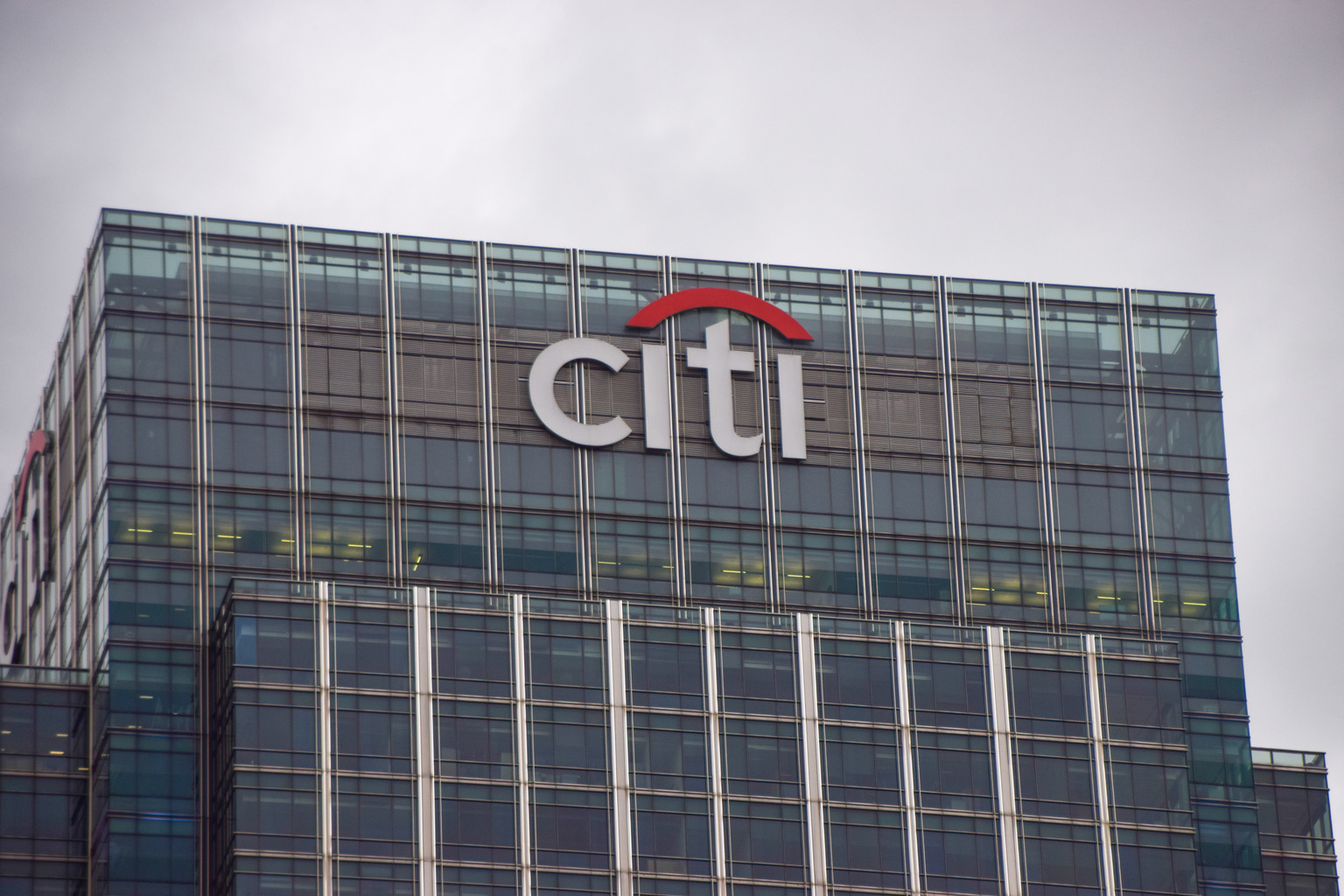
- Program Scale: Citigroup and BlackRock's HPS Investment Partners have launched a €15 billion ($17.5 billion) financing program aimed at providing private financing solutions for corporate and sponsor-owned borrowers in the EMEA region, highlighting ongoing demand for private credit.
- Debt Financing Opportunities: The program plans to finance €15 billion of debt opportunities over an initial five-year term, with Citi leveraging its investment, corporate, and commercial banking origination capabilities to source investment opportunities, thereby enhancing its market position in Europe and the Middle East.
- Collaborative Advantage: Matthieu Boulanger, partner at HPS, noted that this collaboration will leverage Citi’s extensive network and origination pipeline in EMEA, strengthening the ability to deliver tailored financing options to a diverse range of borrowers, reflecting the market's demand for flexible financing solutions.
- Market Reaction: On Monday, BlackRock's stock rose by 0.5%, while Citigroup's stock edged down by 0.2%, indicating the market's initial response to the collaboration plan, even as investors remain cautious about the rapid growth of private credit.
See More
Citigroup and BlackRock Launch €15 Billion Credit Program
- Credit Program Partnership: Citigroup and HPS Investment Partners, a subsidiary of BlackRock, have launched a €15 billion (approximately $17.48 billion) private credit program aimed at expanding direct lending across the EMEA region to meet rising demand from corporate clients.
- Investment Opportunity Sourcing: Under this partnership, Citi will leverage its capabilities to source investment opportunities for the program, targeting borrowers based in Continental Europe, the UK, and eventually the Middle East with tailored private credit offerings.
- Market Demand Response: The program aims to finance a broad range of sub-investment grade debt instruments in EMEA over an initial five-year term, highlighting the growing collaboration between banks and investment firms in the multi-trillion-dollar private credit market.
- Renewed Investor Interest: Despite the scrutiny surrounding the asset class, institutional investors are showing renewed interest in direct lending, indicating a strong demand for customized credit products in the current market landscape.
See More

Global Markets May Enter Consolidation Phase


- Consolidation Expectations: Kate Moore, Chief Investment Officer at Citi Wealth, indicates that despite the recent strong rally in equities, global markets may face a consolidation phase, reflecting investor concerns over the Middle East conflict and persistent inflation.
- Strong Earnings Support: Recent reports from tech giants like Microsoft and Amazon exceeded expectations, with Microsoft forecasting annual capital expenditures of $190 billion, fueling optimism in tech stocks, while the MSCI World Index has rebounded over 13% since its March trough.
- Cautious Investor Sentiment: Moore highlights that despite the market's strong performance, investors may be underestimating potential risks as they head into the second half of the year, particularly regarding geopolitical and energy crises.
- Optimistic Future Outlook: Although short-term pullbacks are anticipated, Moore believes these will present buying opportunities for investors and expects equities to end the year higher.
See More
Stablecoin Market Experiences Rapid Growth
- Market Expansion: The stablecoin market currently stands at $300 billion and is projected to exceed $3 trillion by the end of 2030, indicating robust growth potential that is attracting attention and investment from financial institutions.
- Institutional Involvement: Major banks, including JPMorgan Chase and Bank of America, are running stablecoin pilot projects, suggesting that the lines between traditional finance and blockchain finance are blurring, potentially leading to cost savings and efficiency gains.
- Payment Network Innovation: Mastercard and Visa are fully backing blockchain-based payment initiatives, particularly stablecoin payments, aiming to position themselves as the connective layer between stablecoin wallets and existing payment infrastructure to stay ahead in competition.
- Regulatory Impact: The upcoming Digital Asset Market Clarity Act could significantly influence the popularity of stablecoins and the ease with which financial institutions can integrate them into their global payment infrastructure, necessitating close monitoring of policy changes by these institutions.
See More
Stablecoin Market Thrives Amid Crypto Turmoil
- Market Growth: According to Treasury Secretary Scott Bessent, the stablecoin market is currently valued at $300 billion and is projected to exceed $3 trillion by 2030, reflecting the increasing significance of digital currencies in the financial system.
- Payment Network Involvement: Mastercard and Visa are fully backing blockchain-based payment initiatives; while they do not intend to become stablecoin issuers, their partnerships with over 85 digital asset and fintech firms enhance their connectivity in stablecoin payments.
- Bank Pilot Projects: Major banks like JPMorgan Chase, Bank of America, and Citigroup are running stablecoin pilot projects, indicating a blurring line between traditional finance and blockchain finance, although the best strategy remains unclear regarding issuing their own stablecoins or utilizing existing ones.
- Investment Opportunities: Circle Internet Group, the issuer of USDC with a market cap of $77 billion, stands out as the best investment in stablecoins, while fintech firms like PayPal and Ripple are also actively entering the stablecoin market, highlighting the investment potential in this sector.
See More
U.S. Credit Card Delinquencies and Charge-Offs Decline in April
- Delinquency Rate Decline: In April, the average credit card delinquency rate among major U.S. banks fell to 2.55% from 2.69% in March, which is not only below the April 2025 average of 2.71% but also lower than the pre-pandemic level of 2.60%, indicating an improvement in consumer credit conditions.
- Charge-Off Rate Drop: The average net charge-off rate for April was 3.70%, down from 3.84% in March and 4.09% in April 2025, suggesting that consumers are reducing borrowing and paying down debt, likely supported by seasonal inflows such as tax refunds.
- Consumer Sentiment Fluctuation: While retail sales increased month-over-month in April, consumer sentiment unexpectedly slipped in May, particularly among lower-income households that are cutting back on appliance purchases, reflecting uneven economic recovery.
- Future Outlook: Evercore ISI anticipates that delinquency and charge-off rates will screen positively in the second quarter, below Wall Street estimates, although weaker economic and consumer trends pose risks to credit quality, indicating cautious optimism in the market regarding future credit conditions.
See More
Citigroup and BlackRock Launch €15B Financing Program for EMEA
- Program Scale: Citigroup and BlackRock's HPS Investment Partners have launched a €15 billion ($17.5 billion) financing program aimed at providing private financing solutions for corporate and sponsor-owned borrowers in the EMEA region, highlighting ongoing demand for private credit.
- Debt Financing Opportunities: The program plans to finance €15 billion of debt opportunities over an initial five-year term, with Citi leveraging its investment, corporate, and commercial banking origination capabilities to source investment opportunities, thereby enhancing its market position in Europe and the Middle East.
- Collaborative Advantage: Matthieu Boulanger, partner at HPS, noted that this collaboration will leverage Citi’s extensive network and origination pipeline in EMEA, strengthening the ability to deliver tailored financing options to a diverse range of borrowers, reflecting the market's demand for flexible financing solutions.
- Market Reaction: On Monday, BlackRock's stock rose by 0.5%, while Citigroup's stock edged down by 0.2%, indicating the market's initial response to the collaboration plan, even as investors remain cautious about the rapid growth of private credit.
See More
Citigroup and BlackRock Launch €15 Billion Credit Program
- Credit Program Partnership: Citigroup and HPS Investment Partners, a subsidiary of BlackRock, have launched a €15 billion (approximately $17.48 billion) private credit program aimed at expanding direct lending across the EMEA region to meet rising demand from corporate clients.
- Investment Opportunity Sourcing: Under this partnership, Citi will leverage its capabilities to source investment opportunities for the program, targeting borrowers based in Continental Europe, the UK, and eventually the Middle East with tailored private credit offerings.
- Market Demand Response: The program aims to finance a broad range of sub-investment grade debt instruments in EMEA over an initial five-year term, highlighting the growing collaboration between banks and investment firms in the multi-trillion-dollar private credit market.
- Renewed Investor Interest: Despite the scrutiny surrounding the asset class, institutional investors are showing renewed interest in direct lending, indicating a strong demand for customized credit products in the current market landscape.
See More
Global Markets May Enter Consolidation Phase
- Consolidation Expectations: Kate Moore, Chief Investment Officer at Citi Wealth, indicates that despite the recent strong rally in equities, global markets may face a consolidation phase, reflecting investor concerns over the Middle East conflict and persistent inflation.
- Strong Earnings Support: Recent reports from tech giants like Microsoft and Amazon exceeded expectations, with Microsoft forecasting annual capital expenditures of $190 billion, fueling optimism in tech stocks, while the MSCI World Index has rebounded over 13% since its March trough.
- Cautious Investor Sentiment: Moore highlights that despite the market's strong performance, investors may be underestimating potential risks as they head into the second half of the year, particularly regarding geopolitical and energy crises.
- Optimistic Future Outlook: Although short-term pullbacks are anticipated, Moore believes these will present buying opportunities for investors and expects equities to end the year higher.
See More