Citi Wealth Partners with Advyzon for Global UMA Program
Citi Wealth announced a strategic agreement to partner with Advyzon Enterprise Solutions and Advyzon Investment Management to deliver a Global Unified Managed Account Program for Citi Wealth clients. The company said, "The development of Citi Wealth's Global UMA Program, for our Citi Private Bank, Wealth at Work and Citigold & Citigold Private Client groups, across our global footprint spanning North America, LATAM, EMEA and APAC, is an important step forward to achieving Citi's business growth objectives through the delivery of personalized advice to our clients. This offering will further modernize and deliver industry-leading, personalized advice-driven solutions to our clients, while simplifying the investments experience for clients, bankers and advisors."
Trade with 70% Backtested Accuracy
Analyst Views on C

About C
About the author

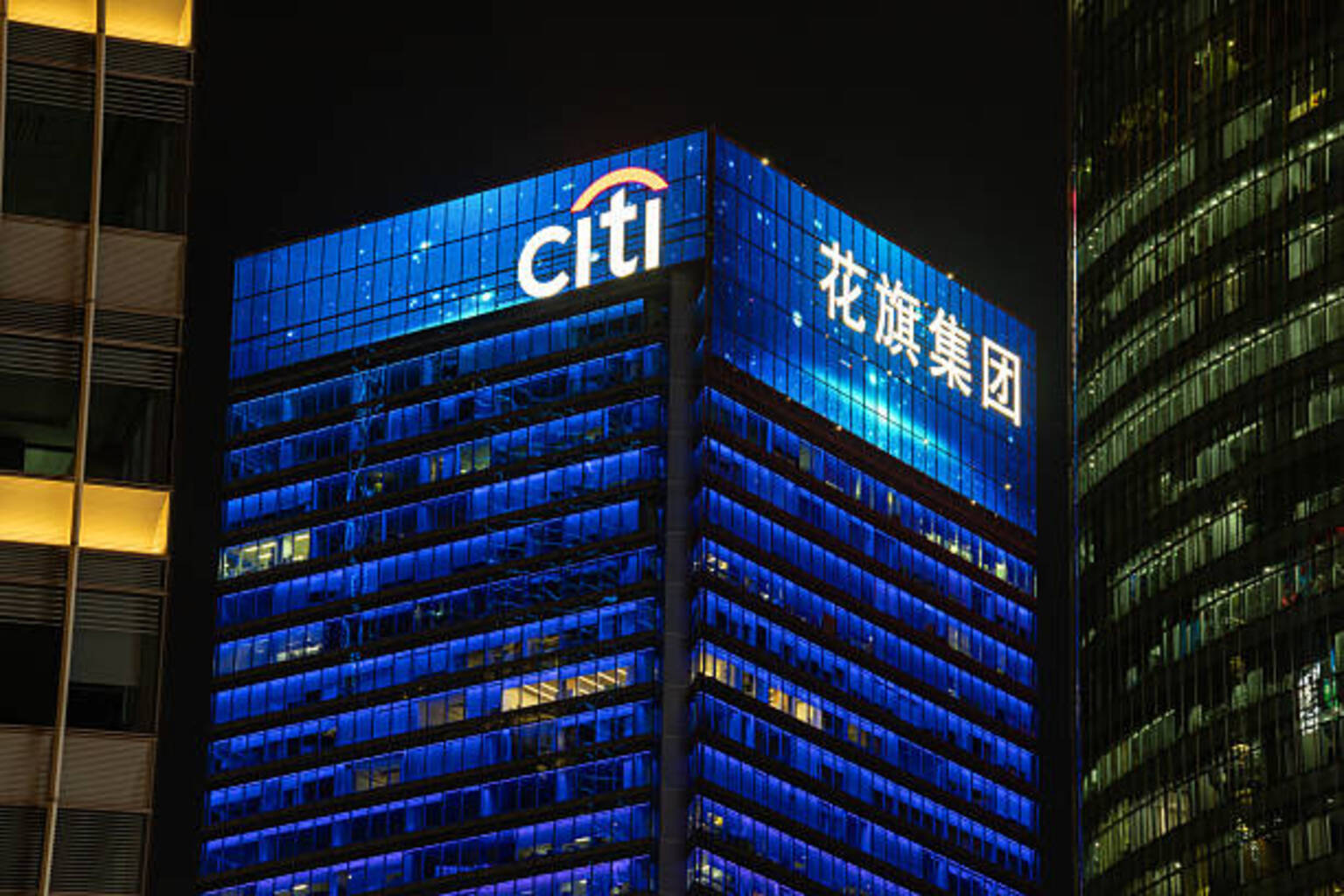
Citigroup Expands Investment Banking Teams in Japan and China

- Cross-Border M&A Focus: Citigroup is enhancing its investment banking teams in Japan and China to drive more cross-border M&A deals, indicating a strong commitment to the Asia-Pacific market following its global restructuring.
- Market Resilience: Despite the oil shock from the Iran conflict, Citi's Asia regional investment banking head noted that deal activity remains robust, supported by sector fundamentals and corporate strategic initiatives, reflecting a resilient market environment.
- Talent Acquisition Strategy: Citi plans to add senior bankers in Japan to address coverage gaps in sectors like technology, media, and telecommunications, catering to the demand for senior-level engagement from Japanese clients, showcasing its responsiveness to market needs.
- China Market Strategy: While awaiting government approval to operate its own securities unit, Citi is focusing on hiring investment bankers in China who can cover “new age” and “high-growth” companies, aiming to enhance its competitive positioning in the region.

Toronto Dominion Bank Fixed Rate Announcement

- Fixed Rate Announcement: Toronto Dominion Bank has fixed the interest rate at 2.86% for the period from April 28, 2026, to July 28, 2026, providing investors with a stable income expectation that enhances the bond's attractiveness.
- Interest Payment Details: The announcement specifies that the interest payable on July 28, 2026, will amount to EUR 7.24 per EUR 1,000 denomination, offering investors a clear basis for yield calculations and boosting market confidence in this bond.
- Maturity Information: The bond matures on July 28, 2028, allowing investors to plan their finances according to this timeline, ensuring effective liquidity management and investment strategy alignment.
- Market Impact: This announcement may influence liquidity in the bond market, particularly in the current interest rate environment, potentially increasing demand for fixed-income products and enhancing Toronto Dominion Bank's market position.

Bloom Energy Stock Rises on Price Target Increases

- Stock Surge: Bloom Energy's stock has risen 14.3% over the past week, climbing from $207.86 last Friday to $237.44, reflecting investor optimism about the company's future performance.
- Price Target Increases: Analysts from Citigroup and UBS raised their price targets to $229 and $251 respectively, while Baird increased its target to $242, indicating strong market confidence in the company.
- Partnership Expansion Impact: The expanded partnership with Oracle to develop AI infrastructure using Bloom's fuel cell systems is likely attracting investor attention and contributing to the stock's rise.
- Future Earnings Focus: Management projects 2026 revenue between $3.1 billion and $3.3 billion, with adjusted earnings per share of $1.33 to $1.48, and if future earnings reports fail to meet these expectations, the stock could face significant declines.

Bloom Energy Stock Price Targets Raised by Analysts
- Price Target Increases: Citigroup analyst Vikram Bagri raised Bloom Energy's price target from $162 to $229, while UBS analyst Manav Gupta lifted it from $170 to $251, indicating growing market confidence in the company.
- Strong Market Performance: Bloom Energy's stock has risen 14.3% since last Friday, closing at $207.86, reflecting optimistic investor sentiment, particularly in light of multiple firms raising their price targets.
- Expanded Partnership: Last week, Bloom Energy announced an expanded partnership with Oracle to develop AI infrastructure using its fuel cell systems, which may further drive investor interest and enhance market recognition of its technology.
- High Financial Expectations: Bloom Energy projects 2026 revenue between $3.1 billion and $3.3 billion, with adjusted earnings per share of $1.33 to $1.48, leading to heightened analyst expectations for its upcoming Q1 2026 report; failure to meet these targets could result in a significant stock price decline.

Citigroup Establishes New Financial and Strategic Investors Division

- Executive Appointment: Citigroup has hired investment banking veteran Klaus Hessberger to co-lead its newly formed Financial and Strategic Investors (FSI) division, replacing the Global Asset Managers (GAM) group, which indicates the company's renewed focus on investment banking.
- Leadership Restructuring: Hessberger, currently the global co-head of Lazard's Financial Sponsors Group, will co-lead FSI from London alongside North America GAM leaders Michael Marcus and Michael Quadrino, highlighting Citigroup's strategic reorganization in the global investment banking sector.
- Internal Changes: Current GAM leader Ashu Khullar will step down to explore other senior roles within the company, reflecting significant changes in Citigroup's executive team that may impact future decision-making and direction.
- Infrastructure Coverage Establishment: Citigroup will also establish Global Infrastructure Coverage as an independent vertical led by insider Todd Guenther, in response to exceptional levels of activity within the infrastructure space, indicating the company's commitment to this market and expectations for future growth.

South Korean Investors Flock to U.S. Stocks

- Surge in U.S. Purchases: In 2025, South Korea ranked as the third-largest buyer of U.S. stocks with net purchases of $73.6 billion, nearly five times the amount from 2024, indicating a strong interest in U.S. equities despite the KOSPI's impressive 75% return last year.
- Investor Demographics Shift: Approximately 15 million retail investors account for 60% to 70% of annual trading volume in South Korea, driving demand for U.S. stocks and reflecting confidence in the U.S. market and a pursuit of higher returns.
- Government Response Measures: The South Korean government announced tax exemptions on capital gains for individual investors selling foreign stocks and reinvesting in domestic equities, aiming to attract funds back home, though analysts remain skeptical about the effectiveness of these measures in curbing the outflow of
Citigroup Expands Investment Banking Teams in Japan and China
- Cross-Border M&A Focus: Citigroup is enhancing its investment banking teams in Japan and China to drive more cross-border M&A deals, indicating a strong commitment to the Asia-Pacific market following its global restructuring.
- Market Resilience: Despite the oil shock from the Iran conflict, Citi's Asia regional investment banking head noted that deal activity remains robust, supported by sector fundamentals and corporate strategic initiatives, reflecting a resilient market environment.
- Talent Acquisition Strategy: Citi plans to add senior bankers in Japan to address coverage gaps in sectors like technology, media, and telecommunications, catering to the demand for senior-level engagement from Japanese clients, showcasing its responsiveness to market needs.
- China Market Strategy: While awaiting government approval to operate its own securities unit, Citi is focusing on hiring investment bankers in China who can cover “new age” and “high-growth” companies, aiming to enhance its competitive positioning in the region.
Toronto Dominion Bank Fixed Rate Announcement
- Fixed Rate Announcement: Toronto Dominion Bank has fixed the interest rate at 2.86% for the period from April 28, 2026, to July 28, 2026, providing investors with a stable income expectation that enhances the bond's attractiveness.
- Interest Payment Details: The announcement specifies that the interest payable on July 28, 2026, will amount to EUR 7.24 per EUR 1,000 denomination, offering investors a clear basis for yield calculations and boosting market confidence in this bond.
- Maturity Information: The bond matures on July 28, 2028, allowing investors to plan their finances according to this timeline, ensuring effective liquidity management and investment strategy alignment.
- Market Impact: This announcement may influence liquidity in the bond market, particularly in the current interest rate environment, potentially increasing demand for fixed-income products and enhancing Toronto Dominion Bank's market position.
Bloom Energy Stock Rises on Price Target Increases
- Stock Surge: Bloom Energy's stock has risen 14.3% over the past week, climbing from $207.86 last Friday to $237.44, reflecting investor optimism about the company's future performance.
- Price Target Increases: Analysts from Citigroup and UBS raised their price targets to $229 and $251 respectively, while Baird increased its target to $242, indicating strong market confidence in the company.
- Partnership Expansion Impact: The expanded partnership with Oracle to develop AI infrastructure using Bloom's fuel cell systems is likely attracting investor attention and contributing to the stock's rise.
- Future Earnings Focus: Management projects 2026 revenue between $3.1 billion and $3.3 billion, with adjusted earnings per share of $1.33 to $1.48, and if future earnings reports fail to meet these expectations, the stock could face significant declines.
Bloom Energy Stock Price Targets Raised by Analysts
- Price Target Increases: Citigroup analyst Vikram Bagri raised Bloom Energy's price target from $162 to $229, while UBS analyst Manav Gupta lifted it from $170 to $251, indicating growing market confidence in the company.
- Strong Market Performance: Bloom Energy's stock has risen 14.3% since last Friday, closing at $207.86, reflecting optimistic investor sentiment, particularly in light of multiple firms raising their price targets.
- Expanded Partnership: Last week, Bloom Energy announced an expanded partnership with Oracle to develop AI infrastructure using its fuel cell systems, which may further drive investor interest and enhance market recognition of its technology.
- High Financial Expectations: Bloom Energy projects 2026 revenue between $3.1 billion and $3.3 billion, with adjusted earnings per share of $1.33 to $1.48, leading to heightened analyst expectations for its upcoming Q1 2026 report; failure to meet these targets could result in a significant stock price decline.
Citigroup Establishes New Financial and Strategic Investors Division
- Executive Appointment: Citigroup has hired investment banking veteran Klaus Hessberger to co-lead its newly formed Financial and Strategic Investors (FSI) division, replacing the Global Asset Managers (GAM) group, which indicates the company's renewed focus on investment banking.
- Leadership Restructuring: Hessberger, currently the global co-head of Lazard's Financial Sponsors Group, will co-lead FSI from London alongside North America GAM leaders Michael Marcus and Michael Quadrino, highlighting Citigroup's strategic reorganization in the global investment banking sector.
- Internal Changes: Current GAM leader Ashu Khullar will step down to explore other senior roles within the company, reflecting significant changes in Citigroup's executive team that may impact future decision-making and direction.
- Infrastructure Coverage Establishment: Citigroup will also establish Global Infrastructure Coverage as an independent vertical led by insider Todd Guenther, in response to exceptional levels of activity within the infrastructure space, indicating the company's commitment to this market and expectations for future growth.
South Korean Investors Flock to U.S. Stocks
- Surge in U.S. Purchases: In 2025, South Korea ranked as the third-largest buyer of U.S. stocks with net purchases of $73.6 billion, nearly five times the amount from 2024, indicating a strong interest in U.S. equities despite the KOSPI's impressive 75% return last year.
- Investor Demographics Shift: Approximately 15 million retail investors account for 60% to 70% of annual trading volume in South Korea, driving demand for U.S. stocks and reflecting confidence in the U.S. market and a pursuit of higher returns.
- Government Response Measures: The South Korean government announced tax exemptions on capital gains for individual investors selling foreign stocks and reinvesting in domestic equities, aiming to attract funds back home, though analysts remain skeptical about the effectiveness of these measures in curbing the outflow of