Cintas Thrives Despite Ongoing Challenges in Business Environment
Written by Emily J. Thompson, Senior Investment Analyst
Updated: Sep 08 2025
0mins

Should l Buy CTAS?
Source: NASDAQ.COM
Cintas Corporation's Growth: Cintas has shown strong momentum in its Uniform Rental and Facility Services segments, driven by new customer growth and increased demand for safety products, while also enhancing its market presence through acquisitions in 2024.
Financial Performance and Challenges: The company has rewarded shareholders with significant dividends and share buybacks, but faces rising costs that could impact profitability, alongside exposure to international market risks and currency fluctuations.
Trade with 70% Backtested Accuracy
Stop guessing "Should I Buy CTAS?" and start using high-conviction signals backed by rigorous historical data.
Sign up today to access powerful investing tools and make smarter, data-driven decisions.
Analyst Views on CTAS
Wall Street analysts forecast CTAS stock price to rise
15 Analyst Rating
6 Buy
8 Hold
1 Sell
Moderate Buy
Current: 179.170

Low
181.00
Averages
214.82
High
245.00
Current: 179.170
Low
181.00
Averages
214.82
High
245.00
About CTAS
Cintas Corporation develops uniform programs using fabric. The Company helps businesses of all types and sizes, primarily in the United States, as well as Canada and Latin America. The Company operates through two segments: Uniform Rental and Facility Services segment and the First Aid and Safety Services segment. The Uniform Rental and Facility Services segment consists of the rental and servicing of uniforms and other garments, including flame resistant clothing, mats, mops and shop towels and other ancillary items. This segment also includes restroom cleaning services and supplies and the sale of items from its catalogs to its customers. The First Aid and Safety Services segment consists of first aid and safety products and services. The remainder of its segments, which consists of the Fire Protection Services segment and the Uniform Direct Sale segment, is included in All Other. It provides its products and services to small service and manufacturing companies and to corporations.
About the author

Emily J. Thompson
Emily J. Thompson, a Chartered Financial Analyst (CFA) with 12 years in investment research, graduated with honors from the Wharton School. Specializing in industrial and technology stocks, she provides in-depth analysis for Intellectia’s earnings and market brief reports.

Cintas Corporation Declares Quarterly Cash Dividend
- Quarterly Cash Dividend: Cintas Corporation's Board of Directors has approved a quarterly cash dividend of $0.45 per share, payable on June 15, 2026, to shareholders of record as of May 15, 2026, reflecting the company's ongoing commitment to returning capital to shareholders.
- Consistent Dividend History: Since its IPO in 1983, Cintas has consistently raised its dividend each year, demonstrating stable financial performance and a focus on shareholder value, which enhances investor confidence.
- Board Discretion on Future Dividends: Future dividend declarations will be at the discretion of the Board of Directors, dependent on the company's operating results, financial condition, and other relevant factors, indicating a prudent approach to capital management.
- Diverse Service Offerings: Cintas serves over one million businesses with products and services that ensure cleanliness, safety, and aesthetics, including uniforms, mats, and first aid products, further solidifying its market leadership.
See More

Cintas Reports Strong Q3 2026 Results with Increased Guidance

- Strong Financial Performance: Cintas reported Q3 2026 revenue of $2.84 billion, an 8.9% year-over-year increase, with a record gross margin of 51%, indicating sustained competitive strength in the market.
- Net Income Growth: The company achieved a net income of $502.5 million for the quarter, resulting in diluted EPS of $1.24, a 9.7% increase from last year, reflecting steady improvement in profitability and boosting investor confidence.
- Robust Shareholder Returns: In the first nine months of FY2026, Cintas returned $1.45 billion to shareholders, including a $180 million quarterly dividend paid on March 13, demonstrating the company's commitment to shareholder value and strong cash flow.
- Acquisition Plans Drive Growth: Cintas announced the acquisition of UniFirst on March 10, expected to create substantial value for customers and shareholders, while also raising its full FY2026 financial guidance, projecting annual revenue between $11.21 billion and $11.24 billion.
See More
Investigation Alerts for Multiple Company Mergers

- Cyclerion Acquisition Investigation: Cyclerion Therapeutics is set to be acquired by Korsana Therapeutics in an all-stock deal, with Cyclerion shareholders expected to own approximately 1.5% of the combined entity, raising concerns about whether the Board breached its fiduciary duties by failing to ensure a fair process.
- National Storage Merger Case: National Storage Affiliates will be acquired by Public Storage for $41.68 per share, representing a total enterprise value of approximately $10.5 billion, with investigations focusing on whether the Board conducted a fair process and provided adequate value to shareholders.
- Urgent.ly Acquisition Issues: Urgent.ly is to be acquired by Agero, Inc. for $5.50 per share in cash, with investigations questioning whether the Board fulfilled its fiduciary responsibilities and ensured fair value in the transaction.
- UniFirst Merger Investigation: UniFirst will be acquired by Cintas Corporation for $155.00 in cash and 0.7720 shares of Cintas stock, totaling approximately $310.00 per share, with investigations into whether the Board ensured a fair process and adequate shareholder value in the deal.
See More
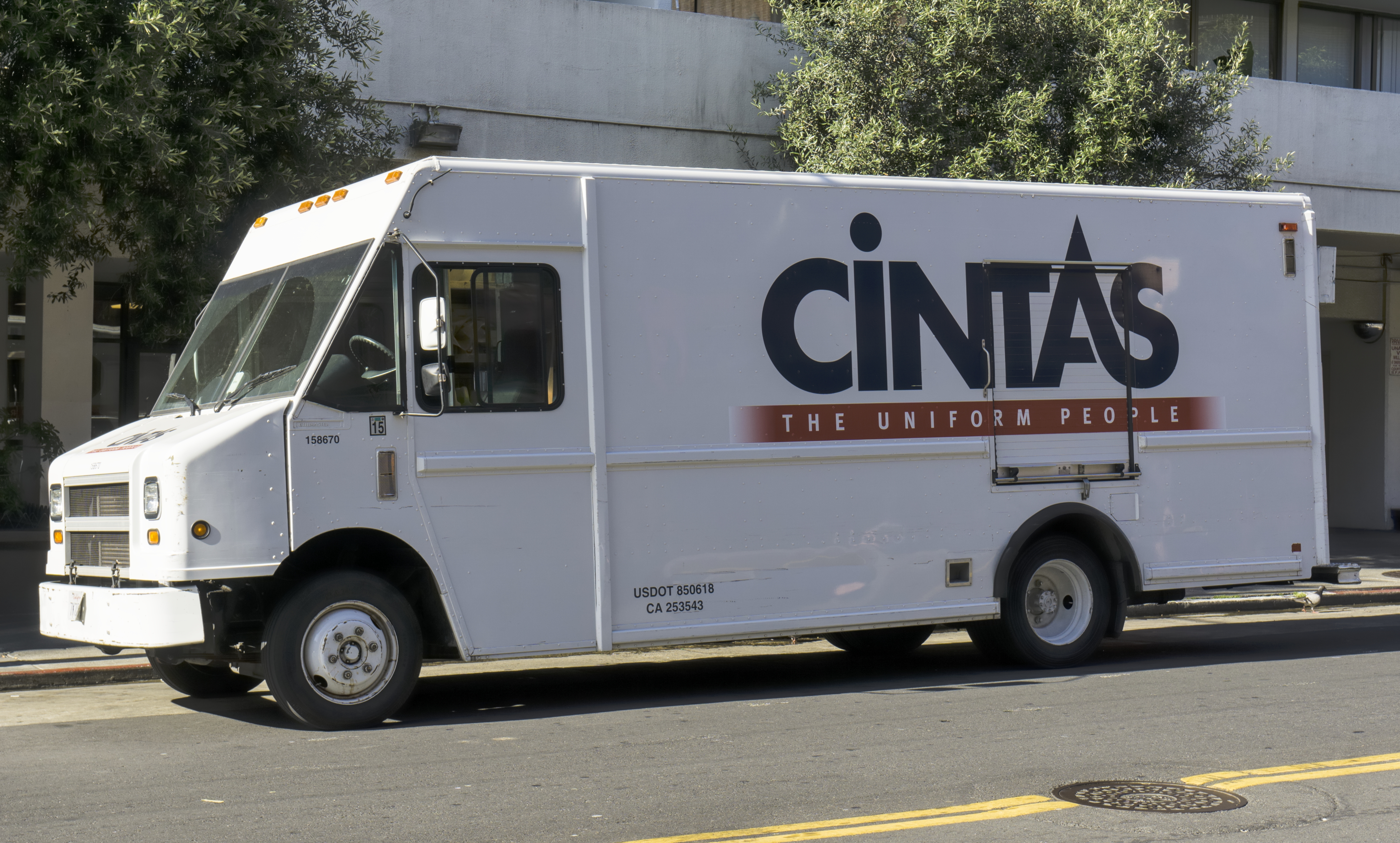
Cintas Acquisition of UniFirst Seen as Attractive Opportunity
- Earnings Beat: UniFirst (UNF) reported fiscal Q2 revenue of $623 million, exceeding consensus estimates of $615 million, while adjusted EBITDA reached $70 million, surpassing expectations of $64 million, indicating strong business resilience and growth potential.
- Core Business Growth: UniFirst's core uniform segment saw organic revenue rise 2.8% year-over-year, slightly above forecasts, with stronger new customer acquisitions contributing positively, although margins declined due to legal expenses and ongoing investments.
- Nuclear Services Rebound: The nuclear services segment's revenue decline was less severe than anticipated, with margins significantly exceeding forecasts, contributing to the overall earnings beat and demonstrating the segment's recovery capability.
- Acquisition Value Enhancement: UBS analysts assert that Cintas (CTAS) acquiring UniFirst (UNF) will strengthen its position in the uniform and facility services market, with a price target of $228 for Cintas, projecting total returns nearing 36%, highlighting the long-term value of the transaction.
See More
UniFirst to Release Q2 Earnings on April 1
- Earnings Release Announcement: UniFirst Corporation is set to release its Q2 earnings on April 1, with analysts expecting an EPS of $1.21 and revenue of $614.91 million, providing investors with the latest insights into the company's financial health.
- Market Expectations: Analysts' EPS forecast of $1.21 reflects confidence in UniFirst's profitability, while the anticipated revenue of $614.91 million indicates the company's stable performance within the industry.
- Acquisition Impact: Recently acquired by Cintas, this earnings report will be UniFirst's first financial disclosure post-acquisition, prompting investors to closely monitor the impact of the acquisition on the company's financial performance to assess future growth potential.
- Investor Focus: As the earnings release approaches, investors will be keen to see if UniFirst's performance can exceed market expectations, which will help gauge the effectiveness of the acquisition integration and its implications for future results.
See More

Major Stock Indexes Decline Amid Energy Supply Concerns


- Meta Oversold: Meta's relative strength index (RSI) dropped to 22.1 after losing two major court cases and shedding over 11% of its stock last week, indicating a pessimistic market sentiment that may prime it for a near-term rebound.
- Court Rulings Impact: A California jury ruled that Meta and YouTube were liable for harmful addictive features on their platforms affecting minors, with Meta ordered to pay $2.1 million in damages, intensifying investor concerns about its business model.
- Layoff Measures: Meta's layoffs across Facebook, global operations, recruiting, sales, and Reality Labs aim to alleviate investor anxieties over its frequent and costly corporate strategy shifts, potentially impacting its long-term growth prospects.
- Energy Stocks Overbought: Energy companies like APA, with an RSI of 87.8, saw stock prices jump nearly 14% last week due to supply chain disruptions from the Iran war, reflecting strong investor demand for energy stocks, which may face short-term pullback risks.
See More
Cintas Corporation Declares Quarterly Cash Dividend
- Quarterly Cash Dividend: Cintas Corporation's Board of Directors has approved a quarterly cash dividend of $0.45 per share, payable on June 15, 2026, to shareholders of record as of May 15, 2026, reflecting the company's ongoing commitment to returning capital to shareholders.
- Consistent Dividend History: Since its IPO in 1983, Cintas has consistently raised its dividend each year, demonstrating stable financial performance and a focus on shareholder value, which enhances investor confidence.
- Board Discretion on Future Dividends: Future dividend declarations will be at the discretion of the Board of Directors, dependent on the company's operating results, financial condition, and other relevant factors, indicating a prudent approach to capital management.
- Diverse Service Offerings: Cintas serves over one million businesses with products and services that ensure cleanliness, safety, and aesthetics, including uniforms, mats, and first aid products, further solidifying its market leadership.
See More
Cintas Reports Strong Q3 2026 Results with Increased Guidance
- Strong Financial Performance: Cintas reported Q3 2026 revenue of $2.84 billion, an 8.9% year-over-year increase, with a record gross margin of 51%, indicating sustained competitive strength in the market.
- Net Income Growth: The company achieved a net income of $502.5 million for the quarter, resulting in diluted EPS of $1.24, a 9.7% increase from last year, reflecting steady improvement in profitability and boosting investor confidence.
- Robust Shareholder Returns: In the first nine months of FY2026, Cintas returned $1.45 billion to shareholders, including a $180 million quarterly dividend paid on March 13, demonstrating the company's commitment to shareholder value and strong cash flow.
- Acquisition Plans Drive Growth: Cintas announced the acquisition of UniFirst on March 10, expected to create substantial value for customers and shareholders, while also raising its full FY2026 financial guidance, projecting annual revenue between $11.21 billion and $11.24 billion.
See More
Investigation Alerts for Multiple Company Mergers
- Cyclerion Acquisition Investigation: Cyclerion Therapeutics is set to be acquired by Korsana Therapeutics in an all-stock deal, with Cyclerion shareholders expected to own approximately 1.5% of the combined entity, raising concerns about whether the Board breached its fiduciary duties by failing to ensure a fair process.
- National Storage Merger Case: National Storage Affiliates will be acquired by Public Storage for $41.68 per share, representing a total enterprise value of approximately $10.5 billion, with investigations focusing on whether the Board conducted a fair process and provided adequate value to shareholders.
- Urgent.ly Acquisition Issues: Urgent.ly is to be acquired by Agero, Inc. for $5.50 per share in cash, with investigations questioning whether the Board fulfilled its fiduciary responsibilities and ensured fair value in the transaction.
- UniFirst Merger Investigation: UniFirst will be acquired by Cintas Corporation for $155.00 in cash and 0.7720 shares of Cintas stock, totaling approximately $310.00 per share, with investigations into whether the Board ensured a fair process and adequate shareholder value in the deal.
See More
Cintas Acquisition of UniFirst Seen as Attractive Opportunity
- Earnings Beat: UniFirst (UNF) reported fiscal Q2 revenue of $623 million, exceeding consensus estimates of $615 million, while adjusted EBITDA reached $70 million, surpassing expectations of $64 million, indicating strong business resilience and growth potential.
- Core Business Growth: UniFirst's core uniform segment saw organic revenue rise 2.8% year-over-year, slightly above forecasts, with stronger new customer acquisitions contributing positively, although margins declined due to legal expenses and ongoing investments.
- Nuclear Services Rebound: The nuclear services segment's revenue decline was less severe than anticipated, with margins significantly exceeding forecasts, contributing to the overall earnings beat and demonstrating the segment's recovery capability.
- Acquisition Value Enhancement: UBS analysts assert that Cintas (CTAS) acquiring UniFirst (UNF) will strengthen its position in the uniform and facility services market, with a price target of $228 for Cintas, projecting total returns nearing 36%, highlighting the long-term value of the transaction.
See More
UniFirst to Release Q2 Earnings on April 1
- Earnings Release Announcement: UniFirst Corporation is set to release its Q2 earnings on April 1, with analysts expecting an EPS of $1.21 and revenue of $614.91 million, providing investors with the latest insights into the company's financial health.
- Market Expectations: Analysts' EPS forecast of $1.21 reflects confidence in UniFirst's profitability, while the anticipated revenue of $614.91 million indicates the company's stable performance within the industry.
- Acquisition Impact: Recently acquired by Cintas, this earnings report will be UniFirst's first financial disclosure post-acquisition, prompting investors to closely monitor the impact of the acquisition on the company's financial performance to assess future growth potential.
- Investor Focus: As the earnings release approaches, investors will be keen to see if UniFirst's performance can exceed market expectations, which will help gauge the effectiveness of the acquisition integration and its implications for future results.
See More
Major Stock Indexes Decline Amid Energy Supply Concerns
- Meta Oversold: Meta's relative strength index (RSI) dropped to 22.1 after losing two major court cases and shedding over 11% of its stock last week, indicating a pessimistic market sentiment that may prime it for a near-term rebound.
- Court Rulings Impact: A California jury ruled that Meta and YouTube were liable for harmful addictive features on their platforms affecting minors, with Meta ordered to pay $2.1 million in damages, intensifying investor concerns about its business model.
- Layoff Measures: Meta's layoffs across Facebook, global operations, recruiting, sales, and Reality Labs aim to alleviate investor anxieties over its frequent and costly corporate strategy shifts, potentially impacting its long-term growth prospects.
- Energy Stocks Overbought: Energy companies like APA, with an RSI of 87.8, saw stock prices jump nearly 14% last week due to supply chain disruptions from the Iran war, reflecting strong investor demand for energy stocks, which may face short-term pullback risks.
See More