Cigna Group's Financial Ratings Affirmed by AM Best
Written by Emily J. Thompson, Senior Investment Analyst
Updated: Mar 04 2026
0mins
Should l Buy CI?
Source: Businesswire
- Financial Strength Rating Affirmed: AM Best has affirmed Cigna Group's Financial Strength Rating of A (Excellent) and Long-Term Issuer Credit Ratings of “a+” (Excellent), reflecting its strong balance sheet and operating performance, which is expected to bolster investor confidence.
- Strong Capital Adequacy: Cigna Life & Health Group maintains the highest level of risk-adjusted capitalization as measured by Best’s Capital Adequacy Ratio (BCAR), and despite an elevated financial leverage of over 43%, its robust earnings and liquidity support its debt servicing capacity, ensuring financial flexibility.
- Revenue Diversification: Cigna's revenues are geographically diversified, primarily from the U.S. market, although the anticipated sale of its Medicare and CareAllies businesses in 2025 is expected to decrease overall revenues, its core commercial health products continue to maintain a strong market presence.
- Mature Risk Management: Cigna has implemented a comprehensive Enterprise Risk Management (ERM) program integrated into daily operations and strategic planning, ensuring stable operational performance and risk control capabilities in a complex market environment.
Trade with 70% Backtested Accuracy
Stop guessing "Should I Buy CI?" and start using high-conviction signals backed by rigorous historical data.
Sign up today to access powerful investing tools and make smarter, data-driven decisions.
Analyst Views on CI
Wall Street analysts forecast CI stock price to rise
16 Analyst Rating
14 Buy
2 Hold
0 Sell
Strong Buy
Current: 267.320

Low
300.00
Averages
335.63
High
378.00
Current: 267.320
Low
300.00
Averages
335.63
High
378.00
About CI
The Cigna Group is a global health company. The Company has two growth platforms: Evernorth Health Services and Cigna Healthcare. Evernorth Health Services includes its Pharmacy Benefit Services and Specialty and Care Services operating segments, which provide independent and coordinated health solutions and capabilities to enable the healthcare system to work better and help people live richer, healthier lives. Cigna Healthcare includes the U.S. Healthcare and International Health operating segments, which provide comprehensive medical plan services and coordinated solutions to clients and customers. Its Other Operations include corporate-owned life insurance (COLI), the Company's run-off operations and other non-strategic businesses. Specialty and Care Services provides specialty drugs for the treatment of complex and rare diseases, specialty distribution of pharmaceuticals and medical supplies, and clinical programs to help its clients.
About the author

Emily J. Thompson
Emily J. Thompson, a Chartered Financial Analyst (CFA) with 12 years in investment research, graduated with honors from the Wharton School. Specializing in industrial and technology stocks, she provides in-depth analysis for Intellectia’s earnings and market brief reports.

Cigna Group to Release Q1 2026 Financial Results on April 30
- Earnings Release Schedule: The Cigna Group will release its Q1 2026 financial results on April 30, 2026, no later than 6:30 a.m. ET, demonstrating the company's commitment to transparency and timely communication with stakeholders.
- Conference Call Details: Management will host a conference call at 8:30 a.m. ET on the same day, with participants encouraged to dial in by 8:15 a.m., reflecting the company's focus on investor relations and effective information dissemination.
- Replay and Webcast Availability: A replay of the conference call will be accessible from 12:30 p.m. ET on April 30 until 10:59 p.m. ET on May 14, and the call will also be available via live internet webcast, enhancing investor engagement and access to information.
- Investor Relations Information: Cigna Group will provide a news release and financial supplement on its website's Investor Relations section, ensuring investors have timely access to the latest updates, which underscores the company's commitment to transparency and investor communication.
See More
Cigna Group to Release Q1 2026 Financial Results on April 30
- Earnings Release Schedule: The Cigna Group will release its Q1 2026 financial results on April 30, 2026, no later than 6:30 a.m. ET, reflecting the company's commitment to transparency.
- Conference Call Details: Management will host a conference call at 8:30 a.m. ET on the same day, with participants encouraged to dial in by 8:15 a.m. ET to ensure timely access to financial information, thereby enhancing investor confidence.
- Replay and Webcast Availability: A replay of the conference call will be available from 12:30 p.m. ET on April 30 until 10:59 p.m. ET on May 14, and the call will also be accessible via a live webcast on the company's website, further improving information accessibility.
- Company Background: The Cigna Group is a global health company focused on improving health through innovative solutions, maintaining over 185 million customer relationships worldwide, showcasing its extensive influence in the global market.
See More
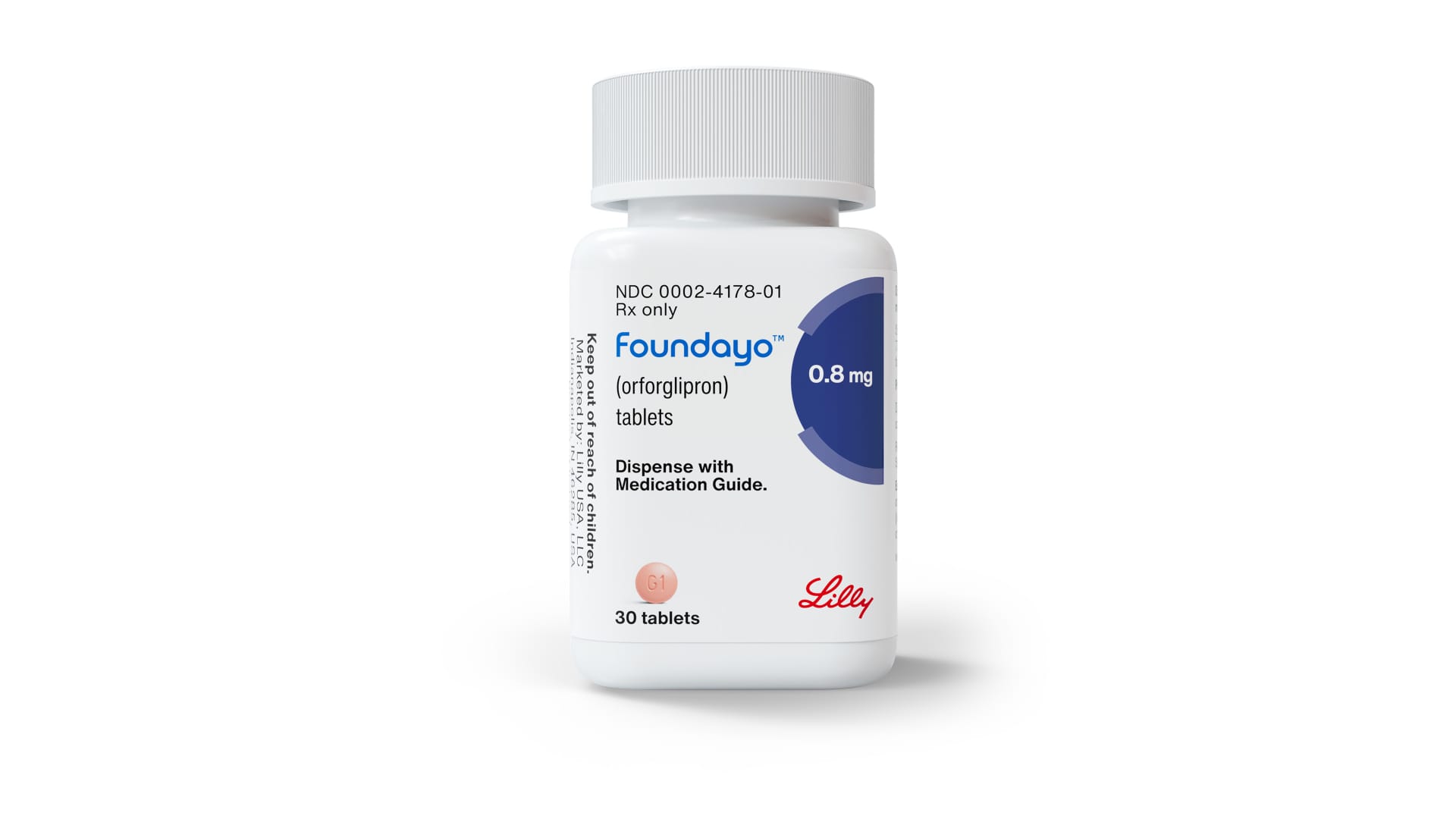
Eli Lilly's GLP-1 Pill Approval Marks New Weight Loss Market Entry

- Regulatory Milestone: The FDA's approval of Eli Lilly's GLP-1 pill, Foundayo, represents a significant advancement for the company in the weight-loss medication market, setting the stage for competition with Novo Nordisk's Wegovy and altering market dynamics.
- Pricing Strategy: Foundayo is priced at $25 per month with insurance or between $149 and $349 out-of-pocket, aiming to attract a broader patient base, particularly appealing to seniors, thereby expanding the market for weight-loss drugs.
- Global Market Expansion: Lilly plans to seek approval for Foundayo in over 40 countries within the next year, leveraging its small molecule nature to enable global production and distribution without cold-chain constraints, enhancing its competitive edge.
- Sales Projections: Analysts estimate Foundayo's sales could reach $14.79 billion by 2030, although lower than Zepbound's $24.68 billion, it still indicates strong market potential and is seen as a key factor for Eli Lilly's stock recovery.
See More
CVS Health Reaches Proposed Settlement with FTC on Insulin Pricing
- Settlement Progress: CVS Health's proposed settlement with the FTC is expected to be finalized in the coming weeks, modeled after a similar agreement with Cigna's Express Scripts, indicating the company's proactive stance on drug pricing transparency.
- Stock Price Reaction: Following the settlement news, CVS Health shares rose 2% on Tuesday, reflecting market optimism about the agreement, with analysts suggesting that this resolution will alleviate uncertainties in the pharmacy benefit management sector, thereby boosting investor confidence.
- Market Outlook: Leerink reiterated an 'Outperform' rating on CVS Health with a $98 price target, suggesting a potential upside of approximately 35% from Tuesday's closing price, indicating a positive market sentiment regarding the company's future performance.
- Cost Reduction for Patients: The settlement with the FTC is expected to lower patients' out-of-pocket costs for insulin and other drugs by up to $7 billion over the next decade, highlighting CVS's strategic importance in advocating for drug price rationalization.
See More
Cigna Foundation Supports Veteran Housing Initiatives
- Funding Support: The Cigna Foundation invested over $3 million across 10 states, enabling 22 nonprofit partners to provide stable housing and integrated support services to 8,000 veterans, significantly improving their quality of life.
- Housing Solutions: By delivering 128 stable housing solutions and 116 housing modifications, nonprofit partners assisted 989 veterans in securing permanent or transitional housing, alleviating mental health stress associated with housing instability.
- Employee Volunteerism: In 2025, over 200 Cigna employees volunteered more than 1,000 hours, engaging in home building and creating care packages, which enhanced community support for veterans and demonstrated corporate social responsibility.
- Long-term Commitment: The Cigna Foundation's three-year, $27 million commitment focuses on improving veteran mental health and housing stability, reflecting the company's dedication to social responsibility and ongoing support for the veteran community.
See More
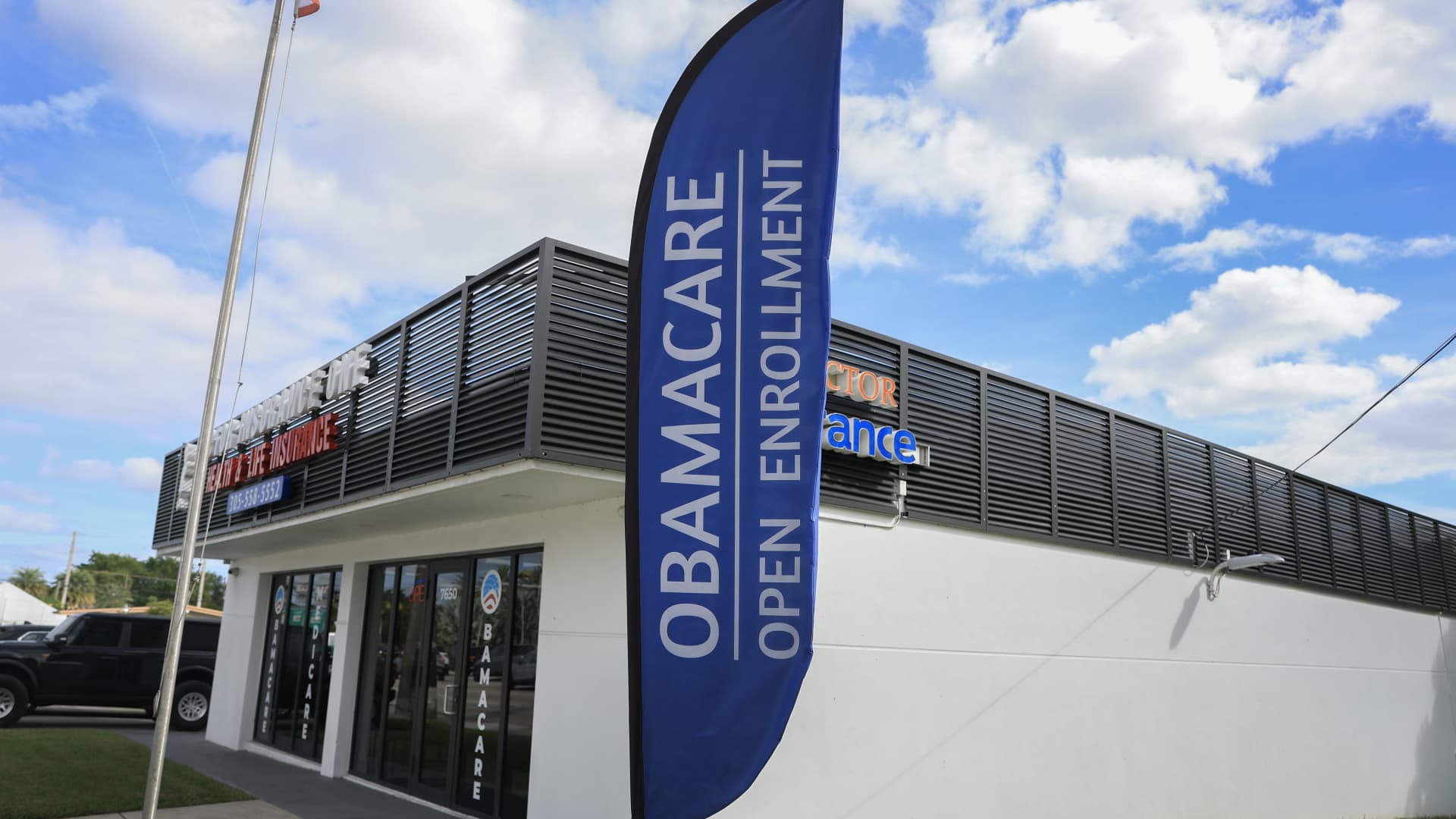
Americans Drop Health Insurance Coverage as Premiums Surge

- Decline in Coverage: A KFF survey reveals that approximately 9% of ACA marketplace enrollees lost their insurance after the expiration of subsidies, indicating a direct impact of rising premiums that may lead to more individuals facing healthcare cost burdens.
- Significant Premium Increases: With the lapse of enhanced premium tax credits, average premiums for ACA enrollees are expected to double by 2026, exacerbating financial pressures on households and affecting their spending capabilities.
- Voter Sentiment Shift: The survey indicates that 54% of returning ACA enrollees blame rising healthcare costs on congressional Republicans and Trump, suggesting that healthcare affordability could become a pivotal political issue in the upcoming midterm elections, influencing voter turnout.
- Household Financial Strain: About 55% of ACA enrollees report cutting back on essential expenses like food and clothing to afford healthcare costs, highlighting the profound impact of medical expenses on household finances, which could lead to higher unemployment rates and economic instability.
See More
Cigna Group to Release Q1 2026 Financial Results on April 30
- Earnings Release Schedule: The Cigna Group will release its Q1 2026 financial results on April 30, 2026, no later than 6:30 a.m. ET, demonstrating the company's commitment to transparency and timely communication with stakeholders.
- Conference Call Details: Management will host a conference call at 8:30 a.m. ET on the same day, with participants encouraged to dial in by 8:15 a.m., reflecting the company's focus on investor relations and effective information dissemination.
- Replay and Webcast Availability: A replay of the conference call will be accessible from 12:30 p.m. ET on April 30 until 10:59 p.m. ET on May 14, and the call will also be available via live internet webcast, enhancing investor engagement and access to information.
- Investor Relations Information: Cigna Group will provide a news release and financial supplement on its website's Investor Relations section, ensuring investors have timely access to the latest updates, which underscores the company's commitment to transparency and investor communication.
See More
Cigna Group to Release Q1 2026 Financial Results on April 30
- Earnings Release Schedule: The Cigna Group will release its Q1 2026 financial results on April 30, 2026, no later than 6:30 a.m. ET, reflecting the company's commitment to transparency.
- Conference Call Details: Management will host a conference call at 8:30 a.m. ET on the same day, with participants encouraged to dial in by 8:15 a.m. ET to ensure timely access to financial information, thereby enhancing investor confidence.
- Replay and Webcast Availability: A replay of the conference call will be available from 12:30 p.m. ET on April 30 until 10:59 p.m. ET on May 14, and the call will also be accessible via a live webcast on the company's website, further improving information accessibility.
- Company Background: The Cigna Group is a global health company focused on improving health through innovative solutions, maintaining over 185 million customer relationships worldwide, showcasing its extensive influence in the global market.
See More
Eli Lilly's GLP-1 Pill Approval Marks New Weight Loss Market Entry
- Regulatory Milestone: The FDA's approval of Eli Lilly's GLP-1 pill, Foundayo, represents a significant advancement for the company in the weight-loss medication market, setting the stage for competition with Novo Nordisk's Wegovy and altering market dynamics.
- Pricing Strategy: Foundayo is priced at $25 per month with insurance or between $149 and $349 out-of-pocket, aiming to attract a broader patient base, particularly appealing to seniors, thereby expanding the market for weight-loss drugs.
- Global Market Expansion: Lilly plans to seek approval for Foundayo in over 40 countries within the next year, leveraging its small molecule nature to enable global production and distribution without cold-chain constraints, enhancing its competitive edge.
- Sales Projections: Analysts estimate Foundayo's sales could reach $14.79 billion by 2030, although lower than Zepbound's $24.68 billion, it still indicates strong market potential and is seen as a key factor for Eli Lilly's stock recovery.
See More
CVS Health Reaches Proposed Settlement with FTC on Insulin Pricing
- Settlement Progress: CVS Health's proposed settlement with the FTC is expected to be finalized in the coming weeks, modeled after a similar agreement with Cigna's Express Scripts, indicating the company's proactive stance on drug pricing transparency.
- Stock Price Reaction: Following the settlement news, CVS Health shares rose 2% on Tuesday, reflecting market optimism about the agreement, with analysts suggesting that this resolution will alleviate uncertainties in the pharmacy benefit management sector, thereby boosting investor confidence.
- Market Outlook: Leerink reiterated an 'Outperform' rating on CVS Health with a $98 price target, suggesting a potential upside of approximately 35% from Tuesday's closing price, indicating a positive market sentiment regarding the company's future performance.
- Cost Reduction for Patients: The settlement with the FTC is expected to lower patients' out-of-pocket costs for insulin and other drugs by up to $7 billion over the next decade, highlighting CVS's strategic importance in advocating for drug price rationalization.
See More
Cigna Foundation Supports Veteran Housing Initiatives
- Funding Support: The Cigna Foundation invested over $3 million across 10 states, enabling 22 nonprofit partners to provide stable housing and integrated support services to 8,000 veterans, significantly improving their quality of life.
- Housing Solutions: By delivering 128 stable housing solutions and 116 housing modifications, nonprofit partners assisted 989 veterans in securing permanent or transitional housing, alleviating mental health stress associated with housing instability.
- Employee Volunteerism: In 2025, over 200 Cigna employees volunteered more than 1,000 hours, engaging in home building and creating care packages, which enhanced community support for veterans and demonstrated corporate social responsibility.
- Long-term Commitment: The Cigna Foundation's three-year, $27 million commitment focuses on improving veteran mental health and housing stability, reflecting the company's dedication to social responsibility and ongoing support for the veteran community.
See More
Americans Drop Health Insurance Coverage as Premiums Surge
- Decline in Coverage: A KFF survey reveals that approximately 9% of ACA marketplace enrollees lost their insurance after the expiration of subsidies, indicating a direct impact of rising premiums that may lead to more individuals facing healthcare cost burdens.
- Significant Premium Increases: With the lapse of enhanced premium tax credits, average premiums for ACA enrollees are expected to double by 2026, exacerbating financial pressures on households and affecting their spending capabilities.
- Voter Sentiment Shift: The survey indicates that 54% of returning ACA enrollees blame rising healthcare costs on congressional Republicans and Trump, suggesting that healthcare affordability could become a pivotal political issue in the upcoming midterm elections, influencing voter turnout.
- Household Financial Strain: About 55% of ACA enrollees report cutting back on essential expenses like food and clothing to afford healthcare costs, highlighting the profound impact of medical expenses on household finances, which could lead to higher unemployment rates and economic instability.
See More