

Chevron's Free Cash Flow Outlook Tops Estimates—Goldman Sachs Sees Upside
Written by Emily J. Thompson, Senior Investment Analyst
Updated: Jan 31 2025
0mins


Source: Benzinga
Chevron Corp Earnings Report: Chevron reported fourth-quarter revenues of $52.23 billion, exceeding expectations, but adjusted net earnings of $3.63 billion and EPS of $2.06 fell short of consensus estimates. The company also raised its quarterly dividend by 5% to $1.71 per share.
Analyst Insights: Goldman Sachs analyst Neil Mehta maintains a Buy rating on Chevron with a price target of $182, noting that the company's guidance for over $10 billion in free cash flow growth by 2026 surpasses their forecast.
Trade with 70% Backtested Accuracy
Stop guessing "Should I Buy CVX?" and start using high-conviction signals backed by rigorous historical data.
Sign up today to access powerful investing tools and make smarter, data-driven decisions.
Analyst Views on CVX
Wall Street analysts forecast CVX stock price to rise
19 Analyst Rating
15 Buy
4 Hold
0 Sell
Strong Buy
Current: 169.200

Low
158.00
Averages
176.95
High
206.00
Current: 169.200
Low
158.00
Averages
176.95
High
206.00
About CVX
Chevron Corporation is an integrated energy company. The Company produces crude oil and natural gas; manufactures transportation fuels, lubricants, petrochemicals and additives; and develops technologies that enhance its business and industry. The Company’s segments include Upstream and Downstream. Upstream operations consist primarily of exploring for, developing, producing and transporting crude oil and natural gas; liquefaction, transportation and regasification associated with LNG; transporting crude oil by major international oil export pipelines; processing, transporting, storage and marketing of natural gas; carbon capture and storage; and a gas-to-liquids plant. Downstream operations consist primarily of the refining of crude oil into petroleum products; marketing crude oil, refined products, and lubricants; manufacturing and marketing of renewable fuels, and transporting of crude oil and refined products by pipeline, marine vessel, motor equipment and rail car.
About the author

Emily J. Thompson
Emily J. Thompson, a Chartered Financial Analyst (CFA) with 12 years in investment research, graduated with honors from the Wharton School. Specializing in industrial and technology stocks, she provides in-depth analysis for Intellectia’s earnings and market brief reports.

iShares Core High Dividend ETF Outperforms S&P 500


- Market Outperformance: The iShares Core High Dividend ETF has risen over 15% this year, significantly outperforming the S&P 500's 9% increase, highlighting its investment advantage in high-yield stocks and attracting more income-seeking investors.
- Quality Stock Selection: This ETF tracks an index of high-yield U.S. dividend stocks, currently holding 75 stocks with an annual dividend yield of 2.9%, nearly three times that of the S&P 500, indicating its strong competitive edge in dividend investing.
- Sector Drivers: The fund's high exposure to energy stocks, particularly ExxonMobil and Chevron, which are up 14% and 11% respectively, has significantly boosted its performance, while strong gains from healthcare stocks like AbbVie and Merck have also contributed to its growth.
- Growth Potential: Since its inception in 2011, the iShares Core High Dividend ETF has delivered over 10% annualized returns, and with its focus on high-quality dividend stocks, it is expected to continue providing stable income and growth opportunities for investors.
See More

iShares Core High Dividend ETF Surges Over 15% Year-to-Date
- High-Yield Stock Advantage: The iShares Core High Dividend ETF has surged over 15% this year, primarily benefiting from its higher exposure to high-yield energy stocks, particularly ExxonMobil and Chevron, which have risen 14% and 11% respectively, thus driving the fund's overall performance.
- Healthcare Stock Contribution: The ETF has also gained from its significant allocation to healthcare stocks, notably AbbVie and Merck, with AbbVie shares up over 14% and Merck up over 23%, indicating that high-quality dividend stocks can deliver substantial total returns.
- Dividend Yield Comparison: The iShares Core High Dividend ETF currently boasts a dividend yield of 2.9%, nearly three times the S&P 500's yield of 1.1%, highlighting its advantage in providing stable cash flow, which attracts income-seeking investors.
- Strong Long-Term Performance: Since its inception in 2011, the ETF has delivered over 10% annualized returns over the past one, three, and five years, indicating success in its investment strategy focused on high-quality dividend stocks, and it is expected to continue providing strong returns in the future.
See More

Energy Prices Fall Back After Middle East Conflict


- Energy Price Volatility: Oil and gas prices surged due to geopolitical conflict in the Middle East but have since returned to pre-conflict levels, highlighting the volatility and critical importance of energy markets.
- Chevron's Investment Appeal: With a market cap of $337 billion, Chevron stands out as one of the largest energy companies globally, boasting a low debt-to-equity ratio of 0.25 and a dividend yield of 4.2%, making it a solid choice for investors in the energy sector.
- Enterprise Products Partners' Strength: As one of North America's largest midstream operators, Enterprise Products Partners has a market cap of $80 billion and offers a reliable 6% dividend yield, making it an attractive option for conservative income investors seeking stability.
- Market Sentiment vs. Fundamentals: Despite fluctuating oil prices, Chevron and other major energy firms caution that current prices do not reflect industry fundamentals, suggesting that oil prices may rise again when investor sentiment stabilizes, indicating that now could be an opportune time to invest in Chevron.
See More
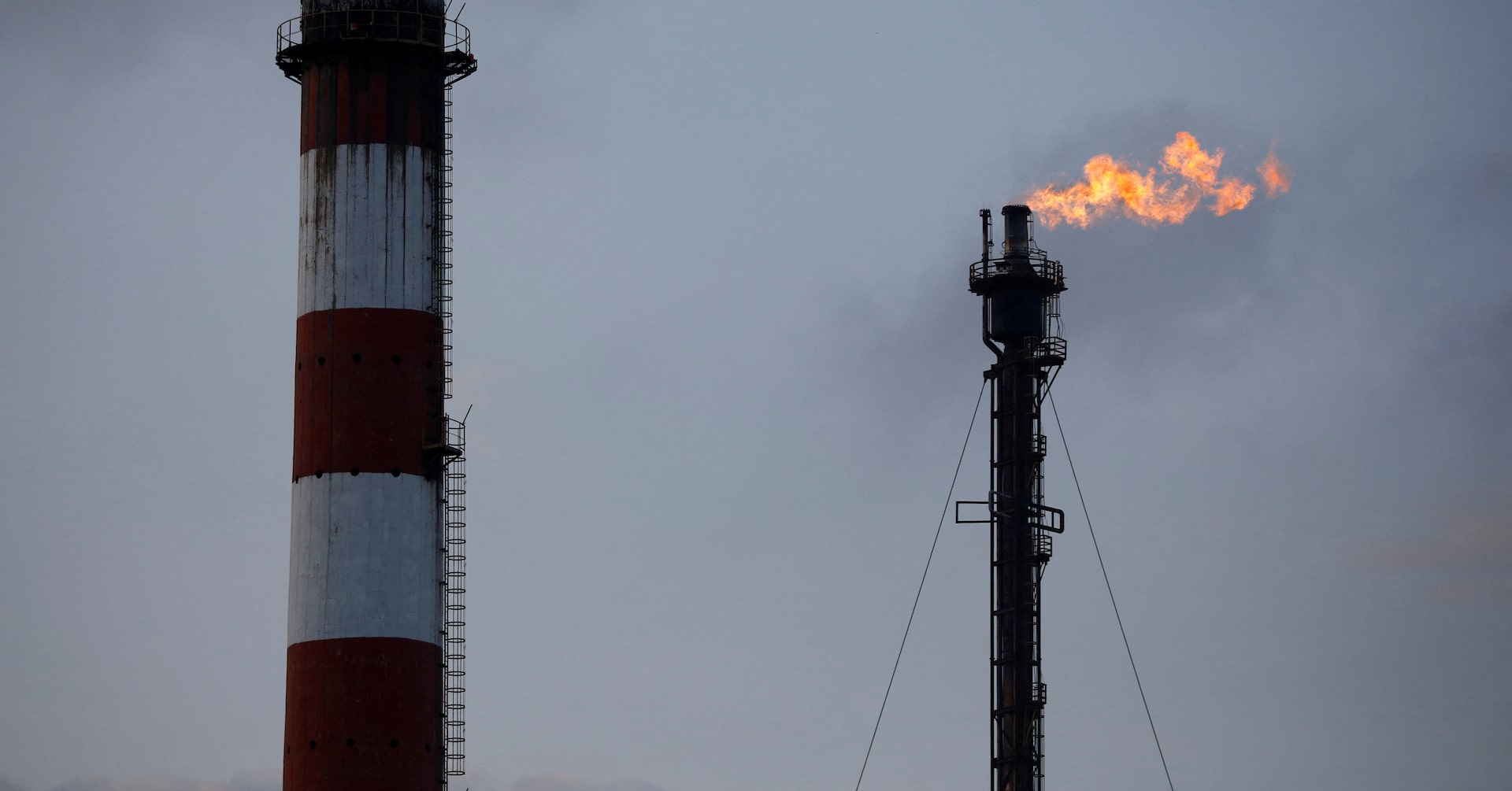
Oil and Gas Price Volatility and Investment Opportunities
- Energy Price Fluctuations: Oil and gas prices surged due to geopolitical conflicts in the Middle East but have since returned to pre-conflict levels, highlighting the volatility of the energy market, which investors should monitor to seize investment opportunities.
- Chevron's Investment Appeal: As one of the world's largest energy companies, Chevron boasts a low debt-to-equity ratio of 0.25 and an attractive dividend yield of 4.2%, making it an ideal choice for investors seeking stable income, although its business remains susceptible to oil price fluctuations.
- Stability of Enterprise Products Partners: As one of North America's largest midstream operators, Enterprise Products Partners generates reliable cash flows through fee-based revenue, currently offering a 6% dividend yield that has increased annually since its public debut, appealing to investors averse to commodity risk.
- Market Sentiment vs. Industry Fundamentals: Chevron and other major energy firms caution that oil prices do not accurately reflect current industry fundamentals, suggesting that prices may rise again as investor emotions stabilize, indicating that now could be a good time to consider buying Chevron.
See More
South Korean Prosecutors Indict Four Major Oil Refiners for Price Manipulation
- Price Manipulation Charges: South Korean prosecutors have indicted four major oil refiners—HD Hyundai Oilbank, SK Energy, GS Caltex, and S-Oil—for violating fair trade laws by colluding to inflate domestic fuel prices, with a total impact estimated at 26 trillion won (approximately $19.2 billion).
- Collusion Details Revealed: Prosecutors allege that HD Hyundai Oilbank and SK Energy colluded on oil sales worth 14.2 trillion won (around $9.2 billion), while GS Caltex and S-Oil mimicked their pricing, indicating a systemic and long-standing practice rather than an isolated incident.
- Government's Firm Stance: South Korean President Lee Jae Myung warned on social media that oil refiners involved in price-fixing would be held accountable, vowing to employ all lawful measures against unethical business practices, demonstrating a zero-tolerance approach to market manipulation.
- Market Reaction: Despite the indictments, the stock prices of the four refiners rose, with S-Oil gaining 6.08%, SK Innovation up 1.58%, HD Hyundai increasing by 1.21%, and GS Holdings rising 6.99%, reflecting market confidence in their future performance.
See More

SCHD Delivers 227% Return Over 10 Years with Strong Cash Flow Stability


- Strong SCHD Performance: SCHD has achieved a remarkable 227% return over the past decade, demonstrating its robust ability to maintain stable cash flows and dividend growth, which appeals to conservative investors.
- Coca-Cola's Consistent Growth: Coca-Cola expanded its operating margin to 35% in Q1 2026, with free cash flow surging 132% to $1.76 billion, marking its 63rd consecutive annual dividend increase to $0.53 per quarter, indicating the safety of its dividend payments.
- Verizon's Financial Resilience: Despite Verizon's total debt climbing to $172.5 billion, its 2025 free cash flow of $20.1 billion comfortably covers the $11.5 billion dividend, showcasing its financial resilience in a high-leverage environment.
- Chevron's Stable Dividends: Chevron pays a quarterly dividend of $1.78, and although its Q1 free cash flow was negative, the long-term free cash flow expectation of $16.6 billion reflects management's strong commitment to maintaining dividend payments.
See More
iShares Core High Dividend ETF Outperforms S&P 500
- Market Outperformance: The iShares Core High Dividend ETF has risen over 15% this year, significantly outperforming the S&P 500's 9% increase, highlighting its investment advantage in high-yield stocks and attracting more income-seeking investors.
- Quality Stock Selection: This ETF tracks an index of high-yield U.S. dividend stocks, currently holding 75 stocks with an annual dividend yield of 2.9%, nearly three times that of the S&P 500, indicating its strong competitive edge in dividend investing.
- Sector Drivers: The fund's high exposure to energy stocks, particularly ExxonMobil and Chevron, which are up 14% and 11% respectively, has significantly boosted its performance, while strong gains from healthcare stocks like AbbVie and Merck have also contributed to its growth.
- Growth Potential: Since its inception in 2011, the iShares Core High Dividend ETF has delivered over 10% annualized returns, and with its focus on high-quality dividend stocks, it is expected to continue providing stable income and growth opportunities for investors.
See More
iShares Core High Dividend ETF Surges Over 15% Year-to-Date
- High-Yield Stock Advantage: The iShares Core High Dividend ETF has surged over 15% this year, primarily benefiting from its higher exposure to high-yield energy stocks, particularly ExxonMobil and Chevron, which have risen 14% and 11% respectively, thus driving the fund's overall performance.
- Healthcare Stock Contribution: The ETF has also gained from its significant allocation to healthcare stocks, notably AbbVie and Merck, with AbbVie shares up over 14% and Merck up over 23%, indicating that high-quality dividend stocks can deliver substantial total returns.
- Dividend Yield Comparison: The iShares Core High Dividend ETF currently boasts a dividend yield of 2.9%, nearly three times the S&P 500's yield of 1.1%, highlighting its advantage in providing stable cash flow, which attracts income-seeking investors.
- Strong Long-Term Performance: Since its inception in 2011, the ETF has delivered over 10% annualized returns over the past one, three, and five years, indicating success in its investment strategy focused on high-quality dividend stocks, and it is expected to continue providing strong returns in the future.
See More
Energy Prices Fall Back After Middle East Conflict
- Energy Price Volatility: Oil and gas prices surged due to geopolitical conflict in the Middle East but have since returned to pre-conflict levels, highlighting the volatility and critical importance of energy markets.
- Chevron's Investment Appeal: With a market cap of $337 billion, Chevron stands out as one of the largest energy companies globally, boasting a low debt-to-equity ratio of 0.25 and a dividend yield of 4.2%, making it a solid choice for investors in the energy sector.
- Enterprise Products Partners' Strength: As one of North America's largest midstream operators, Enterprise Products Partners has a market cap of $80 billion and offers a reliable 6% dividend yield, making it an attractive option for conservative income investors seeking stability.
- Market Sentiment vs. Fundamentals: Despite fluctuating oil prices, Chevron and other major energy firms caution that current prices do not reflect industry fundamentals, suggesting that oil prices may rise again when investor sentiment stabilizes, indicating that now could be an opportune time to invest in Chevron.
See More
Oil and Gas Price Volatility and Investment Opportunities
- Energy Price Fluctuations: Oil and gas prices surged due to geopolitical conflicts in the Middle East but have since returned to pre-conflict levels, highlighting the volatility of the energy market, which investors should monitor to seize investment opportunities.
- Chevron's Investment Appeal: As one of the world's largest energy companies, Chevron boasts a low debt-to-equity ratio of 0.25 and an attractive dividend yield of 4.2%, making it an ideal choice for investors seeking stable income, although its business remains susceptible to oil price fluctuations.
- Stability of Enterprise Products Partners: As one of North America's largest midstream operators, Enterprise Products Partners generates reliable cash flows through fee-based revenue, currently offering a 6% dividend yield that has increased annually since its public debut, appealing to investors averse to commodity risk.
- Market Sentiment vs. Industry Fundamentals: Chevron and other major energy firms caution that oil prices do not accurately reflect current industry fundamentals, suggesting that prices may rise again as investor emotions stabilize, indicating that now could be a good time to consider buying Chevron.
See More
South Korean Prosecutors Indict Four Major Oil Refiners for Price Manipulation
- Price Manipulation Charges: South Korean prosecutors have indicted four major oil refiners—HD Hyundai Oilbank, SK Energy, GS Caltex, and S-Oil—for violating fair trade laws by colluding to inflate domestic fuel prices, with a total impact estimated at 26 trillion won (approximately $19.2 billion).
- Collusion Details Revealed: Prosecutors allege that HD Hyundai Oilbank and SK Energy colluded on oil sales worth 14.2 trillion won (around $9.2 billion), while GS Caltex and S-Oil mimicked their pricing, indicating a systemic and long-standing practice rather than an isolated incident.
- Government's Firm Stance: South Korean President Lee Jae Myung warned on social media that oil refiners involved in price-fixing would be held accountable, vowing to employ all lawful measures against unethical business practices, demonstrating a zero-tolerance approach to market manipulation.
- Market Reaction: Despite the indictments, the stock prices of the four refiners rose, with S-Oil gaining 6.08%, SK Innovation up 1.58%, HD Hyundai increasing by 1.21%, and GS Holdings rising 6.99%, reflecting market confidence in their future performance.
See More
SCHD Delivers 227% Return Over 10 Years with Strong Cash Flow Stability
- Strong SCHD Performance: SCHD has achieved a remarkable 227% return over the past decade, demonstrating its robust ability to maintain stable cash flows and dividend growth, which appeals to conservative investors.
- Coca-Cola's Consistent Growth: Coca-Cola expanded its operating margin to 35% in Q1 2026, with free cash flow surging 132% to $1.76 billion, marking its 63rd consecutive annual dividend increase to $0.53 per quarter, indicating the safety of its dividend payments.
- Verizon's Financial Resilience: Despite Verizon's total debt climbing to $172.5 billion, its 2025 free cash flow of $20.1 billion comfortably covers the $11.5 billion dividend, showcasing its financial resilience in a high-leverage environment.
- Chevron's Stable Dividends: Chevron pays a quarterly dividend of $1.78, and although its Q1 free cash flow was negative, the long-term free cash flow expectation of $16.6 billion reflects management's strong commitment to maintaining dividend payments.
See More





