Charlotte Tops 2025 Power City Index, Outperforming Silicon Valley
Written by Emily J. Thompson, Senior Investment Analyst
Updated: Jan 02 2026
0mins

Should l Buy ALB?
Source: CNBC
- Charlotte's Victory: The Charlotte Power City Index achieved a median return exceeding 22% in 2025, not only surpassing Silicon Valley but also establishing itself as the best-performing city nationwide, showcasing the region's robust economic recovery.
- Key Drivers: The stock prices of seven major companies, including lithium miner Albemarle (ALB) and banking giant Bank of America (BAC), rose over 20%, driving Charlotte's overall returns and reflecting the resilience of its diversified economy.
- Silicon Valley's Strong Performance: Although Silicon Valley's Power City Index recorded a return of over 21%, primarily fueled by tech giants like Nvidia (NVDA) and Alphabet (GOOGL), it fell short of the top spot due to a 27% drop in ServiceNow (NOW) shares.
- Washington D.C.'s Steady Performance: The Washington D.C. Power City Index posted a return of approximately 17%, with defense contractors like Raytheon Technologies (RTX) and Northrop Grumman (NOC) standing out, highlighting the region's attractiveness for defense sector investments.
Trade with 70% Backtested Accuracy
Stop guessing "Should I Buy ALB?" and start using high-conviction signals backed by rigorous historical data.
Sign up today to access powerful investing tools and make smarter, data-driven decisions.
Analyst Views on ALB
Wall Street analysts forecast ALB stock price to fall
20 Analyst Rating
10 Buy
10 Hold
0 Sell
Moderate Buy
Current: 177.220

Low
85.00
Averages
149.79
High
210.00
Current: 177.220
Low
85.00
Averages
149.79
High
210.00
About ALB
Albemarle Corporation is engaged in transforming essential resources into critical ingredients for mobility, energy, connectivity, and health. The Company’s segments include Energy Storage, Specialties, and Ketjen. The Company's Energy Storage segment develops and manufactures a range of basic lithium compounds, including lithium carbonate, lithium hydroxide, and lithium chloride. Its Specialties segment optimizes its portfolio of bromine and highly specialized lithium solutions. Its Specialties segment serves a variety of industries, including energy, mobility, connectivity, and health. Specialty products are essential in both internal combustion and electric vehicles, from high-voltage cables and powertrains to airbags and tires. Its lithium specialties business also provides technical services, including the handling and use of reactive lithium products. Its Ketjen segment includes performance catalyst solutions and a 49% ownership interest in a refining solutions joint venture.
About the author

Emily J. Thompson
Emily J. Thompson, a Chartered Financial Analyst (CFA) with 12 years in investment research, graduated with honors from the Wharton School. Specializing in industrial and technology stocks, she provides in-depth analysis for Intellectia’s earnings and market brief reports.
Chile's Lithium Production Expected to Continue Growing

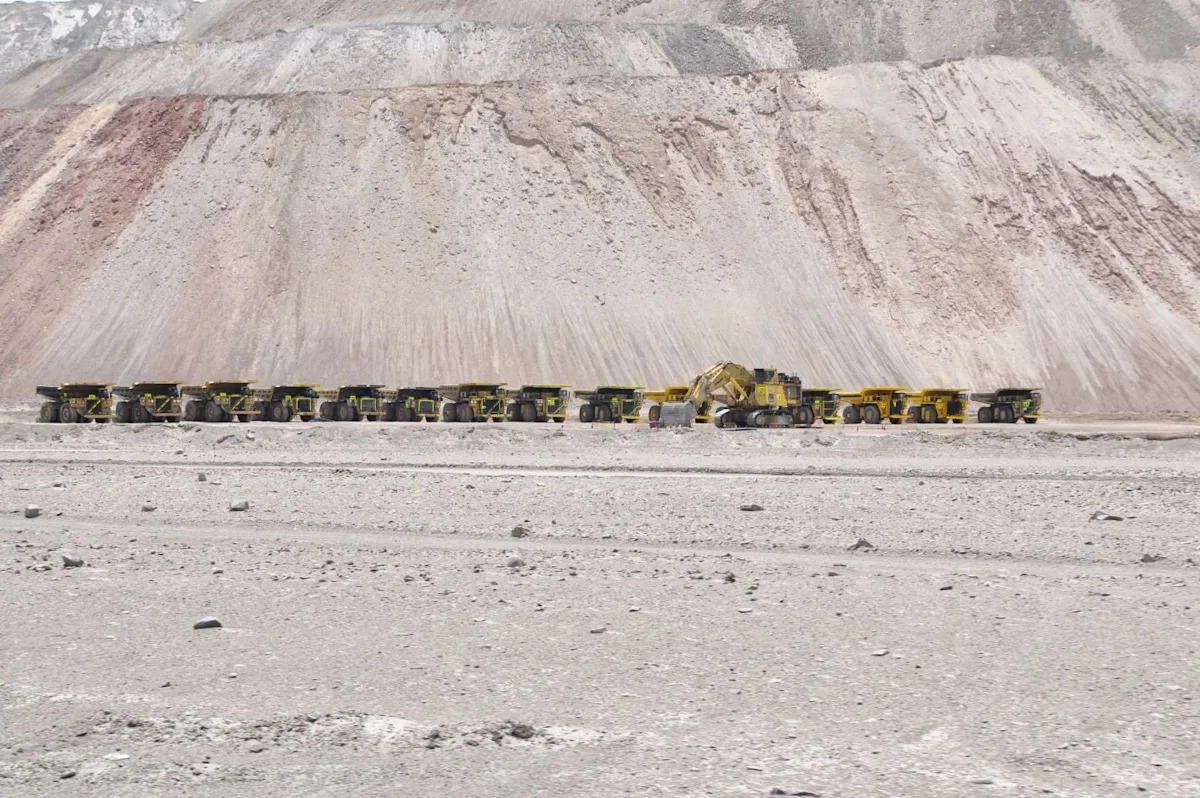
- Production Growth Outlook: Chile's lithium production is expected to increase by 10.1% to 64,100 tonnes in 2025, primarily driven by SQM's capacity expansion in the Salar de Atacama, indicating operationally driven growth potential in the near term.
- Policy Background Shift: Following President Kast's assumption of office in March 2026, the Chilean government merged the Ministries of Mining and Economy, signaling a closer alignment of mining policy with economic objectives, which could influence the medium- to long-term direction of the lithium sector.
- Market-Oriented Adjustments: The new administration favors lower regulatory and tax burdens and improved legal certainty to attract a broader pool of domestic and international investment, although the operational framework for lithium remains largely unchanged in the short term.
- Long-Term Growth Prospects: Chile's lithium production is projected to grow at a compound annual growth rate of 2.9% to 87,200 tonnes by 2035, with future developments relying on regulatory clarity and project financing capabilities.
See More

ALB Options Contract Analysis and Investment Opportunities
- Put Option Appeal: The current bid for the $180.00 put option is $13.90, and if an investor sells this contract, they commit to buying the stock at $180.00, effectively lowering their cost basis to $166.10, which is approximately a 1% discount from the current price of $181.00, making it attractive for those interested in ALB shares.
- Yield Potential Analysis: Should the put option expire worthless, it would yield a 7.72% return on the cash commitment, equating to an annualized return of 65.55%, highlighting the strategy's appeal amid a current implied volatility of 67%.
- Covered Call Opportunity: The $182.50 covered call option has a current bid of $14.15, and if an investor buys ALB shares at $181.00 and sells this call, they could achieve an 8.65% total return if the stock is called away at expiration, showcasing the potential profitability of this strategy.
- Risk-Reward Tradeoff: The probability of the call option expiring worthless is 47%, allowing investors to retain both their shares and the premium collected, with an annualized yield boost of 66.36%, necessitating careful market assessment while pursuing returns.
See More
Trump Jr. Subpoena Motion Blocked by House Committee

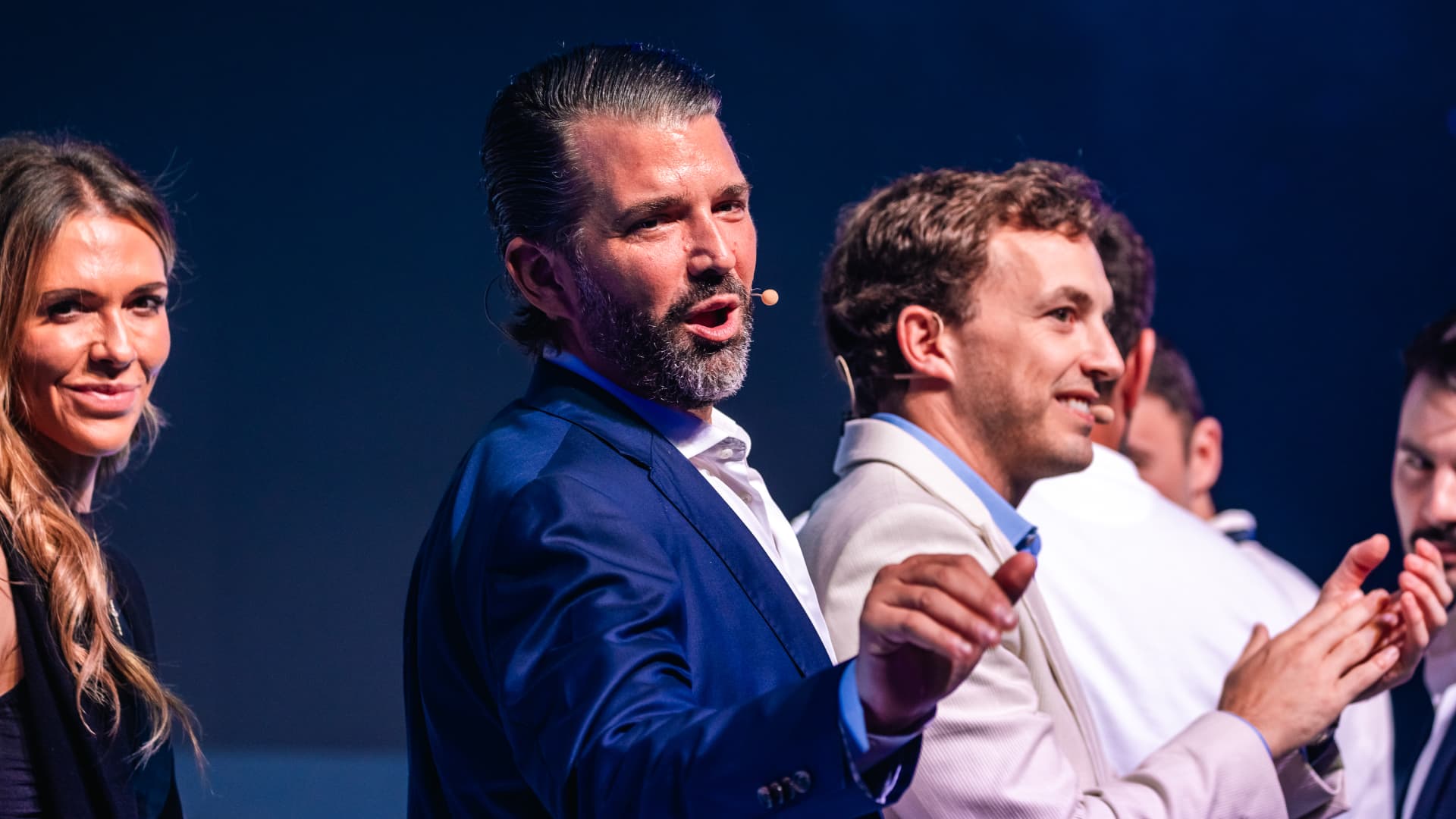
- Subpoena Motion Denied: The House Natural Resources subcommittee blocked a motion to subpoena Donald Trump Jr. with a 5-2 vote, reflecting Republican control and potentially hindering oversight of Trump family business activities.
- Federal Loan Context: Vulcan Elements, backed by Trump Jr.'s 1789 Capital, received a $620 million federal loan from the Department of Defense last year, highlighting the close ties between the Trump family and government contracts.
- Democratic Concerns on Conflicts of Interest: Democrats warned that the Trump family could illegally profit from government contracts awarded to companies they support, increasing scrutiny on Trump Jr. and potentially impacting his future business endeavors.
- Hearing Interrupted and Resumed: Following the motion's tabling, subcommittee chair Paul Gosar called for a nearly hour-long recess, underscoring the contentious nature of the issue and the potential for ongoing political battles in the future.
See More
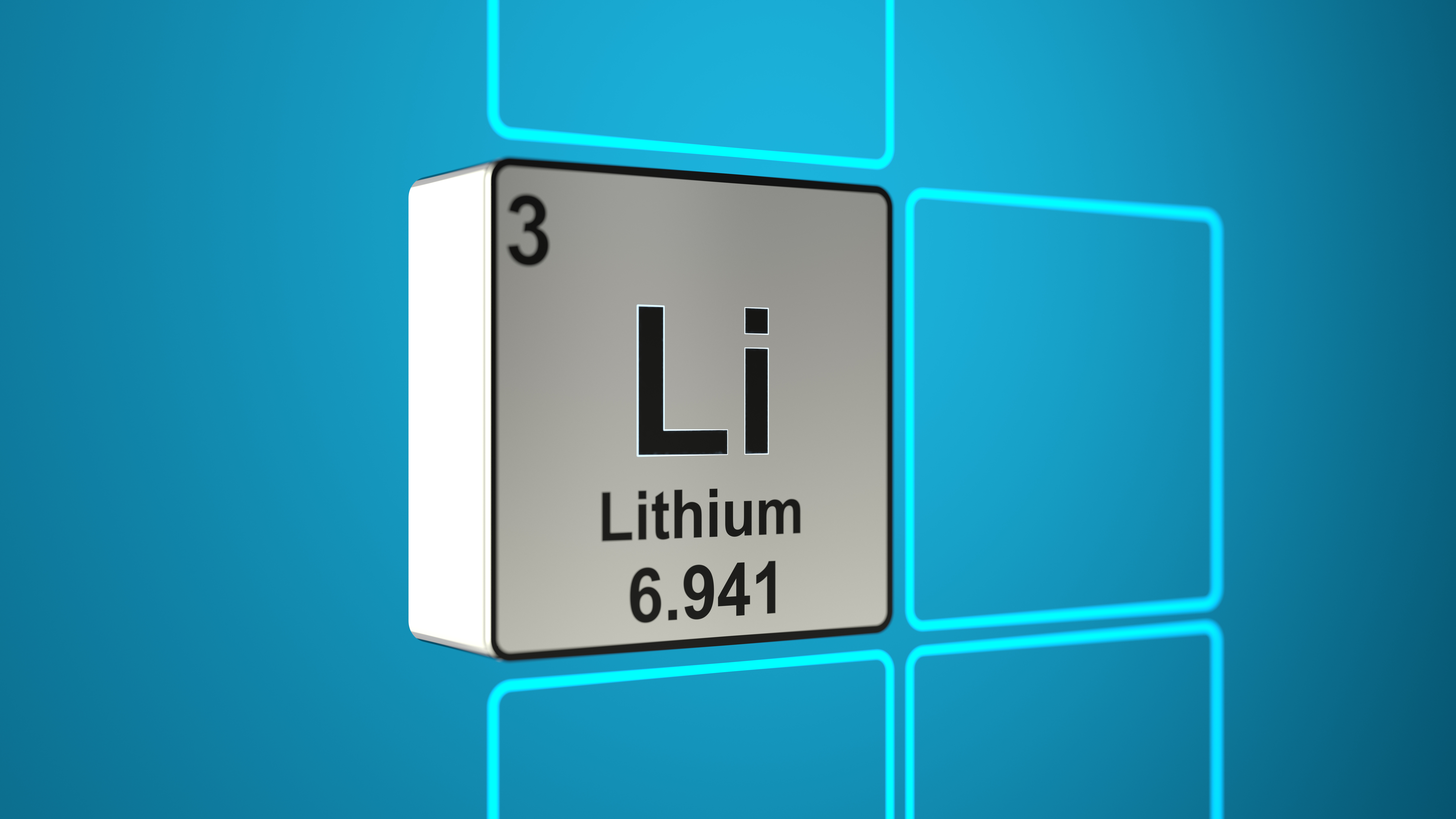
Albemarle Initiates Environmental Review for Lithium Extraction Project in Chile
- Project Launch: Albemarle has initiated the environmental review process in Chile for its first direct lithium extraction (DLE) project, which is expected to nearly double lithium recovery, significantly enhancing resource efficiency.
- Investment Scale: The project entails a total investment of approximately $3.1 billion, with plans to construct a DLE plant and power transmission line within Chile's salt flats, demonstrating the company's commitment to long-term development with a useful life extending through 2045.
- Resource Extraction Optimization: The implementation of DLE technology is projected to reduce brine extraction from 442 liters per second to 342 liters with one processing train operational, and as low as 142 liters per second with all six trains, significantly minimizing environmental impact.
- Community Concerns: Local communities in Chile have raised concerns regarding mining activities potentially depleting scarce freshwater and lithium-rich brine resources, posing threats to both human and wildlife survival, highlighting the need to balance economic development with environmental protection.
See More
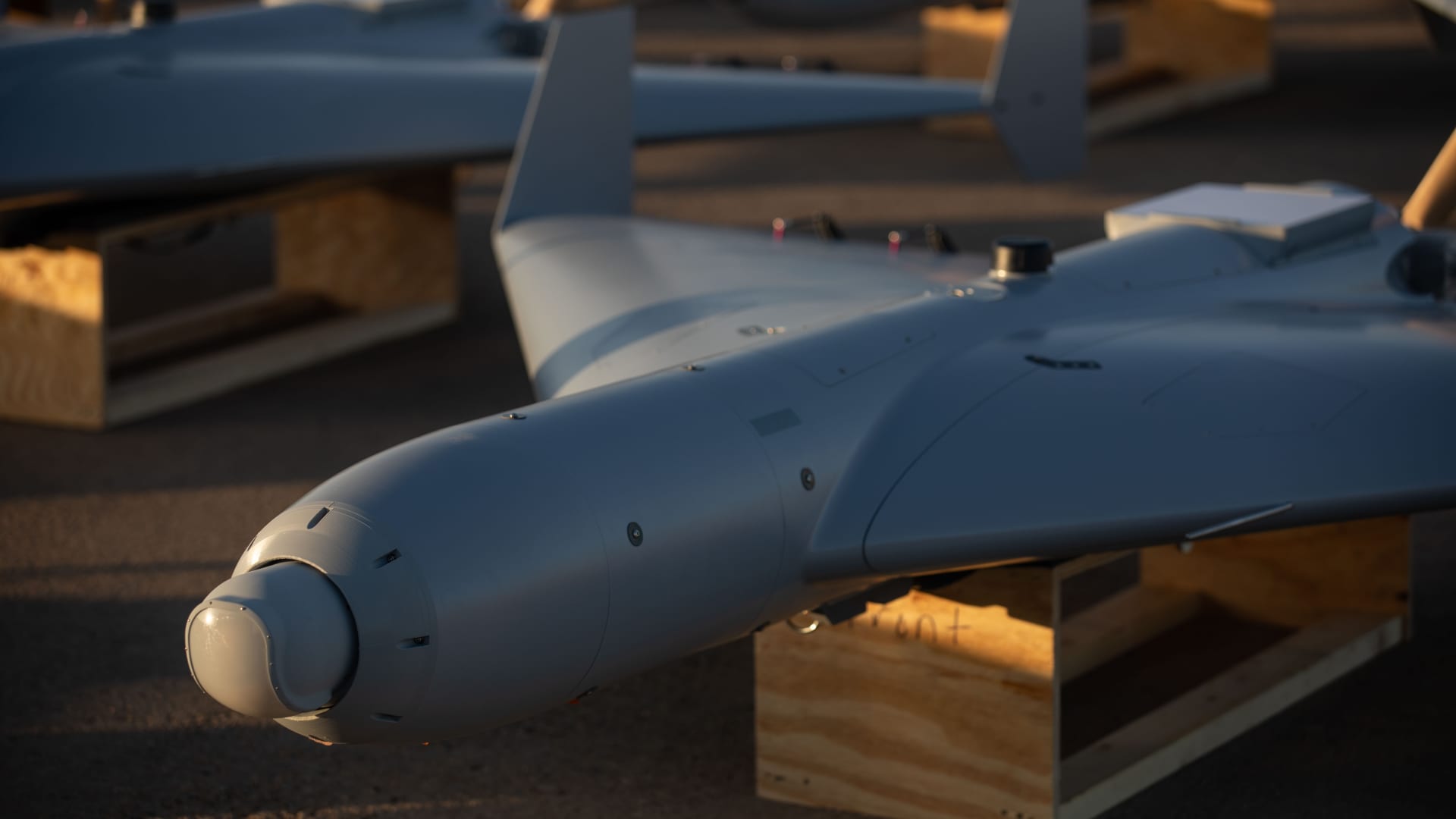
Sion Power Shifts Focus to Defense Battery Market Amid Rising Demand


- Market Shift: Sion Power is transitioning from electric vehicle battery production to the defense sector, expecting to commercialize high-energy lithium-metal batteries later this year in response to rising U.S. drone demand, demonstrating the company's adaptability to market changes.
- Technological Advantage: The newly developed 'Licerion HE' lithium-metal battery cells boast energy densities exceeding 500 watt-hours per kilogram, significantly higher than the 300-350 Wh/kg of current lithium-ion batteries, making them suitable for drones and other critical platforms, enhancing competitiveness in the defense market.
- Production Capacity Enhancement: Sion Power's 110,000-square-foot facility in Arizona is being repurposed to focus on defense product manufacturing, with plans to convert production lines to meet the growing defense demand, further solidifying its market position.
- Investment and Funding: The company has raised over $200 million for lithium-metal cell development, with investors including LG Energy Solution, and plans to launch new products between the second half of 2026 and into 2027, indicating strong market prospects and growth potential.
See More
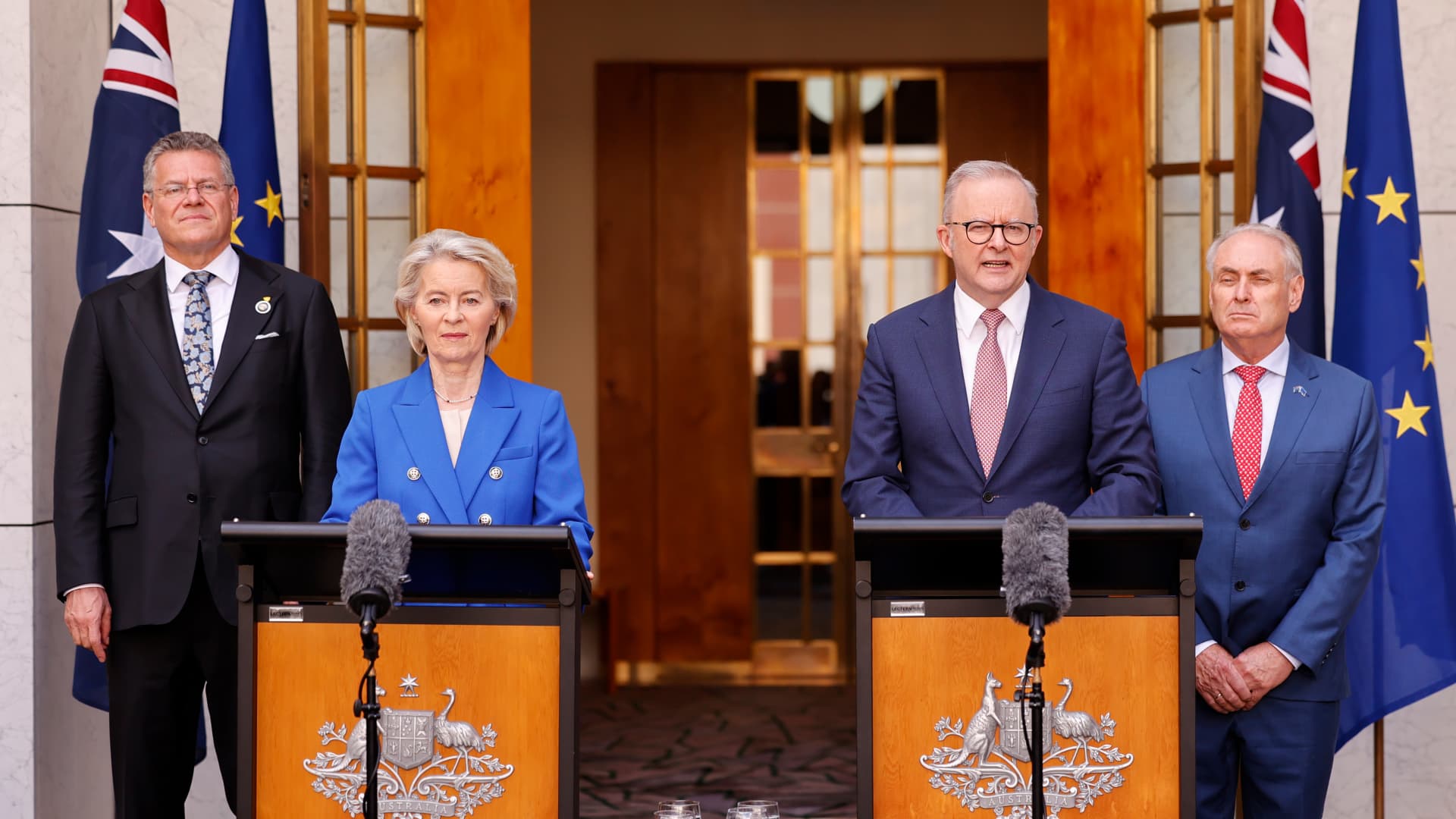
EU and Australia Reach Major Trade Agreement


- Tariff Reductions: The newly reached trade agreement will see the EU eliminate around 98% of tariffs on Australian goods, including wine, dairy, and seafood, while Australia will remove tariffs on over 99% of EU goods, significantly boosting bilateral trade.
- Export Growth Expectations: EU exports to Australia are projected to grow by up to 33% over the next decade, with annual export value reaching €17.7 billion ($20.5 billion), further enhancing the EU's economic influence in the Asia-Pacific region.
- Critical Mineral Supply Assurance: The agreement secures EU access to critical raw materials from Australia, such as aluminum, lithium, and manganese, which are vital for the EU's economic security amid rising global geopolitical uncertainties.
- Investment Growth Potential: According to the Australian government, investment from the EU is expected to increase by over 87%, solidifying the EU's position as Australia's second-largest source of foreign investment and fostering deeper economic integration between the two regions.
See More
Chile's Lithium Production Expected to Continue Growing
- Production Growth Outlook: Chile's lithium production is expected to increase by 10.1% to 64,100 tonnes in 2025, primarily driven by SQM's capacity expansion in the Salar de Atacama, indicating operationally driven growth potential in the near term.
- Policy Background Shift: Following President Kast's assumption of office in March 2026, the Chilean government merged the Ministries of Mining and Economy, signaling a closer alignment of mining policy with economic objectives, which could influence the medium- to long-term direction of the lithium sector.
- Market-Oriented Adjustments: The new administration favors lower regulatory and tax burdens and improved legal certainty to attract a broader pool of domestic and international investment, although the operational framework for lithium remains largely unchanged in the short term.
- Long-Term Growth Prospects: Chile's lithium production is projected to grow at a compound annual growth rate of 2.9% to 87,200 tonnes by 2035, with future developments relying on regulatory clarity and project financing capabilities.
See More
ALB Options Contract Analysis and Investment Opportunities
- Put Option Appeal: The current bid for the $180.00 put option is $13.90, and if an investor sells this contract, they commit to buying the stock at $180.00, effectively lowering their cost basis to $166.10, which is approximately a 1% discount from the current price of $181.00, making it attractive for those interested in ALB shares.
- Yield Potential Analysis: Should the put option expire worthless, it would yield a 7.72% return on the cash commitment, equating to an annualized return of 65.55%, highlighting the strategy's appeal amid a current implied volatility of 67%.
- Covered Call Opportunity: The $182.50 covered call option has a current bid of $14.15, and if an investor buys ALB shares at $181.00 and sells this call, they could achieve an 8.65% total return if the stock is called away at expiration, showcasing the potential profitability of this strategy.
- Risk-Reward Tradeoff: The probability of the call option expiring worthless is 47%, allowing investors to retain both their shares and the premium collected, with an annualized yield boost of 66.36%, necessitating careful market assessment while pursuing returns.
See More
Trump Jr. Subpoena Motion Blocked by House Committee
- Subpoena Motion Denied: The House Natural Resources subcommittee blocked a motion to subpoena Donald Trump Jr. with a 5-2 vote, reflecting Republican control and potentially hindering oversight of Trump family business activities.
- Federal Loan Context: Vulcan Elements, backed by Trump Jr.'s 1789 Capital, received a $620 million federal loan from the Department of Defense last year, highlighting the close ties between the Trump family and government contracts.
- Democratic Concerns on Conflicts of Interest: Democrats warned that the Trump family could illegally profit from government contracts awarded to companies they support, increasing scrutiny on Trump Jr. and potentially impacting his future business endeavors.
- Hearing Interrupted and Resumed: Following the motion's tabling, subcommittee chair Paul Gosar called for a nearly hour-long recess, underscoring the contentious nature of the issue and the potential for ongoing political battles in the future.
See More
Albemarle Initiates Environmental Review for Lithium Extraction Project in Chile
- Project Launch: Albemarle has initiated the environmental review process in Chile for its first direct lithium extraction (DLE) project, which is expected to nearly double lithium recovery, significantly enhancing resource efficiency.
- Investment Scale: The project entails a total investment of approximately $3.1 billion, with plans to construct a DLE plant and power transmission line within Chile's salt flats, demonstrating the company's commitment to long-term development with a useful life extending through 2045.
- Resource Extraction Optimization: The implementation of DLE technology is projected to reduce brine extraction from 442 liters per second to 342 liters with one processing train operational, and as low as 142 liters per second with all six trains, significantly minimizing environmental impact.
- Community Concerns: Local communities in Chile have raised concerns regarding mining activities potentially depleting scarce freshwater and lithium-rich brine resources, posing threats to both human and wildlife survival, highlighting the need to balance economic development with environmental protection.
See More
Sion Power Shifts Focus to Defense Battery Market Amid Rising Demand
- Market Shift: Sion Power is transitioning from electric vehicle battery production to the defense sector, expecting to commercialize high-energy lithium-metal batteries later this year in response to rising U.S. drone demand, demonstrating the company's adaptability to market changes.
- Technological Advantage: The newly developed 'Licerion HE' lithium-metal battery cells boast energy densities exceeding 500 watt-hours per kilogram, significantly higher than the 300-350 Wh/kg of current lithium-ion batteries, making them suitable for drones and other critical platforms, enhancing competitiveness in the defense market.
- Production Capacity Enhancement: Sion Power's 110,000-square-foot facility in Arizona is being repurposed to focus on defense product manufacturing, with plans to convert production lines to meet the growing defense demand, further solidifying its market position.
- Investment and Funding: The company has raised over $200 million for lithium-metal cell development, with investors including LG Energy Solution, and plans to launch new products between the second half of 2026 and into 2027, indicating strong market prospects and growth potential.
See More
EU and Australia Reach Major Trade Agreement
- Tariff Reductions: The newly reached trade agreement will see the EU eliminate around 98% of tariffs on Australian goods, including wine, dairy, and seafood, while Australia will remove tariffs on over 99% of EU goods, significantly boosting bilateral trade.
- Export Growth Expectations: EU exports to Australia are projected to grow by up to 33% over the next decade, with annual export value reaching €17.7 billion ($20.5 billion), further enhancing the EU's economic influence in the Asia-Pacific region.
- Critical Mineral Supply Assurance: The agreement secures EU access to critical raw materials from Australia, such as aluminum, lithium, and manganese, which are vital for the EU's economic security amid rising global geopolitical uncertainties.
- Investment Growth Potential: According to the Australian government, investment from the EU is expected to increase by over 87%, solidifying the EU's position as Australia's second-largest source of foreign investment and fostering deeper economic integration between the two regions.
See More