Cerebras Plans IPO on May 14, Raising Up to $3.5 Billion
Written by Emily J. Thompson, Senior Investment Analyst
Updated: 4 days ago
0mins
Should l Buy NVDA?
Source: NASDAQ.COM
- IPO Details: Cerebras plans to issue 28 million shares priced between $115 and $125 each, potentially raising $3.5 billion, with a projected valuation of $26.6 billion, reflecting a nearly 16% increase from its February valuation of $23 billion.
- Intensifying Market Competition: Cerebras's Wafer-Scale Engine (WSE) is 58 times larger than Nvidia's B200 AI chip, featuring 900,000 compute cores, 19 times more transistors, and 250 times more on-chip memory, posing a significant challenge to Nvidia's market dominance.
- Customer Base and Revenue: In 2025, Cerebras generated $510 million in revenue, a 76% year-over-year increase, but reported an operating loss of $146 million, with 86% of its revenue coming from just two customers, indicating potential risks.
- Future Outlook and Risks: While Cerebras's WSE technology could rival Nvidia, the IPO carries inherent risks, particularly for a startup that is not yet profitable, necessitating careful evaluation of its complex multiclass share structure and customer concentration risk.
Trade with 70% Backtested Accuracy
Stop guessing "Should I Buy NVDA?" and start using high-conviction signals backed by rigorous historical data.
Sign up today to access powerful investing tools and make smarter, data-driven decisions.
Analyst Views on NVDA
Wall Street analysts forecast NVDA stock price to rise
41 Analyst Rating
39 Buy
1 Hold
1 Sell
Strong Buy
Current: 211.500

Low
200.00
Averages
264.97
High
352.00
Current: 211.500
Low
200.00
Averages
264.97
High
352.00
About NVDA
NVIDIA Corporation is an artificial intelligence (AI) infrastructure company. The Company is engaged in accelerated computing to help solve the challenging computational problems. Its segments include Compute & Networking and Graphics. The Compute & Networking segment includes its Data Center accelerated computing and networking platforms and AI solutions and software, and automotive platforms and autonomous and electric vehicle solutions, including software. The Graphics segment includes GeForce GPUs for gaming and personal computers (PCs), and Quadro/NVIDIA RTX GPUs for enterprise workstation graphics. Its technology stack includes the foundational NVIDIA CUDA development platform that runs on all NVIDIA GPUs, as well as hundreds of domain-specific software libraries, frameworks, algorithms, software development kits (SDKs), and application programming interfaces (APIs). Its platforms address four markets, which include Data Center, Gaming, Professional Visualization, and Automotive.
About the author

Emily J. Thompson
Emily J. Thompson, a Chartered Financial Analyst (CFA) with 12 years in investment research, graduated with honors from the Wharton School. Specializing in industrial and technology stocks, she provides in-depth analysis for Intellectia’s earnings and market brief reports.
Nvidia Surpasses $5 Trillion Market Cap, Future Looks Promising

- Market Cap Milestone: Nvidia recently surpassed a $5 trillion market cap, and while short-term fluctuations are common, long-term investors are focused on the $10 trillion target, reflecting strong market confidence in its future growth.
- Revenue Growth Expectations: Wall Street analysts project a 72% revenue growth for Nvidia this year, driven by its dominance in the AI chip market and the ongoing undersupply of data center chips, indicating the company will continue to benefit from the AI infrastructure build-out in the coming years.
- Profitability Analysis: Currently trading at a price-to-earnings ratio of about 43, Nvidia would need to generate $333 billion in net income at a 30 P/E ratio to justify a $10 trillion market cap, showcasing its robust profitability and market recognition of its valuation.
- Future Outlook: Analysts estimate Nvidia's sales will reach $484 billion next year, up from $370 billion this year, reflecting a 31% growth; considering the market's historical underestimation of its growth, investors have reasonable grounds to believe Nvidia could achieve a $10 trillion market cap within three years.
See More

Amazon Launches New Supply Chain Services Business

- New Business Launch: Amazon has introduced Amazon Supply Chain Services (ASCS), allowing other businesses to access its vast logistics network, a move that could attract more retailers and enhance its competitive edge in the market.
- Significant Market Potential: Despite the popularity of e-commerce, CEO Andy Jassy noted that 80% of retail transactions still occur in brick-and-mortar stores, and the launch of ASCS could accelerate this shift, further driving Amazon's growth.
- Strong Customer Base: Major corporations like Procter & Gamble, 3M, and American Eagle Outfitters have already signed up for ASCS, indicating a strong demand for Amazon's logistics services, which could lead to higher profit margins for the company.
- Strategic Implications: The launch of ASCS mirrors AWS, showcasing Amazon's ongoing efforts in innovation and business diversification; while facing operational cost challenges, it could still emerge as a new profit driver for the company.
See More

Future Outlook for Ripple and XRP

- Lawsuit and ETF Impact: Following the settlement of Ripple's lawsuit with regulators last year, seven spot ETFs, including the Canary XRP ETF, launched in the U.S., quickly attracting over $1 billion in capital inflows; however, XRP's price peaked at $3.50 in July before plummeting to $1.40, indicating a lack of sustained market enthusiasm for these catalysts.
- Flaw in Bank Adoption Thesis: The core thesis that increased bank adoption of Ripple's technology would drive XRP demand is flawed, as RippleNet's usage does not create direct demand pressure for XRP, while ODL's lower transaction volume fails to meet bullish expectations.
- Introduction of Stablecoin: Ripple's introduction of the stablecoin RLUSD, designed to replace XRP in cross-border transactions, exacerbates the situation by providing banks with a stable asset option, thus diminishing the potential price impact of ODL adoption for XRP.
- Five-Year Outlook: While Ripple is likely to grow into a significantly larger payments infrastructure business, analysts predict that XRP's price may remain below $1 in five years, reflecting a misunderstanding of which Ripple products banks actually utilize and the competitive pressure from the stablecoin.
See More
Nvidia Accelerates AI Investment Strategy

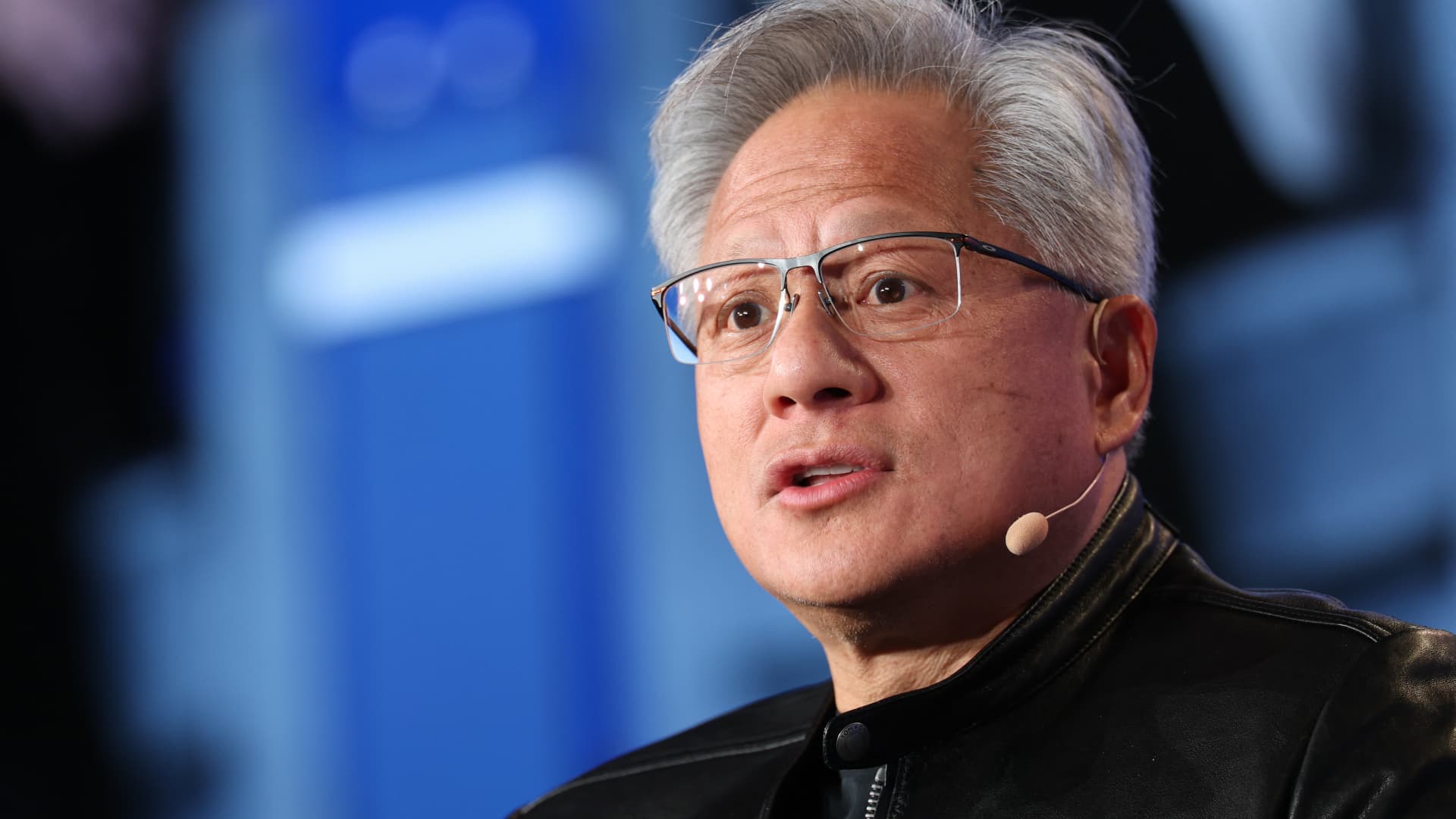
- Surge in Investment: Nvidia has committed over $40 billion in 2026 alone, including a $2.1 billion investment agreement with data center operator IREN, showcasing its aggressive expansion in the AI infrastructure sector.
- Market Dominance: With a market cap of approximately $5.2 trillion and an 11-fold stock price increase over four years, Nvidia has solidified its position as the most valuable company globally, reflecting its undeniable leadership in the AI chip market.
- Strategic Portfolio: Last year, Nvidia invested $17.5 billion in private companies and infrastructure funds, primarily to support early-stage startups, further deepening and broadening its ecosystem reach.
- Strengthened Partnerships: The $3.2 billion investment in Corning will drive innovation in optical technologies, with plans to build three new facilities, enhancing its capabilities in handling AI workloads.
See More

The Rise and Challenges of Home Data Centers

- Legislative Developments: Maine's legislature passed a data center ban, though it failed to override the governor's veto, indicating rising public discontent with data centers, as 14 states consider similar legislation reflecting concerns over big tech's influence.
- Massive Investment Trends: U.S. tech companies are projected to spend up to $1 trillion annually on AI by 2027, with global data center spending expected to reach $7 trillion by 2030, illustrating a significant influx of capital despite public opposition.
- Home Data Center Model: PulteGroup is collaborating with Nvidia and startup Span to test the installation of small data center nodes on new homes' exterior walls, although the scalability and regulatory approval of this model remain uncertain, its potential for energy efficiency and cost savings is noteworthy.
- Technical and Security Challenges: Home data centers face significant technical limitations regarding power density, connectivity, and security, as they may work for specific workloads, but high-density AI training and real-time tasks present major challenges, with experts highlighting concerns over reliability and security in residential settings.
See More

Nvidia Accelerates Investment in AI Infrastructure
- Massive Investment Plans: Nvidia announced this week plans to invest up to $3.2 billion in glass maker Corning and $2.1 billion in data center operator IREN, demonstrating its aggressive strategy to enhance its competitive edge in the AI infrastructure sector through acquisitions and commercial partnerships.
- Significant Investment Returns: Nvidia's $5 billion investment in Intel last year has now appreciated to over $25 billion, reflecting the success of its investment strategy and further solidifying its leadership position in the AI market.
- Ecosystem Expansion: In 2026, Nvidia has already committed over $40 billion in investments across various public equities, indicating its dedication to building a comprehensive AI supply chain that ensures widespread application of its hardware and meets market demand.
- Positive Market Reaction: Following Nvidia's investment agreements with IREN and Corning, shares of both companies surged, showcasing market confidence in Nvidia's investment strategy and further propelling its market capitalization to approximately $5.2 trillion.
See More
Nvidia Surpasses $5 Trillion Market Cap, Future Looks Promising
- Market Cap Milestone: Nvidia recently surpassed a $5 trillion market cap, and while short-term fluctuations are common, long-term investors are focused on the $10 trillion target, reflecting strong market confidence in its future growth.
- Revenue Growth Expectations: Wall Street analysts project a 72% revenue growth for Nvidia this year, driven by its dominance in the AI chip market and the ongoing undersupply of data center chips, indicating the company will continue to benefit from the AI infrastructure build-out in the coming years.
- Profitability Analysis: Currently trading at a price-to-earnings ratio of about 43, Nvidia would need to generate $333 billion in net income at a 30 P/E ratio to justify a $10 trillion market cap, showcasing its robust profitability and market recognition of its valuation.
- Future Outlook: Analysts estimate Nvidia's sales will reach $484 billion next year, up from $370 billion this year, reflecting a 31% growth; considering the market's historical underestimation of its growth, investors have reasonable grounds to believe Nvidia could achieve a $10 trillion market cap within three years.
See More
Amazon Launches New Supply Chain Services Business
- New Business Launch: Amazon has introduced Amazon Supply Chain Services (ASCS), allowing other businesses to access its vast logistics network, a move that could attract more retailers and enhance its competitive edge in the market.
- Significant Market Potential: Despite the popularity of e-commerce, CEO Andy Jassy noted that 80% of retail transactions still occur in brick-and-mortar stores, and the launch of ASCS could accelerate this shift, further driving Amazon's growth.
- Strong Customer Base: Major corporations like Procter & Gamble, 3M, and American Eagle Outfitters have already signed up for ASCS, indicating a strong demand for Amazon's logistics services, which could lead to higher profit margins for the company.
- Strategic Implications: The launch of ASCS mirrors AWS, showcasing Amazon's ongoing efforts in innovation and business diversification; while facing operational cost challenges, it could still emerge as a new profit driver for the company.
See More
Future Outlook for Ripple and XRP
- Lawsuit and ETF Impact: Following the settlement of Ripple's lawsuit with regulators last year, seven spot ETFs, including the Canary XRP ETF, launched in the U.S., quickly attracting over $1 billion in capital inflows; however, XRP's price peaked at $3.50 in July before plummeting to $1.40, indicating a lack of sustained market enthusiasm for these catalysts.
- Flaw in Bank Adoption Thesis: The core thesis that increased bank adoption of Ripple's technology would drive XRP demand is flawed, as RippleNet's usage does not create direct demand pressure for XRP, while ODL's lower transaction volume fails to meet bullish expectations.
- Introduction of Stablecoin: Ripple's introduction of the stablecoin RLUSD, designed to replace XRP in cross-border transactions, exacerbates the situation by providing banks with a stable asset option, thus diminishing the potential price impact of ODL adoption for XRP.
- Five-Year Outlook: While Ripple is likely to grow into a significantly larger payments infrastructure business, analysts predict that XRP's price may remain below $1 in five years, reflecting a misunderstanding of which Ripple products banks actually utilize and the competitive pressure from the stablecoin.
See More
Nvidia Accelerates AI Investment Strategy
- Surge in Investment: Nvidia has committed over $40 billion in 2026 alone, including a $2.1 billion investment agreement with data center operator IREN, showcasing its aggressive expansion in the AI infrastructure sector.
- Market Dominance: With a market cap of approximately $5.2 trillion and an 11-fold stock price increase over four years, Nvidia has solidified its position as the most valuable company globally, reflecting its undeniable leadership in the AI chip market.
- Strategic Portfolio: Last year, Nvidia invested $17.5 billion in private companies and infrastructure funds, primarily to support early-stage startups, further deepening and broadening its ecosystem reach.
- Strengthened Partnerships: The $3.2 billion investment in Corning will drive innovation in optical technologies, with plans to build three new facilities, enhancing its capabilities in handling AI workloads.
See More
The Rise and Challenges of Home Data Centers
- Legislative Developments: Maine's legislature passed a data center ban, though it failed to override the governor's veto, indicating rising public discontent with data centers, as 14 states consider similar legislation reflecting concerns over big tech's influence.
- Massive Investment Trends: U.S. tech companies are projected to spend up to $1 trillion annually on AI by 2027, with global data center spending expected to reach $7 trillion by 2030, illustrating a significant influx of capital despite public opposition.
- Home Data Center Model: PulteGroup is collaborating with Nvidia and startup Span to test the installation of small data center nodes on new homes' exterior walls, although the scalability and regulatory approval of this model remain uncertain, its potential for energy efficiency and cost savings is noteworthy.
- Technical and Security Challenges: Home data centers face significant technical limitations regarding power density, connectivity, and security, as they may work for specific workloads, but high-density AI training and real-time tasks present major challenges, with experts highlighting concerns over reliability and security in residential settings.
See More
Nvidia Accelerates Investment in AI Infrastructure
- Massive Investment Plans: Nvidia announced this week plans to invest up to $3.2 billion in glass maker Corning and $2.1 billion in data center operator IREN, demonstrating its aggressive strategy to enhance its competitive edge in the AI infrastructure sector through acquisitions and commercial partnerships.
- Significant Investment Returns: Nvidia's $5 billion investment in Intel last year has now appreciated to over $25 billion, reflecting the success of its investment strategy and further solidifying its leadership position in the AI market.
- Ecosystem Expansion: In 2026, Nvidia has already committed over $40 billion in investments across various public equities, indicating its dedication to building a comprehensive AI supply chain that ensures widespread application of its hardware and meets market demand.
- Positive Market Reaction: Following Nvidia's investment agreements with IREN and Corning, shares of both companies surged, showcasing market confidence in Nvidia's investment strategy and further propelling its market capitalization to approximately $5.2 trillion.
See More