Burger King Enhances Whopper for First Time in a Decade
Written by Emily J. Thompson, Senior Investment Analyst
Updated: Feb 27 2026
0mins

Should l Buy QSR?
Source: Benzinga
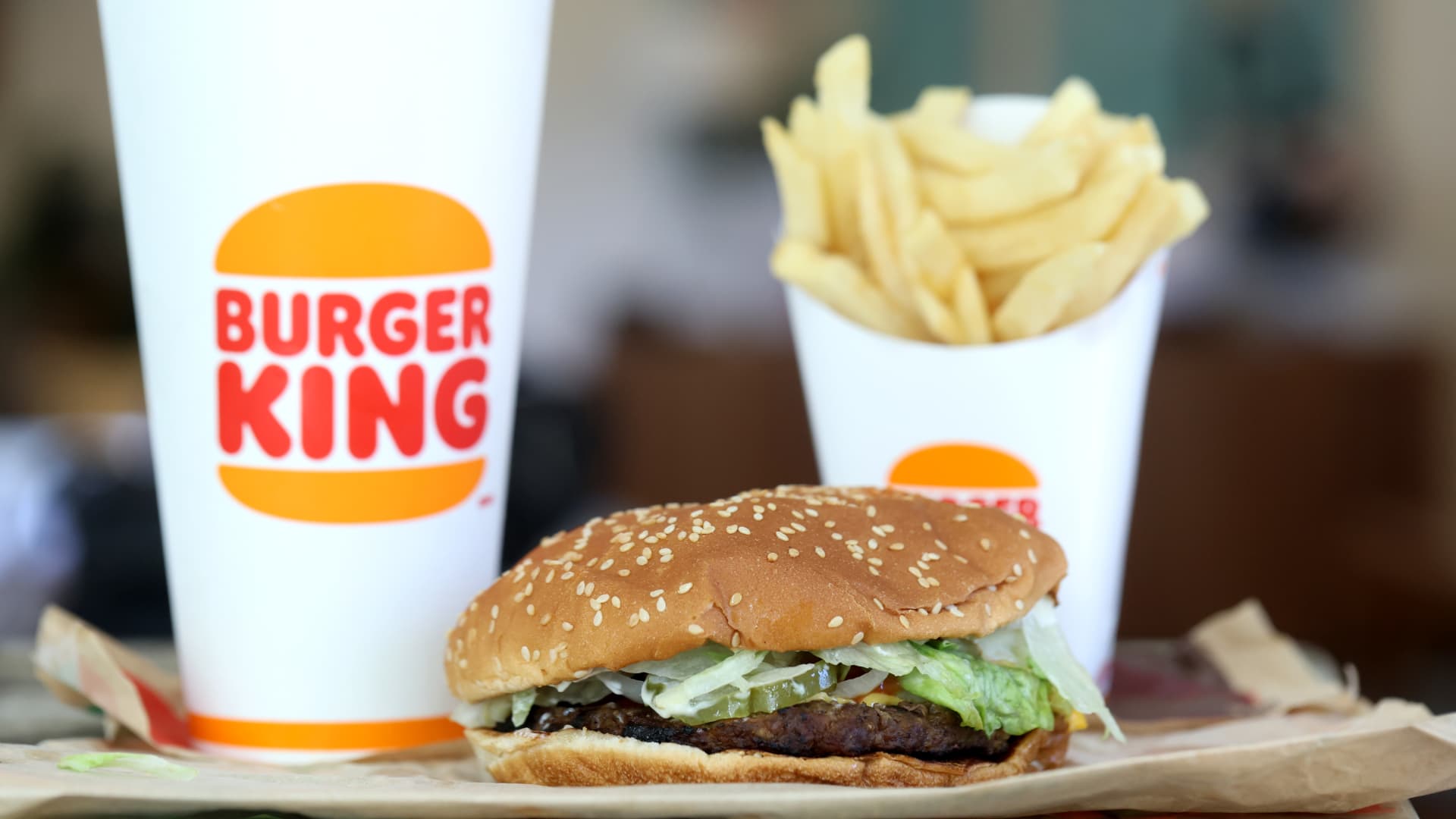
- Whopper Improvement: Burger King is enhancing the Whopper for the first time in a decade by introducing a premium bun and better-tasting mayo, aiming to boost customer satisfaction and strengthen brand competitiveness.
- AI Tool Implementation: Parent company Restaurant Brands International is deploying the AI tool “Patty” to facilitate real-time communication through employee headsets, enhancing customer service quality and operational efficiency, which is expected to positively impact sales.
- Employee Training Innovation: The AI system tracks the frequency of polite language used by employees, assisting management in providing feedback and training, with the goal of reinforcing human-centric service to improve customer relations and enhance brand loyalty.
- Stock Performance: Restaurant Brands International's stock rose 2.6% to $71.71, with a year-to-date increase of 5.3%, reflecting positive market sentiment towards its new strategies, which may further drive future sales growth.
Trade with 70% Backtested Accuracy
Stop guessing "Should I Buy QSR?" and start using high-conviction signals backed by rigorous historical data.
Sign up today to access powerful investing tools and make smarter, data-driven decisions.
Analyst Views on QSR
Wall Street analysts forecast QSR stock price to fall
15 Analyst Rating
10 Buy
4 Hold
1 Sell
Moderate Buy
Current: 79.140

Low
64.00
Averages
78.53
High
86.00
Current: 79.140
Low
64.00
Averages
78.53
High
86.00
About QSR
Restaurant Brands International Inc. is a quick-service restaurant company. It franchises and operates quick-service restaurants serving coffee and other beverage and food products. Its segments include Tim Hortons (TH), Burger King (BK), Popeyes Louisiana Kitchen (PLK), Firehouse Subs (FHS), International (INTL) and Restaurant Holdings. Tim Hortons is a coffee and baked goods restaurant chain in North America. Tim Hortons restaurants also serve a variety of hot and cold specialty beverages alongside breakfast, lunch and dinner offerings, including sandwiches, wraps, flatbread pizzas, and more. Burger King is a quick-service hamburger restaurant chain and is Home of the Whopper. Burger King restaurants feature flame-grilled hamburgers, chicken and other specialty sandwiches. Popeyes is a quick-service chicken concept, and delivers guests a Louisiana-style menu featuring fried bone-in chicken, chicken sandwiches, chicken tenders, wings, fried shrimp and regional items.
About the author

Emily J. Thompson
Emily J. Thompson, a Chartered Financial Analyst (CFA) with 12 years in investment research, graduated with honors from the Wharton School. Specializing in industrial and technology stocks, she provides in-depth analysis for Intellectia’s earnings and market brief reports.
Burger King Transforms Through Customer Feedback

- Customer Feedback Drives Transformation: Burger King President Tom Curtis revealed that he personally took 1,800 customer calls, contributing to over 70,000 incoming calls, which directly influenced the brand's turnaround, particularly in improving its signature Whopper.
- Significant Sales Growth: Burger King U.S. achieved a 5.8% same-store sales growth in the three months ending in March, significantly outperforming competitors, indicating the company's strong market performance amid weaker consumer spending.
- Product Improvement Strategy: After two years of evaluation, Burger King opted for modest adjustments to its signature sandwich, launching the 'Elevated Whopper' with a new glazed bun and creamier mayo, which has received positive customer feedback and resulted in the highest sales volumes in over three years.
- Enhanced Family Experience: By introducing new King Junior meals and SpongeBob-themed promotions, Burger King saw kids meal sales rise approximately 40% over the past six months, demonstrating the company's success in improving the family dining experience and attracting more family customers.
See More

CIBC Increases Target Price for Restaurant Brands International Inc. to $86 from $81
Restaurant Brands International: The company has announced a price increase for its stock target.
CIBC Raises Target Price: The target price for Restaurant Brands has been raised to $86 from $81.
See More
Restaurant Brands International Q1 2026 Earnings Highlights
- Share Buyback Resumption: Restaurant Brands International restarted share repurchases in March, having bought back $60 million by April 30, with a target of approximately $500 million for the full year 2026, indicating strong confidence in future growth.
- Strong Sales Growth: In Q1, comparable sales grew by 3.2% and system-wide sales increased by 6.2%, with U.S. Burger King same-store sales rising 5.8%, outperforming the industry average by over 5 percentage points, demonstrating the company's sustained competitive strength in the market.
- Profitability Improvement: Adjusted EPS reached $0.86, up from $0.75 last year, alongside a 10.7% organic AOI growth, reflecting effective strategies in cost control and revenue enhancement.
- Optimistic Future Outlook: Management reiterated 2026 targets, including segment G&A of about $600 million to $620 million and $400 million in CapEx, with expectations for Popeyes to return to positive growth in the second half, showcasing confidence in overall business performance.
See More
Significant Stock Price Movements for Multiple Companies
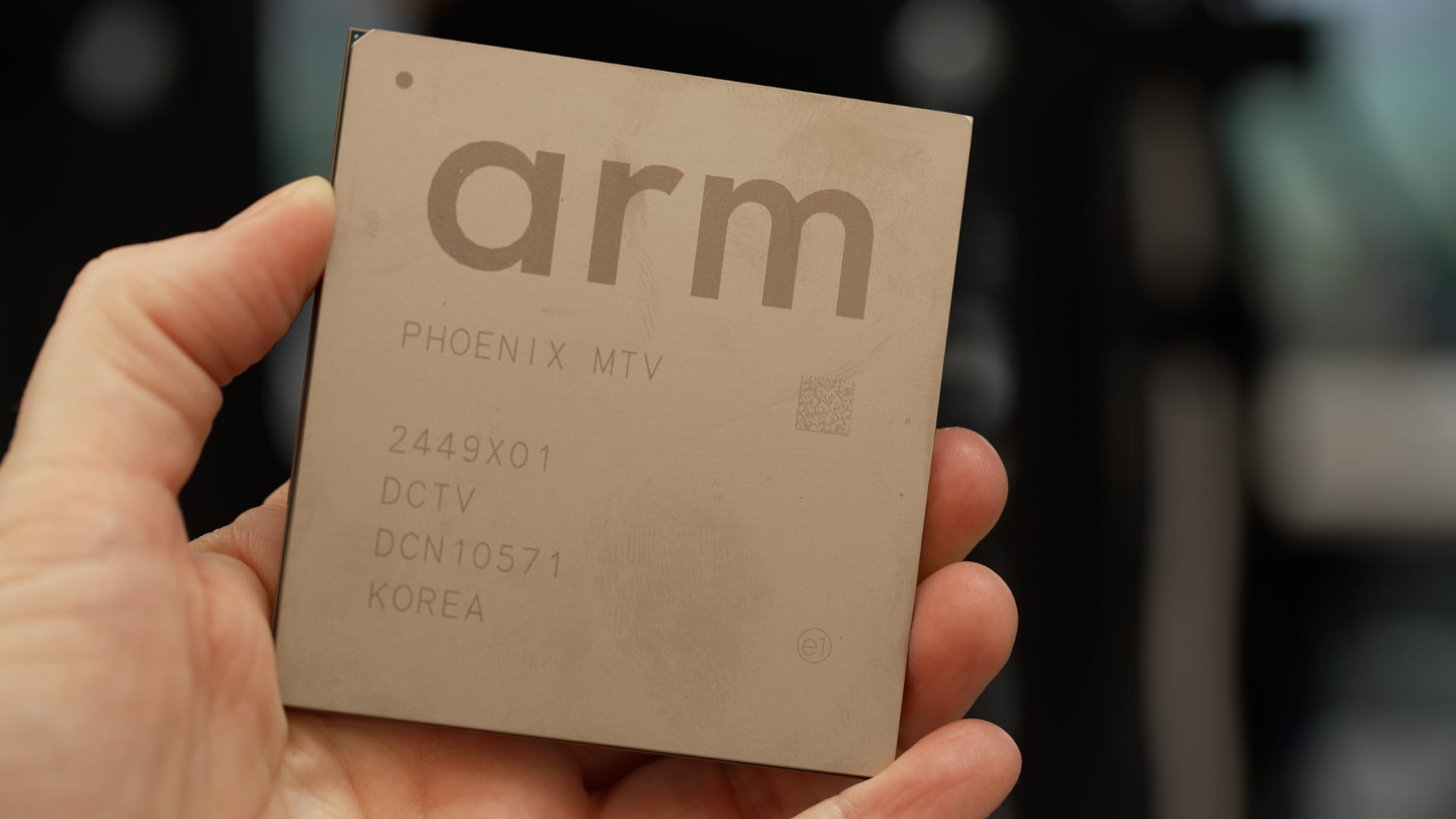
- Arm Holdings Surge: Ahead of its earnings report, Arm Holdings saw a nearly 13% jump on Nasdaq, with UBS analyst raising its 12-month price target from $175 to $245, indicating strong market optimism for its growth potential.
- Healthpeak Properties Strong Performance: The healthcare REIT soared 18% after first-quarter funds from operations and revenue exceeded Wall Street expectations, raising its second-quarter FFO guidance to $1.71 to $1.75, reflecting robust business momentum.
- CDW Stock Decline: CDW shares dropped 19% after reporting disappointing operating income in Q1, with adjusted EPS of $2.28 matching consensus, yet the company reaffirmed its 2026 outlook, raising concerns about future performance.
- Aurora Innovation Partnership: Aurora Innovation's stock rose 9% following a deal to provide driverless technology to Berkshire Hathaway's McLane, which is expected to enhance its competitive edge in the long-haul trucking market.
See More
US and Iran Nearing Peace Deal Amid Market Rally


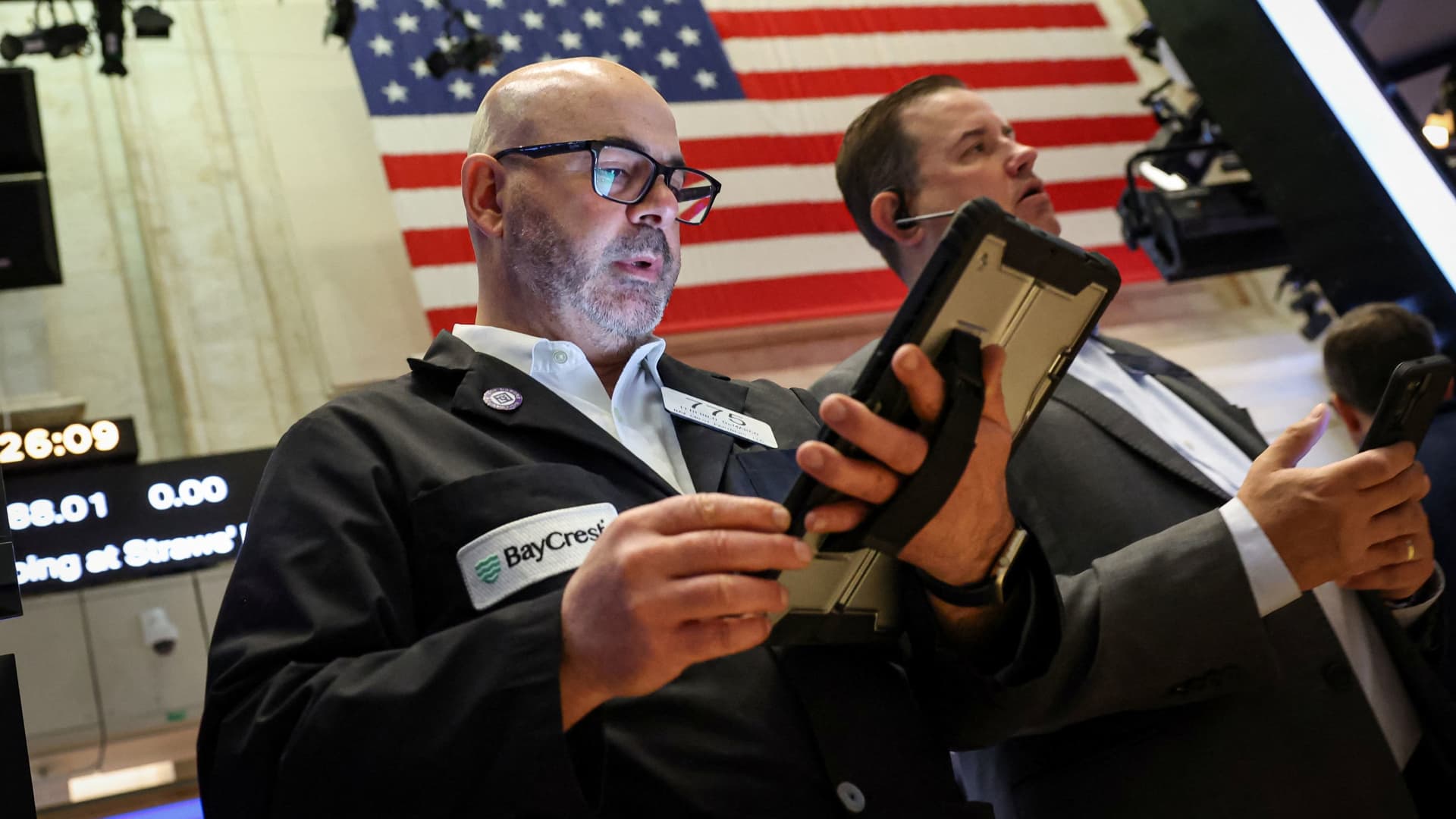
- Market Rally: Stock futures are rising and oil prices are falling as the US and Iran approach a peace deal, reflecting optimism in the market regarding reduced geopolitical risks, which could boost investor confidence.
- Tech Stock Surge: Micron's shares surged 11% after announcing the shipment of its highest-capacity solid-state drives, pushing its market cap above $700 billion for the first time, indicating the company's leadership in technological innovation and potential for increased market share.
- Disney's Strong Performance: Disney beat second-quarter revenue expectations with a 7% year-over-year increase, despite a 1% decline in domestic park visits, showcasing resilience in consumer demand and laying a foundation for future growth through strong streaming and park operations.
- New Manufacturing Partnership: Nvidia and Corning announced plans to build three new manufacturing facilities in North Carolina and Texas focused on optical technology development, which investors welcomed, highlighting market anticipation for advancements in technology collaboration.
See More
Market Update: Tech Stocks Surge Amid Peace Talks

- Oil Prices and Peace Talks: Stock futures are rising as reports indicate the U.S. and Iran are nearing a peace deal, leading to falling oil prices, which may enhance investor confidence and stimulate economic recovery amid geopolitical tensions.
- Tech Stock Rally: Micron's shares surged 11% after announcing shipments of its highest-capacity solid-state drives, pushing its market cap above $700 billion for the first time, reflecting strong demand for high-tech products and boosting the overall tech sector.
- Disney's Strong Performance: Disney exceeded second-quarter revenue expectations despite a 1% decline in domestic park visits, with its streaming and parks units driving a 7% premarket stock increase, indicating robust consumer demand.
- Nvidia and Corning Partnership: Nvidia and Corning announced plans to build three new manufacturing facilities in North Carolina and Texas focused on optical technology, leading to a nearly 20% premarket surge in Corning's shares, highlighting ongoing market interest in AI technology.
See More
Burger King Transforms Through Customer Feedback
- Customer Feedback Drives Transformation: Burger King President Tom Curtis revealed that he personally took 1,800 customer calls, contributing to over 70,000 incoming calls, which directly influenced the brand's turnaround, particularly in improving its signature Whopper.
- Significant Sales Growth: Burger King U.S. achieved a 5.8% same-store sales growth in the three months ending in March, significantly outperforming competitors, indicating the company's strong market performance amid weaker consumer spending.
- Product Improvement Strategy: After two years of evaluation, Burger King opted for modest adjustments to its signature sandwich, launching the 'Elevated Whopper' with a new glazed bun and creamier mayo, which has received positive customer feedback and resulted in the highest sales volumes in over three years.
- Enhanced Family Experience: By introducing new King Junior meals and SpongeBob-themed promotions, Burger King saw kids meal sales rise approximately 40% over the past six months, demonstrating the company's success in improving the family dining experience and attracting more family customers.
See More
CIBC Increases Target Price for Restaurant Brands International Inc. to $86 from $81
Restaurant Brands International: The company has announced a price increase for its stock target.
CIBC Raises Target Price: The target price for Restaurant Brands has been raised to $86 from $81.
See More
Restaurant Brands International Q1 2026 Earnings Highlights
- Share Buyback Resumption: Restaurant Brands International restarted share repurchases in March, having bought back $60 million by April 30, with a target of approximately $500 million for the full year 2026, indicating strong confidence in future growth.
- Strong Sales Growth: In Q1, comparable sales grew by 3.2% and system-wide sales increased by 6.2%, with U.S. Burger King same-store sales rising 5.8%, outperforming the industry average by over 5 percentage points, demonstrating the company's sustained competitive strength in the market.
- Profitability Improvement: Adjusted EPS reached $0.86, up from $0.75 last year, alongside a 10.7% organic AOI growth, reflecting effective strategies in cost control and revenue enhancement.
- Optimistic Future Outlook: Management reiterated 2026 targets, including segment G&A of about $600 million to $620 million and $400 million in CapEx, with expectations for Popeyes to return to positive growth in the second half, showcasing confidence in overall business performance.
See More
Significant Stock Price Movements for Multiple Companies
- Arm Holdings Surge: Ahead of its earnings report, Arm Holdings saw a nearly 13% jump on Nasdaq, with UBS analyst raising its 12-month price target from $175 to $245, indicating strong market optimism for its growth potential.
- Healthpeak Properties Strong Performance: The healthcare REIT soared 18% after first-quarter funds from operations and revenue exceeded Wall Street expectations, raising its second-quarter FFO guidance to $1.71 to $1.75, reflecting robust business momentum.
- CDW Stock Decline: CDW shares dropped 19% after reporting disappointing operating income in Q1, with adjusted EPS of $2.28 matching consensus, yet the company reaffirmed its 2026 outlook, raising concerns about future performance.
- Aurora Innovation Partnership: Aurora Innovation's stock rose 9% following a deal to provide driverless technology to Berkshire Hathaway's McLane, which is expected to enhance its competitive edge in the long-haul trucking market.
See More
US and Iran Nearing Peace Deal Amid Market Rally
- Market Rally: Stock futures are rising and oil prices are falling as the US and Iran approach a peace deal, reflecting optimism in the market regarding reduced geopolitical risks, which could boost investor confidence.
- Tech Stock Surge: Micron's shares surged 11% after announcing the shipment of its highest-capacity solid-state drives, pushing its market cap above $700 billion for the first time, indicating the company's leadership in technological innovation and potential for increased market share.
- Disney's Strong Performance: Disney beat second-quarter revenue expectations with a 7% year-over-year increase, despite a 1% decline in domestic park visits, showcasing resilience in consumer demand and laying a foundation for future growth through strong streaming and park operations.
- New Manufacturing Partnership: Nvidia and Corning announced plans to build three new manufacturing facilities in North Carolina and Texas focused on optical technology development, which investors welcomed, highlighting market anticipation for advancements in technology collaboration.
See More
Market Update: Tech Stocks Surge Amid Peace Talks
- Oil Prices and Peace Talks: Stock futures are rising as reports indicate the U.S. and Iran are nearing a peace deal, leading to falling oil prices, which may enhance investor confidence and stimulate economic recovery amid geopolitical tensions.
- Tech Stock Rally: Micron's shares surged 11% after announcing shipments of its highest-capacity solid-state drives, pushing its market cap above $700 billion for the first time, reflecting strong demand for high-tech products and boosting the overall tech sector.
- Disney's Strong Performance: Disney exceeded second-quarter revenue expectations despite a 1% decline in domestic park visits, with its streaming and parks units driving a 7% premarket stock increase, indicating robust consumer demand.
- Nvidia and Corning Partnership: Nvidia and Corning announced plans to build three new manufacturing facilities in North Carolina and Texas focused on optical technology, leading to a nearly 20% premarket surge in Corning's shares, highlighting ongoing market interest in AI technology.
See More