Brown-Forman's Q1 Earnings Fall Short of Expectations, But Sales Surpass Estimates Thanks to Portfolio Growth

Mixed Financial Results: Brown-Forman Corporation reported mixed first-quarter fiscal 2026 results, with net sales beating estimates but earnings per share falling short. Both sales and earnings declined year-over-year.
Sales Performance: The company experienced a decline in net sales primarily due to the absence of a prior-year transition services agreement and lower volumes of key products like Jack Daniel’s Tennessee Whiskey, although emerging markets showed strong growth.
Strategic Outlook: Despite challenges from macroeconomic factors, Brown-Forman reaffirmed its fiscal 2026 outlook, emphasizing confidence in its strategies and commitment to long-term shareholder value.
Market Positioning: The company's shares rose following the results, though they have seen a decline over the past three months compared to industry averages, reflecting ongoing market pressures and strategic adjustments.
Trade with 70% Backtested Accuracy
Analyst Views on PEP

About PEP
About the author


PepsiCo Q1 Revenue Rises 8.5% Amid Price Cuts
- Revenue Growth: PepsiCo's revenue increased by 8.5% year-over-year in Q1 2026, indicating that the company's strategy to reduce prices has positively impacted sales, reflecting a shift in consumer price sensitivity.
- Profit Improvement: The company's operating profit rose by 24%, demonstrating that PepsiCo has successfully enhanced its profitability through operational optimization and innovation activities, which boosts market confidence.
- Shareholder Returns: PepsiCo plans to return nearly $9 billion to shareholders through stock buybacks and dividends in 2026, indicating strong confidence in future growth while providing stable returns to investors, which further attracts market attention.
- Market Reaction: PepsiCo's stock has risen nearly 10% in 2026 and maintains a dividend yield of 3.59%, reflecting positive market response to the company's turnaround efforts, with investors optimistic about its future performance.

Royal Unibrew Shares Plunge 26% After PepsiCo Contract Loss

- Stock Plunge: Royal Unibrew's shares fell 26% on Tuesday, marking its worst day ever, primarily due to the reshuffling of its Nordic bottling contracts with PepsiCo, resulting in the loss of a business segment that accounts for approximately 13% of group revenue.
- Contract Termination Impact: The partnership with PepsiCo will end in 2028, and the failure to reach an agreement for an extension signifies a substantial decline in Royal Unibrew's competitive position in Denmark and surrounding markets.
- Competitor Gains: Concurrently, Carlsberg has secured an agreement with PepsiCo to take over the sales, production, and distribution of Pepsi beverages in Denmark, Finland, and the Baltic states starting in 2029, further solidifying its market position in Europe.
- Analyst Warning: Citi analysts have indicated that the loss of this contract could lead to significant earnings downgrades for Royal Unibrew, highlighting a strategic gap in its Scandinavian portfolio that may undermine investor confidence.
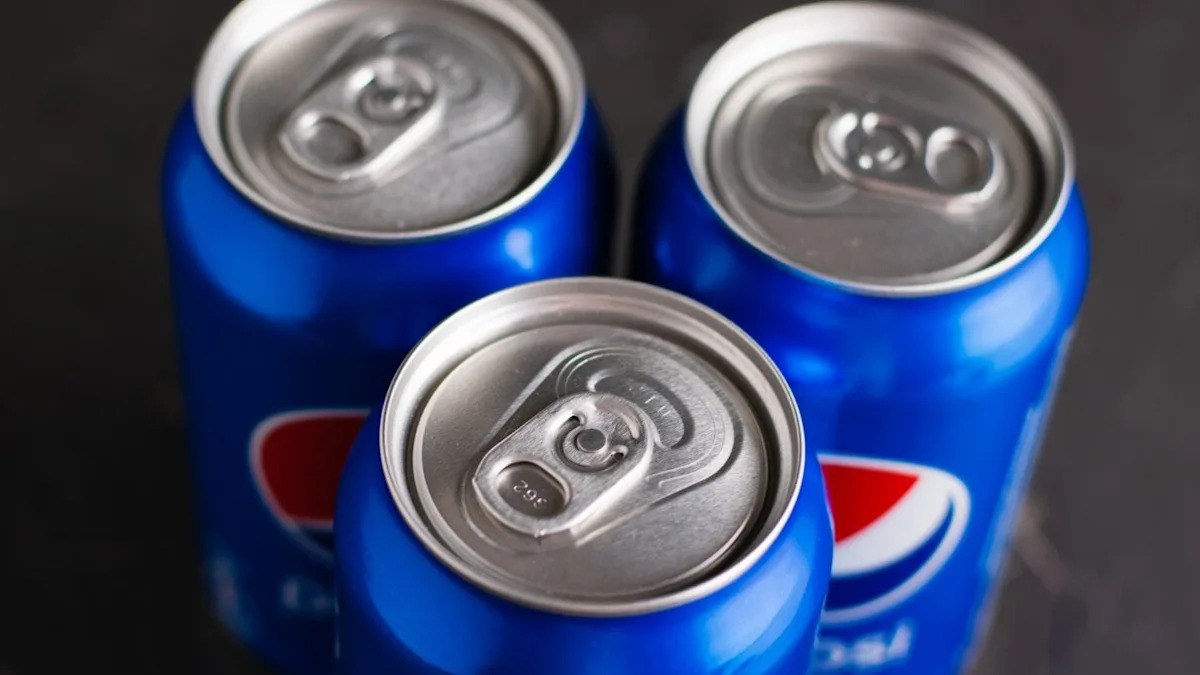
Carlsberg Secures PepsiCo Distribution Rights in Northern Europe
- Strategic Partnership Expansion: Carlsberg will take over the production, sale, and distribution rights for PepsiCo in Denmark, Finland, Latvia, Estonia, and Lithuania starting January 1, 2029, marking a significant deepening of its strategic partnership with PepsiCo, which is expected to enhance market share and brand influence significantly.
- Increased Market Coverage: The agreement positions Carlsberg as the sole bottler for PepsiCo in the Nordics and the Baltics, further solidifying its bottling appointments across 14 European markets, which is anticipated to generate substantial revenue growth and business integration opportunities.
- Impact on Royal Unibrew: Royal Unibrew's contract with PepsiCo will expire at the end of 2028, and while the company expects to lose approximately 13% of its net revenue, its CEO stated that accelerated growth in its own brands will partly compensate for this loss, highlighting the competitive intensity in the market.
- Confidence in Brand Growth: Royal Unibrew's own brands, such as Faxe Kondi and Jaffa, have consistently outperformed the soft drinks market in recent years and are expected to continue driving growth, with the CEO emphasizing the intention to leverage flexibility to explore new partnership opportunities to enhance market competitiveness.
REFILE-BUZZ-ROYAL UNIBREW EXPERIENCES LOWEST PERFORMANCE IN 17 YEARS FOLLOWING END OF NORTHERN EUROPE CONTRACT WITH PEPSI
Refile Buzz: The article discusses the recent performance of Royal Unibrew, highlighting it as the worst day in 17 years for the company.
Northern Europe Contract: It mentions the impact of the Northern Europe contract with PepsiCo, which has contributed to the company's current challenges.

Campaign360 Conference Set to Launch
- Conference Theme Announced: Campaign360 2026 is set for May 20-21, 2026, at Marina Bay Sands, Singapore, with the theme 'Human Connection and Intelligent Marketing,' expected to attract over 1,000 CMOs and senior brand leaders from across APAC, highlighting the industry's focus on the tension between AI and creativity.
- Keynote Speakers: Sorin Patilinet, Global Marketing Effectiveness Lead at PepsiCo, and Bryony Cole, founder of Future of Sex, will explore how AI reshapes marketing from the perspectives of creative effectiveness and human behavior, emphasizing the importance of maintaining a creative edge in a data-driven world.
- AI Impact Discussion: Bryony Cole notes that over 660 million users globally engage with AI companion Xiaoice, with Asia-Pacific being the fastest-growing market; she will discuss how technology redefines intimacy and trust, challenging brands to maintain authentic connections in a frictionless relationship landscape.
- Lineup of Industry Leaders: In addition to the two keynote speakers, Campaign360 will feature over 70 speakers from B2C and B2B sectors, offering a dynamic program of discussions and case studies, further solidifying its status as a must-attend event for marketing leaders in the APAC region.

Tilray Brands Faces Significant Challenges in Cannabis Market
- Market Value Collapse: Tilray Brands has seen its stock price plummet by 96% over the past five years, with its market cap dropping from a peak of $20 billion to just $1.5 billion, highlighting the company's struggles in a competitive legal cannabis market.
- Intensified Industry Competition: With approximately 1,000 licensed cannabis companies competing, profit margins are razor-thin, and Tilray faces significant challenges in building brand loyalty due to stringent advertising and packaging restrictions.
- Weak Revenue Growth: Despite a modest 6% increase in net revenue over the past three quarters, Tilray's operating loss remains high at around $47 million, indicating ongoing challenges in achieving profitability.
- Expansion Risks: While Tilray is diversifying into alcohol and international cannabis markets, these ventures are costly and limited in scale, leading to persistent organic growth challenges, compounded by the uncertain timeline for potential U.S. legalization reforms.
PepsiCo Q1 Revenue Rises 8.5% Amid Price Cuts
- Revenue Growth: PepsiCo's revenue increased by 8.5% year-over-year in Q1 2026, indicating that the company's strategy to reduce prices has positively impacted sales, reflecting a shift in consumer price sensitivity.
- Profit Improvement: The company's operating profit rose by 24%, demonstrating that PepsiCo has successfully enhanced its profitability through operational optimization and innovation activities, which boosts market confidence.
- Shareholder Returns: PepsiCo plans to return nearly $9 billion to shareholders through stock buybacks and dividends in 2026, indicating strong confidence in future growth while providing stable returns to investors, which further attracts market attention.
- Market Reaction: PepsiCo's stock has risen nearly 10% in 2026 and maintains a dividend yield of 3.59%, reflecting positive market response to the company's turnaround efforts, with investors optimistic about its future performance.
Royal Unibrew Shares Plunge 26% After PepsiCo Contract Loss
- Stock Plunge: Royal Unibrew's shares fell 26% on Tuesday, marking its worst day ever, primarily due to the reshuffling of its Nordic bottling contracts with PepsiCo, resulting in the loss of a business segment that accounts for approximately 13% of group revenue.
- Contract Termination Impact: The partnership with PepsiCo will end in 2028, and the failure to reach an agreement for an extension signifies a substantial decline in Royal Unibrew's competitive position in Denmark and surrounding markets.
- Competitor Gains: Concurrently, Carlsberg has secured an agreement with PepsiCo to take over the sales, production, and distribution of Pepsi beverages in Denmark, Finland, and the Baltic states starting in 2029, further solidifying its market position in Europe.
- Analyst Warning: Citi analysts have indicated that the loss of this contract could lead to significant earnings downgrades for Royal Unibrew, highlighting a strategic gap in its Scandinavian portfolio that may undermine investor confidence.
Carlsberg Secures PepsiCo Distribution Rights in Northern Europe
- Strategic Partnership Expansion: Carlsberg will take over the production, sale, and distribution rights for PepsiCo in Denmark, Finland, Latvia, Estonia, and Lithuania starting January 1, 2029, marking a significant deepening of its strategic partnership with PepsiCo, which is expected to enhance market share and brand influence significantly.
- Increased Market Coverage: The agreement positions Carlsberg as the sole bottler for PepsiCo in the Nordics and the Baltics, further solidifying its bottling appointments across 14 European markets, which is anticipated to generate substantial revenue growth and business integration opportunities.
- Impact on Royal Unibrew: Royal Unibrew's contract with PepsiCo will expire at the end of 2028, and while the company expects to lose approximately 13% of its net revenue, its CEO stated that accelerated growth in its own brands will partly compensate for this loss, highlighting the competitive intensity in the market.
- Confidence in Brand Growth: Royal Unibrew's own brands, such as Faxe Kondi and Jaffa, have consistently outperformed the soft drinks market in recent years and are expected to continue driving growth, with the CEO emphasizing the intention to leverage flexibility to explore new partnership opportunities to enhance market competitiveness.
REFILE-BUZZ-ROYAL UNIBREW EXPERIENCES LOWEST PERFORMANCE IN 17 YEARS FOLLOWING END OF NORTHERN EUROPE CONTRACT WITH PEPSI
Refile Buzz: The article discusses the recent performance of Royal Unibrew, highlighting it as the worst day in 17 years for the company.
Northern Europe Contract: It mentions the impact of the Northern Europe contract with PepsiCo, which has contributed to the company's current challenges.
Campaign360 Conference Set to Launch
- Conference Theme Announced: Campaign360 2026 is set for May 20-21, 2026, at Marina Bay Sands, Singapore, with the theme 'Human Connection and Intelligent Marketing,' expected to attract over 1,000 CMOs and senior brand leaders from across APAC, highlighting the industry's focus on the tension between AI and creativity.
- Keynote Speakers: Sorin Patilinet, Global Marketing Effectiveness Lead at PepsiCo, and Bryony Cole, founder of Future of Sex, will explore how AI reshapes marketing from the perspectives of creative effectiveness and human behavior, emphasizing the importance of maintaining a creative edge in a data-driven world.
- AI Impact Discussion: Bryony Cole notes that over 660 million users globally engage with AI companion Xiaoice, with Asia-Pacific being the fastest-growing market; she will discuss how technology redefines intimacy and trust, challenging brands to maintain authentic connections in a frictionless relationship landscape.
- Lineup of Industry Leaders: In addition to the two keynote speakers, Campaign360 will feature over 70 speakers from B2C and B2B sectors, offering a dynamic program of discussions and case studies, further solidifying its status as a must-attend event for marketing leaders in the APAC region.
Tilray Brands Faces Significant Challenges in Cannabis Market
- Market Value Collapse: Tilray Brands has seen its stock price plummet by 96% over the past five years, with its market cap dropping from a peak of $20 billion to just $1.5 billion, highlighting the company's struggles in a competitive legal cannabis market.
- Intensified Industry Competition: With approximately 1,000 licensed cannabis companies competing, profit margins are razor-thin, and Tilray faces significant challenges in building brand loyalty due to stringent advertising and packaging restrictions.
- Weak Revenue Growth: Despite a modest 6% increase in net revenue over the past three quarters, Tilray's operating loss remains high at around $47 million, indicating ongoing challenges in achieving profitability.
- Expansion Risks: While Tilray is diversifying into alcohol and international cannabis markets, these ventures are costly and limited in scale, leading to persistent organic growth challenges, compounded by the uncertain timeline for potential U.S. legalization reforms.