

Boyd Gaming Sells Sam's Town Casino in Louisiana to Bally's Corporation
Written by Emily J. Thompson, Senior Investment Analyst
Updated: Feb 26 2026
0mins

Source: seekingalpha
- Transaction Details: Boyd Gaming Corporation announced the sale of Sam's Town Hotel & Casino in Shreveport, Louisiana, to Bally's Corporation for an undisclosed amount, with the casino featuring 29,000 square feet of gaming space, 750 slot machines, and 14 table games, indicating its market value.
- Market Confidence: Bally's Executive Chairman Soo Kim stated that the acquisition reflects the company's confidence in the Shreveport community and plans to reinvest to enhance the area's status as a premier gaming and entertainment destination, showcasing a long-term commitment.
- Strategic Adjustment: Boyd Gaming CEO Keith Smith noted that the sale aligns with the company's strategy to refine its operating model and nationwide property portfolio, indicating ongoing efforts to optimize asset allocation.
- Future Outlook: Bally's, as an existing operator, expects to close the transaction in Q3, subject to customary closing conditions and regulatory approvals, demonstrating confidence in the market's growth potential and the company's deep understanding of the local landscape.
Trade with 70% Backtested Accuracy
Stop guessing "Should I Buy BYD?" and start using high-conviction signals backed by rigorous historical data.
Sign up today to access powerful investing tools and make smarter, data-driven decisions.
Analyst Views on BYD
Wall Street analysts forecast BYD stock price to rise
11 Analyst Rating
4 Buy
7 Hold
0 Sell
Moderate Buy
Current: 88.670

Low
84.00
Averages
93.70
High
110.00
Current: 88.670
Low
84.00
Averages
93.70
High
110.00
About BYD
Boyd Gaming Corporation is a gaming company. The Company operates over 27 brick-and-mortar gaming entertainment properties. It owns and operates Boyd Interactive, a business-to-business (B2B) and business-to-consumer (B2C) online casino gaming business. Its segments include Las Vegas Locals, Downtown Las Vegas, Midwest & South, and Online. The Las Vegas Locals segment consists of eight casinos in the Las Vegas metropolitan area. The Downtown Las Vegas segment consists of California Hotel and Casino, Fremont Hotel & Casino, and Main Street Station Hotel and Casino. Its Midwest & South properties consist of five land-based casinos, five dockside riverboat casinos, three racinos and four barge-based casinos that operate in ten states, predominantly in the Midwest and southern United States. The Online segment includes its online gaming technology company that provides proprietary solutions on both a B2B and B2C basis in regulated markets across the United States and Canada.
About the author

Emily J. Thompson
Emily J. Thompson, a Chartered Financial Analyst (CFA) with 12 years in investment research, graduated with honors from the Wharton School. Specializing in industrial and technology stocks, she provides in-depth analysis for Intellectia’s earnings and market brief reports.
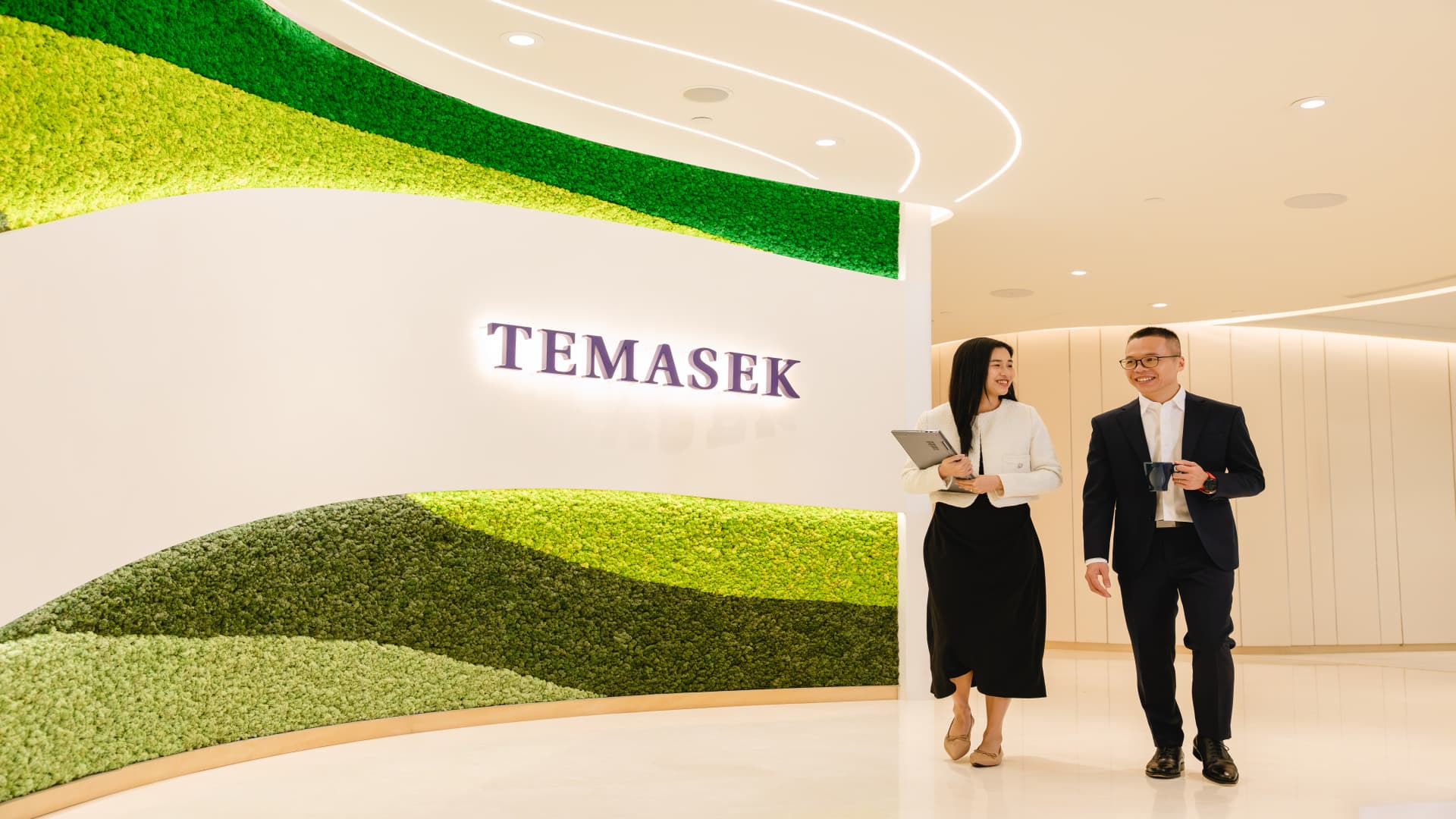
Temasek Increases China Investment to S$7.7 Billion

- Portfolio Restructuring: Temasek increased its investment in China by S$10 billion ($7.7 billion) last fiscal year, marking the largest annual increase in five years, indicating a strategic repositioning for a new growth cycle driven by artificial intelligence and advanced technology.
- Market Recovery Signal: Although Temasek's exposure to China declined from 29% in 2020 to 17%, its total investment in China has grown by approximately S$24 billion over the past decade, reflecting a rebound in market valuations and confidence in future growth.
- Sector Transition Strategy: Temasek is shifting its focus from consumer and real estate sectors to
See More

Chinese Tech Firms Enter New Phase of Global Expansion

- Intensifying Global Competition: As Chinese tech companies accelerate their global expansion, market strategist Peter Boockvar notes that many prioritize market share over profit margins, a trend that could significantly influence U.S. investors' strategies.
- AI Application Prospects: PwC Global Chair Mohamed Kande stated at the Supply Chain Expo in Beijing that the application of AI in manufacturing will create more job opportunities, driving technological integration not only in China but also globally.
- Data Center Expansion: Alibaba's new data center in France will enhance its global cloud capabilities, with analyst Aras Poon highlighting that this move will reduce latency and improve reliability, enabling Alibaba to handle more complex, time-sensitive workloads.
- US-China Tech Rivalry: The U.S. is actively securing its global tech supply chains, recently signing agreements with new European participants to emphasize the importance of American technology, while Chinese firms are also pushing further into overseas markets, creating a new competitive landscape.
See More

SpaceX Experiences Wild Volatility in First Week as Public Company


- Strong IPO Performance: SpaceX's stock surged over 60% from its initial offering price of $135 during its first week, briefly surpassing Amazon and Microsoft in market capitalization, indicating strong market confidence in its future potential.
- Retail Investor Enthusiasm: Retail investors purchased a net $405 million in SpaceX shares within the first five trading sessions, marking the strongest retail IPO debut in recent history, reflecting high demand driven by Elon Musk's vision and celebrity status.
- Increased Market Volatility: Despite a strong initial performance, the stock experienced declines of 5%, 4%, and 16% in subsequent trading days, highlighting market uncertainty regarding the company's future prospects and leading to fluctuating investor sentiment.
- Emerging Future Challenges: SpaceX faces dual challenges of increasing share supply as early investors cash out and concerns over its high valuation, as Musk's projected $1 trillion revenue by 2030 contrasts sharply with the company's current significant losses and capital requirements.
See More
Boyd Gaming Corporation Appoints New Board Members
- New Board Members: Boyd Gaming Corporation has appointed Stacia J. Andersen and George C. Roeth to its Board of Directors, with Andersen previously serving as Chief Customer Officer at PetSmart and Roeth as CEO of Central Garden and Pet, both bringing extensive management experience that is expected to provide fresh strategic insights for the company.
- Diverse Industry Background: Andersen's executive roles at Target and Abercrombie & Fitch equip her with strong customer-centric skills, while Roeth's 27-year career at Clorox provides him with deep marketing and operational management knowledge, which will aid Boyd Gaming in enhancing its market position in the competitive entertainment industry.
- Diversified Business Strategy: Boyd Gaming operates 27 entertainment properties across 11 states and enhances customer loyalty through its Boyd Rewards program, with the new board members expected to drive strategic development in diversification and customer experience.
- Industry Recognition and Commitment: Recognized by Forbes as one of
See More

Boyd Gaming Appoints New Board Members
- New Board Members: Boyd Gaming Corporation has appointed Stacia J. Andersen and George C. Roeth to its Board of Directors, with Andersen previously serving as Chief Customer Officer at PetSmart and Roeth as CEO of Central Garden and Pet, both bringing extensive management experience to the board.
- Diverse Industry Background: Andersen has over 20 years of executive experience at Target and Abercrombie & Fitch, while Roeth held multiple executive roles at Clorox, including co-CEO, highlighting Boyd Gaming's strategic vision in executive selection.
- Diversified Operations: Boyd Gaming operates 27 entertainment properties across 11 states and manages a tribal casino in Northern California, showcasing its extensive footprint and influence in the U.S. gaming industry.
- Customer Loyalty Program: The company connects its nationwide portfolio through Boyd Rewards, recognized as the nation's favorite casino loyalty program by readers of USA Today and Newsweek, further enhancing customer retention and competitive positioning.
See More

China Accelerates Electric Truck Exports Amid Rising Demand

- Surge in Electric Truck Orders: Chinese manufacturer Sany Heavy Industry has received an order for approximately 880 electric trucks, expected to be shipped by the end of June, reflecting urgent overseas demand driven by rising shipping and oil costs.
- Clear Policy Goals: China's Ministry of Transport has set a target for new energy heavy trucks to account for 40% of new truck sales by 2030, echoing the earlier push for new energy passenger vehicles, indicating strong governmental support for the electric truck market.
- Rapid Market Share Growth: Last year, electric trucks accounted for 25% of total truck sales in China, contributing to a doubling of global electric truck sales to over 400,000 units, showcasing the advantages of electric trucks in terms of operational cost and declining battery prices.
- Intensifying Global Competition: While automotive giants like Tesla and Mercedes-Benz are ramping up their electric truck offerings, Sany's highly automated production capabilities and global market presence position it as a leader in electric truck exports, likely to continue increasing China's market share in the global electric truck sector.
See More
Temasek Increases China Investment to S$7.7 Billion
- Portfolio Restructuring: Temasek increased its investment in China by S$10 billion ($7.7 billion) last fiscal year, marking the largest annual increase in five years, indicating a strategic repositioning for a new growth cycle driven by artificial intelligence and advanced technology.
- Market Recovery Signal: Although Temasek's exposure to China declined from 29% in 2020 to 17%, its total investment in China has grown by approximately S$24 billion over the past decade, reflecting a rebound in market valuations and confidence in future growth.
- Sector Transition Strategy: Temasek is shifting its focus from consumer and real estate sectors to
See More
Chinese Tech Firms Enter New Phase of Global Expansion
- Intensifying Global Competition: As Chinese tech companies accelerate their global expansion, market strategist Peter Boockvar notes that many prioritize market share over profit margins, a trend that could significantly influence U.S. investors' strategies.
- AI Application Prospects: PwC Global Chair Mohamed Kande stated at the Supply Chain Expo in Beijing that the application of AI in manufacturing will create more job opportunities, driving technological integration not only in China but also globally.
- Data Center Expansion: Alibaba's new data center in France will enhance its global cloud capabilities, with analyst Aras Poon highlighting that this move will reduce latency and improve reliability, enabling Alibaba to handle more complex, time-sensitive workloads.
- US-China Tech Rivalry: The U.S. is actively securing its global tech supply chains, recently signing agreements with new European participants to emphasize the importance of American technology, while Chinese firms are also pushing further into overseas markets, creating a new competitive landscape.
See More
SpaceX Experiences Wild Volatility in First Week as Public Company
- Strong IPO Performance: SpaceX's stock surged over 60% from its initial offering price of $135 during its first week, briefly surpassing Amazon and Microsoft in market capitalization, indicating strong market confidence in its future potential.
- Retail Investor Enthusiasm: Retail investors purchased a net $405 million in SpaceX shares within the first five trading sessions, marking the strongest retail IPO debut in recent history, reflecting high demand driven by Elon Musk's vision and celebrity status.
- Increased Market Volatility: Despite a strong initial performance, the stock experienced declines of 5%, 4%, and 16% in subsequent trading days, highlighting market uncertainty regarding the company's future prospects and leading to fluctuating investor sentiment.
- Emerging Future Challenges: SpaceX faces dual challenges of increasing share supply as early investors cash out and concerns over its high valuation, as Musk's projected $1 trillion revenue by 2030 contrasts sharply with the company's current significant losses and capital requirements.
See More
Boyd Gaming Corporation Appoints New Board Members
- New Board Members: Boyd Gaming Corporation has appointed Stacia J. Andersen and George C. Roeth to its Board of Directors, with Andersen previously serving as Chief Customer Officer at PetSmart and Roeth as CEO of Central Garden and Pet, both bringing extensive management experience that is expected to provide fresh strategic insights for the company.
- Diverse Industry Background: Andersen's executive roles at Target and Abercrombie & Fitch equip her with strong customer-centric skills, while Roeth's 27-year career at Clorox provides him with deep marketing and operational management knowledge, which will aid Boyd Gaming in enhancing its market position in the competitive entertainment industry.
- Diversified Business Strategy: Boyd Gaming operates 27 entertainment properties across 11 states and enhances customer loyalty through its Boyd Rewards program, with the new board members expected to drive strategic development in diversification and customer experience.
- Industry Recognition and Commitment: Recognized by Forbes as one of
See More
Boyd Gaming Appoints New Board Members
- New Board Members: Boyd Gaming Corporation has appointed Stacia J. Andersen and George C. Roeth to its Board of Directors, with Andersen previously serving as Chief Customer Officer at PetSmart and Roeth as CEO of Central Garden and Pet, both bringing extensive management experience to the board.
- Diverse Industry Background: Andersen has over 20 years of executive experience at Target and Abercrombie & Fitch, while Roeth held multiple executive roles at Clorox, including co-CEO, highlighting Boyd Gaming's strategic vision in executive selection.
- Diversified Operations: Boyd Gaming operates 27 entertainment properties across 11 states and manages a tribal casino in Northern California, showcasing its extensive footprint and influence in the U.S. gaming industry.
- Customer Loyalty Program: The company connects its nationwide portfolio through Boyd Rewards, recognized as the nation's favorite casino loyalty program by readers of USA Today and Newsweek, further enhancing customer retention and competitive positioning.
See More
China Accelerates Electric Truck Exports Amid Rising Demand
- Surge in Electric Truck Orders: Chinese manufacturer Sany Heavy Industry has received an order for approximately 880 electric trucks, expected to be shipped by the end of June, reflecting urgent overseas demand driven by rising shipping and oil costs.
- Clear Policy Goals: China's Ministry of Transport has set a target for new energy heavy trucks to account for 40% of new truck sales by 2030, echoing the earlier push for new energy passenger vehicles, indicating strong governmental support for the electric truck market.
- Rapid Market Share Growth: Last year, electric trucks accounted for 25% of total truck sales in China, contributing to a doubling of global electric truck sales to over 400,000 units, showcasing the advantages of electric trucks in terms of operational cost and declining battery prices.
- Intensifying Global Competition: While automotive giants like Tesla and Mercedes-Benz are ramping up their electric truck offerings, Sany's highly automated production capabilities and global market presence position it as a leader in electric truck exports, likely to continue increasing China's market share in the global electric truck sector.
See More





