Blue Chip Dividend Stocks Attract Investors Amid Market Volatility
Written by Emily J. Thompson, Senior Investment Analyst
Updated: 3 days ago
0mins
Source: Fool
- Market Volatility Impact: Over the past month, the market experienced wild swings due to geopolitical conflicts and inflationary pressures, prompting investors to refocus on blue-chip stocks, particularly Kinder Morgan and Williams Companies, which have rallied 15% and 18%, respectively.
- Kinder Morgan Business Model: Kinder Morgan operates 78,000 miles of pipeline, transporting 40% of the U.S. natural gas, with revenue primarily from natural gas pipelines; it expects natural gas demand to grow by 17% by 2030, driving EBITDA from $8.39 billion in 2025 to $9.45 billion.
- Williams Companies Growth Potential: Williams operates 33,000 miles of pipeline, focusing on natural gas transportation, with EBITDA projected to rise from $7.75 billion in 2025 at an 11% CAGR to $10.51 billion, reflecting strong market demand for LNG exports.
- Attractive Dividend Yields: Kinder Morgan and Williams offer dividend yields of 3.7% and nearly 3%, respectively, with payout ratios that are sustainable, indicating room for future dividend increases.
Trade with 70% Backtested Accuracy
Stop guessing "Should I Buy KMI?" and start using high-conviction signals backed by rigorous historical data.
Sign up today to access powerful investing tools and make smarter, data-driven decisions.
Analyst Views on KMI
Wall Street analysts forecast KMI stock price to fall
14 Analyst Rating
8 Buy
6 Hold
0 Sell
Moderate Buy
Current: 31.790

Low
27.00
Averages
31.62
High
36.00
Current: 31.790
Low
27.00
Averages
31.62
High
36.00
About KMI
Kinder Morgan, Inc. is an energy infrastructure company. The Company owns an interest in or operates approximately 79,000 miles of pipelines and 139 terminals. Its Natural Gas Pipelines segment includes ownership and operation of interstate and intrastate natural gas pipeline and storage systems and natural gas gathering systems and natural gas processing and treating facilities. Its Products Pipelines segment includes ownership and operation of refined petroleum products, crude oil and condensate pipelines that primarily deliver, among other products, gasoline, diesel and jet fuel, crude oil and condensate to various markets, plus the ownership and/or operation of associated product terminals and petroleum pipeline transmix facilities. Its Terminals segment includes ownership and/or operation of liquid and bulk terminal facilities and Jones Act-qualified tankers. Its CO2 segment is engaged in the production, transportation and marketing of CO2 to oil fields.
About the author

Emily J. Thompson
Emily J. Thompson, a Chartered Financial Analyst (CFA) with 12 years in investment research, graduated with honors from the Wharton School. Specializing in industrial and technology stocks, she provides in-depth analysis for Intellectia’s earnings and market brief reports.
Trump Administration Boosts U.S. Energy Self-Reliance Initiatives

- EOG Resources Performance: In 2025, EOG Resources' U.S. operations accounted for 97% of its 449.9 million barrels of oil equivalent production, and by expanding its international operations, it further solidifies its leadership in the U.S. energy supply chain, expected to benefit from the Trump administration's policy push.
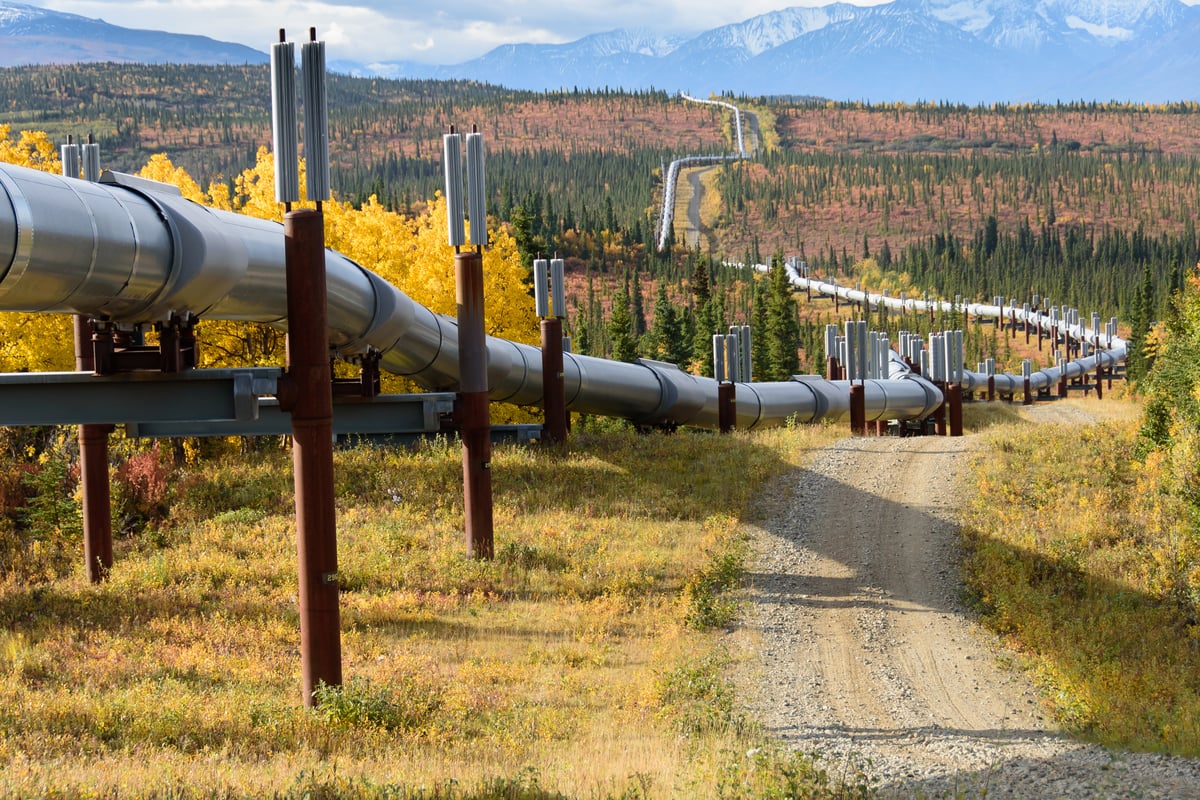
- Kinder Morgan Infrastructure: With approximately 78,000 miles of pipelines and 136 terminals, Kinder Morgan, as one of the largest energy infrastructure companies in the U.S., is positioned to benefit from the growth in domestic energy production and is pursuing $10 billion in growth project opportunities.
- MPLX Expansion Plans: MPLX plans to invest $2.4 billion in growth projects in 2026, including multiple natural gas processing plants and pipelines, which are expected to enhance its infrastructure in the U.S. energy market and offer a forward yield of up to 7.9%.
- Investor Choices: For conservative investors, EOG Resources and Kinder Morgan are reliable options, while MPLX attracts those seeking substantial returns due to its high yield, although its master limited partnership structure may have tax implications.
See More

Trump Administration Pushes for Domestic Energy Production
- Domestic Energy Production Boost: The Trump administration is actively promoting domestic energy production, particularly amid uncertainties surrounding the Strait of Hormuz, aiming to enhance U.S. energy self-reliance and create significant opportunities for energy investors.
- Strong Performance of EOG Resources: EOG Resources produced 449.9 million barrels of oil equivalent in 2025, with 97% from U.S. operations, and has consistently increased dividends for nearly three decades, demonstrating its commitment to shareholders and attracting many passive income-seeking investors.
- Kinder Morgan's Infrastructure Advantage: Kinder Morgan operates approximately 78,000 miles of pipelines and 136 terminals, actively pursuing $10 billion in growth projects, positioning itself to benefit from the domestic energy industry's growth as a key player in transporting energy products.
- MPLX Expansion Plans: MPLX plans to invest $2.4 billion in growth projects in 2026, including multiple pipelines and natural gas processing plants, which are expected to further strengthen its position in U.S. energy production while offering a forward yield of 7.9%, appealing to numerous dividend investors.
See More

Wall Street Optimism Rises Amid Ceasefire Hopes


- Market Rebound: The S&P 500 and Nasdaq Composite reached all-time highs this week, with the S&P 500 surpassing 7,100 for the first time, reflecting strong investor confidence in economic recovery and suggesting further upward momentum for equities.
- Earnings Expectations: According to FactSet, the S&P 500 is projected to have a blended growth rate of 12.5% in Q1, with 78% of reporting companies exceeding expectations, providing a positive backdrop for the upcoming earnings season that could further bolster market confidence.
- Oil Price Volatility: While oil prices have fallen to around $80 per barrel, significantly below the $110 peak during the conflict, the market must remain vigilant regarding the potential impacts of U.S.-Iran tensions on global supply chains, particularly concerning the safety of transit through the Strait of Hormuz.
- Technical Fragility: Despite the market's strong short-term performance, analyst Craig Johnson warns that the rapid transition from oversold to overbought conditions masks underlying macroeconomic risks, urging investors to remain cautious and focus on high-quality investment opportunities.
See More

Blue Chip Dividend Stocks Attract Investors Amid Market Volatility

- Market Volatility Impact: Over the past month, the market experienced wild swings due to geopolitical conflicts and inflationary pressures, prompting investors to refocus on blue-chip stocks, particularly Kinder Morgan and Williams Companies, which have rallied 15% and 18%, respectively.
- Kinder Morgan Business Model: Kinder Morgan operates 78,000 miles of pipeline, transporting 40% of the U.S. natural gas, with revenue primarily from natural gas pipelines; it expects natural gas demand to grow by 17% by 2030, driving EBITDA from $8.39 billion in 2025 to $9.45 billion.
- Williams Companies Growth Potential: Williams operates 33,000 miles of pipeline, focusing on natural gas transportation, with EBITDA projected to rise from $7.75 billion in 2025 at an 11% CAGR to $10.51 billion, reflecting strong market demand for LNG exports.
- Attractive Dividend Yields: Kinder Morgan and Williams offer dividend yields of 3.7% and nearly 3%, respectively, with payout ratios that are sustainable, indicating room for future dividend increases.
See More

Midstream Companies Generate Stable Profits Amid Market Turbulence
- Stable Profits from Pipelines: Kinder Morgan operates 78,000 miles of pipelines, transporting about 40% of U.S. natural gas, and its business model, which charges tolls to upstream and downstream companies, allows it to maintain profitability amid oil and gas price volatility, with EBITDA projected to rise from $6.96 billion to $8.39 billion by 2025.
- Growing Natural Gas Demand: Kinder Morgan expects natural gas demand to grow by 17% by 2030, primarily driven by LNG exports, which has led to a backlog swelling to $10 billion by 2025, indicating strong market demand and future growth potential.
- Market Position of Williams: Williams operates over 33,000 miles of pipelines focused on natural gas transportation, with EBITDA increasing from $5.11 billion to $7.75 billion, and is expected to grow at an 11% CAGR to $10.51 billion by 2028, showcasing its pure play advantage in LNG exports.
- Attractive Dividend Yields: Kinder Morgan and Williams offer forward dividend yields of 3.7% and nearly 3%, respectively, with Kinder Morgan's payout ratio at 85%, providing ample room for future dividend increases, appealing to income-seeking investors.
See More

Kinder Morgan Expected to Announce Dividend Increase
- Dividend Growth Expectation: Kinder Morgan is likely to announce a dividend increase in April, with analysts predicting an annual dividend of $1.19 per share, translating to a quarterly dividend of $0.2975, which represents a 1.71% increase from the previous payout of $0.2925, thereby reinforcing its two-year streak of consecutive dividend growth.
- Historical Dividend Performance: The company last declared a dividend of $0.2925 per share in January 2026, yielding 3.69%, and raised its dividend by 1.74% from $0.2875 last April, demonstrating a commitment to shareholder returns and a stable dividend policy.
- Long-term Growth Potential: Kinder Morgan has achieved a five-year dividend growth rate of approximately 2.19% and maintains a 99.83% average payout ratio over four years, indicating robust financial health and consistent cash flow in the oil and gas storage and transportation sector.
- Ratings and Market Response: Despite receiving ratings of C+, C-, C, and B- for safety, growth, yield, and dividend consistency respectively, the market remains optimistic about its dividend growth prospects, which are expected to further influence stock prices following the first-quarter earnings report scheduled for April 22, 2026.
See More
Trump Administration Boosts U.S. Energy Self-Reliance Initiatives
- EOG Resources Performance: In 2025, EOG Resources' U.S. operations accounted for 97% of its 449.9 million barrels of oil equivalent production, and by expanding its international operations, it further solidifies its leadership in the U.S. energy supply chain, expected to benefit from the Trump administration's policy push.
- Kinder Morgan Infrastructure: With approximately 78,000 miles of pipelines and 136 terminals, Kinder Morgan, as one of the largest energy infrastructure companies in the U.S., is positioned to benefit from the growth in domestic energy production and is pursuing $10 billion in growth project opportunities.
- MPLX Expansion Plans: MPLX plans to invest $2.4 billion in growth projects in 2026, including multiple natural gas processing plants and pipelines, which are expected to enhance its infrastructure in the U.S. energy market and offer a forward yield of up to 7.9%.
- Investor Choices: For conservative investors, EOG Resources and Kinder Morgan are reliable options, while MPLX attracts those seeking substantial returns due to its high yield, although its master limited partnership structure may have tax implications.
See More
Trump Administration Pushes for Domestic Energy Production
- Domestic Energy Production Boost: The Trump administration is actively promoting domestic energy production, particularly amid uncertainties surrounding the Strait of Hormuz, aiming to enhance U.S. energy self-reliance and create significant opportunities for energy investors.
- Strong Performance of EOG Resources: EOG Resources produced 449.9 million barrels of oil equivalent in 2025, with 97% from U.S. operations, and has consistently increased dividends for nearly three decades, demonstrating its commitment to shareholders and attracting many passive income-seeking investors.
- Kinder Morgan's Infrastructure Advantage: Kinder Morgan operates approximately 78,000 miles of pipelines and 136 terminals, actively pursuing $10 billion in growth projects, positioning itself to benefit from the domestic energy industry's growth as a key player in transporting energy products.
- MPLX Expansion Plans: MPLX plans to invest $2.4 billion in growth projects in 2026, including multiple pipelines and natural gas processing plants, which are expected to further strengthen its position in U.S. energy production while offering a forward yield of 7.9%, appealing to numerous dividend investors.
See More
Wall Street Optimism Rises Amid Ceasefire Hopes
- Market Rebound: The S&P 500 and Nasdaq Composite reached all-time highs this week, with the S&P 500 surpassing 7,100 for the first time, reflecting strong investor confidence in economic recovery and suggesting further upward momentum for equities.
- Earnings Expectations: According to FactSet, the S&P 500 is projected to have a blended growth rate of 12.5% in Q1, with 78% of reporting companies exceeding expectations, providing a positive backdrop for the upcoming earnings season that could further bolster market confidence.
- Oil Price Volatility: While oil prices have fallen to around $80 per barrel, significantly below the $110 peak during the conflict, the market must remain vigilant regarding the potential impacts of U.S.-Iran tensions on global supply chains, particularly concerning the safety of transit through the Strait of Hormuz.
- Technical Fragility: Despite the market's strong short-term performance, analyst Craig Johnson warns that the rapid transition from oversold to overbought conditions masks underlying macroeconomic risks, urging investors to remain cautious and focus on high-quality investment opportunities.
See More
Blue Chip Dividend Stocks Attract Investors Amid Market Volatility
- Market Volatility Impact: Over the past month, the market experienced wild swings due to geopolitical conflicts and inflationary pressures, prompting investors to refocus on blue-chip stocks, particularly Kinder Morgan and Williams Companies, which have rallied 15% and 18%, respectively.
- Kinder Morgan Business Model: Kinder Morgan operates 78,000 miles of pipeline, transporting 40% of the U.S. natural gas, with revenue primarily from natural gas pipelines; it expects natural gas demand to grow by 17% by 2030, driving EBITDA from $8.39 billion in 2025 to $9.45 billion.
- Williams Companies Growth Potential: Williams operates 33,000 miles of pipeline, focusing on natural gas transportation, with EBITDA projected to rise from $7.75 billion in 2025 at an 11% CAGR to $10.51 billion, reflecting strong market demand for LNG exports.
- Attractive Dividend Yields: Kinder Morgan and Williams offer dividend yields of 3.7% and nearly 3%, respectively, with payout ratios that are sustainable, indicating room for future dividend increases.
See More
Midstream Companies Generate Stable Profits Amid Market Turbulence
- Stable Profits from Pipelines: Kinder Morgan operates 78,000 miles of pipelines, transporting about 40% of U.S. natural gas, and its business model, which charges tolls to upstream and downstream companies, allows it to maintain profitability amid oil and gas price volatility, with EBITDA projected to rise from $6.96 billion to $8.39 billion by 2025.
- Growing Natural Gas Demand: Kinder Morgan expects natural gas demand to grow by 17% by 2030, primarily driven by LNG exports, which has led to a backlog swelling to $10 billion by 2025, indicating strong market demand and future growth potential.
- Market Position of Williams: Williams operates over 33,000 miles of pipelines focused on natural gas transportation, with EBITDA increasing from $5.11 billion to $7.75 billion, and is expected to grow at an 11% CAGR to $10.51 billion by 2028, showcasing its pure play advantage in LNG exports.
- Attractive Dividend Yields: Kinder Morgan and Williams offer forward dividend yields of 3.7% and nearly 3%, respectively, with Kinder Morgan's payout ratio at 85%, providing ample room for future dividend increases, appealing to income-seeking investors.
See More
Kinder Morgan Expected to Announce Dividend Increase
- Dividend Growth Expectation: Kinder Morgan is likely to announce a dividend increase in April, with analysts predicting an annual dividend of $1.19 per share, translating to a quarterly dividend of $0.2975, which represents a 1.71% increase from the previous payout of $0.2925, thereby reinforcing its two-year streak of consecutive dividend growth.
- Historical Dividend Performance: The company last declared a dividend of $0.2925 per share in January 2026, yielding 3.69%, and raised its dividend by 1.74% from $0.2875 last April, demonstrating a commitment to shareholder returns and a stable dividend policy.
- Long-term Growth Potential: Kinder Morgan has achieved a five-year dividend growth rate of approximately 2.19% and maintains a 99.83% average payout ratio over four years, indicating robust financial health and consistent cash flow in the oil and gas storage and transportation sector.
- Ratings and Market Response: Despite receiving ratings of C+, C-, C, and B- for safety, growth, yield, and dividend consistency respectively, the market remains optimistic about its dividend growth prospects, which are expected to further influence stock prices following the first-quarter earnings report scheduled for April 22, 2026.
See More