Berkshire Hathaway's New Direction Post-Buffett Retirement
Written by Emily J. Thompson, Senior Investment Analyst
Updated: Apr 01 2026
0mins

Should l Buy CVX?
Source: Fool
- Buffett's Retirement Impact: Warren Buffett officially retired on December 31, and although he remains on the board, his departure has left a significant mark on Berkshire's investment portfolio, particularly with its active $312 billion investment strategy leading up to his retirement.
- Bank Stock Reduction Strategy: Over the 18 months prior to his retirement, Buffett cut his stake in Bank of America by 50%, selling a total of 515,556,072 shares, which reflects his deep consideration of the company's valuation and interest rate sensitivity, even as it remains a core holding for Berkshire.
- Oil Stock Acquisition Move: In his final quarter as CEO, Buffett invested approximately $1.2 billion to increase Berkshire's stake in Chevron by purchasing 8,091,570 shares, demonstrating confidence in the company's robust capital return program and integrated operating model, especially amid global energy supply chain disruptions.
- Market Environment Changes: The ongoing conflict in Iran has led to a 36% increase in Chevron's stock price since the beginning of the year, presenting a positive market outlook for Berkshire's investment while reflecting Buffett's continued optimism regarding high-margin drilling operations.
Trade with 70% Backtested Accuracy
Stop guessing "Should I Buy CVX?" and start using high-conviction signals backed by rigorous historical data.
Sign up today to access powerful investing tools and make smarter, data-driven decisions.
Analyst Views on CVX
Wall Street analysts forecast CVX stock price to fall
19 Analyst Rating
15 Buy
4 Hold
0 Sell
Strong Buy
Current: 181.620

Low
158.00
Averages
176.95
High
206.00
Current: 181.620
Low
158.00
Averages
176.95
High
206.00
About CVX
Chevron Corporation is an integrated energy company. The Company produces crude oil and natural gas; manufactures transportation fuels, lubricants, petrochemicals and additives; and develops technologies that enhance its business and industry. The Company’s segments include Upstream and Downstream. Upstream operations consist primarily of exploring for, developing, producing and transporting crude oil and natural gas; liquefaction, transportation and regasification associated with LNG; transporting crude oil by major international oil export pipelines; processing, transporting, storage and marketing of natural gas; carbon capture and storage; and a gas-to-liquids plant. Downstream operations consist primarily of the refining of crude oil into petroleum products; marketing crude oil, refined products, and lubricants; manufacturing and marketing of renewable fuels, and transporting of crude oil and refined products by pipeline, marine vessel, motor equipment and rail car.
About the author

Emily J. Thompson
Emily J. Thompson, a Chartered Financial Analyst (CFA) with 12 years in investment research, graduated with honors from the Wharton School. Specializing in industrial and technology stocks, she provides in-depth analysis for Intellectia’s earnings and market brief reports.

Oil Stocks Surge Amid Ongoing Conflict in Iran

- Shareholder Return History: Chevron has returned over $5 billion in capital to shareholders over the last 16 quarters, with $3.5 billion allocated to dividends, demonstrating the company's ability to consistently reward investors even in volatile markets, thereby enhancing investor confidence.
- Low Break-even Point: Chevron maintains a break-even price of $50 per barrel for Brent crude oil, thanks to investments in high-quality assets and disciplined cost management, allowing it to generate higher free cash flow in the current environment where prices are nearing $100 per barrel.
- Optimistic Market Outlook: The U.S. Energy Information Administration projects oil prices could peak at $115 per barrel in the second quarter and not fall below $90 until the fourth quarter, providing a strong tailwind for Chevron's earnings and further solidifying its position in the energy market.
- Investment in High-margin Assets: Chevron focuses on high-margin assets such as the Permian Basin and the Gulf of Mexico, successfully integrating Hess to gain a 30% stake in the Stabroek Block, ensuring future growth potential and competitive strength in the market.
See More
Oil Price Fluctuations Impact Energy Stock Dividends

- Oil Price Impact: As of May 7, WTI futures fell 16.6%, yet remained around $95 per barrel, indicating that high oil prices could suppress demand during the upcoming summer travel season, creating pressure for investors.
- Attractive Energy Dividends: The Energy Select Sector SPDR ETF (XLE) has risen 39.4% year-to-date, with a dividend yield of 2.67%, more than double that of the S&P 500 index fund, highlighting the investment appeal of energy stocks.
- Antero Midstream Performance: Antero Midstream (AM) shares dropped 6.3% over the past month, but its Q1 free cash flow increased by 8%, and the company repurchased $18 million in stock, demonstrating a commitment to capital returns even in adversity.
- Chevron's Dividend Stability: Chevron (CVX) has increased its dividend for 39 consecutive years; despite a 5.3% decline in stock price due to falling oil prices, the company forecasts a capital spending and dividend breakeven below $50 per barrel, ensuring long-term shareholder returns.
See More

Analysis of URTH ETF's 52-Week High and Low Points

- 52-Week Price Range: URTH ETF's low point is $159.23 per share, with a high of $201.10, and the last trade at $201.09 indicates stability near the high, potentially attracting investor interest.
- Technical Analysis Tool: Comparing the current share price to the 200-day moving average provides valuable insights for investors, helping to assess market trends and potential buying opportunities.
- ETF Unit Trading Mechanism: ETFs trade similarly to stocks, where investors buy and sell 'units' that can be created or destroyed based on demand, impacting liquidity and market performance.
- Inflows and Outflows Monitoring: Weekly monitoring of changes in ETF units focuses on notable inflows (new units created) or outflows (old units destroyed), as these liquidity shifts can significantly affect the performance of the underlying stocks held within the ETF.
See More
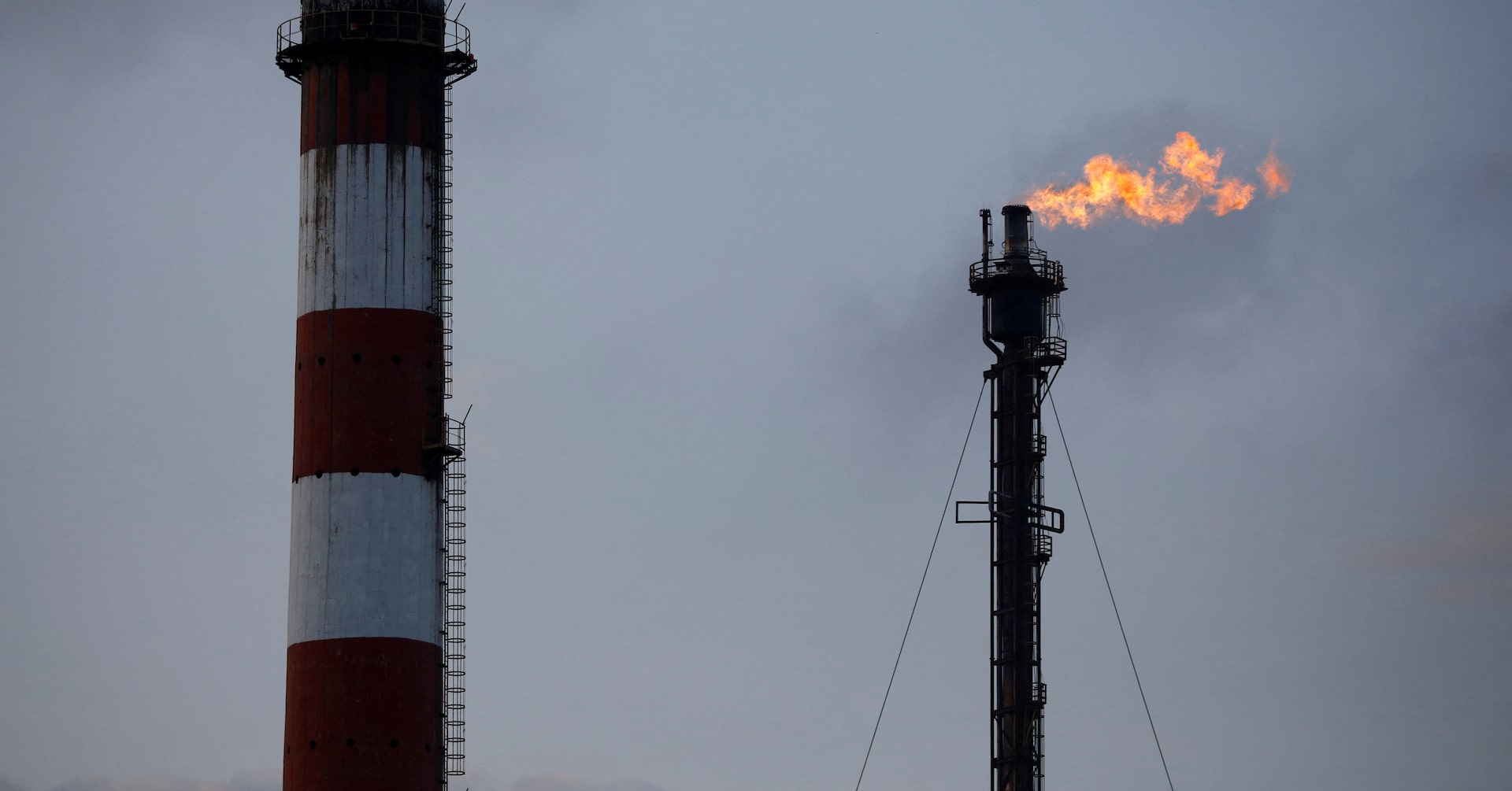
Oil Majors Brace for Market Turbulence

- Supply-Demand Crisis: The near-total closure of the Strait of Hormuz since February 28 has led to a more than 13% reduction in global oil supply and about a fifth drop in LNG flows, pushing crude prices above $100 per barrel and forcing companies to seek alternative supplies, impacting long-term market stability.
- Cautious Investment Stance: Despite BP, Chevron, and Exxon Mobil exceeding first-quarter earnings expectations, none of the five major oil companies have raised spending plans for 2026 or beyond, reflecting a boardroom shift towards capital discipline and prioritizing shareholder returns over expansion.
- Price Volatility Risk: Brent crude prices have swung violently since the war began, peaking at $118 per barrel in March before slipping back to around $100, indicating heightened uncertainty over future prices, compelling companies to ensure profitability amid volatility.
- Future Investment Outlook: While spending is expected to rise between 2026 and 2030, recent events have not prompted companies to ramp up investments; instead, they have reinforced a conservative mindset, focusing on managing price volatility rather than chasing short-term profits.
See More

Shell CEO Warns of Oil Supply/Demand Imbalance
- Global Oil Shortage: Shell CEO Wael Sawan warns of a current shortfall of 1 billion barrels of oil, a sentiment echoed by Halliburton CEO Jeffrey Miller, indicating that this shortage will exacerbate rising oil prices and impact global economic stability.
- Consensus Among Executives: CEOs from Chevron and ExxonMobil agree that it will take months to rectify the growing supply-demand imbalance, highlighting the profound effects of current geopolitical conflicts on the oil market, which necessitates cautious investor strategies.
- Dividend Performance Discrepancy: While Shell offers a dividend yield of 3.4%, Chevron and Exxon have a stronger track record of dividend growth at 3.9% and 2.8% respectively, making them more attractive for long-term investors seeking stability.
- Investment Strategy Recommendation: For long-term investors, Chevron is viewed as the most appealing option among integrated energy giants, particularly as oil prices are expected to decline, providing reliable dividend income and mitigating investment risks.
See More

Middle East Conflict Causes Global Oil Shortage
- Global Oil Shortage: The closure of the Strait of Hormuz due to the Middle East conflict has resulted in a shortage of 1 billion barrels of oil, with Shell CEO Wael Sawan and Halliburton CEO Jeffrey Miller sounding alarms about the ongoing supply/demand imbalance that is expected to last for months, impacting global energy market stability.
- Industry Response: CEOs of Chevron and ExxonMobil concur that it will take months to rectify the supply/demand imbalance once the conflict ends, indicating that the oil supply shortfall will worsen in the interim, potentially leading to increased volatility in oil prices.
- Investment Strategy: In the current high oil price environment, investors are advised to focus on integrated energy giants like Shell, Chevron, and Exxon, noting that while Shell cut its dividend in 2020, Chevron and Exxon have consistently increased theirs, demonstrating stronger financial stability.
- Dividend Yield Comparison: Currently, Chevron offers a dividend yield of 3.9%, Exxon at 2.8%, and Shell at 3.4%, making Chevron the most attractive option among integrated majors for long-term investors, especially as oil prices are expected to decline, providing reliable dividend income.
See More
Oil Stocks Surge Amid Ongoing Conflict in Iran
- Shareholder Return History: Chevron has returned over $5 billion in capital to shareholders over the last 16 quarters, with $3.5 billion allocated to dividends, demonstrating the company's ability to consistently reward investors even in volatile markets, thereby enhancing investor confidence.
- Low Break-even Point: Chevron maintains a break-even price of $50 per barrel for Brent crude oil, thanks to investments in high-quality assets and disciplined cost management, allowing it to generate higher free cash flow in the current environment where prices are nearing $100 per barrel.
- Optimistic Market Outlook: The U.S. Energy Information Administration projects oil prices could peak at $115 per barrel in the second quarter and not fall below $90 until the fourth quarter, providing a strong tailwind for Chevron's earnings and further solidifying its position in the energy market.
- Investment in High-margin Assets: Chevron focuses on high-margin assets such as the Permian Basin and the Gulf of Mexico, successfully integrating Hess to gain a 30% stake in the Stabroek Block, ensuring future growth potential and competitive strength in the market.
See More
Oil Price Fluctuations Impact Energy Stock Dividends
- Oil Price Impact: As of May 7, WTI futures fell 16.6%, yet remained around $95 per barrel, indicating that high oil prices could suppress demand during the upcoming summer travel season, creating pressure for investors.
- Attractive Energy Dividends: The Energy Select Sector SPDR ETF (XLE) has risen 39.4% year-to-date, with a dividend yield of 2.67%, more than double that of the S&P 500 index fund, highlighting the investment appeal of energy stocks.
- Antero Midstream Performance: Antero Midstream (AM) shares dropped 6.3% over the past month, but its Q1 free cash flow increased by 8%, and the company repurchased $18 million in stock, demonstrating a commitment to capital returns even in adversity.
- Chevron's Dividend Stability: Chevron (CVX) has increased its dividend for 39 consecutive years; despite a 5.3% decline in stock price due to falling oil prices, the company forecasts a capital spending and dividend breakeven below $50 per barrel, ensuring long-term shareholder returns.
See More
Analysis of URTH ETF's 52-Week High and Low Points
- 52-Week Price Range: URTH ETF's low point is $159.23 per share, with a high of $201.10, and the last trade at $201.09 indicates stability near the high, potentially attracting investor interest.
- Technical Analysis Tool: Comparing the current share price to the 200-day moving average provides valuable insights for investors, helping to assess market trends and potential buying opportunities.
- ETF Unit Trading Mechanism: ETFs trade similarly to stocks, where investors buy and sell 'units' that can be created or destroyed based on demand, impacting liquidity and market performance.
- Inflows and Outflows Monitoring: Weekly monitoring of changes in ETF units focuses on notable inflows (new units created) or outflows (old units destroyed), as these liquidity shifts can significantly affect the performance of the underlying stocks held within the ETF.
See More
Oil Majors Brace for Market Turbulence
- Supply-Demand Crisis: The near-total closure of the Strait of Hormuz since February 28 has led to a more than 13% reduction in global oil supply and about a fifth drop in LNG flows, pushing crude prices above $100 per barrel and forcing companies to seek alternative supplies, impacting long-term market stability.
- Cautious Investment Stance: Despite BP, Chevron, and Exxon Mobil exceeding first-quarter earnings expectations, none of the five major oil companies have raised spending plans for 2026 or beyond, reflecting a boardroom shift towards capital discipline and prioritizing shareholder returns over expansion.
- Price Volatility Risk: Brent crude prices have swung violently since the war began, peaking at $118 per barrel in March before slipping back to around $100, indicating heightened uncertainty over future prices, compelling companies to ensure profitability amid volatility.
- Future Investment Outlook: While spending is expected to rise between 2026 and 2030, recent events have not prompted companies to ramp up investments; instead, they have reinforced a conservative mindset, focusing on managing price volatility rather than chasing short-term profits.
See More
Shell CEO Warns of Oil Supply/Demand Imbalance
- Global Oil Shortage: Shell CEO Wael Sawan warns of a current shortfall of 1 billion barrels of oil, a sentiment echoed by Halliburton CEO Jeffrey Miller, indicating that this shortage will exacerbate rising oil prices and impact global economic stability.
- Consensus Among Executives: CEOs from Chevron and ExxonMobil agree that it will take months to rectify the growing supply-demand imbalance, highlighting the profound effects of current geopolitical conflicts on the oil market, which necessitates cautious investor strategies.
- Dividend Performance Discrepancy: While Shell offers a dividend yield of 3.4%, Chevron and Exxon have a stronger track record of dividend growth at 3.9% and 2.8% respectively, making them more attractive for long-term investors seeking stability.
- Investment Strategy Recommendation: For long-term investors, Chevron is viewed as the most appealing option among integrated energy giants, particularly as oil prices are expected to decline, providing reliable dividend income and mitigating investment risks.
See More
Middle East Conflict Causes Global Oil Shortage
- Global Oil Shortage: The closure of the Strait of Hormuz due to the Middle East conflict has resulted in a shortage of 1 billion barrels of oil, with Shell CEO Wael Sawan and Halliburton CEO Jeffrey Miller sounding alarms about the ongoing supply/demand imbalance that is expected to last for months, impacting global energy market stability.
- Industry Response: CEOs of Chevron and ExxonMobil concur that it will take months to rectify the supply/demand imbalance once the conflict ends, indicating that the oil supply shortfall will worsen in the interim, potentially leading to increased volatility in oil prices.
- Investment Strategy: In the current high oil price environment, investors are advised to focus on integrated energy giants like Shell, Chevron, and Exxon, noting that while Shell cut its dividend in 2020, Chevron and Exxon have consistently increased theirs, demonstrating stronger financial stability.
- Dividend Yield Comparison: Currently, Chevron offers a dividend yield of 3.9%, Exxon at 2.8%, and Shell at 3.4%, making Chevron the most attractive option among integrated majors for long-term investors, especially as oil prices are expected to decline, providing reliable dividend income.
See More