Bain Capital Seeks Buyers for Bridge Data Centers Stake Amid AI Demand
Written by Emily J. Thompson, Senior Investment Analyst
Updated: Mar 18 2026
0mins

Source: CNBC
- Stake Sale Initiative: Bain Capital is reaching out to potential buyers to sell up to a 70% stake in Bridge Data Centers (BDC), aiming to capitalize on the rising demand for AI infrastructure, although the exact size of its stake remains undisclosed.
- Surging Market Demand: According to Pitchbook, dealmaking activity in the tech sector surged over 40% in 2025 to a record-high of nearly $1 trillion, reflecting strong demand for AI infrastructure, with BDC positioned at the heart of this trend as a data center operator.
- Investment Expansion Plans: BDC plans to invest up to 5 billion Singapore dollars (approximately $3.9 billion) in Singapore to develop advanced AI-powered digital infrastructure, aiming to expand its regional capacity to approximately 2 gigawatts by 2030, with global capacity potentially reaching 3 gigawatts, showcasing its strategic positioning amid the AI investment boom.
- Tenant Concentration Risks: Despite strong market demand for data centers, Bain Capital faces geopolitical risks and high tenant concentration issues, with analysts noting that infrastructure operators must diversify across geographies and tenant bases to bolster investor confidence.
Trade with 70% Backtested Accuracy
Stop guessing "Should I Buy JPM?" and start using high-conviction signals backed by rigorous historical data.
Sign up today to access powerful investing tools and make smarter, data-driven decisions.
Analyst Views on JPM
Wall Street analysts forecast JPM stock price to rise
19 Analyst Rating
11 Buy
7 Hold
1 Sell
Moderate Buy
Current: 331.480

Low
260.00
Averages
341.38
High
400.00
Current: 331.480
Low
260.00
Averages
341.38
High
400.00
About JPM
JPMorgan Chase & Co. is a financial holding company. The Company is engaged in investment banking, financial services for consumers and small businesses, commercial banking, financial transaction processing and asset management. The Company operates through three segments: Consumer & Community Banking (CCB), Commercial & Investment Bank (CIB), and Asset & Wealth Management (AWM). Its CCB segment offers products and services to consumers and small businesses through bank branches, ATMs, digital and telephone banking. Its CIB segment consists of banking and payments and markets and securities services, and offers a suite of investment banking, lending, payments, market-making, financing, custody and securities products and services to a global base of corporate and institutional clients. AWM segment offers investment and wealth management solutions. It offers multi-asset investment management solutions, retirement products and services, brokerage, custody, estate planning, and others.
About the author

Emily J. Thompson
Emily J. Thompson, a Chartered Financial Analyst (CFA) with 12 years in investment research, graduated with honors from the Wharton School. Specializing in industrial and technology stocks, she provides in-depth analysis for Intellectia’s earnings and market brief reports.

US Lifts Sanctions on Iranian Oil Trade

- Comprehensive Sanctions Rollback: The U.S. Treasury issued a 60-day exemption allowing Iran to produce and sell crude oil and petroleum products in U.S. dollars, marking the most extensive rollback of sanctions since the 1979 Islamic Revolution, expected to generate $8 to $9 billion in revenue for Iran.
- Surge in Exports: Iranian crude exports reached 6.79 million barrels last week, the highest in two months, as U.S.-Iran negotiations progressed, indicating a resurgence in market demand that could push prices above Brent.
- Rising Chinese Demand: The exemption allows Iran to receive oil proceeds directly into its central bank, reducing transaction costs, and is expected to lead to accelerated purchases from China, particularly by independent refineries, boosting Iran's economic recovery.
- Long-term Contracts Secured: Iran is likely to use this 60-day window to repair war-damaged oil facilities and secure long-term contracts with Chinese buyers, enhancing its economy and strengthening its position in the international market.
See More
IBM Rises Over 4% After Upgrade; Qualcomm Slides 6% Amid Acquisition Talks


- IBM Stock Surge: Following an upgrade to overweight by JPMorgan, IBM's shares rose over 4%, indicating strong market confidence as software continues to drive better recurring revenue and cash flow.
- Qualcomm Acquisition Talks: Qualcomm's stock slid 6% after Bloomberg reported advanced talks to acquire AI software infrastructure company Modular for about $4 billion, raising concerns about its future growth prospects.
- Oracle Job Cuts Impact: Oracle's shares fell 2% after revealing in a regulatory filing that it cut 21,000 jobs, nearly 13% of its workforce, highlighting the company's vulnerability amid a global tech downturn.
- Primoris Services Guidance Cut: Primoris Services' stock plummeted 36% after the company lowered its guidance due to cost overruns and delays in renewable projects, compounded by the departure of its COO, which heightened market anxiety.
See More

SoFi vs PayPal: A Comparative Analysis of Fintech Stocks

- SoFi's Strong Performance: SoFi reported a 41% year-over-year revenue growth in Q1, with a 35% increase in members to 14.7 million, despite a 45% drop from its 52-week high; its cross-buy rate rose from 36% to 43%, indicating enhanced customer stickiness and future growth potential.
- Stablecoin Innovation: SoFi launched the first stablecoin issued by a nationally chartered bank, which could attract more users and enhance market competitiveness, although the company faces risks of declining loan demand in a high-interest-rate environment.
- PayPal's Challenges: PayPal's stock has plummeted 86% from its 2021 peak, with only a 1% adjusted EPS growth in Q1, and after a CEO change, the market remains cautious about its growth prospects, reflected in its current price-to-earnings ratio of less than 8, indicating pessimism about future growth.
- Venmo's Growth Potential: Despite PayPal's sluggish growth, its Venmo platform saw a 14% year-over-year increase in total payment volume, and the new CEO aims for $1.5 billion in cost savings over the next 2-3 years; if successful, PayPal's stock could be undervalued.
See More

Investment Opportunities in SoFi and PayPal
- SoFi Growth Momentum: SoFi reported a 41% year-over-year revenue growth in Q1, with a 35% increase in members to 14.7 million, showcasing resilience despite a 45% drop from its 52-week high, which may attract investor interest.
- Cross-Selling Improvement: SoFi's cross-buy rate increased from 36% to 43%, indicating higher acceptance of new products among existing customers, reducing acquisition costs while enhancing customer stickiness, which supports stable future revenue growth.
- PayPal Profitability: Although PayPal's stock has plummeted 86% from its 2021 peak, it generates about $7 billion in annual free cash flow, and the new CEO's plan to achieve $1.5 billion in cost savings over the next 2-3 years could enhance profitability.
- Market Outlook Uncertainty: SoFi has kept its full-year guidance steady despite exceeding Q1 expectations, while high interest rates may dampen loan demand; PayPal faces sluggish growth challenges, prompting investors to carefully assess the investment value of both companies.
See More
Federal Reserve to Release Annual Bank Stress Test Results
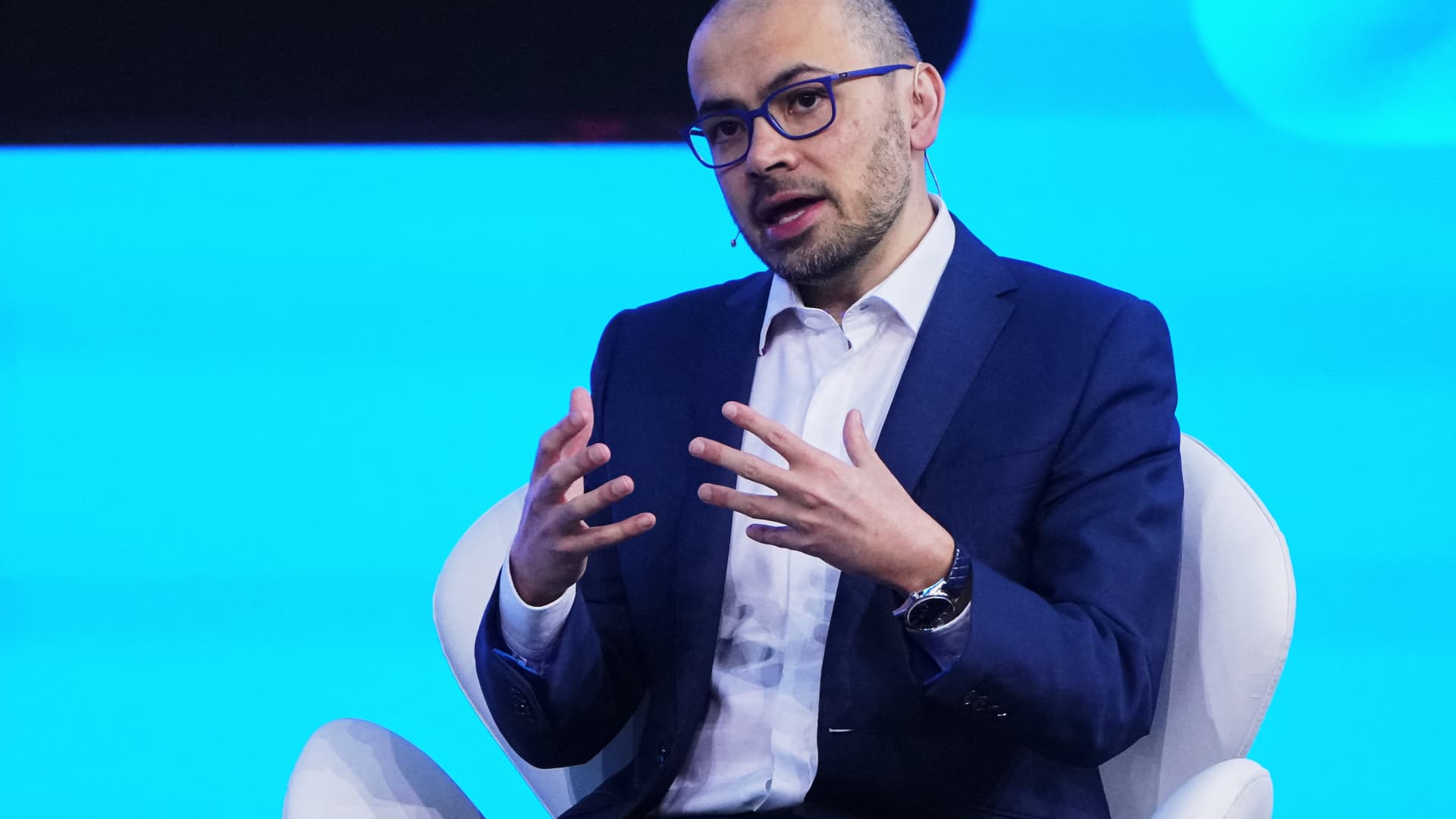
- Stress Test Background: The Federal Reserve is set to release the results of its annual bank stress tests on Wednesday, aimed at assessing the health of large banks' balance sheets under hypothetical economic downturns, and while capital levels will remain unchanged this year, the results will still provide insights into the banking system's health.
- Assessment Criteria: The tests evaluate whether banks can maintain a minimum capital ratio of 4.5% during hypothetical downturns, with well-performing banks typically exceeding this threshold, and they are also required to hold an additional 1% for the Global Systemically Important Banks (G-SIB) surcharge.
- Industry Feedback and Reforms: The Fed's decision to keep capital levels steady is a response to industry criticisms regarding the opacity and subjectivity of the testing process, with banks expressing dissatisfaction and filing a lawsuit against the Fed to push for necessary reforms in 2024.
- Regulatory Dynamics and Future Outlook: Fed Vice Chair for Supervision Michelle Bowman stated that freezing capital levels will allow regulators to incorporate feedback and correct deficiencies, although this change may reduce the dynamism of the tests, it represents a significant win for banks seeking greater transparency.
See More

Long-Term Returns from Buffett's Investment Advice


- Buffett's Investment Achievements: Warren Buffett's tenure as CEO of Berkshire Hathaway from 1965 to 2025 saw the company grow into a $1 trillion conglomerate, delivering a compound annual return of 19.7%, meaning a $1,000 investment in 1965 would have grown to $48.4 million by 2025, showcasing his exceptional investment acumen and market insight.
- ETF Investment Recommendation: Buffett advises investors to buy ETFs that track the S&P 500, such as the Vanguard S&P 500 ETF (VOO), which boasts an extremely low expense ratio of just 0.03% and broad market coverage, helping average investors achieve long-term stable returns, particularly with a 12.9% annual return since his 2014 recommendation.
- Diversification Advantage of S&P 500: The S&P 500 index comprises 500 profitable companies across 11 economic sectors, ensuring a diversified and stable investment portfolio, with the information technology sector alone accounting for 38.6%, including giants like Nvidia and Apple with a combined market cap of $15.4 trillion, enhancing investment security and growth potential.
- Future Investment Opportunities: With the rise of emerging technologies like artificial intelligence, autonomous vehicles, and quantum computing, investing in the Vanguard S&P 500 ETF remains a wise choice, providing investors with high-growth opportunities while achieving solid risk diversification through hundreds of stocks, ensuring competitiveness in future markets.
See More
US Lifts Sanctions on Iranian Oil Trade
- Comprehensive Sanctions Rollback: The U.S. Treasury issued a 60-day exemption allowing Iran to produce and sell crude oil and petroleum products in U.S. dollars, marking the most extensive rollback of sanctions since the 1979 Islamic Revolution, expected to generate $8 to $9 billion in revenue for Iran.
- Surge in Exports: Iranian crude exports reached 6.79 million barrels last week, the highest in two months, as U.S.-Iran negotiations progressed, indicating a resurgence in market demand that could push prices above Brent.
- Rising Chinese Demand: The exemption allows Iran to receive oil proceeds directly into its central bank, reducing transaction costs, and is expected to lead to accelerated purchases from China, particularly by independent refineries, boosting Iran's economic recovery.
- Long-term Contracts Secured: Iran is likely to use this 60-day window to repair war-damaged oil facilities and secure long-term contracts with Chinese buyers, enhancing its economy and strengthening its position in the international market.
See More
IBM Rises Over 4% After Upgrade; Qualcomm Slides 6% Amid Acquisition Talks
- IBM Stock Surge: Following an upgrade to overweight by JPMorgan, IBM's shares rose over 4%, indicating strong market confidence as software continues to drive better recurring revenue and cash flow.
- Qualcomm Acquisition Talks: Qualcomm's stock slid 6% after Bloomberg reported advanced talks to acquire AI software infrastructure company Modular for about $4 billion, raising concerns about its future growth prospects.
- Oracle Job Cuts Impact: Oracle's shares fell 2% after revealing in a regulatory filing that it cut 21,000 jobs, nearly 13% of its workforce, highlighting the company's vulnerability amid a global tech downturn.
- Primoris Services Guidance Cut: Primoris Services' stock plummeted 36% after the company lowered its guidance due to cost overruns and delays in renewable projects, compounded by the departure of its COO, which heightened market anxiety.
See More
SoFi vs PayPal: A Comparative Analysis of Fintech Stocks
- SoFi's Strong Performance: SoFi reported a 41% year-over-year revenue growth in Q1, with a 35% increase in members to 14.7 million, despite a 45% drop from its 52-week high; its cross-buy rate rose from 36% to 43%, indicating enhanced customer stickiness and future growth potential.
- Stablecoin Innovation: SoFi launched the first stablecoin issued by a nationally chartered bank, which could attract more users and enhance market competitiveness, although the company faces risks of declining loan demand in a high-interest-rate environment.
- PayPal's Challenges: PayPal's stock has plummeted 86% from its 2021 peak, with only a 1% adjusted EPS growth in Q1, and after a CEO change, the market remains cautious about its growth prospects, reflected in its current price-to-earnings ratio of less than 8, indicating pessimism about future growth.
- Venmo's Growth Potential: Despite PayPal's sluggish growth, its Venmo platform saw a 14% year-over-year increase in total payment volume, and the new CEO aims for $1.5 billion in cost savings over the next 2-3 years; if successful, PayPal's stock could be undervalued.
See More
Investment Opportunities in SoFi and PayPal
- SoFi Growth Momentum: SoFi reported a 41% year-over-year revenue growth in Q1, with a 35% increase in members to 14.7 million, showcasing resilience despite a 45% drop from its 52-week high, which may attract investor interest.
- Cross-Selling Improvement: SoFi's cross-buy rate increased from 36% to 43%, indicating higher acceptance of new products among existing customers, reducing acquisition costs while enhancing customer stickiness, which supports stable future revenue growth.
- PayPal Profitability: Although PayPal's stock has plummeted 86% from its 2021 peak, it generates about $7 billion in annual free cash flow, and the new CEO's plan to achieve $1.5 billion in cost savings over the next 2-3 years could enhance profitability.
- Market Outlook Uncertainty: SoFi has kept its full-year guidance steady despite exceeding Q1 expectations, while high interest rates may dampen loan demand; PayPal faces sluggish growth challenges, prompting investors to carefully assess the investment value of both companies.
See More
Federal Reserve to Release Annual Bank Stress Test Results
- Stress Test Background: The Federal Reserve is set to release the results of its annual bank stress tests on Wednesday, aimed at assessing the health of large banks' balance sheets under hypothetical economic downturns, and while capital levels will remain unchanged this year, the results will still provide insights into the banking system's health.
- Assessment Criteria: The tests evaluate whether banks can maintain a minimum capital ratio of 4.5% during hypothetical downturns, with well-performing banks typically exceeding this threshold, and they are also required to hold an additional 1% for the Global Systemically Important Banks (G-SIB) surcharge.
- Industry Feedback and Reforms: The Fed's decision to keep capital levels steady is a response to industry criticisms regarding the opacity and subjectivity of the testing process, with banks expressing dissatisfaction and filing a lawsuit against the Fed to push for necessary reforms in 2024.
- Regulatory Dynamics and Future Outlook: Fed Vice Chair for Supervision Michelle Bowman stated that freezing capital levels will allow regulators to incorporate feedback and correct deficiencies, although this change may reduce the dynamism of the tests, it represents a significant win for banks seeking greater transparency.
See More
Long-Term Returns from Buffett's Investment Advice
- Buffett's Investment Achievements: Warren Buffett's tenure as CEO of Berkshire Hathaway from 1965 to 2025 saw the company grow into a $1 trillion conglomerate, delivering a compound annual return of 19.7%, meaning a $1,000 investment in 1965 would have grown to $48.4 million by 2025, showcasing his exceptional investment acumen and market insight.
- ETF Investment Recommendation: Buffett advises investors to buy ETFs that track the S&P 500, such as the Vanguard S&P 500 ETF (VOO), which boasts an extremely low expense ratio of just 0.03% and broad market coverage, helping average investors achieve long-term stable returns, particularly with a 12.9% annual return since his 2014 recommendation.
- Diversification Advantage of S&P 500: The S&P 500 index comprises 500 profitable companies across 11 economic sectors, ensuring a diversified and stable investment portfolio, with the information technology sector alone accounting for 38.6%, including giants like Nvidia and Apple with a combined market cap of $15.4 trillion, enhancing investment security and growth potential.
- Future Investment Opportunities: With the rise of emerging technologies like artificial intelligence, autonomous vehicles, and quantum computing, investing in the Vanguard S&P 500 ETF remains a wise choice, providing investors with high-growth opportunities while achieving solid risk diversification through hundreds of stocks, ensuring competitiveness in future markets.
See More