ASML Earnings Report and Industry Updates
Written by Emily J. Thompson, Senior Investment Analyst
Updated: 23 hours ago
0mins


Should l Buy ASML?
Source: Fool
- ASML Earnings Overview: ASML's earnings report released on April 15, 2026, indicates stable revenue growth despite market fluctuations, reflecting its strong market position in the semiconductor equipment sector.
- Meta's Recent Developments: The video highlights Meta's recent strategic adjustments aimed at enhancing user experience and boosting advertising revenue, demonstrating its sensitivity and adaptability to market changes.
- Broadcom Market Performance: Recent updates from Broadcom suggest that investments in 5G and cloud computing are beginning to pay off, with expectations for performance growth in the upcoming quarters.
- CoreWeave and Allbirds Updates: The video mentions updates on CoreWeave and Allbirds, and while specific data is not disclosed, both companies' innovative efforts in their respective fields indicate a proactive response to market competition.
Trade with 70% Backtested Accuracy
Stop guessing "Should I Buy ASML?" and start using high-conviction signals backed by rigorous historical data.
Sign up today to access powerful investing tools and make smarter, data-driven decisions.
Analyst Views on ASML
Wall Street analysts forecast ASML stock price to rise
12 Analyst Rating
12 Buy
0 Hold
0 Sell
Strong Buy
Current: 1481.770

Low
1385
Averages
1583
High
1911
Current: 1481.770
Low
1385
Averages
1583
High
1911
About ASML
ASML Holding N.V. is a holding company based in the Netherlands. The Company operates through its subsidiaries in the Netherlands, the United States, Italy, France, Germany, the United Kingdom, Ireland, Belgium, South Korea, Taiwan, Singapore, China, Hong Kong, Japan, Malaysia and Israel. The Company operates through one business segment which is engage in development, production, marketing, sales, upgrading and servicing of advanced semiconductor equipment systems, consisting of lithography, metrology and inspection systems. The Company offers TWINSCAN systems, equipped with lithography system with a mercury lamp as light source (i-line), Krypton Fluoride (KrF) and Argon Fluoride (ArF) light sources for processing wafers for manufacturing environments for which imaging at a small resolution is required. TWINSCAN systems also include immersion lithography systems (TWINSCAN immersion systems).
About the author

Emily J. Thompson
Emily J. Thompson, a Chartered Financial Analyst (CFA) with 12 years in investment research, graduated with honors from the Wharton School. Specializing in industrial and technology stocks, she provides in-depth analysis for Intellectia’s earnings and market brief reports.

ASML Q1 Earnings Exceed Expectations

- Earnings Beat: ASML reported a Q1 GAAP EPS of €7.15, surpassing expectations by €0.54, indicating strong performance in the semiconductor equipment market and reinforcing its industry leadership.
- Significant Revenue Growth: The company achieved revenue of €8.77 billion, a 13.3% year-over-year increase, exceeding market expectations by €110 million, reflecting sustained demand for advanced lithography machines that drove overall performance.
- Optimistic Future Outlook: ASML expects Q2 2026 total net sales between €8.4 billion and €9.0 billion, with a gross margin between 51% and 52%, showcasing confidence in future market conditions and ongoing growth potential.
- Increased Dividend: ASML intends to declare a total dividend of €7.50 per ordinary share for 2025, a 17% increase from 2024, which not only reflects enhanced profitability but also provides higher returns for shareholders, boosting investor confidence.
See More

US Stocks Dip Slightly as Chipmakers Weigh on Market


- Market Performance: The S&P 500 index fell by 0.15%, the Dow Jones Industrial Average decreased by 0.06%, and the Nasdaq 100 dropped by 0.21%, indicating a slight market pullback after reaching new highs, particularly pressured by weakness in chipmakers.
- Economic Data: Initial jobless claims in the US fell by 11,000 to 207,000, indicating a stronger labor market than the expected 213,000; additionally, the Philadelphia Fed business outlook unexpectedly rose by 8.6 to a 15-month high of 26.7, reflecting potential economic recovery.
- Oil Price Fluctuations: WTI crude oil prices increased by over 1% as the US naval blockade of the Strait of Hormuz enters its fourth day, which could exacerbate global oil and fuel shortages, impacting future energy market stability.
- Earnings Season: Q1 earnings for the S&P 500 are projected to rise by 12% year-over-year, but excluding the technology sector, the earnings growth is only 3%, the lowest in two years, indicating a cautious market outlook on profit growth.
See More
TSMC Raises Capital Expenditure Guidance to $56 Billion Amid Robust Demand

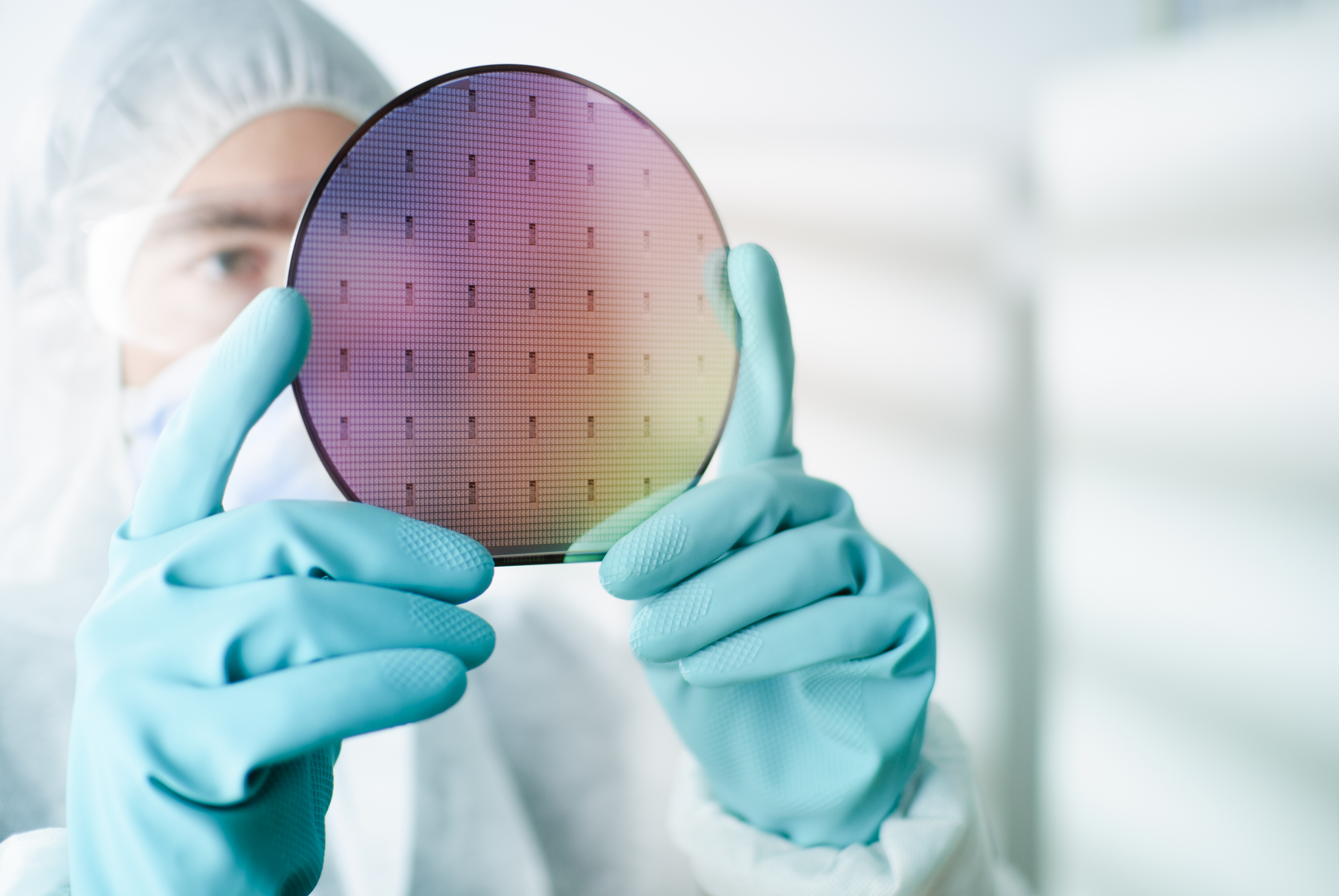
- Capital Expenditure Increase: TSMC anticipates its 2023 capital expenditures will reach the high end of its guidance, between $52 billion and $56 billion, having already spent $11.1 billion in Q1, indicating strong demand particularly from HPC and AI applications, reflecting a proactive investment strategy.
- Sustained Demand Growth: CEO C.C. Wei noted that despite tight supply, demand continues to rise, and the company is working diligently to expedite equipment procurement to meet market needs, which will further solidify its leadership position in the semiconductor industry.
- Competitors Underperforming: Despite TSMC's robust capital spending plans, stocks of competitors like ASML, Applied Materials, Lam Research, and KLA have all declined, reflecting a lack of confidence in the semiconductor equipment manufacturing sector, which could impact the industry's outlook.
- Uncertain Industry Outlook: Although TSMC's earnings exceeded expectations, the overall decline in semiconductor equipment stocks suggests market uncertainty regarding future demand, potentially affecting investor confidence in the sector.
See More

ASML Valuation Anomaly Amid Market Dynamics
- Valuation Anomaly: ASML's relative pricing against US peers has fallen to its lowest level in a decade, currently trading at a forward P/E of 37 times, representing a 17% premium over Applied Materials, indicating a market reassessment of its valuation.
- Market Dynamics Shift: ASML is now priced at about a 5% discount to Lam Research for the first time in 14 years, despite its unique supply position in extreme ultraviolet lithography systems, reflecting cautious market sentiment regarding its future growth.
- Analyst Insights: JPMorgan analyst Sandeep Deshpande highlighted that ASML's valuation may be misaligned with its structural advantages, as the stock has risen 36% year-to-date but lags behind peers like Applied Materials and Lam Research, which have gained over 50%, suggesting that relative underperformance may be driving valuation compression.
- Mixed Market Reaction: Despite ASML raising its full-year sales guidance, the stock declined 4.2% on Wednesday, reflecting concerns over high expectations, while a 2.0% rebound on Thursday suggests that long-term AI-driven demand remains intact, but short-term performance may depend on the relationship between earnings growth and current valuation levels.
See More
TSMC and ASML Report Strong Earnings but Stocks Decline
- Record Profits for TSMC: TSMC reported a 58% year-over-year profit increase in Q1, reaching a new high, indicating robust demand for AI chips; however, its stock fell about 2%, reflecting market caution regarding future expectations.
- Rising Revenue from High-Performance Computing: The high-performance computing segment accounted for 61% of TSMC's total revenue in Q1, up from 55% in the previous quarter, highlighting the company's strengthened position in the AI market, despite an 11% decline in smartphone revenue.
- ASML Delivery Expectations: ASML anticipates delivering 80 low numerical aperture EUV machines in 2027, a figure that fell short of market expectations for 90 units, leading to a 3% drop in stock price following the earnings report.
- Increased Capital Expenditure Plans: TSMC expects capital expenditures to reach $52-$56 billion in 2026, significantly up from $40.5 billion in 2025, demonstrating the company's commitment to expanding advanced chip manufacturing capacity, although the market remains cautious about achieving its targeted 30% annual growth.
See More

TSMC and ASML Report Strong Earnings but Stocks Decline
- Strong TSMC Performance: TSMC reported a 58% year-over-year profit increase in Q1, reaching a record level driven by robust demand for AI chips, yet its stock fell about 2%, indicating market concerns over high expectations.
- Revenue Structure Shift: The high-performance computing segment accounted for 61% of TSMC's overall revenue in Q1, up from 55% in the previous quarter, despite an 11% decline in smartphone revenue, highlighting market demand diversity and challenges.
- Cautious ASML Outlook: ASML raised its forward guidance and reported strong Q1 results, but its stock declined due to concerns over shrinking sales to China, reflecting investor caution regarding future growth prospects.
- Capital Expenditure Plans: TSMC expects capital expenditures to reach $52-$56 billion in 2026, significantly up from $40.5 billion in 2025, indicating the company's commitment to expanding advanced chip manufacturing capabilities, but also raising concerns about its ability to scale capacity quickly.
See More
ASML Q1 Earnings Exceed Expectations
- Earnings Beat: ASML reported a Q1 GAAP EPS of €7.15, surpassing expectations by €0.54, indicating strong performance in the semiconductor equipment market and reinforcing its industry leadership.
- Significant Revenue Growth: The company achieved revenue of €8.77 billion, a 13.3% year-over-year increase, exceeding market expectations by €110 million, reflecting sustained demand for advanced lithography machines that drove overall performance.
- Optimistic Future Outlook: ASML expects Q2 2026 total net sales between €8.4 billion and €9.0 billion, with a gross margin between 51% and 52%, showcasing confidence in future market conditions and ongoing growth potential.
- Increased Dividend: ASML intends to declare a total dividend of €7.50 per ordinary share for 2025, a 17% increase from 2024, which not only reflects enhanced profitability but also provides higher returns for shareholders, boosting investor confidence.
See More
US Stocks Dip Slightly as Chipmakers Weigh on Market
- Market Performance: The S&P 500 index fell by 0.15%, the Dow Jones Industrial Average decreased by 0.06%, and the Nasdaq 100 dropped by 0.21%, indicating a slight market pullback after reaching new highs, particularly pressured by weakness in chipmakers.
- Economic Data: Initial jobless claims in the US fell by 11,000 to 207,000, indicating a stronger labor market than the expected 213,000; additionally, the Philadelphia Fed business outlook unexpectedly rose by 8.6 to a 15-month high of 26.7, reflecting potential economic recovery.
- Oil Price Fluctuations: WTI crude oil prices increased by over 1% as the US naval blockade of the Strait of Hormuz enters its fourth day, which could exacerbate global oil and fuel shortages, impacting future energy market stability.
- Earnings Season: Q1 earnings for the S&P 500 are projected to rise by 12% year-over-year, but excluding the technology sector, the earnings growth is only 3%, the lowest in two years, indicating a cautious market outlook on profit growth.
See More
TSMC Raises Capital Expenditure Guidance to $56 Billion Amid Robust Demand
- Capital Expenditure Increase: TSMC anticipates its 2023 capital expenditures will reach the high end of its guidance, between $52 billion and $56 billion, having already spent $11.1 billion in Q1, indicating strong demand particularly from HPC and AI applications, reflecting a proactive investment strategy.
- Sustained Demand Growth: CEO C.C. Wei noted that despite tight supply, demand continues to rise, and the company is working diligently to expedite equipment procurement to meet market needs, which will further solidify its leadership position in the semiconductor industry.
- Competitors Underperforming: Despite TSMC's robust capital spending plans, stocks of competitors like ASML, Applied Materials, Lam Research, and KLA have all declined, reflecting a lack of confidence in the semiconductor equipment manufacturing sector, which could impact the industry's outlook.
- Uncertain Industry Outlook: Although TSMC's earnings exceeded expectations, the overall decline in semiconductor equipment stocks suggests market uncertainty regarding future demand, potentially affecting investor confidence in the sector.
See More
ASML Valuation Anomaly Amid Market Dynamics
- Valuation Anomaly: ASML's relative pricing against US peers has fallen to its lowest level in a decade, currently trading at a forward P/E of 37 times, representing a 17% premium over Applied Materials, indicating a market reassessment of its valuation.
- Market Dynamics Shift: ASML is now priced at about a 5% discount to Lam Research for the first time in 14 years, despite its unique supply position in extreme ultraviolet lithography systems, reflecting cautious market sentiment regarding its future growth.
- Analyst Insights: JPMorgan analyst Sandeep Deshpande highlighted that ASML's valuation may be misaligned with its structural advantages, as the stock has risen 36% year-to-date but lags behind peers like Applied Materials and Lam Research, which have gained over 50%, suggesting that relative underperformance may be driving valuation compression.
- Mixed Market Reaction: Despite ASML raising its full-year sales guidance, the stock declined 4.2% on Wednesday, reflecting concerns over high expectations, while a 2.0% rebound on Thursday suggests that long-term AI-driven demand remains intact, but short-term performance may depend on the relationship between earnings growth and current valuation levels.
See More
TSMC and ASML Report Strong Earnings but Stocks Decline
- Record Profits for TSMC: TSMC reported a 58% year-over-year profit increase in Q1, reaching a new high, indicating robust demand for AI chips; however, its stock fell about 2%, reflecting market caution regarding future expectations.
- Rising Revenue from High-Performance Computing: The high-performance computing segment accounted for 61% of TSMC's total revenue in Q1, up from 55% in the previous quarter, highlighting the company's strengthened position in the AI market, despite an 11% decline in smartphone revenue.
- ASML Delivery Expectations: ASML anticipates delivering 80 low numerical aperture EUV machines in 2027, a figure that fell short of market expectations for 90 units, leading to a 3% drop in stock price following the earnings report.
- Increased Capital Expenditure Plans: TSMC expects capital expenditures to reach $52-$56 billion in 2026, significantly up from $40.5 billion in 2025, demonstrating the company's commitment to expanding advanced chip manufacturing capacity, although the market remains cautious about achieving its targeted 30% annual growth.
See More
TSMC and ASML Report Strong Earnings but Stocks Decline
- Strong TSMC Performance: TSMC reported a 58% year-over-year profit increase in Q1, reaching a record level driven by robust demand for AI chips, yet its stock fell about 2%, indicating market concerns over high expectations.
- Revenue Structure Shift: The high-performance computing segment accounted for 61% of TSMC's overall revenue in Q1, up from 55% in the previous quarter, despite an 11% decline in smartphone revenue, highlighting market demand diversity and challenges.
- Cautious ASML Outlook: ASML raised its forward guidance and reported strong Q1 results, but its stock declined due to concerns over shrinking sales to China, reflecting investor caution regarding future growth prospects.
- Capital Expenditure Plans: TSMC expects capital expenditures to reach $52-$56 billion in 2026, significantly up from $40.5 billion in 2025, indicating the company's commitment to expanding advanced chip manufacturing capabilities, but also raising concerns about its ability to scale capacity quickly.
See More