U.S. Private Credit Firm Stocks Decline Following Apollo and Ares' Restrictions on Fund Withdrawals

Private Credit Firms' Decline: U.S. private credit firms are experiencing a downturn following the collapse of Apollo and Ares, which have limited their private credit fund withdrawals.
Impact on the Market: The fallout from these events is causing broader implications for the private credit market, affecting investor confidence and fund performance.
Trade with 70% Backtested Accuracy
Analyst Views on APO

About APO
About the author


Mortgage Stocks Surge 30% After Ackman's Remarks
- Mortgage Stocks Rally: Shares of Fannie Mae and Freddie Mac surged over 30% on Monday after billionaire Bill Ackman labeled them as 'stupidly cheap' in a social media post, indicating strong market confidence in their future potential.
- Boston Scientific Downgrade: Boston Scientific's stock fell more than 9% after Raymond James downgraded it from strong buy to outperform, reflecting concerns over weakening trends in its key growth areas and leading investors to adopt a cautious stance on its future performance.
- Cybersecurity Gains: Palo Alto Networks saw its shares jump over 7% after CEO Nikesh Arora disclosed a $10 million stock purchase, demonstrating market confidence in the company's growth prospects amid rising demand for cybersecurity solutions.
- United Therapeutics Innovation: United Therapeutics' stock rose nearly 13%, reaching a 52-week high, following positive phase 3 clinical trial results for its main product Tyvaso, and its plan to seek priority FDA review to expand the drug's label, showcasing strategic advancements in lung disease treatment.

Concerns Over Private Credit Market Risks Emerge


- Market Growth: According to Barclays, the private credit market ballooned to $1.8 trillion in the first half of 2025, up from approximately $250 billion during the financial crisis, indicating strong demand for financing among mid-sized businesses.
- High-Risk Alerts: The bankruptcies of First Brands and Tricolor prompted JPMorgan CEO Jamie Dimon to warn of potential systemic issues in private credit, highlighting vulnerabilities within the sector.
- Investor Structure Shift: Unlike the depositors during the 2008 crisis, the current investor base for private credit consists mainly of institutional investors such as pensions and sovereign wealth funds, which are more capable of locking up capital for extended periods, thereby reducing systemic risk.
- Normalizing Credit Conditions: While the private credit market faces increased stress, the majority of investments are in investment-grade loans, with only a small portion in high-yield loans, suggesting that the overall stability of the market remains relatively strong.
Multiple Companies Face Class Action Lawsuits

- Lakeland Industries Lawsuit: Lakeland Industries faces a class action lawsuit for the period from December 2023 to December 2025, alleging failure to disclose significant issues with its Pacific Helmets and Jolly businesses, including production delays and slow product rollouts, which may mislead investors about the company's financial health and impact its stock price.
- Navan, Inc. Lawsuit: Navan is under a class action lawsuit for the period from October 2025 to February 2026, accused of failing to disclose a 39% increase in sales and marketing expenses, which could lead investors to have incorrect expectations regarding its revenue and growth potential, thereby affecting shareholder interests.
- Franklin BSP Realty Trust Lawsuit: Franklin BSP Realty Trust faces a class action lawsuit for the period from November 2024 to February 2026, with allegations of overstating its ability to maintain a $0.355 dividend, which could undermine investor confidence in the company's future and negatively affect its stock performance.
- Apollo Global Management Lawsuit: Apollo Global Management is involved in a class action lawsuit for the period from May 2021 to February 2026, accused of failing to disclose connections between its executives and Jeffrey Epstein, which could severely damage the company's reputation and impact investor trust and stock prices.
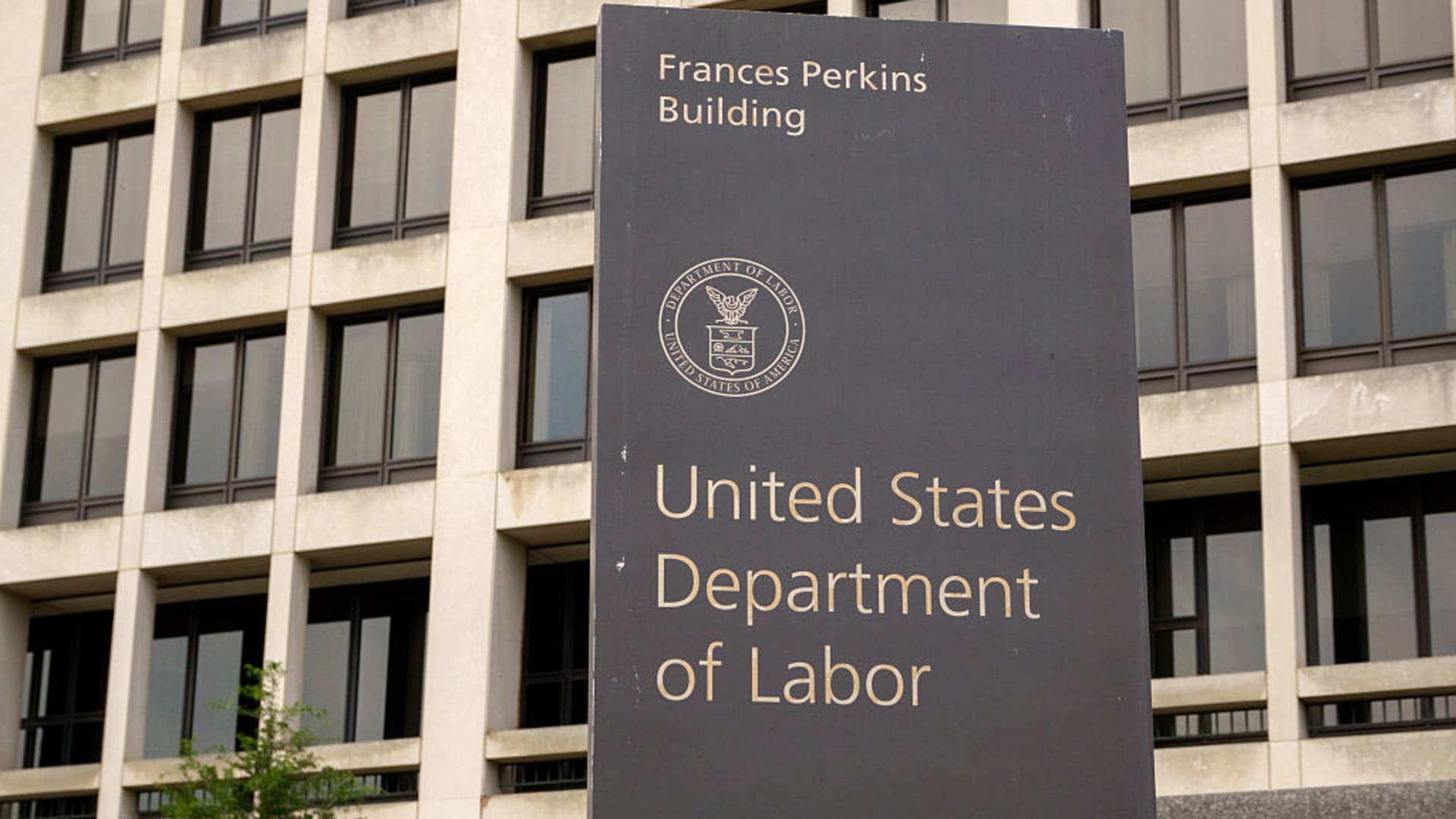
Labor Department Proposes Easing 401(k) Alternative Asset Rules

- Proposed Regulation: The U.S. Labor Department has proposed allowing 401(k) plans to more easily include alternative assets such as cryptocurrencies and real estate, responding to President Trump's executive order aimed at enhancing asset diversification for retirement investors, potentially leading to higher returns.
- Safe Harbor Provision: The new rule establishes a 'safe harbor' to protect plan sponsors from litigation risks and outlines six factors to consider when selecting alternative investments, including performance, fees, and liquidity, which may encourage more 401(k) plans to adopt alternative assets.
- Investor Concerns: While the new rule could yield higher returns, some financial advisors express concerns that average 401(k) investors may lack the necessary knowledge and experience to manage these more complex investments, potentially leading to increased risks and costs.
- Policy Context: This proposal is set against the backdrop of the Trump administration's push for broader access to non-traditional asset classes, aiming to counter the cautious stance taken during the Biden administration regarding cryptocurrency investments, reflecting a shift towards greater flexibility and choice for retirement investors.

RPT-BUZZ-US STOCKS WEEKLY: FLUCTUATING TRENDS

Market Volatility: The U.S. stock market is experiencing significant volatility, impacting investor sentiment and trading strategies.
Investment Strategies: Investors are advised to adopt cautious and diversified approaches to navigate the current market conditions effectively.

Apollo Global Considers Second U.S. Headquarters in Florida or Texas
- Headquarters Expansion: Apollo Global Management is considering establishing a second U.S. headquarters in South Florida or Texas, a move aimed at supporting the firm's long-term growth strategy and reflecting a trend of financial firms expanding into lower-cost regions.
- Talent Acquisition Advantage: The decision is tied to accessing a wider talent pool, which will help the company expand beyond traditional financial hubs, further enhancing its position in the competitive financial market.
- Industry Migration Trend: Since 2020, hundreds of investment firms managing trillions of dollars have relocated their headquarters across state lines, with Texas and Florida emerging as major destinations attracting renowned financial institutions like Fidelity Investments, Vanguard Group, and Goldman Sachs.
- Market Environment Shift: The influx of corporate activity and wealth, combined with business-friendly policies and lower taxes, is drawing more investment firms to the Sun Belt, marking a significant reshaping of the U.S. financial landscape.
Mortgage Stocks Surge 30% After Ackman's Remarks
- Mortgage Stocks Rally: Shares of Fannie Mae and Freddie Mac surged over 30% on Monday after billionaire Bill Ackman labeled them as 'stupidly cheap' in a social media post, indicating strong market confidence in their future potential.
- Boston Scientific Downgrade: Boston Scientific's stock fell more than 9% after Raymond James downgraded it from strong buy to outperform, reflecting concerns over weakening trends in its key growth areas and leading investors to adopt a cautious stance on its future performance.
- Cybersecurity Gains: Palo Alto Networks saw its shares jump over 7% after CEO Nikesh Arora disclosed a $10 million stock purchase, demonstrating market confidence in the company's growth prospects amid rising demand for cybersecurity solutions.
- United Therapeutics Innovation: United Therapeutics' stock rose nearly 13%, reaching a 52-week high, following positive phase 3 clinical trial results for its main product Tyvaso, and its plan to seek priority FDA review to expand the drug's label, showcasing strategic advancements in lung disease treatment.
Concerns Over Private Credit Market Risks Emerge
- Market Growth: According to Barclays, the private credit market ballooned to $1.8 trillion in the first half of 2025, up from approximately $250 billion during the financial crisis, indicating strong demand for financing among mid-sized businesses.
- High-Risk Alerts: The bankruptcies of First Brands and Tricolor prompted JPMorgan CEO Jamie Dimon to warn of potential systemic issues in private credit, highlighting vulnerabilities within the sector.
- Investor Structure Shift: Unlike the depositors during the 2008 crisis, the current investor base for private credit consists mainly of institutional investors such as pensions and sovereign wealth funds, which are more capable of locking up capital for extended periods, thereby reducing systemic risk.
- Normalizing Credit Conditions: While the private credit market faces increased stress, the majority of investments are in investment-grade loans, with only a small portion in high-yield loans, suggesting that the overall stability of the market remains relatively strong.
Multiple Companies Face Class Action Lawsuits
- Lakeland Industries Lawsuit: Lakeland Industries faces a class action lawsuit for the period from December 2023 to December 2025, alleging failure to disclose significant issues with its Pacific Helmets and Jolly businesses, including production delays and slow product rollouts, which may mislead investors about the company's financial health and impact its stock price.
- Navan, Inc. Lawsuit: Navan is under a class action lawsuit for the period from October 2025 to February 2026, accused of failing to disclose a 39% increase in sales and marketing expenses, which could lead investors to have incorrect expectations regarding its revenue and growth potential, thereby affecting shareholder interests.
- Franklin BSP Realty Trust Lawsuit: Franklin BSP Realty Trust faces a class action lawsuit for the period from November 2024 to February 2026, with allegations of overstating its ability to maintain a $0.355 dividend, which could undermine investor confidence in the company's future and negatively affect its stock performance.
- Apollo Global Management Lawsuit: Apollo Global Management is involved in a class action lawsuit for the period from May 2021 to February 2026, accused of failing to disclose connections between its executives and Jeffrey Epstein, which could severely damage the company's reputation and impact investor trust and stock prices.
Labor Department Proposes Easing 401(k) Alternative Asset Rules
- Proposed Regulation: The U.S. Labor Department has proposed allowing 401(k) plans to more easily include alternative assets such as cryptocurrencies and real estate, responding to President Trump's executive order aimed at enhancing asset diversification for retirement investors, potentially leading to higher returns.
- Safe Harbor Provision: The new rule establishes a 'safe harbor' to protect plan sponsors from litigation risks and outlines six factors to consider when selecting alternative investments, including performance, fees, and liquidity, which may encourage more 401(k) plans to adopt alternative assets.
- Investor Concerns: While the new rule could yield higher returns, some financial advisors express concerns that average 401(k) investors may lack the necessary knowledge and experience to manage these more complex investments, potentially leading to increased risks and costs.
- Policy Context: This proposal is set against the backdrop of the Trump administration's push for broader access to non-traditional asset classes, aiming to counter the cautious stance taken during the Biden administration regarding cryptocurrency investments, reflecting a shift towards greater flexibility and choice for retirement investors.
RPT-BUZZ-US STOCKS WEEKLY: FLUCTUATING TRENDS
Market Volatility: The U.S. stock market is experiencing significant volatility, impacting investor sentiment and trading strategies.
Investment Strategies: Investors are advised to adopt cautious and diversified approaches to navigate the current market conditions effectively.
Apollo Global Considers Second U.S. Headquarters in Florida or Texas
- Headquarters Expansion: Apollo Global Management is considering establishing a second U.S. headquarters in South Florida or Texas, a move aimed at supporting the firm's long-term growth strategy and reflecting a trend of financial firms expanding into lower-cost regions.
- Talent Acquisition Advantage: The decision is tied to accessing a wider talent pool, which will help the company expand beyond traditional financial hubs, further enhancing its position in the competitive financial market.
- Industry Migration Trend: Since 2020, hundreds of investment firms managing trillions of dollars have relocated their headquarters across state lines, with Texas and Florida emerging as major destinations attracting renowned financial institutions like Fidelity Investments, Vanguard Group, and Goldman Sachs.
- Market Environment Shift: The influx of corporate activity and wealth, combined with business-friendly policies and lower taxes, is drawing more investment firms to the Sun Belt, marking a significant reshaping of the U.S. financial landscape.