Analysis of Constellation Brands Trading Strategy
Written by Emily J. Thompson, Senior Investment Analyst
Updated: May 19 2026
0mins
Source: CNBC
- Technical Indicator Analysis: Constellation Brands (STZ) has experienced a 17% decline over the past 23 days, pushing its Relative Strength Index (RSI) near oversold territory, but it has since rebounded sharply, setting up a high-probability mean reversion trade opportunity.
- MACD Signal Confirmation: The faster 5, 13, 5 MACD indicator generated a clear bullish crossover on May 15, adding critical confirmation to the current trade setup, indicating a potential shift in market sentiment.
- Trend Change Indicators: The Directional Movement Index (DMI) shows a weakening of seller strength and a strengthening of buyer momentum, with signs of trend change observed on May 13, providing initial evidence of a structural trend reversal.
- Trade Setup Details: With STZ currently priced around 147, a 145-150 bull call spread is recommended, risking $1,000 for a potential $1,000 profit, expected to be realized within 25 days, reflecting the feasibility of a market rebound.
Trade with 70% Backtested Accuracy
Stop guessing "Should I Buy STZ?" and start using high-conviction signals backed by rigorous historical data.
Sign up today to access powerful investing tools and make smarter, data-driven decisions.
Analyst Views on STZ
Wall Street analysts forecast STZ stock price to rise
15 Analyst Rating
7 Buy
7 Hold
1 Sell
Moderate Buy
Current: 138.960

Low
135.00
Averages
163.00
High
209.00
Current: 138.960
Low
135.00
Averages
163.00
High
209.00
About STZ
Constellation Brands, Inc. is a producer and marketer of beer, wine, and spirits with operations in the United States, Mexico, New Zealand, and Italy with brands, such as Corona Extra, Modelo Especial, Robert Mondavi Winery, Kim Crawford, The Prisoner Wine Company, High West, Casa Noble, and Mi CAMPO. Its segments include Beer, Wine and Spirits, and Corporate Operations and Other. In the Beer segment, its portfolio consists of high-end imported beer brands and ABAs. It has a perpetual brand license to produce its Mexican beer portfolio and to import, market, and sell such a portfolio in the United States. In the Wine and Spirits segment, it sells a portfolio that includes higher-end wine brands complemented by certain higher-end spirits brands. Its Corporate Operations and Other segment consists of costs of corporate development, corporate finance, corporate strategy, executive management, growth, human resources, internal audit, investor relations, IT, legal and public relations.
About the author

Emily J. Thompson
Emily J. Thompson, a Chartered Financial Analyst (CFA) with 12 years in investment research, graduated with honors from the Wharton School. Specializing in industrial and technology stocks, she provides in-depth analysis for Intellectia’s earnings and market brief reports.
U.S. Consumer Sentiment Rises Amid Energy Price Easing


- Consumer Sentiment Improvement: The University of Michigan's preliminary consumer sentiment index rose to 48.9 in June from a record low of 44.8 in May, indicating cautious optimism among consumers despite being the second-lowest level since the 1970s, reflecting lingering economic concerns.
- Energy Price Impact: A significant drop in oil prices, with U.S. crude down 3.4% to $84.76 per barrel, driven by optimism over a potential U.S.-Iran deal, served as a primary catalyst for the sentiment increase, particularly benefiting middle and lower-income households who are more sensitive to fuel costs.
- Strong Retail Spending: The rise in consumer morale aligns with data showing U.S. retail sales increased in May, driven by e-commerce growth, suggesting that household demand remains robust despite high borrowing costs and uneven inflation, as reported by the National Retail Federation.
- Divergent Stock Performance: Consumer staples stocks like Tyson Foods and Philip Morris saw slight gains, while consumer discretionary stocks faced pressure, with the Consumer Staples Select Sector SPDR Fund (XLP) rising about 0.1% and the consumer discretionary ETF (XLY) slipping 0.7%, indicating varying market confidence across sectors.
See More
Eli Manning Discusses Athletes' Political Stances


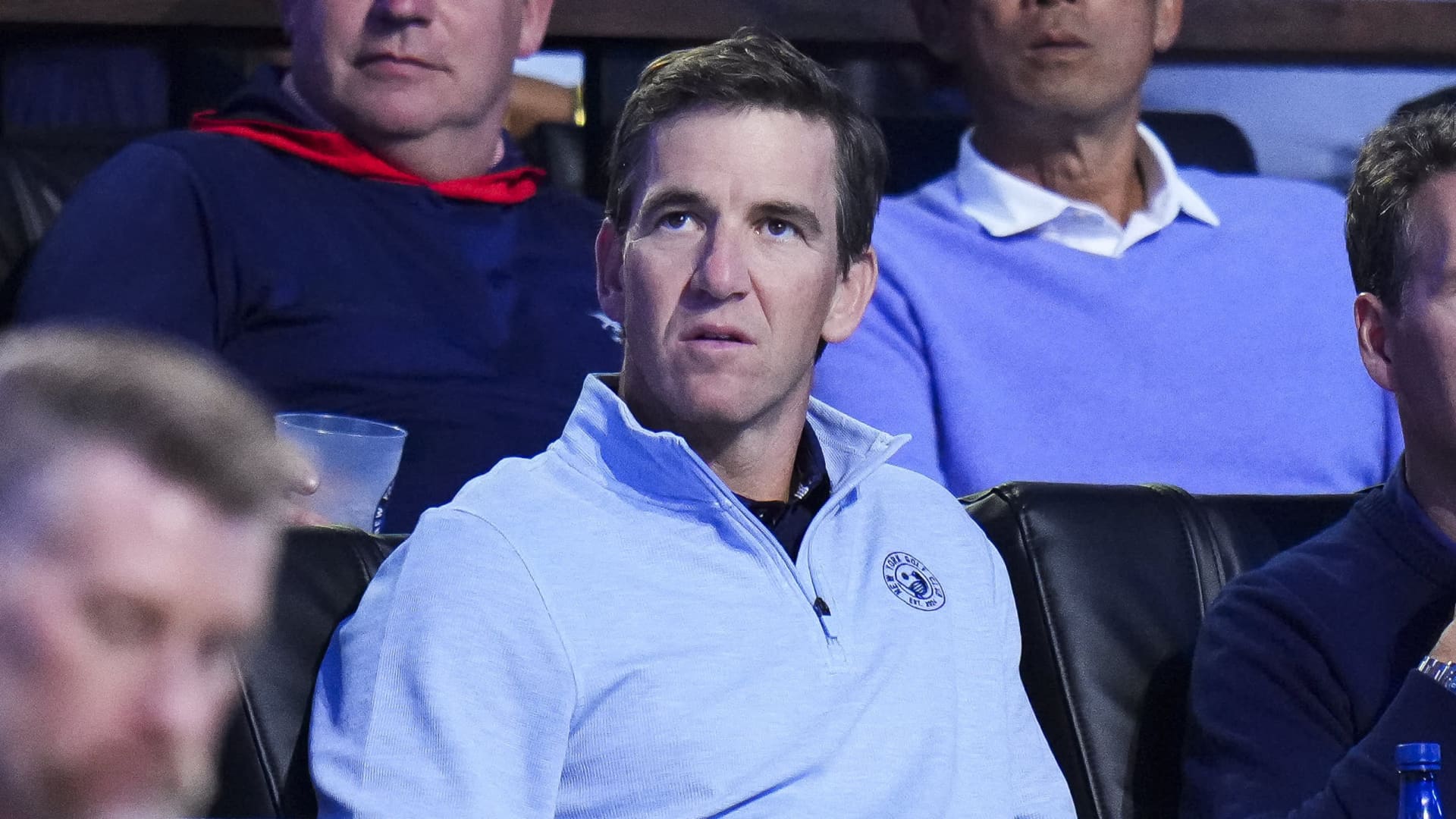
- Athlete Political Expression: Eli Manning supports athletes expressing political views but warns they must be prepared for criticism, especially after Jaxson Dart faced backlash for supporting Trump, highlighting the vulnerability of athletes on political issues.
- Social Media Reaction: Following his public support for Trump, Jaxson Dart disabled comments on his Instagram due to overwhelming negative feedback, reflecting the pressure and impact athletes face on social media.
- Team Cohesion: Manning hopes political differences can foster dialogue among teammates rather than create division, emphasizing that despite differing beliefs, athletes must unite and collaborate to achieve high-level performance.
- Personal Choice and Brand Impact: Manning chose not to publicly address politics during his career, a decision that helped him and his brother Peyton become pitchmen for several high-profile brands, indicating the complex balance athletes must maintain between business and politics.
See More
2026 FIFA World Cup to Boost Key Sectors and Stocks

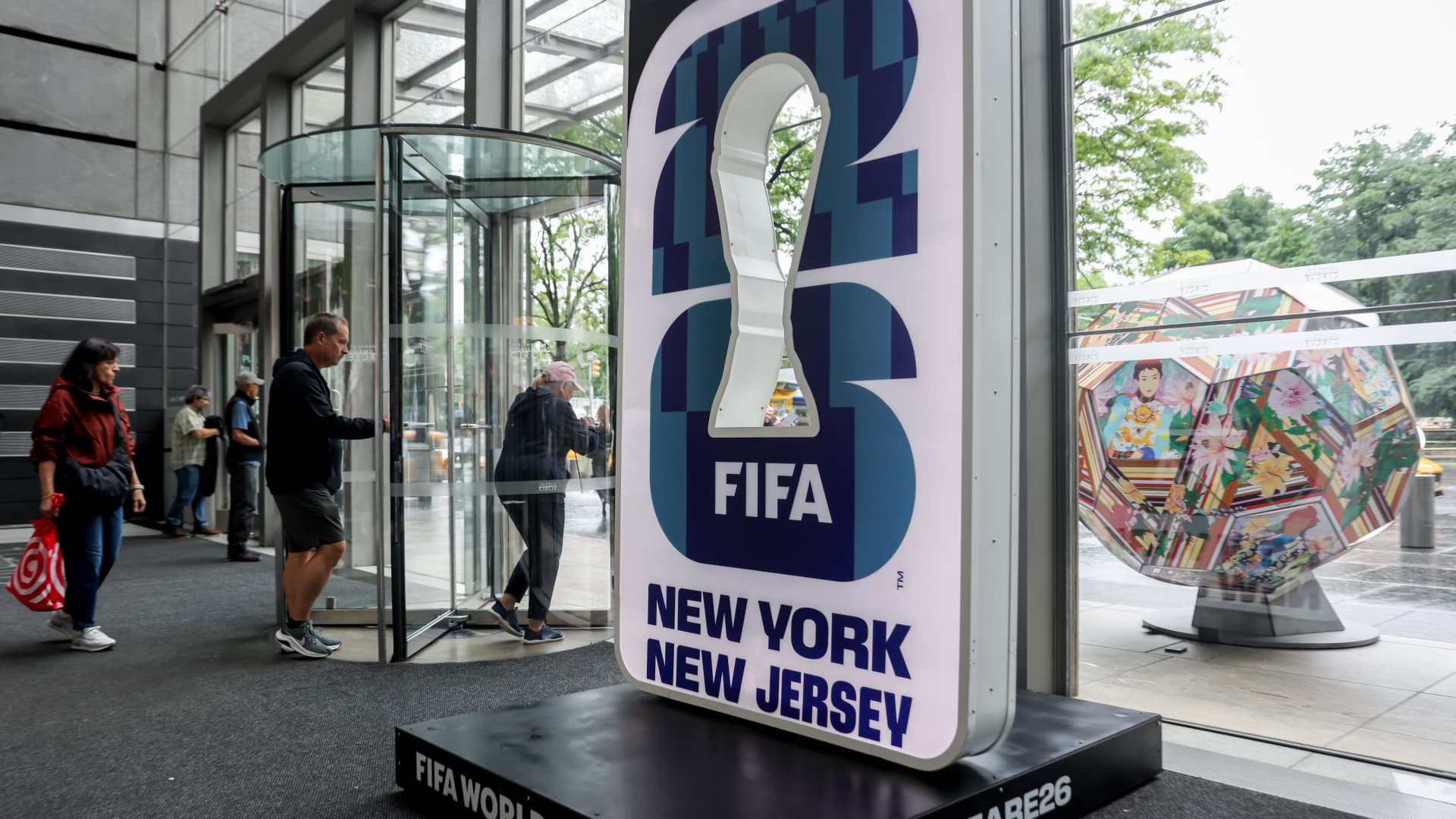
- Sector Benefit Analysis: Deutsche Bank analysts noted that the 2026 FIFA World Cup will provide a temporary boost to sectors such as leisure, dining, media, tech, and gaming, particularly benefiting U.S. restaurant brands like Sweetgreen, Shake Shack, and The Cheesecake Factory due to their proximity to host cities.
- Advertising Revenue Expectations: The tournament is expected to generate the highest advertising revenue in U.S. history, with the number of participating teams increasing from 32 to 48, benefiting major players like Fox and Comcast's Telemundo, thereby driving growth in the media sector.
- Consumer Goods Market Outlook: Goldman Sachs forecasts that European and U.S. consumer staples, retail, lodging, and airlines will benefit from the influx of spectators traveling to the games, with beer companies such as AB InBev, Constellation Brands, and Molson Coors rated as
See More

Constellation Brands to Report Q1 Financial Results on June 30, 2026
- Earnings Release Schedule: Constellation Brands will report its financial results for the first quarter ended May 31, 2026, on June 30, 2026, after U.S. market close, ensuring timely access to financial data through its investor relations website.
- Conference Call Details: A conference call will be held on July 1, 2026, at 8:00 a.m. ET, where analysts will discuss financial results and strategic initiatives with CEO Nicholas Fink and CFO Garth Hankinson, enhancing transparency and investor engagement.
- Webcast Availability: The conference call will be accessible via a live webcast on the company's investor relations website, allowing those unable to join the call to still receive key information, thereby improving information accessibility for stakeholders.
- Company Background: Constellation Brands is a leading international producer and marketer of alcoholic beverages, committed to sustainability and social responsibility, driving brand value and market growth, showcasing its strong growth potential in the fast-moving consumer goods sector.
See More
Analysis of Berkshire Hathaway's Q1 Performance Under Greg Abel


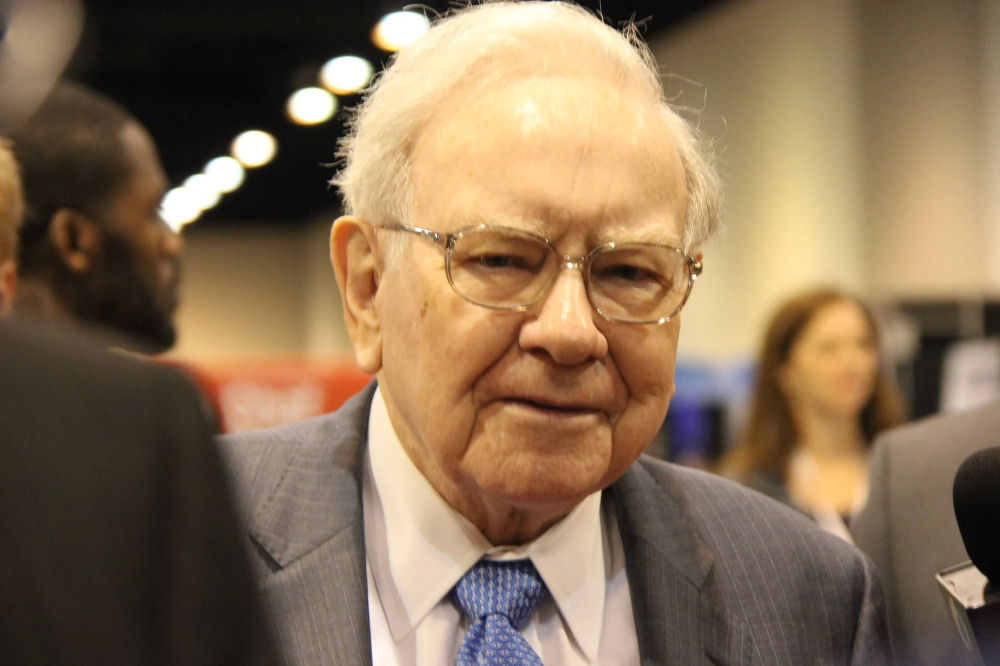
- Small Position Cleanup: In Q1, Abel eliminated 16 small positions, including Visa and Amazon, none of which accounted for more than 1% of Berkshire's total portfolio, aiming to enhance focus and efficiency in the investment strategy to improve long-term performance.
- Decisive Exit from Losers: Berkshire sold off underperforming stocks like Pool Corp. and Domino's Pizza in Q1, which may have locked in losses, but Abel believes that timely exits are necessary to prevent dragging down overall investment performance amid uncertainty.
- Investment in Special Situations: Abel initiated new stakes in Delta Air Lines and Macy's during Q1, both facing systemic challenges, indicating a strategic willingness to invest in potentially undervalued companies that could yield returns in the future despite current difficulties.
- Increased Cash Reserves: As of the end of March, Berkshire's cash reserves reached $397 billion, suggesting that Abel may be waiting for more attractive investment opportunities while potentially shifting towards wholly-owned cash-generating businesses to reduce reliance on volatile stocks.
See More

Greg Abel's Strategic Shift at Berkshire Hathaway
- Portfolio Adjustment: New CEO Greg Abel reduced investments in long-held positions like Visa and Mastercard in Q1, indicating a shift away from smaller stakes, which may enhance the overall quality and return potential of the portfolio.
- Increased Cash Reserves: As of the end of March, Berkshire Hathaway's cash reserves reached a record $397 billion, reflecting the company's strategy to wait for more attractive investment opportunities in an overvalued stock market.
- New Investment Direction: Abel initiated new stakes in Delta Air Lines and Macy's during Q1, signaling a willingness to take on higher risks for potential returns despite the systemic challenges these companies face, which may alter the company's investment style.
- Long-Term Strategic Thinking: Abel's decisions suggest that Berkshire may gradually reduce reliance on volatile stocks and shift towards more controllable cash-generating businesses, potentially providing shareholders with more stable returns.
See More
U.S. Consumer Sentiment Rises Amid Energy Price Easing
- Consumer Sentiment Improvement: The University of Michigan's preliminary consumer sentiment index rose to 48.9 in June from a record low of 44.8 in May, indicating cautious optimism among consumers despite being the second-lowest level since the 1970s, reflecting lingering economic concerns.
- Energy Price Impact: A significant drop in oil prices, with U.S. crude down 3.4% to $84.76 per barrel, driven by optimism over a potential U.S.-Iran deal, served as a primary catalyst for the sentiment increase, particularly benefiting middle and lower-income households who are more sensitive to fuel costs.
- Strong Retail Spending: The rise in consumer morale aligns with data showing U.S. retail sales increased in May, driven by e-commerce growth, suggesting that household demand remains robust despite high borrowing costs and uneven inflation, as reported by the National Retail Federation.
- Divergent Stock Performance: Consumer staples stocks like Tyson Foods and Philip Morris saw slight gains, while consumer discretionary stocks faced pressure, with the Consumer Staples Select Sector SPDR Fund (XLP) rising about 0.1% and the consumer discretionary ETF (XLY) slipping 0.7%, indicating varying market confidence across sectors.
See More
Eli Manning Discusses Athletes' Political Stances
- Athlete Political Expression: Eli Manning supports athletes expressing political views but warns they must be prepared for criticism, especially after Jaxson Dart faced backlash for supporting Trump, highlighting the vulnerability of athletes on political issues.
- Social Media Reaction: Following his public support for Trump, Jaxson Dart disabled comments on his Instagram due to overwhelming negative feedback, reflecting the pressure and impact athletes face on social media.
- Team Cohesion: Manning hopes political differences can foster dialogue among teammates rather than create division, emphasizing that despite differing beliefs, athletes must unite and collaborate to achieve high-level performance.
- Personal Choice and Brand Impact: Manning chose not to publicly address politics during his career, a decision that helped him and his brother Peyton become pitchmen for several high-profile brands, indicating the complex balance athletes must maintain between business and politics.
See More
2026 FIFA World Cup to Boost Key Sectors and Stocks
- Sector Benefit Analysis: Deutsche Bank analysts noted that the 2026 FIFA World Cup will provide a temporary boost to sectors such as leisure, dining, media, tech, and gaming, particularly benefiting U.S. restaurant brands like Sweetgreen, Shake Shack, and The Cheesecake Factory due to their proximity to host cities.
- Advertising Revenue Expectations: The tournament is expected to generate the highest advertising revenue in U.S. history, with the number of participating teams increasing from 32 to 48, benefiting major players like Fox and Comcast's Telemundo, thereby driving growth in the media sector.
- Consumer Goods Market Outlook: Goldman Sachs forecasts that European and U.S. consumer staples, retail, lodging, and airlines will benefit from the influx of spectators traveling to the games, with beer companies such as AB InBev, Constellation Brands, and Molson Coors rated as
See More
Constellation Brands to Report Q1 Financial Results on June 30, 2026
- Earnings Release Schedule: Constellation Brands will report its financial results for the first quarter ended May 31, 2026, on June 30, 2026, after U.S. market close, ensuring timely access to financial data through its investor relations website.
- Conference Call Details: A conference call will be held on July 1, 2026, at 8:00 a.m. ET, where analysts will discuss financial results and strategic initiatives with CEO Nicholas Fink and CFO Garth Hankinson, enhancing transparency and investor engagement.
- Webcast Availability: The conference call will be accessible via a live webcast on the company's investor relations website, allowing those unable to join the call to still receive key information, thereby improving information accessibility for stakeholders.
- Company Background: Constellation Brands is a leading international producer and marketer of alcoholic beverages, committed to sustainability and social responsibility, driving brand value and market growth, showcasing its strong growth potential in the fast-moving consumer goods sector.
See More
Analysis of Berkshire Hathaway's Q1 Performance Under Greg Abel
- Small Position Cleanup: In Q1, Abel eliminated 16 small positions, including Visa and Amazon, none of which accounted for more than 1% of Berkshire's total portfolio, aiming to enhance focus and efficiency in the investment strategy to improve long-term performance.
- Decisive Exit from Losers: Berkshire sold off underperforming stocks like Pool Corp. and Domino's Pizza in Q1, which may have locked in losses, but Abel believes that timely exits are necessary to prevent dragging down overall investment performance amid uncertainty.
- Investment in Special Situations: Abel initiated new stakes in Delta Air Lines and Macy's during Q1, both facing systemic challenges, indicating a strategic willingness to invest in potentially undervalued companies that could yield returns in the future despite current difficulties.
- Increased Cash Reserves: As of the end of March, Berkshire's cash reserves reached $397 billion, suggesting that Abel may be waiting for more attractive investment opportunities while potentially shifting towards wholly-owned cash-generating businesses to reduce reliance on volatile stocks.
See More
Greg Abel's Strategic Shift at Berkshire Hathaway
- Portfolio Adjustment: New CEO Greg Abel reduced investments in long-held positions like Visa and Mastercard in Q1, indicating a shift away from smaller stakes, which may enhance the overall quality and return potential of the portfolio.
- Increased Cash Reserves: As of the end of March, Berkshire Hathaway's cash reserves reached a record $397 billion, reflecting the company's strategy to wait for more attractive investment opportunities in an overvalued stock market.
- New Investment Direction: Abel initiated new stakes in Delta Air Lines and Macy's during Q1, signaling a willingness to take on higher risks for potential returns despite the systemic challenges these companies face, which may alter the company's investment style.
- Long-Term Strategic Thinking: Abel's decisions suggest that Berkshire may gradually reduce reliance on volatile stocks and shift towards more controllable cash-generating businesses, potentially providing shareholders with more stable returns.
See More