Analysis Indicates IVOV Could Reach $112

ETF Analysis: The Vanguard S&P Mid-Cap 400 Value ETF (IVOV) has an implied analyst target price of $111.72 per unit, indicating a potential upside of 13.89% from its current trading price of $98.10.
Notable Holdings: Key underlying holdings with significant upside potential include Acadia Healthcare Company Inc. (ACHC), CAVA Group Inc. (CAVA), and Concentrix Corp (CNXC), each showing expected increases in their stock prices based on analyst targets.
Analyst Target Comparisons: ACHC's average target is $31.00/share (45.54% upside), CAVA's is $95.93/share (39.95% upside), and CNXC's is $68.00/share (37.74% upside) compared to their recent trading prices.
Investor Considerations: Questions arise regarding the validity of these analyst targets and whether they reflect realistic expectations or are overly optimistic, suggesting the need for further investor research.
Trade with 70% Backtested Accuracy
Analyst Views on CAVA

About CAVA
About the author

Sweetgreen Stock Rises but Expansion Faces Challenges


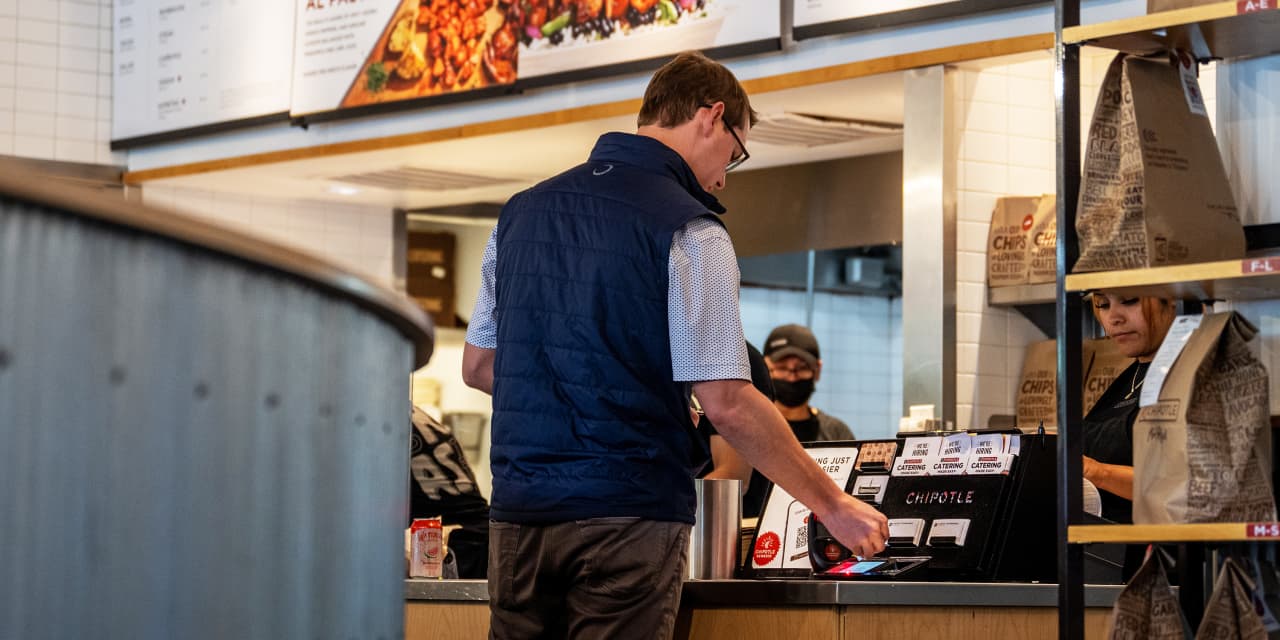
- Stock Surge: As of June 29, Sweetgreen's shares have surged 90.4% from a trough in late March, with trading volumes rising to 3.1 million, indicating market interest in its turnaround efforts, though analysts remain cautious.
- Expansion Challenges: Despite soaring sales in 2024 and nearing breakeven cash flow, Sweetgreen's restaurant count increased from 225 in 2024 to 285 in Q1 2026, while cash reserves dwindled from $245 million to $157 million, raising concerns about the sustainability of its expansion.
- New Product Trials: The introduction of wraps may attract consumers, but after a 12.8% year-over-year decline in same-store sales in Q1 2026, market acceptance of new products remains uncertain, especially compared to competitors like Cava and Chipotle.
- Intensifying Competition: Sweetgreen faces significant pressure from competitors such as Cava and Chipotle, particularly among price-sensitive consumers, making its wraps less competitive, leading analysts to advise against investing until the turnaround shows real traction.
Sweetgreen Stock Rises Over 90% Despite Deteriorating Fundamentals
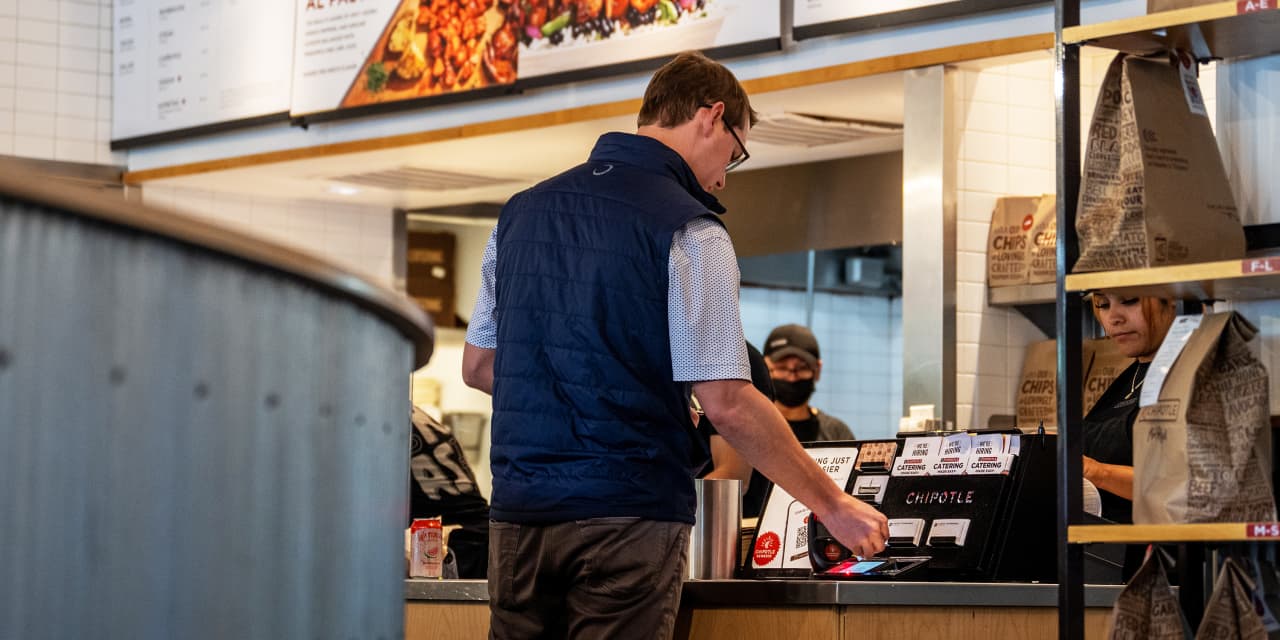
- Stock Surge: Sweetgreen's stock has surged 90.4% since late March, despite the company's fundamentals remaining unchanged, highlighting a significant disconnect between market optimism and actual operational performance.
- Rapid Expansion: The company expanded from 225 locations in mid-2024 to 285 by Q1 2026, yet cash reserves plummeted from $245 million to $157 million, indicating that its aggressive expansion strategy may be unsustainable.
- Intense Product Competition: Although new menu items like wraps have been introduced to attract consumers, Sweetgreen faces fierce competition from rivals such as Cava and Chipotle, particularly as same-store sales fell 12.8% year-over-year in Q1 2026.
- Investor Confidence Wanes: Despite the analyst team recommending ten other potential stocks, Sweetgreen was not included, reflecting skepticism about the company's ability to successfully execute its turnaround, especially given its history of failed product launches.

Comparing Long-Term Investment Potential of CAVA and Chipotle

- CAVA Growth Momentum: CAVA Group achieved $1.2 billion in revenue for FY 2025, reflecting a 22.4% increase driven by the opening of 439 restaurants across 28 states, with digital orders contributing 37.9% to revenue, enhancing its competitive edge in the market.
- Chipotle Profitability: Chipotle reported $11.9 billion in revenue for FY 2025, with a net income of $1.5 billion and a net margin of 12.9%, demonstrating stable profitability and a global expansion strategy that keeps it at the forefront of the industry despite slower growth.
- Risks and Challenges: CAVA faces intense competition from local restaurants and national brands, with food safety concerns potentially harming its brand reputation, while Chipotle's reliance on a limited supplier base exposes it to risks from raw material price fluctuations, which could impact future growth.
- Valuation Comparison: CAVA's forward P/E ratio stands at 150.6x, significantly higher than Chipotle's 29.4x, indicating a premium valuation; however, CAVA's robust revenue growth and market expansion potential make it a more attractive investment choice despite the higher valuation.
Comparing Investment Potential: CAVA vs Chipotle
- CAVA Growth Potential: CAVA Group achieved $1.2 billion in revenue for FY 2025, reflecting a 22.4% increase driven by new restaurant openings across 28 states and digital orders comprising 37.9% of revenue, showcasing its robust expansion in the fast-casual dining sector.
- Chipotle Market Leadership: Chipotle reported $11.9 billion in revenue for FY 2025 with a net income of $1.5 billion and a net margin of 12.9%, maintaining its industry dominance through consistent profitability and a global expansion strategy despite slower growth rates.
- Financial Health Comparison: CAVA's debt-to-equity ratio stands at 0.6 with a current ratio of 2.7, indicating strong short-term solvency, while Chipotle's higher debt-to-equity ratio of 3.5 and a current ratio of 1.2 suggest greater reliance on debt, potentially impacting future financial flexibility.
- Future Outlook: CAVA plans to open at least 75 new locations in 2026 with an expected same-store sales growth of 5% to 6%, while Chipotle's growth hinges on opening 350 new stores, indicating CAVA's stronger competitive growth potential in the market.

CAVA vs. Chipotle: A Competitive Analysis
- CAVA's Rapid Expansion: By the end of 2025, CAVA operates 439 restaurants across 28 states and Washington, D.C., with revenue reaching approximately $1.2 billion, reflecting a robust growth rate of 22.4%, indicating strong potential in the fast-casual dining market.
- Chipotle's Market Leadership: In FY 2025, Chipotle generated around $11.9 billion in revenue with a net income of nearly $1.5 billion and a net margin of approximately 12.9%, underscoring its solid position and profitability in the fast-casual sector.
- Financial Health Comparison: CAVA's debt-to-equity ratio stands at about 0.6 with a current ratio of 2.7, showcasing a conservative borrowing strategy and strong short-term liquidity, while Chipotle's debt-to-equity ratio is 2.2 with a current ratio of 1.2, indicating financial risks amid expansion.
- Future Growth Outlook: While Chipotle faces challenges with stagnant sales, CAVA continues to open new locations and increase sales, with management recently raising its full-year outlook, demonstrating its competitive strength and growth potential in the market.

Comparing Growth Potential: CAVA vs. Chipotle
- CAVA's Rapid Expansion: By the end of 2025, CAVA operated 439 restaurants across 28 states and Washington, D.C., with an annual revenue of approximately $1.2 billion, reflecting a robust growth rate of 22.4%, indicating strong potential in the fast-casual dining sector.
- Chipotle's Market Leadership: Chipotle operated over 4,056 restaurants by the end of 2025, generating around $11.9 billion in revenue and nearly $1.5 billion in net income, achieving a net margin of 12.9%, showcasing its solid position in the Mexican-inspired fast-casual segment.
- Financial Health Comparison: CAVA's debt-to-equity ratio stands at 0.6 with a current ratio of 2.7, indicating a conservative borrowing strategy; in contrast, Chipotle's debt-to-equity ratio is 2.2 with a current ratio of 1.2, suggesting sufficient short-term assets but higher leverage.
- Competition and Risks: CAVA faces intense competition from local restaurants like Sweetgreen, with digital orders accounting for 38% of its revenue; similarly, Chipotle must manage food safety risks and supply chain disruptions, particularly concerning key ingredients like avocados and beef.
Sweetgreen Stock Rises but Expansion Faces Challenges
- Stock Surge: As of June 29, Sweetgreen's shares have surged 90.4% from a trough in late March, with trading volumes rising to 3.1 million, indicating market interest in its turnaround efforts, though analysts remain cautious.
- Expansion Challenges: Despite soaring sales in 2024 and nearing breakeven cash flow, Sweetgreen's restaurant count increased from 225 in 2024 to 285 in Q1 2026, while cash reserves dwindled from $245 million to $157 million, raising concerns about the sustainability of its expansion.
- New Product Trials: The introduction of wraps may attract consumers, but after a 12.8% year-over-year decline in same-store sales in Q1 2026, market acceptance of new products remains uncertain, especially compared to competitors like Cava and Chipotle.
- Intensifying Competition: Sweetgreen faces significant pressure from competitors such as Cava and Chipotle, particularly among price-sensitive consumers, making its wraps less competitive, leading analysts to advise against investing until the turnaround shows real traction.
Sweetgreen Stock Rises Over 90% Despite Deteriorating Fundamentals
- Stock Surge: Sweetgreen's stock has surged 90.4% since late March, despite the company's fundamentals remaining unchanged, highlighting a significant disconnect between market optimism and actual operational performance.
- Rapid Expansion: The company expanded from 225 locations in mid-2024 to 285 by Q1 2026, yet cash reserves plummeted from $245 million to $157 million, indicating that its aggressive expansion strategy may be unsustainable.
- Intense Product Competition: Although new menu items like wraps have been introduced to attract consumers, Sweetgreen faces fierce competition from rivals such as Cava and Chipotle, particularly as same-store sales fell 12.8% year-over-year in Q1 2026.
- Investor Confidence Wanes: Despite the analyst team recommending ten other potential stocks, Sweetgreen was not included, reflecting skepticism about the company's ability to successfully execute its turnaround, especially given its history of failed product launches.
Comparing Long-Term Investment Potential of CAVA and Chipotle
- CAVA Growth Momentum: CAVA Group achieved $1.2 billion in revenue for FY 2025, reflecting a 22.4% increase driven by the opening of 439 restaurants across 28 states, with digital orders contributing 37.9% to revenue, enhancing its competitive edge in the market.
- Chipotle Profitability: Chipotle reported $11.9 billion in revenue for FY 2025, with a net income of $1.5 billion and a net margin of 12.9%, demonstrating stable profitability and a global expansion strategy that keeps it at the forefront of the industry despite slower growth.
- Risks and Challenges: CAVA faces intense competition from local restaurants and national brands, with food safety concerns potentially harming its brand reputation, while Chipotle's reliance on a limited supplier base exposes it to risks from raw material price fluctuations, which could impact future growth.
- Valuation Comparison: CAVA's forward P/E ratio stands at 150.6x, significantly higher than Chipotle's 29.4x, indicating a premium valuation; however, CAVA's robust revenue growth and market expansion potential make it a more attractive investment choice despite the higher valuation.
Comparing Investment Potential: CAVA vs Chipotle
- CAVA Growth Potential: CAVA Group achieved $1.2 billion in revenue for FY 2025, reflecting a 22.4% increase driven by new restaurant openings across 28 states and digital orders comprising 37.9% of revenue, showcasing its robust expansion in the fast-casual dining sector.
- Chipotle Market Leadership: Chipotle reported $11.9 billion in revenue for FY 2025 with a net income of $1.5 billion and a net margin of 12.9%, maintaining its industry dominance through consistent profitability and a global expansion strategy despite slower growth rates.
- Financial Health Comparison: CAVA's debt-to-equity ratio stands at 0.6 with a current ratio of 2.7, indicating strong short-term solvency, while Chipotle's higher debt-to-equity ratio of 3.5 and a current ratio of 1.2 suggest greater reliance on debt, potentially impacting future financial flexibility.
- Future Outlook: CAVA plans to open at least 75 new locations in 2026 with an expected same-store sales growth of 5% to 6%, while Chipotle's growth hinges on opening 350 new stores, indicating CAVA's stronger competitive growth potential in the market.
CAVA vs. Chipotle: A Competitive Analysis
- CAVA's Rapid Expansion: By the end of 2025, CAVA operates 439 restaurants across 28 states and Washington, D.C., with revenue reaching approximately $1.2 billion, reflecting a robust growth rate of 22.4%, indicating strong potential in the fast-casual dining market.
- Chipotle's Market Leadership: In FY 2025, Chipotle generated around $11.9 billion in revenue with a net income of nearly $1.5 billion and a net margin of approximately 12.9%, underscoring its solid position and profitability in the fast-casual sector.
- Financial Health Comparison: CAVA's debt-to-equity ratio stands at about 0.6 with a current ratio of 2.7, showcasing a conservative borrowing strategy and strong short-term liquidity, while Chipotle's debt-to-equity ratio is 2.2 with a current ratio of 1.2, indicating financial risks amid expansion.
- Future Growth Outlook: While Chipotle faces challenges with stagnant sales, CAVA continues to open new locations and increase sales, with management recently raising its full-year outlook, demonstrating its competitive strength and growth potential in the market.
Comparing Growth Potential: CAVA vs. Chipotle
- CAVA's Rapid Expansion: By the end of 2025, CAVA operated 439 restaurants across 28 states and Washington, D.C., with an annual revenue of approximately $1.2 billion, reflecting a robust growth rate of 22.4%, indicating strong potential in the fast-casual dining sector.
- Chipotle's Market Leadership: Chipotle operated over 4,056 restaurants by the end of 2025, generating around $11.9 billion in revenue and nearly $1.5 billion in net income, achieving a net margin of 12.9%, showcasing its solid position in the Mexican-inspired fast-casual segment.
- Financial Health Comparison: CAVA's debt-to-equity ratio stands at 0.6 with a current ratio of 2.7, indicating a conservative borrowing strategy; in contrast, Chipotle's debt-to-equity ratio is 2.2 with a current ratio of 1.2, suggesting sufficient short-term assets but higher leverage.
- Competition and Risks: CAVA faces intense competition from local restaurants like Sweetgreen, with digital orders accounting for 38% of its revenue; similarly, Chipotle must manage food safety risks and supply chain disruptions, particularly concerning key ingredients like avocados and beef.