AMD Anticipates Significant Earnings Growth in 2026
Written by Emily J. Thompson, Senior Investment Analyst
Updated: Apr 23 2026
0mins
Should l Buy AMD?
Source: NASDAQ.COM
- Earnings Growth Outlook: AMD expects its earnings per share to grow by 60% to $6.70 in 2026, indicating strong performance in the data center market, which is likely to surpass the S&P 500's average growth of 18%, thus providing substantial returns for investors.
- Data Center Revenue Surge: The company anticipates its data center revenue to grow over 60% annually in the next three to five years, a significant improvement from the 32% increase to $16.6 billion in 2025, suggesting enhanced competitiveness in the AI chip market that may attract more customers.
- Product Launch Drivers: The upcoming MI450 data center GPU and rack-scale server solutions are set to be key drivers for AMD's data center business, with CEO Lisa Su noting ongoing negotiations with several customers, and these products expected to hit the market in the second half of 2026.
- Competitive Edge: AMD's management is confident that the MI450 GPUs could outperform Nvidia's latest Vera Rubin chips, which may attract additional customers and further drive earnings beyond analysts' expectations, positioning the company favorably in the competitive landscape.
Trade with 70% Backtested Accuracy
Stop guessing "Should I Buy AMD?" and start using high-conviction signals backed by rigorous historical data.
Sign up today to access powerful investing tools and make smarter, data-driven decisions.
Analyst Views on AMD
Wall Street analysts forecast AMD stock price to fall
33 Analyst Rating
25 Buy
8 Hold
0 Sell
Strong Buy
Current: 354.490

Low
210.00
Averages
289.13
High
377.00
Current: 354.490
Low
210.00
Averages
289.13
High
377.00
About AMD
Advanced Micro Devices, Inc. is a global semiconductor company. The Company is focused on high-performance computing and artificial intelligence (AI). Its segments include Data Center, Client and Gaming, and Embedded. Data Center segment includes AI accelerators, microprocessors (CPUs) for servers, graphics processing units (GPUs), accelerated processing units (APUs), data processing units (DPUs), Field Programmable Gate Arrays (FPGAs), and Adaptive system-on-Chip (SoC) products for data centers. Client and Gaming segment includes CPUs, APUs, chipsets for desktops and notebooks, discrete GPUs, and semi-custom SoC products and development services. Embedded segment includes embedded CPUs, APUs, FPGAs, system on modules (SOMs), and Adaptive SoC products. It markets and sells its products under the AMD trademark. Its products include AMD EPYC, AMD Ryzen, AMD Ryzen PRO, Virtex UltraScale+, among others.
About the author

Emily J. Thompson
Emily J. Thompson, a Chartered Financial Analyst (CFA) with 12 years in investment research, graduated with honors from the Wharton School. Specializing in industrial and technology stocks, she provides in-depth analysis for Intellectia’s earnings and market brief reports.
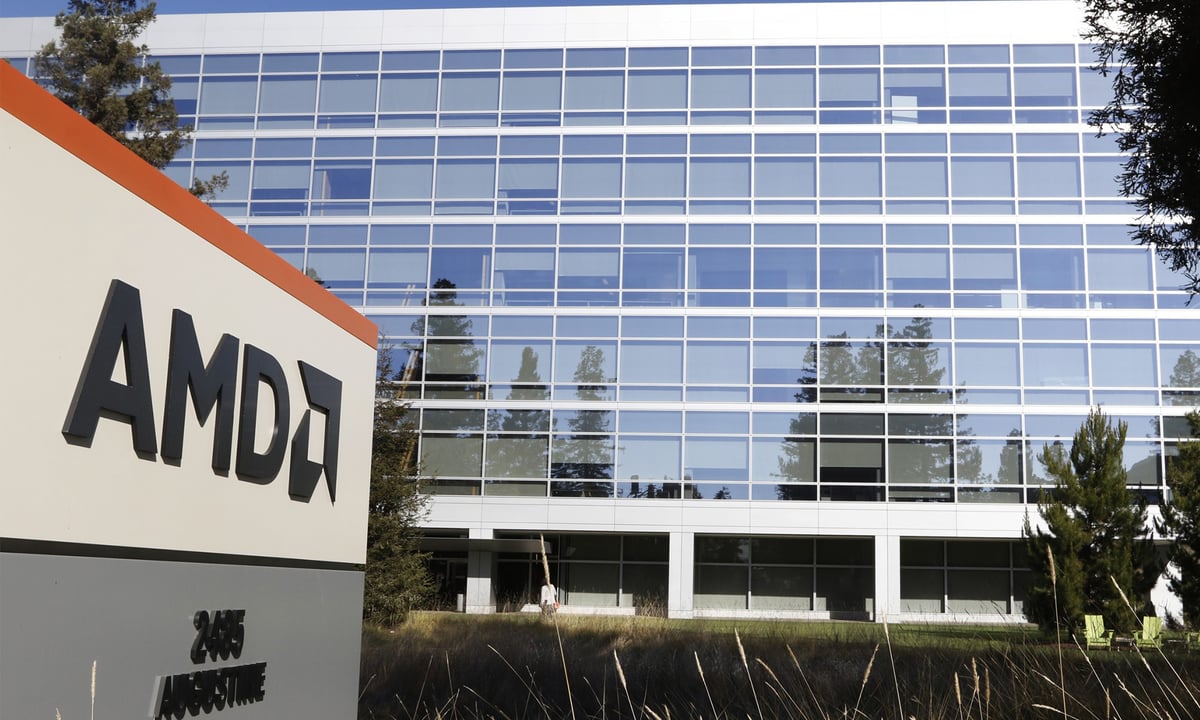
AMD Stock Soars 59% Amid Strong Earnings Outlook

- Strong Earnings Expectations: AMD's management anticipates Q1 revenue of $9.8 billion, a 32% year-over-year increase, while analysts forecast closer to $9.9 billion, indicating robust performance amid a tech stock recovery.
- Margin Improvement: The expected non-GAAP gross margin increase of one percentage point to 55% will further bolster investor confidence in AMD's future profitability, especially given the strong demand for its products.
- Contract Fulfillment Boosts Growth: AMD is set to fulfill large contracts with OpenAI and Meta starting in the second half of 2026, which will provide 6GW of data center computing capacity and drive future revenue growth.
- Rising CPU Prices: Due to a shortage of client CPUs for PCs and laptops, AMD's CPU prices may rise by 15% in March and April, while server CPU prices have reportedly increased by 20% due to demand exceeding supply, enhancing the company's profit outlook.
See More
AMD Price Target Raised to $375 Ahead of Q1 Results
- Price Target Increase: Susquehanna raised AMD's price target from $300 to $375, reflecting analysts' optimistic expectations for the upcoming Q1 results, which is likely to boost stock prices and enhance investor confidence.
- Data Center Growth: Analyst Christopher Rolland projects AMD will generate $17 billion in GPU revenue in 2026, primarily driven by strong demand in the data center market, particularly from MI350 and the upcoming MI450/Helios.
- Hardware Agreement Impact: The 6GW hardware agreements with OpenAI and META are expected to generate approximately $15 billion in revenue for AMD, with the first GW anticipated to be delivered in 2H26, significantly enhancing AMD's long-term revenue outlook.
- Strong Demand Support: Recent market checks indicate sustained strong demand for AMD in the data center and CPU sectors, particularly driven by artificial intelligence, which analysts believe will provide robust support for the company's future performance.
See More

Wall Street Records Best Monthly Performance Since 2020

- Nasdaq Surge: The Nasdaq Composite surged over 15% in the past 30 days, marking its best monthly performance since 2020, reflecting strong investor confidence in tech stocks, particularly driven by a resurgence in AI infrastructure.
- S&P 500 Growth: The S&P 500 climbed 10% and is on track for its sixth consecutive quarter of double-digit year-over-year EPS growth, indicating robust corporate earnings that help maintain stable valuations amidst inflationary pressures.
- Tech Sector Outperformance: The Information Technology sector posted a remarkable 19% monthly gain, its best in over 20 years, showcasing investor optimism in the face of high inflation and rising energy prices, which could influence future investment strategies.
- Seasonal Market Trends: Despite the traditional
See More

ARK Invest Increases Holdings in Meta and Alphabet
- Increased Holdings in Meta and Alphabet: On April 30, ARK Innovation ETF added 26,753 shares of Meta and 43,953 shares of Alphabet, indicating a bullish outlook on both companies, particularly in the context of rapid AI technology growth that could drive future earnings.
- AMD Reduction Impact: Concurrently, ARK trimmed its AMD holdings by 93,698 shares, reflecting a cautious stance on its short-term performance, especially after the CEO's meeting with the U.S. Commerce Secretary raised uncertainties about AMD's future technological leadership.
- Meta Stock Volatility: Despite beating Q1 estimates, Meta's stock fell by 8.5%, primarily due to an increased capital expenditure outlook for 2026, now projected at $125 billion to $145 billion, which investors reacted negatively to, potentially affecting future investment decisions.
- Strong Performance by Alphabet: In contrast, Alphabet's stock surged by 9.9%, with its 2026 capital expenditure outlook raised to $180 billion to $190 billion, indicating that the company's ongoing investments in AI will likely enhance its market share and competitive advantage.
See More
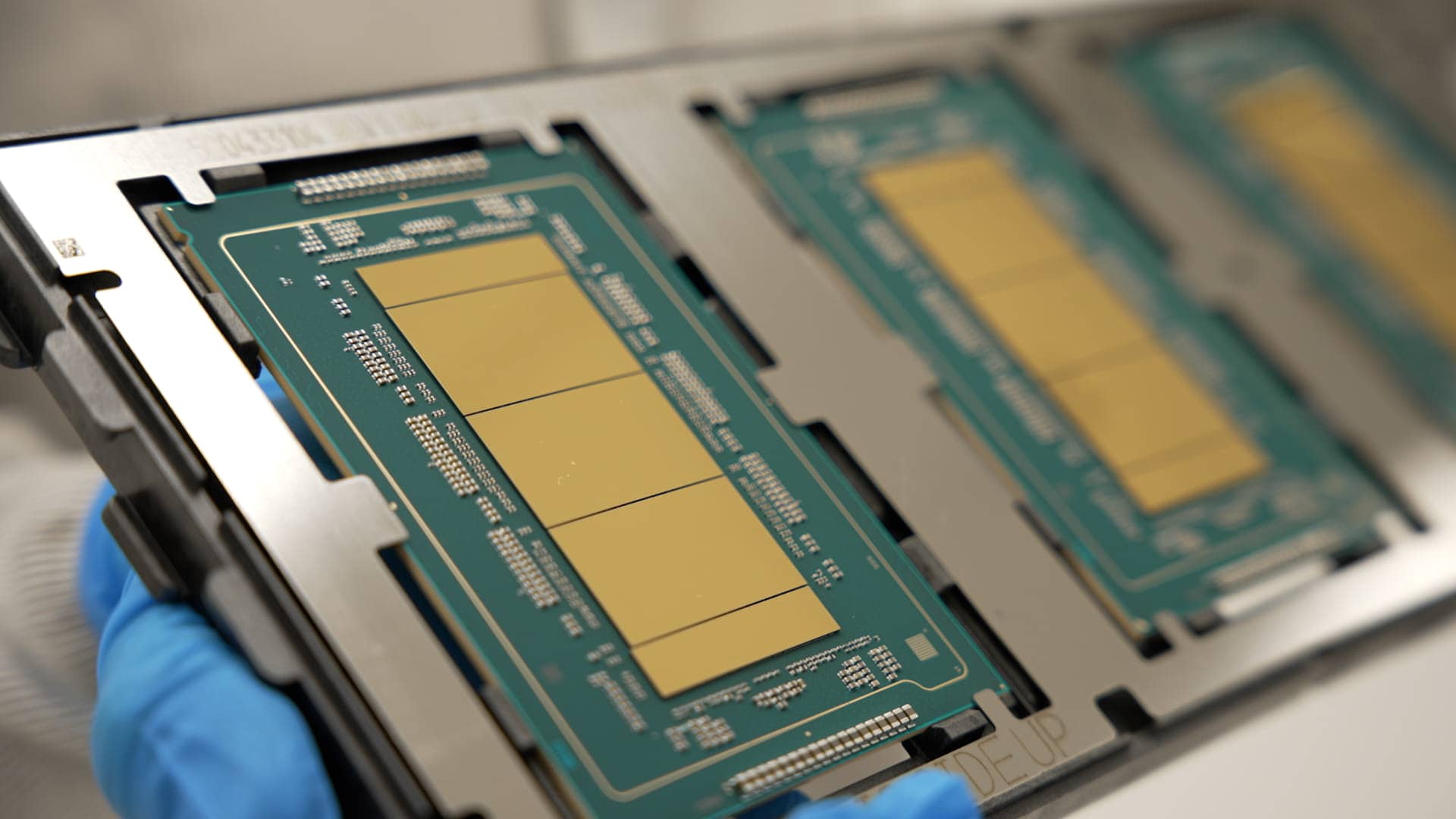
Semiconductor Stocks Surge as Market Confidence Rebounds

- Market Confidence Rebounds: After a 6.3% decline in March, the Nasdaq Semiconductor Index surged 35.2% in April, reflecting a renewed investor confidence in the AI infrastructure cycle, which has significantly improved overall market sentiment.
- Intel's Standout Performance: Intel achieved its best single-day performance since 1987 last Friday, driven by earnings that exceeded expectations and an optimistic guidance, further solidifying its leadership position in the semiconductor industry.
- Rising Demand Expectations: Analysts indicate that the growth in AI demand is translating into real revenue, leading to upward revisions in earnings estimates for semiconductor companies, particularly as investments in large AI infrastructure projects continue to rise.
- Geopolitical Impacts: Despite the market's optimistic growth narrative, the bottlenecks caused by the Iran war and the export restrictions on critical materials like helium may pose substantial risks to chip manufacturing, reminding investors to remain vigilant about potential challenges.
See More
Chip Stocks Rebound with Nasdaq Index Rising 35%
- Market Rebound: After a 6.3% decline in March, the Nasdaq Semiconductor Index rebounded by 35.2% in April, reflecting a restoration of investor confidence in the chip sector and improving overall market sentiment.
- Intel's Standout Performance: Intel achieved its best day since 1987 last Friday, driven by earnings that exceeded expectations and an optimistic guidance, further solidifying its leadership position in the semiconductor market.
- Growing Demand Signals: Analysts noted that the demand for AI infrastructure is translating into real revenue growth, fostering optimistic projections for chip companies, particularly as capital expenditures for large AI infrastructure projects remain robust.
- Geopolitical Impact: Despite the market's optimistic outlook on growth, the Iran war has created supply chain bottlenecks and restricted exports of critical materials like helium, which could significantly impact chip manufacturing, reminding investors to be aware of potential risk factors.
See More
AMD Stock Soars 59% Amid Strong Earnings Outlook
- Strong Earnings Expectations: AMD's management anticipates Q1 revenue of $9.8 billion, a 32% year-over-year increase, while analysts forecast closer to $9.9 billion, indicating robust performance amid a tech stock recovery.
- Margin Improvement: The expected non-GAAP gross margin increase of one percentage point to 55% will further bolster investor confidence in AMD's future profitability, especially given the strong demand for its products.
- Contract Fulfillment Boosts Growth: AMD is set to fulfill large contracts with OpenAI and Meta starting in the second half of 2026, which will provide 6GW of data center computing capacity and drive future revenue growth.
- Rising CPU Prices: Due to a shortage of client CPUs for PCs and laptops, AMD's CPU prices may rise by 15% in March and April, while server CPU prices have reportedly increased by 20% due to demand exceeding supply, enhancing the company's profit outlook.
See More
AMD Price Target Raised to $375 Ahead of Q1 Results
- Price Target Increase: Susquehanna raised AMD's price target from $300 to $375, reflecting analysts' optimistic expectations for the upcoming Q1 results, which is likely to boost stock prices and enhance investor confidence.
- Data Center Growth: Analyst Christopher Rolland projects AMD will generate $17 billion in GPU revenue in 2026, primarily driven by strong demand in the data center market, particularly from MI350 and the upcoming MI450/Helios.
- Hardware Agreement Impact: The 6GW hardware agreements with OpenAI and META are expected to generate approximately $15 billion in revenue for AMD, with the first GW anticipated to be delivered in 2H26, significantly enhancing AMD's long-term revenue outlook.
- Strong Demand Support: Recent market checks indicate sustained strong demand for AMD in the data center and CPU sectors, particularly driven by artificial intelligence, which analysts believe will provide robust support for the company's future performance.
See More
Wall Street Records Best Monthly Performance Since 2020
- Nasdaq Surge: The Nasdaq Composite surged over 15% in the past 30 days, marking its best monthly performance since 2020, reflecting strong investor confidence in tech stocks, particularly driven by a resurgence in AI infrastructure.
- S&P 500 Growth: The S&P 500 climbed 10% and is on track for its sixth consecutive quarter of double-digit year-over-year EPS growth, indicating robust corporate earnings that help maintain stable valuations amidst inflationary pressures.
- Tech Sector Outperformance: The Information Technology sector posted a remarkable 19% monthly gain, its best in over 20 years, showcasing investor optimism in the face of high inflation and rising energy prices, which could influence future investment strategies.
- Seasonal Market Trends: Despite the traditional
See More
ARK Invest Increases Holdings in Meta and Alphabet
- Increased Holdings in Meta and Alphabet: On April 30, ARK Innovation ETF added 26,753 shares of Meta and 43,953 shares of Alphabet, indicating a bullish outlook on both companies, particularly in the context of rapid AI technology growth that could drive future earnings.
- AMD Reduction Impact: Concurrently, ARK trimmed its AMD holdings by 93,698 shares, reflecting a cautious stance on its short-term performance, especially after the CEO's meeting with the U.S. Commerce Secretary raised uncertainties about AMD's future technological leadership.
- Meta Stock Volatility: Despite beating Q1 estimates, Meta's stock fell by 8.5%, primarily due to an increased capital expenditure outlook for 2026, now projected at $125 billion to $145 billion, which investors reacted negatively to, potentially affecting future investment decisions.
- Strong Performance by Alphabet: In contrast, Alphabet's stock surged by 9.9%, with its 2026 capital expenditure outlook raised to $180 billion to $190 billion, indicating that the company's ongoing investments in AI will likely enhance its market share and competitive advantage.
See More
Semiconductor Stocks Surge as Market Confidence Rebounds
- Market Confidence Rebounds: After a 6.3% decline in March, the Nasdaq Semiconductor Index surged 35.2% in April, reflecting a renewed investor confidence in the AI infrastructure cycle, which has significantly improved overall market sentiment.
- Intel's Standout Performance: Intel achieved its best single-day performance since 1987 last Friday, driven by earnings that exceeded expectations and an optimistic guidance, further solidifying its leadership position in the semiconductor industry.
- Rising Demand Expectations: Analysts indicate that the growth in AI demand is translating into real revenue, leading to upward revisions in earnings estimates for semiconductor companies, particularly as investments in large AI infrastructure projects continue to rise.
- Geopolitical Impacts: Despite the market's optimistic growth narrative, the bottlenecks caused by the Iran war and the export restrictions on critical materials like helium may pose substantial risks to chip manufacturing, reminding investors to remain vigilant about potential challenges.
See More
Chip Stocks Rebound with Nasdaq Index Rising 35%
- Market Rebound: After a 6.3% decline in March, the Nasdaq Semiconductor Index rebounded by 35.2% in April, reflecting a restoration of investor confidence in the chip sector and improving overall market sentiment.
- Intel's Standout Performance: Intel achieved its best day since 1987 last Friday, driven by earnings that exceeded expectations and an optimistic guidance, further solidifying its leadership position in the semiconductor market.
- Growing Demand Signals: Analysts noted that the demand for AI infrastructure is translating into real revenue growth, fostering optimistic projections for chip companies, particularly as capital expenditures for large AI infrastructure projects remain robust.
- Geopolitical Impact: Despite the market's optimistic outlook on growth, the Iran war has created supply chain bottlenecks and restricted exports of critical materials like helium, which could significantly impact chip manufacturing, reminding investors to be aware of potential risk factors.
See More