Amazon Launches Ultra-Fast Delivery Service
Written by Emily J. Thompson, Senior Investment Analyst
Updated: May 12 2026
0mins


Source: CNBC
- Ultra-Fast Delivery Expansion: Amazon announced the rollout of its 'Amazon Now' service across multiple U.S. cities, aiming to deliver packages in 30 minutes or less, with plans to reach tens of millions of customers by year-end, significantly enhancing customer satisfaction and competitive positioning.
- International Market Strategy: The service has already achieved 15-minute delivery in Brazil, Mexico, India, and the UAE, showcasing Amazon's ambition in the global quick commerce sector and further solidifying its leadership in the e-commerce market.
- Innovative Delivery Model: Amazon utilizes micro-fulfillment centers ranging from 5,000 to 10,000 square feet for deliveries, these 'dark stores' are strategically located near customers, enabling rapid response to demand, improving delivery efficiency, and reducing operational costs.
- Transparent Fee Structure: Prime members will pay a $3.99 fee for the service, while non-members face a $13.99 delivery fee plus an additional $3.99 for orders under $15, providing a clear pricing structure that may attract more users to Amazon's rapid delivery options.
Trade with 70% Backtested Accuracy
Stop guessing "Should I Buy AMZN?" and start using high-conviction signals backed by rigorous historical data.
Sign up today to access powerful investing tools and make smarter, data-driven decisions.
Analyst Views on AMZN
Wall Street analysts forecast AMZN stock price to rise
44 Analyst Rating
41 Buy
3 Hold
0 Sell
Strong Buy
Current: 244.160

Low
175.00
Averages
280.01
High
325.00
Current: 244.160
Low
175.00
Averages
280.01
High
325.00
About AMZN
Amazon.com, Inc. provides a range of products and services to customers. The products offered through its stores include merchandise and content it has purchased for resale and products offered by third-party sellers. The Company’s segments include North America, International and Amazon Web Services (AWS). It serves consumers through its online and physical stores and focuses on selection, price, and convenience. Customers access its offerings through its websites, mobile apps, Alexa, devices, streaming, and physically visiting its stores. It also manufactures and sells electronic devices, including Kindle, Fire tablet, Fire TV, Echo, Ring, Blink, and eero, and develops and produces media content. It serves developers and enterprises of all sizes, including start-ups, government agencies, and academic institutions, through AWS, which offers a set of on-demand technology services, including compute, storage, database, analytics, and machine learning, and other services.
About the author

Emily J. Thompson
Emily J. Thompson, a Chartered Financial Analyst (CFA) with 12 years in investment research, graduated with honors from the Wharton School. Specializing in industrial and technology stocks, she provides in-depth analysis for Intellectia’s earnings and market brief reports.
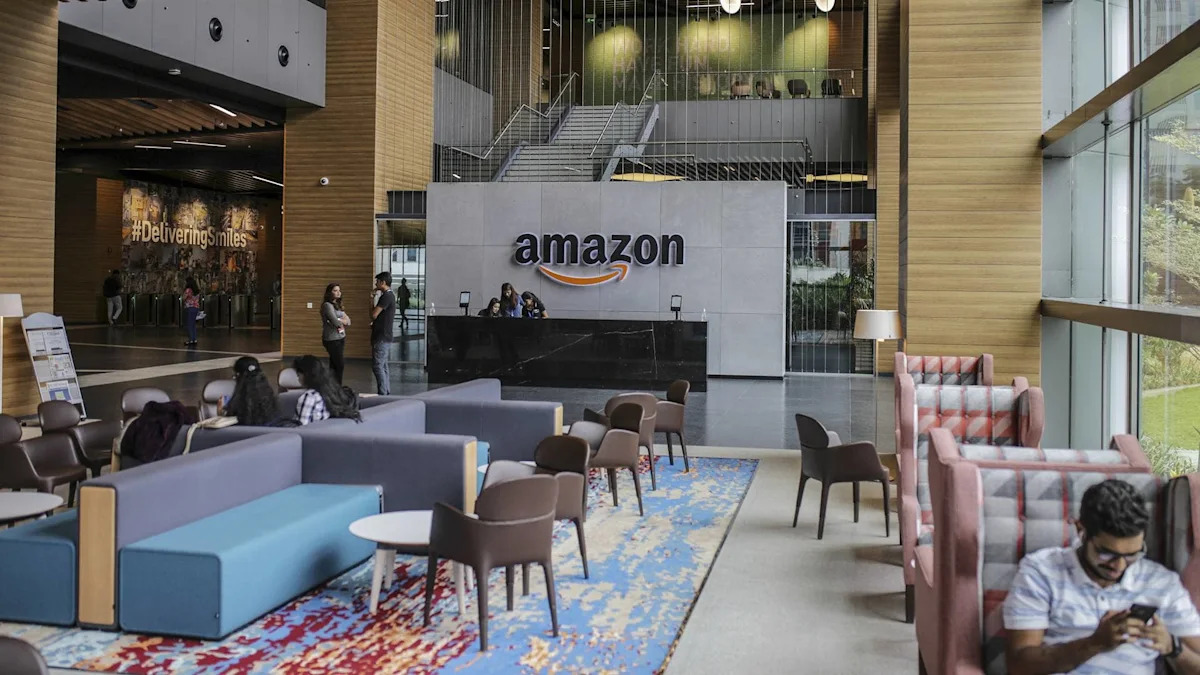
Amazon Reports Strong Q1 Earnings Driven by Anthropic Investment

- Strong Performance: Amazon's Q1 net income reached $30.3 billion with earnings per share at $2.78, significantly up from $17.1 billion and $1.59 a year earlier, showcasing the company's success in AI investments.
- Significant Investment Returns: Amazon recorded $16.8 billion in pre-tax gains from its Anthropic investment, with $12.3 billion stemming from a revaluation of holdings, indicating a substantial impact on the company's financial health.
- Massive Future Potential: Anthropic's IPO could value the company at $965 billion, with Amazon's stake estimated between $135 billion and $160 billion, further enhancing Amazon's market position.
- Deepening Commercial Ties: Anthropic has committed to spending over $100 billion on Amazon's cloud services over the next decade, strengthening the commercial relationship, while AWS revenue grew 28% year-over-year to $37.6 billion in Q1.
See More
Amazon Plans to Raise $25 Billion Through Bond Sale
- Funding Size: Amazon plans to raise at least $25 billion through a bond sale, as disclosed in a filing with the U.S. Securities and Exchange Commission, with proceeds earmarked for general corporate purposes including debt repayment, acquisitions, and investments in subsidiaries.
- Bond Maturity: The bonds will have maturities ranging from 3 to 40 years, with the longest maturity offering a yield 1.45 percentage points above comparable Treasury securities, indicating strong market demand for long-term financing.
- Underwriter Lineup: The offering is backed by major underwriters including Barclays, Goldman Sachs, J.P. Morgan, and Morgan Stanley, whose involvement is expected to bolster investor confidence in the bond sale.
- AI Investment Context: Amazon's significant investments in artificial intelligence necessitate additional cash flow, and this bond issuance will not only help meet its funding needs but also support its competitive position in the rapidly evolving AI market.
See More

Meta Plans to Spend $145 Billion on AI by 2026

- Massive Investment Plan: Meta plans to invest up to $145 billion in AI by 2026, a staggering amount that raises concerns on Wall Street regarding the potential returns, which could impact shareholder confidence.
- Selling Excess Computing Power: Meta is considering selling its excess computing capacity, similar to Amazon and SpaceX, which could create a new revenue stream to partially offset the high costs associated with AI development.
- Stock Performance Struggles: Over the past year, Meta's stock has declined by more than 15%, and it is down 7% in 2026 so far, making the company's current valuation metrics appear attractive with a forward P/E ratio below 20.
- Cautiously Optimistic Outlook: While this strategy may alleviate some investor concerns, Meta must still stand out in a competitive market, and successfully selling computing power to establish a strong revenue engine will be crucial for its future.
See More

Meta Plans to Sell Compute Power to Offset AI Costs
- Stock Decline: Meta's stock has fallen nearly 15% over the past year, reflecting investor concerns about its AI spending and future returns, which could impact the company's financing capabilities and market confidence.
- Massive Investment: Meta is projected to spend up to $145 billion on AI infrastructure by 2026, a staggering amount that raises questions on Wall Street regarding the potential returns, possibly leading to diminished shareholder confidence in the company's strategy.
- Selling Compute Power: Meta plans to sell excess computing power, similar to other large tech firms like Amazon and SpaceX, a move that could create a new revenue stream to partially offset the high costs of AI development.
- Market Competition: While this plan may alleviate some investor concerns, Meta must compete in a well-established market filled with entrenched competitors to achieve its profitability goals.
See More

X-Energy Stock Plummets Amid Heavy Government Reliance

- Stock Performance Decline: Since its April debut, X-Energy (XE) stock has fallen approximately 43%, losing 54% from its peak of $37.10, indicating market concerns over its future profitability, which may impact investor confidence.
- Revenue Reliance on Government: About 82% of the company's revenue is derived from government funding, particularly from the U.S. Department of Energy's project support, which, while providing short-term financial security, may limit its long-term market expansion capabilities.
- Strong Development Pipeline: As of March 31, X-Energy's development pipeline includes 144 reactors across the U.S. and U.K., representing approximately 11.5 gigawatts of potential generating capacity, showcasing the company's long-term growth potential in the nuclear energy market.
- Analysts Optimistic on Outlook: Despite the stock's decline, Wall Street analysts have set an average 12-month price target of $37.86 for XE, with six analysts rating it as a 'Buy', indicating confidence in its potential rebound.
See More
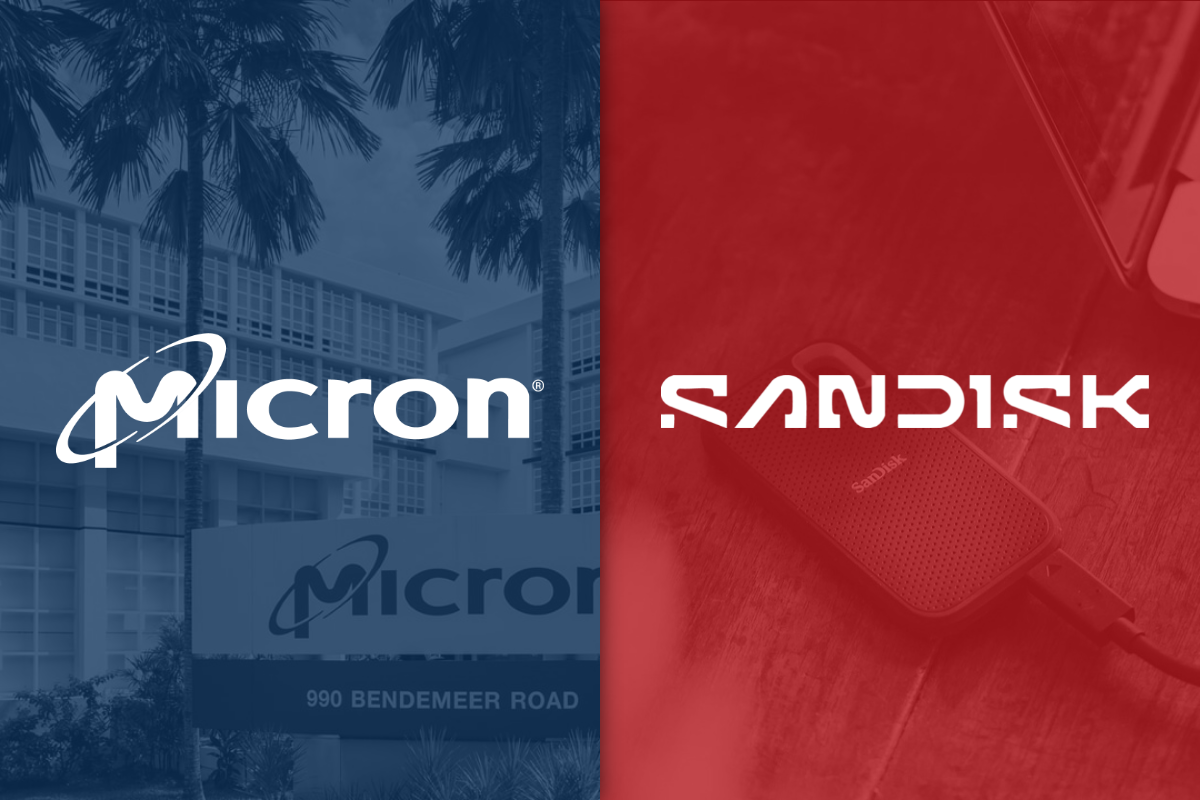
Memory Semiconductor Sector Poised for Growth

- SK Hynix IPO: Scheduled to list on Nasdaq on July 10, SK Hynix aims to issue approximately 17.9 million ADRs to raise around $28 billion, which will fund aggressive expansions in high-bandwidth memory and advanced packaging technologies, enhancing its competitive edge in the AI accelerator market.
- Massive Investment Wave: The South Korean government announced a combined $520 billion investment by Samsung Electronics and SK Hynix to build four new memory fabrication plants, reflecting optimism in sustained AI-driven demand, while Micron's $9 billion expansion in Japan will bolster its market share in high-bandwidth memory.
- Capex Plans in Focus: As earnings season approaches, capital expenditure plans from hyperscalers like Amazon and Microsoft will be scrutinized, with expectations of sustained demand for memory and storage products, ensuring market stability for these sectors.
- Optimistic Industry Outlook: The SK Hynix IPO and synchronized expansions within the industry indicate significant growth potential in the memory market, and combined with hyperscaler spending budgets, this is expected to provide ongoing upward momentum for Micron and Sandisk stocks.
See More
Amazon Reports Strong Q1 Earnings Driven by Anthropic Investment
- Strong Performance: Amazon's Q1 net income reached $30.3 billion with earnings per share at $2.78, significantly up from $17.1 billion and $1.59 a year earlier, showcasing the company's success in AI investments.
- Significant Investment Returns: Amazon recorded $16.8 billion in pre-tax gains from its Anthropic investment, with $12.3 billion stemming from a revaluation of holdings, indicating a substantial impact on the company's financial health.
- Massive Future Potential: Anthropic's IPO could value the company at $965 billion, with Amazon's stake estimated between $135 billion and $160 billion, further enhancing Amazon's market position.
- Deepening Commercial Ties: Anthropic has committed to spending over $100 billion on Amazon's cloud services over the next decade, strengthening the commercial relationship, while AWS revenue grew 28% year-over-year to $37.6 billion in Q1.
See More
Amazon Plans to Raise $25 Billion Through Bond Sale
- Funding Size: Amazon plans to raise at least $25 billion through a bond sale, as disclosed in a filing with the U.S. Securities and Exchange Commission, with proceeds earmarked for general corporate purposes including debt repayment, acquisitions, and investments in subsidiaries.
- Bond Maturity: The bonds will have maturities ranging from 3 to 40 years, with the longest maturity offering a yield 1.45 percentage points above comparable Treasury securities, indicating strong market demand for long-term financing.
- Underwriter Lineup: The offering is backed by major underwriters including Barclays, Goldman Sachs, J.P. Morgan, and Morgan Stanley, whose involvement is expected to bolster investor confidence in the bond sale.
- AI Investment Context: Amazon's significant investments in artificial intelligence necessitate additional cash flow, and this bond issuance will not only help meet its funding needs but also support its competitive position in the rapidly evolving AI market.
See More
Meta Plans to Spend $145 Billion on AI by 2026
- Massive Investment Plan: Meta plans to invest up to $145 billion in AI by 2026, a staggering amount that raises concerns on Wall Street regarding the potential returns, which could impact shareholder confidence.
- Selling Excess Computing Power: Meta is considering selling its excess computing capacity, similar to Amazon and SpaceX, which could create a new revenue stream to partially offset the high costs associated with AI development.
- Stock Performance Struggles: Over the past year, Meta's stock has declined by more than 15%, and it is down 7% in 2026 so far, making the company's current valuation metrics appear attractive with a forward P/E ratio below 20.
- Cautiously Optimistic Outlook: While this strategy may alleviate some investor concerns, Meta must still stand out in a competitive market, and successfully selling computing power to establish a strong revenue engine will be crucial for its future.
See More
Meta Plans to Sell Compute Power to Offset AI Costs
- Stock Decline: Meta's stock has fallen nearly 15% over the past year, reflecting investor concerns about its AI spending and future returns, which could impact the company's financing capabilities and market confidence.
- Massive Investment: Meta is projected to spend up to $145 billion on AI infrastructure by 2026, a staggering amount that raises questions on Wall Street regarding the potential returns, possibly leading to diminished shareholder confidence in the company's strategy.
- Selling Compute Power: Meta plans to sell excess computing power, similar to other large tech firms like Amazon and SpaceX, a move that could create a new revenue stream to partially offset the high costs of AI development.
- Market Competition: While this plan may alleviate some investor concerns, Meta must compete in a well-established market filled with entrenched competitors to achieve its profitability goals.
See More
X-Energy Stock Plummets Amid Heavy Government Reliance
- Stock Performance Decline: Since its April debut, X-Energy (XE) stock has fallen approximately 43%, losing 54% from its peak of $37.10, indicating market concerns over its future profitability, which may impact investor confidence.
- Revenue Reliance on Government: About 82% of the company's revenue is derived from government funding, particularly from the U.S. Department of Energy's project support, which, while providing short-term financial security, may limit its long-term market expansion capabilities.
- Strong Development Pipeline: As of March 31, X-Energy's development pipeline includes 144 reactors across the U.S. and U.K., representing approximately 11.5 gigawatts of potential generating capacity, showcasing the company's long-term growth potential in the nuclear energy market.
- Analysts Optimistic on Outlook: Despite the stock's decline, Wall Street analysts have set an average 12-month price target of $37.86 for XE, with six analysts rating it as a 'Buy', indicating confidence in its potential rebound.
See More
Memory Semiconductor Sector Poised for Growth
- SK Hynix IPO: Scheduled to list on Nasdaq on July 10, SK Hynix aims to issue approximately 17.9 million ADRs to raise around $28 billion, which will fund aggressive expansions in high-bandwidth memory and advanced packaging technologies, enhancing its competitive edge in the AI accelerator market.
- Massive Investment Wave: The South Korean government announced a combined $520 billion investment by Samsung Electronics and SK Hynix to build four new memory fabrication plants, reflecting optimism in sustained AI-driven demand, while Micron's $9 billion expansion in Japan will bolster its market share in high-bandwidth memory.
- Capex Plans in Focus: As earnings season approaches, capital expenditure plans from hyperscalers like Amazon and Microsoft will be scrutinized, with expectations of sustained demand for memory and storage products, ensuring market stability for these sectors.
- Optimistic Industry Outlook: The SK Hynix IPO and synchronized expansions within the industry indicate significant growth potential in the memory market, and combined with hyperscaler spending budgets, this is expected to provide ongoing upward momentum for Micron and Sandisk stocks.
See More