Alphabet's Full-Stack AI Strategy Fuels Growth
Written by Emily J. Thompson, Senior Investment Analyst
Updated: Mar 12 2026
0mins

Should l Buy GOOGL?
Source: Fool
- Full-Stack AI Advantage: Alphabet controls its entire AI stack, with projected capital expenditures of $175 billion to $185 billion by 2026, positioning itself to better manage costs and optimize technology, thereby solidifying its market leadership.
- Significant Revenue Growth: In 2025, Alphabet's revenue increased by 15% year-over-year to $402.8 billion, with Google Cloud outperforming at a 34% revenue growth to $58.7 billion, indicating strong demand for enterprise AI infrastructure.
- Successful Gemini Application: The launch of Gemini 3 positions Google's AI assistant on par with OpenAI's ChatGPT and Anthropic's Claude, with CEO Sundar Pichai reporting 750 million monthly active users, enhancing user engagement significantly.
- Attractive Valuation for Investment: Although Alphabet's stock trades at a price-to-earnings ratio of 28, lower than the Nasdaq-100's 36, its solid growth potential and risk management capabilities make it an ideal choice for investors.
Trade with 70% Backtested Accuracy
Stop guessing "Should I Buy GOOGL?" and start using high-conviction signals backed by rigorous historical data.
Sign up today to access powerful investing tools and make smarter, data-driven decisions.
Analyst Views on GOOGL
Wall Street analysts forecast GOOGL stock price to fall
33 Analyst Rating
26 Buy
7 Hold
0 Sell
Strong Buy
Current: 397.990

Low
305.00
Averages
374.25
High
400.00
Current: 397.990
Low
305.00
Averages
374.25
High
400.00
About GOOGL
Alphabet Inc. is a holding company. The Company's segments include Google Services, Google Cloud, and Other Bets. The Google Services segment includes products and services such as ads, Android, Chrome, devices, Google Maps, Google Play, Search, and YouTube. The Google Cloud segment includes infrastructure and platform services, collaboration tools, and other services for enterprise customers. Its Other Bets segment is engaged in the sale of healthcare-related services and Internet services. Its Google Cloud provides enterprise-ready cloud services, including Google Cloud Platform and Google Workspace. Google Cloud Platform provides access to solutions such as artificial intelligence (AI) offerings, including its AI infrastructure, Vertex AI platform, and Gemini for Google Cloud; cybersecurity, and data and analytics. Google Workspace includes cloud-based communication and collaboration tools for enterprises, such as Calendar, Gmail, Docs, Drive, and Meet.
About the author

Emily J. Thompson
Emily J. Thompson, a Chartered Financial Analyst (CFA) with 12 years in investment research, graduated with honors from the Wharton School. Specializing in industrial and technology stocks, she provides in-depth analysis for Intellectia’s earnings and market brief reports.

Labour Party Election Losses Spark Leadership Crisis

- Poor Election Results: Early results indicate that the Labour Party has lost approximately 58% of its council seats in local elections, with overall losses potentially reaching 1,500 seats, reflecting voter dissatisfaction with Keir Starmer's leadership and raising questions about his future.
- Market Tension: Following the disappointing election outcomes, yields on 10-year U.K. government bonds rose by 1 basis point in early trading, as uncertainty looms over Starmer and Finance Minister Rachel Reeves, with investors expressing concerns about the government's fiscal discipline and economic credibility.
- Increased Political Risk: Financial consultant Nigel Green highlighted that the significant electoral losses could make the gilt market one of the biggest political risks facing Starmer and Reeves, as investors demand higher risk premiums to hold U.K. debt, indicating skepticism about the government's capabilities.
- Internal Pressure Mounts: Backbench Labour MPs are reportedly planning to blame the anticipated losses on Starmer, which could lead to challenges to his leadership, particularly amid growing disputes over fiscal policy and welfare reforms, further impacting party unity and market confidence.
See More

Nvidia: The Leader in the AI Gold Rush


- Significant Revenue Growth: Nvidia's revenue for the full year 2025 reached $130 billion, surpassing the GDP of over 100 countries and representing a 2,500% increase from its 2016 revenue of $5 billion, highlighting its strong demand and leadership in the AI market.
- Market Cap Surge: Nvidia's market cap skyrocketed from approximately $20 billion in 2016 to over $5 trillion today, marking a staggering 27,000% increase over the decade, reflecting investor confidence in its future growth potential.
- Outstanding Stock Performance: An investment of $5,000 in Nvidia a decade ago would have turned an investor into a millionaire today, outperforming nearly all other megacap tech stocks during the same period, showcasing its exceptional investment returns.
- Reasonable Valuation: Despite Nvidia's stock trading at about 24 times forward earnings, slightly above the tech average of 22.7, its valuation is considered reasonable in the context of strong AI market tailwinds, indicating potential for future growth.
See More

Nvidia's Revenue Grows 2500% Over Decade
- Significant Revenue Growth: Nvidia's full-year revenue for 2025 reached $130 billion, representing a 2500% increase from $5 billion in 2016, surpassing the GDPs of over 100 countries and showcasing its dominant market position in AI.
- Market Cap Surge: Since 2016, Nvidia's market cap skyrocketed from approximately $20 billion to over $5 trillion, marking a staggering 27,000% increase and establishing it as the world's highest-valued company, reflecting strong investor confidence in its growth potential.
- Clear Technological Advantage: Nvidia is widely regarded as the leading
See More

Comparative Analysis of Microsoft and Alphabet in Cloud Computing

- Cloud Market Competition: Microsoft and Alphabet are intensifying their competition in the cloud computing sector, with Google Cloud's revenue growing 63% year-over-year in Q1 compared to Azure's 40%, indicating Google's leading position in market demand.
- Financial Performance Comparison: Alphabet's overall revenue growth stands at 22% with operating income rising 30%, while Microsoft's revenue growth is 18% and operating income is up 20%, highlighting Alphabet's clear advantage despite Microsoft's strong performance.
- Valuation Discrepancy: Currently, Alphabet trades at decade-high valuation levels, whereas Microsoft is near decade lows, creating a stark contrast that makes Microsoft appear more attractive for investment, despite Alphabet's superior financial health.
- Investment Recommendation: Although Alphabet excels in multiple metrics, analysts suggest Microsoft may be the better investment choice due to its relatively low stock price, especially in the current market environment.
See More

Analysis of Microsoft vs. Alphabet in Cloud Computing
- Cloud Growth Comparison: Google Cloud's revenue surged 63% year-over-year in Q1, while Azure's growth was 40%, indicating Google's robust growth potential in cloud computing, although TPU chip sales provided additional revenue support for Google.
- Quarterly Performance: Alphabet's overall revenue grew by 22% with operating income rising 30%, whereas Microsoft's revenue increased by 18% and operating income by 20%, highlighting Alphabet's superior performance in the latest earnings report.
- Valuation Discrepancy: Currently, Alphabet trades at decade-high levels while Microsoft is near decade lows, creating a stark valuation contrast that makes Microsoft appear more attractive for investment, despite Alphabet's healthier financial status.
- Investment Recommendation: Although Alphabet excels in cloud computing and financial performance, analysts suggest Microsoft may be the better investment choice due to its low valuation, particularly in the current market environment.
See More
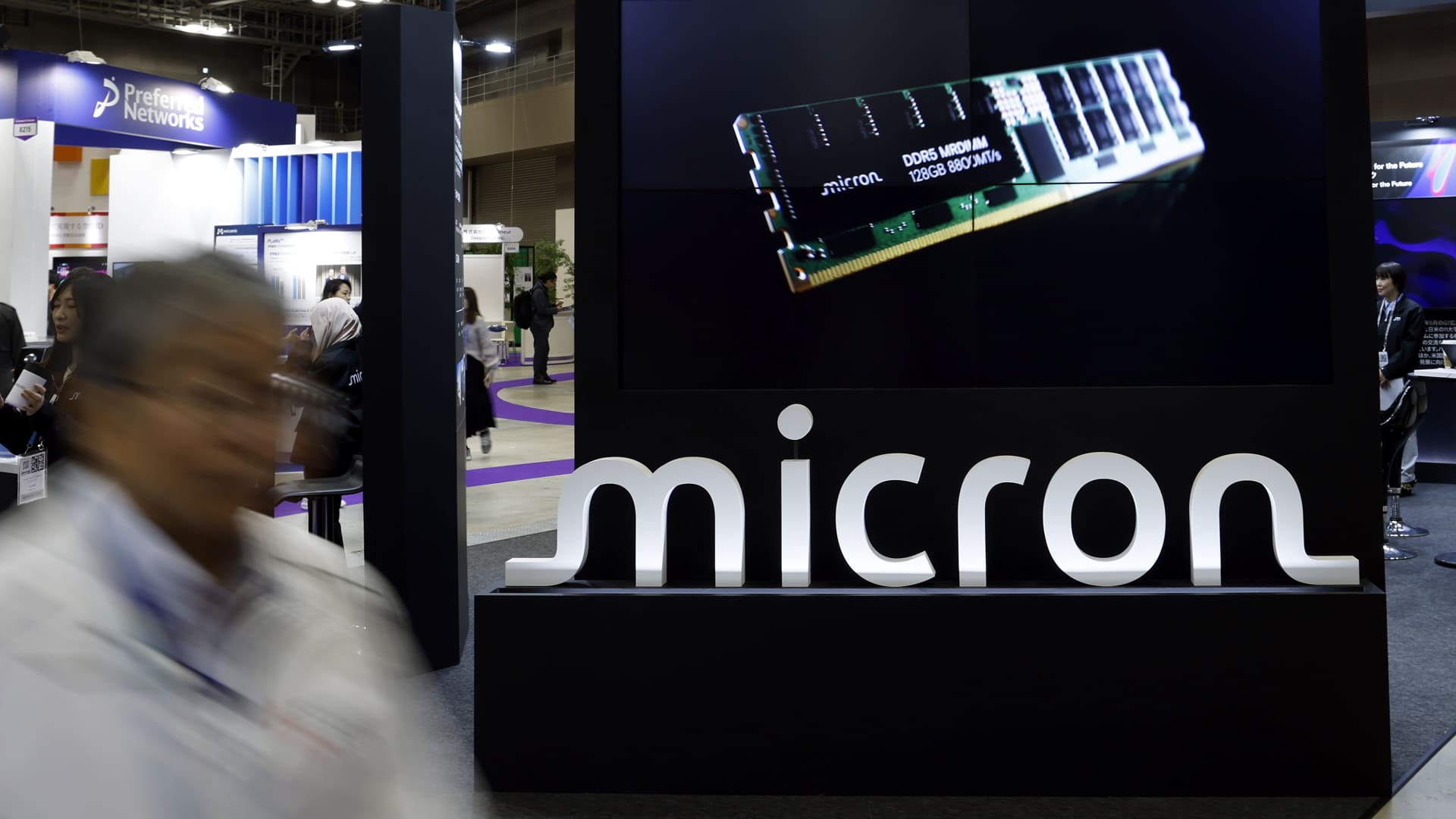
Roundhill Memory ETF DRAM Attracts Over $5 Billion in Investments


- Memory Supercycle: The Roundhill Memory ETF (DRAM) attracted over $5 billion in investments within a month, including $1.1 billion on Thursday alone, indicating strong market demand for memory stocks driven by surging AI computing needs.
- Core Holdings Performance: The ETF's core holdings feature leading memory manufacturers like SK Hynix, Micron, and Samsung, allowing investors to gain broad exposure to these high-growth companies, including those not listed on U.S. exchanges.
- Market Reaction: Micron's stock surged over 200 points in a week, climbing from $542 to $747, reflecting optimistic market expectations for memory product demand, with a price-to-earnings ratio of only 9 times projected earnings for the next 12 months, highlighting its appeal as a quality stock.
- Investment Opportunities: Despite waning interest in data center stocks, investors can still capitalize on potential gains in the memory and cooling sectors by purchasing instruments like the DRAM ETF, especially as major tech companies continue to invest heavily in data centers.
See More
Labour Party Election Losses Spark Leadership Crisis
- Poor Election Results: Early results indicate that the Labour Party has lost approximately 58% of its council seats in local elections, with overall losses potentially reaching 1,500 seats, reflecting voter dissatisfaction with Keir Starmer's leadership and raising questions about his future.
- Market Tension: Following the disappointing election outcomes, yields on 10-year U.K. government bonds rose by 1 basis point in early trading, as uncertainty looms over Starmer and Finance Minister Rachel Reeves, with investors expressing concerns about the government's fiscal discipline and economic credibility.
- Increased Political Risk: Financial consultant Nigel Green highlighted that the significant electoral losses could make the gilt market one of the biggest political risks facing Starmer and Reeves, as investors demand higher risk premiums to hold U.K. debt, indicating skepticism about the government's capabilities.
- Internal Pressure Mounts: Backbench Labour MPs are reportedly planning to blame the anticipated losses on Starmer, which could lead to challenges to his leadership, particularly amid growing disputes over fiscal policy and welfare reforms, further impacting party unity and market confidence.
See More
Nvidia: The Leader in the AI Gold Rush
- Significant Revenue Growth: Nvidia's revenue for the full year 2025 reached $130 billion, surpassing the GDP of over 100 countries and representing a 2,500% increase from its 2016 revenue of $5 billion, highlighting its strong demand and leadership in the AI market.
- Market Cap Surge: Nvidia's market cap skyrocketed from approximately $20 billion in 2016 to over $5 trillion today, marking a staggering 27,000% increase over the decade, reflecting investor confidence in its future growth potential.
- Outstanding Stock Performance: An investment of $5,000 in Nvidia a decade ago would have turned an investor into a millionaire today, outperforming nearly all other megacap tech stocks during the same period, showcasing its exceptional investment returns.
- Reasonable Valuation: Despite Nvidia's stock trading at about 24 times forward earnings, slightly above the tech average of 22.7, its valuation is considered reasonable in the context of strong AI market tailwinds, indicating potential for future growth.
See More
Nvidia's Revenue Grows 2500% Over Decade
- Significant Revenue Growth: Nvidia's full-year revenue for 2025 reached $130 billion, representing a 2500% increase from $5 billion in 2016, surpassing the GDPs of over 100 countries and showcasing its dominant market position in AI.
- Market Cap Surge: Since 2016, Nvidia's market cap skyrocketed from approximately $20 billion to over $5 trillion, marking a staggering 27,000% increase and establishing it as the world's highest-valued company, reflecting strong investor confidence in its growth potential.
- Clear Technological Advantage: Nvidia is widely regarded as the leading
See More
Comparative Analysis of Microsoft and Alphabet in Cloud Computing
- Cloud Market Competition: Microsoft and Alphabet are intensifying their competition in the cloud computing sector, with Google Cloud's revenue growing 63% year-over-year in Q1 compared to Azure's 40%, indicating Google's leading position in market demand.
- Financial Performance Comparison: Alphabet's overall revenue growth stands at 22% with operating income rising 30%, while Microsoft's revenue growth is 18% and operating income is up 20%, highlighting Alphabet's clear advantage despite Microsoft's strong performance.
- Valuation Discrepancy: Currently, Alphabet trades at decade-high valuation levels, whereas Microsoft is near decade lows, creating a stark contrast that makes Microsoft appear more attractive for investment, despite Alphabet's superior financial health.
- Investment Recommendation: Although Alphabet excels in multiple metrics, analysts suggest Microsoft may be the better investment choice due to its relatively low stock price, especially in the current market environment.
See More
Analysis of Microsoft vs. Alphabet in Cloud Computing
- Cloud Growth Comparison: Google Cloud's revenue surged 63% year-over-year in Q1, while Azure's growth was 40%, indicating Google's robust growth potential in cloud computing, although TPU chip sales provided additional revenue support for Google.
- Quarterly Performance: Alphabet's overall revenue grew by 22% with operating income rising 30%, whereas Microsoft's revenue increased by 18% and operating income by 20%, highlighting Alphabet's superior performance in the latest earnings report.
- Valuation Discrepancy: Currently, Alphabet trades at decade-high levels while Microsoft is near decade lows, creating a stark valuation contrast that makes Microsoft appear more attractive for investment, despite Alphabet's healthier financial status.
- Investment Recommendation: Although Alphabet excels in cloud computing and financial performance, analysts suggest Microsoft may be the better investment choice due to its low valuation, particularly in the current market environment.
See More
Roundhill Memory ETF DRAM Attracts Over $5 Billion in Investments
- Memory Supercycle: The Roundhill Memory ETF (DRAM) attracted over $5 billion in investments within a month, including $1.1 billion on Thursday alone, indicating strong market demand for memory stocks driven by surging AI computing needs.
- Core Holdings Performance: The ETF's core holdings feature leading memory manufacturers like SK Hynix, Micron, and Samsung, allowing investors to gain broad exposure to these high-growth companies, including those not listed on U.S. exchanges.
- Market Reaction: Micron's stock surged over 200 points in a week, climbing from $542 to $747, reflecting optimistic market expectations for memory product demand, with a price-to-earnings ratio of only 9 times projected earnings for the next 12 months, highlighting its appeal as a quality stock.
- Investment Opportunities: Despite waning interest in data center stocks, investors can still capitalize on potential gains in the memory and cooling sectors by purchasing instruments like the DRAM ETF, especially as major tech companies continue to invest heavily in data centers.
See More