Airbus Shares Decline Despite Strong Earnings Report; Here's the Issue.

Ongoing Challenges: Six years post-Covid-19 pandemic, the aviation industry continues to face significant difficulties in aircraft production.
Supply Chain Issues: Persistent supply chain disruptions and labor shortages are major factors hindering the manufacturing of planes.
Trade with 70% Backtested Accuracy
Analyst Views on BA

About BA
About the author


South Korea Opposes U.S. Air Defense Asset Redeployment


- U.S. Asset Redeployment: South Korean President Lee Jae-myung stated that while opposing the U.S. moving some air defense systems out of the country, they cannot make strong demands, highlighting South Korea's passive position in U.S. military strategy adjustments.
- Defense Capability Assessment: Lee emphasized that even if U.S. assets are moved, South Korea's deterrence capability against North Korea would not suffer a serious setback, indicating strong confidence in its defense despite strained relations with Pyongyang.
- Importance of Patriot Systems: Although South Korea has developed its own missile defense systems, the Patriot system remains a crucial component of its air defense architecture, reflecting a strategic reliance on U.S. technology to counter North Korean threats.
- Background of U.S. Troop Movements: The U.S. is considering redeploying Patriot systems to South Korea due to increased demand for air defense in the Middle East, which may raise concerns about the U.S. prioritizing Middle Eastern interests over its Asian allies.

Democrats Push for Congressional Votes on Iran Military Actions


- Congressional Action Plan: Senate Democrats announced a strategy to potentially force a series of war powers votes, aiming to compel Secretary of Defense and Secretary of State to testify about U.S. military actions in Iran, reflecting a strong intent to oversee the Trump administration.
- Military Action Scrutiny: Senators argue that the Trump administration has failed to provide sufficient justification for ongoing military actions, asserting that congressional approval is necessary to continue the war, thereby emphasizing Congress's critical role in military decisions to check executive power.
- Vote Outcome Review: Last week, the Senate blocked a war powers resolution proposed by Kaine and Paul with a vote of 47-53, highlighting divisions within Congress regarding military actions and exacerbating tensions between Democrats and Republicans.
- Urgent Action Call: Democratic senators are urging for immediate hearings with the Secretary of Defense and Secretary of State, indicating their unwillingness to allow Congress to remain silent, thus underscoring the importance of legislative oversight in military decision-making.

Kohl's and Oracle Earnings Preview


- Kohl's Earnings Preview: Kohl's is set to report earnings before the bell, with its stock down approximately 37% over the past three months and 41% from December highs, indicating ongoing pressure in the retail sector that may affect investor confidence.
- Oracle Earnings Outlook: Oracle will release its earnings report after the bell, having seen its stock decline over 31% in the last three months and 56% from September highs, reflecting market concerns about its data center and AI transformation that could impact future growth expectations.
- Existing Home Sales Data: Existing home sales figures will be released at 10 a.m. ET, and despite declines in companies like PulteGroup and Toll Brothers over the past month, they have shown positive year-to-date performance, with Pulte and Toll both up around 8%, indicating resilience in the housing market.
- Boeing Orders and Deliveries: Boeing will announce orders and deliveries data at 11 a.m., and while its stock has fallen 8% in the last month, it has gained over 45% in the past 12 months, showcasing long-term growth potential that investors should monitor amid short-term volatility.
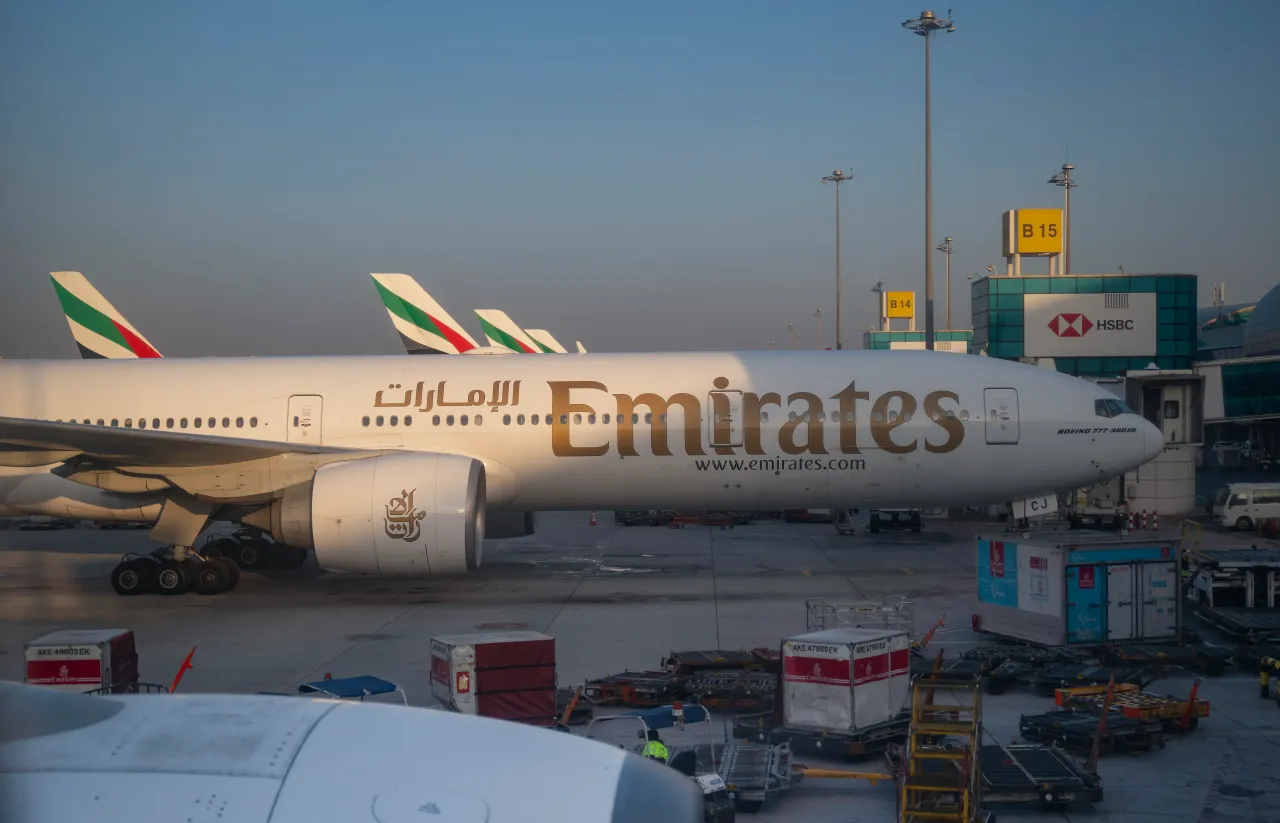
Middle Eastern Airlines Assess Operational Impact Amid War

- Operational Recovery Monitoring: Middle Eastern airlines are closely monitoring the situation to assess the financial impacts of the war and determine when to resume normal operations, a strategy that will directly influence their future flight schedules and market competitiveness.
- Aircraft Purchase Review: Asian carriers, including Lion Air, Garuda Indonesia, and AirAsia, are reassessing timelines for large jet purchases, with some airlines considering pausing deliveries, which could hinder future route expansion plans.
- Boeing Order Dependence: According to Jefferies, 14% of Boeing's backlog comes from Middle Eastern airlines, particularly with its famous 777X widebody aircraft, making Boeing's market performance in the region vulnerable to operational disruptions.
- Rising Oil Price Impact: United Airlines CEO Scott Kirby stated that the spike in fuel prices due to U.S. and Israeli actions against Iran will have a “meaningful” impact on the carrier's financial results this quarter, although travel demand remains strong, high oil prices may suppress future profitability.
Iran War Fuels Demand for Defense Investments
- Surge in Investment Opportunities: As the Iran war escalates, investors expect sustained high demand for U.S. air and missile defense systems, prompting private equity firms to pursue defense-related deals, thereby enhancing growth potential for relevant companies.
- Supply Chain Significance: In missile defense programs like PAC-3 MSE, THAAD, and Standard Missile-3, the main opportunities lie within the supply chain, particularly in the production of propulsion systems, advanced electronics, and composite materials, which will see increased demand as production expands.
- Long-Term Contract Advantages: Many of these businesses operate at Tier 2 or Tier 3 levels, providing components rather than managing primary contracts, and benefit from long-term agreements and strict technical certification requirements, ensuring a competitive edge and stable revenue streams.
- Drone Production Suppliers: Suppliers related to drone production present more accessible investment opportunities for private capital, ensuring the maintenance, repair, and overhaul capabilities of these defense products, thus responding to the current demand signals in the market.
EMBRAER CEO: SAUDI ARABIA NO LONGER A PRIORITY FOR C-390 ORDERS, NOW FOCUSING ON INDIA AND THE U.S.

Shift in Focus: Embraer's CEO states that Saudi Arabia is no longer the primary market for C-390 orders, indicating a strategic shift in focus.
New Markets: The company is now concentrating on opportunities in India and the United States for future orders.
South Korea Opposes U.S. Air Defense Asset Redeployment
- U.S. Asset Redeployment: South Korean President Lee Jae-myung stated that while opposing the U.S. moving some air defense systems out of the country, they cannot make strong demands, highlighting South Korea's passive position in U.S. military strategy adjustments.
- Defense Capability Assessment: Lee emphasized that even if U.S. assets are moved, South Korea's deterrence capability against North Korea would not suffer a serious setback, indicating strong confidence in its defense despite strained relations with Pyongyang.
- Importance of Patriot Systems: Although South Korea has developed its own missile defense systems, the Patriot system remains a crucial component of its air defense architecture, reflecting a strategic reliance on U.S. technology to counter North Korean threats.
- Background of U.S. Troop Movements: The U.S. is considering redeploying Patriot systems to South Korea due to increased demand for air defense in the Middle East, which may raise concerns about the U.S. prioritizing Middle Eastern interests over its Asian allies.
Democrats Push for Congressional Votes on Iran Military Actions
- Congressional Action Plan: Senate Democrats announced a strategy to potentially force a series of war powers votes, aiming to compel Secretary of Defense and Secretary of State to testify about U.S. military actions in Iran, reflecting a strong intent to oversee the Trump administration.
- Military Action Scrutiny: Senators argue that the Trump administration has failed to provide sufficient justification for ongoing military actions, asserting that congressional approval is necessary to continue the war, thereby emphasizing Congress's critical role in military decisions to check executive power.
- Vote Outcome Review: Last week, the Senate blocked a war powers resolution proposed by Kaine and Paul with a vote of 47-53, highlighting divisions within Congress regarding military actions and exacerbating tensions between Democrats and Republicans.
- Urgent Action Call: Democratic senators are urging for immediate hearings with the Secretary of Defense and Secretary of State, indicating their unwillingness to allow Congress to remain silent, thus underscoring the importance of legislative oversight in military decision-making.
Kohl's and Oracle Earnings Preview
- Kohl's Earnings Preview: Kohl's is set to report earnings before the bell, with its stock down approximately 37% over the past three months and 41% from December highs, indicating ongoing pressure in the retail sector that may affect investor confidence.
- Oracle Earnings Outlook: Oracle will release its earnings report after the bell, having seen its stock decline over 31% in the last three months and 56% from September highs, reflecting market concerns about its data center and AI transformation that could impact future growth expectations.
- Existing Home Sales Data: Existing home sales figures will be released at 10 a.m. ET, and despite declines in companies like PulteGroup and Toll Brothers over the past month, they have shown positive year-to-date performance, with Pulte and Toll both up around 8%, indicating resilience in the housing market.
- Boeing Orders and Deliveries: Boeing will announce orders and deliveries data at 11 a.m., and while its stock has fallen 8% in the last month, it has gained over 45% in the past 12 months, showcasing long-term growth potential that investors should monitor amid short-term volatility.
Middle Eastern Airlines Assess Operational Impact Amid War
- Operational Recovery Monitoring: Middle Eastern airlines are closely monitoring the situation to assess the financial impacts of the war and determine when to resume normal operations, a strategy that will directly influence their future flight schedules and market competitiveness.
- Aircraft Purchase Review: Asian carriers, including Lion Air, Garuda Indonesia, and AirAsia, are reassessing timelines for large jet purchases, with some airlines considering pausing deliveries, which could hinder future route expansion plans.
- Boeing Order Dependence: According to Jefferies, 14% of Boeing's backlog comes from Middle Eastern airlines, particularly with its famous 777X widebody aircraft, making Boeing's market performance in the region vulnerable to operational disruptions.
- Rising Oil Price Impact: United Airlines CEO Scott Kirby stated that the spike in fuel prices due to U.S. and Israeli actions against Iran will have a “meaningful” impact on the carrier's financial results this quarter, although travel demand remains strong, high oil prices may suppress future profitability.
Iran War Fuels Demand for Defense Investments
- Surge in Investment Opportunities: As the Iran war escalates, investors expect sustained high demand for U.S. air and missile defense systems, prompting private equity firms to pursue defense-related deals, thereby enhancing growth potential for relevant companies.
- Supply Chain Significance: In missile defense programs like PAC-3 MSE, THAAD, and Standard Missile-3, the main opportunities lie within the supply chain, particularly in the production of propulsion systems, advanced electronics, and composite materials, which will see increased demand as production expands.
- Long-Term Contract Advantages: Many of these businesses operate at Tier 2 or Tier 3 levels, providing components rather than managing primary contracts, and benefit from long-term agreements and strict technical certification requirements, ensuring a competitive edge and stable revenue streams.
- Drone Production Suppliers: Suppliers related to drone production present more accessible investment opportunities for private capital, ensuring the maintenance, repair, and overhaul capabilities of these defense products, thus responding to the current demand signals in the market.
EMBRAER CEO: SAUDI ARABIA NO LONGER A PRIORITY FOR C-390 ORDERS, NOW FOCUSING ON INDIA AND THE U.S.
Shift in Focus: Embraer's CEO states that Saudi Arabia is no longer the primary market for C-390 orders, indicating a strategic shift in focus.
New Markets: The company is now concentrating on opportunities in India and the United States for future orders.