Air Travel Costs Surge Amid Jet Fuel Crisis
Written by Emily J. Thompson, Senior Investment Analyst
Updated: 2 days ago
0mins
Source: Yahoo Finance
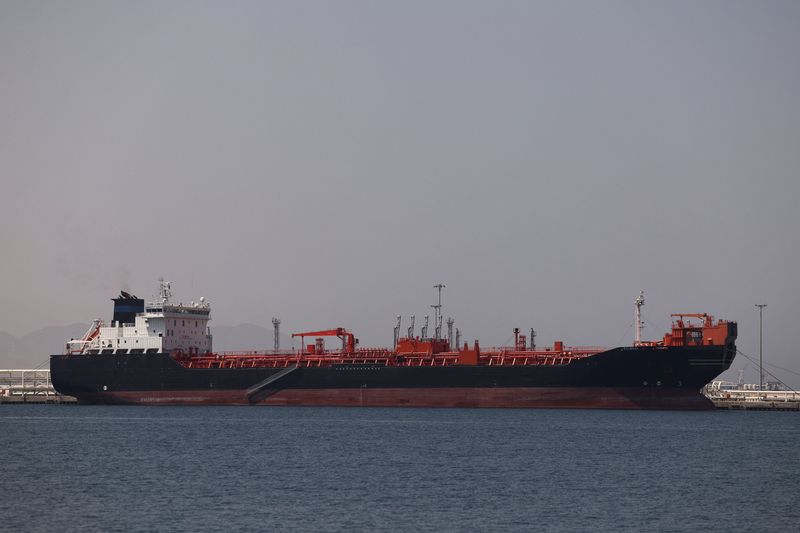
- Fuel Cost Surge: Jet fuel prices have soared over 100% since the start of the Iran war, prompting airlines to cut thousands of flights, which directly impacts consumer travel costs and airline profitability.
- Flight Reductions Impact: The blockage of the Strait of Hormuz has paralyzed about 20% of global jet fuel transport, with an estimated reduction of 620,000 barrels per day in jet fuel supply expected in Q2 2026, exacerbating the aviation crisis.
- Airlines' Response: Delta Air Lines anticipates a $2 billion fuel cost in Q2 and has begun raising fuel surcharges and ticket prices to cope with rising operational costs, indicating a high sense of urgency within the industry.
- Increased Market Competition: High fuel prices force airlines to reduce capacity and consolidate resources, with low-cost carrier Spirit Airlines collapsing under financial pressure, reflecting intensified competition and market restructuring within the industry.
Trade with 70% Backtested Accuracy
Stop guessing "Should I Buy AAL?" and start using high-conviction signals backed by rigorous historical data.
Sign up today to access powerful investing tools and make smarter, data-driven decisions.
Analyst Views on AAL
Wall Street analysts forecast AAL stock price to rise
15 Analyst Rating
7 Buy
7 Hold
1 Sell
Moderate Buy
Current: 13.180

Low
11.00
Averages
17.93
High
22.00
Current: 13.180
Low
11.00
Averages
17.93
High
22.00
About AAL
American Airlines Group Inc. is a holding company. Its primary business activity is the operation of a major network air carrier, providing scheduled air transportation for passengers and cargo through its hubs in Charlotte, Chicago, Dallas/Fort Worth, Los Angeles, Miami, New York, Philadelphia, Phoenix and Washington, D.C. and partner gateways, including in London, Doha, Madrid, Seattle/Tacoma, Sydney and Tokyo, among others. Together with its regional airline subsidiaries and third-party regional carriers operating as American Eagle. Its cargo division provides a wide range of freight and mail services, with facilities and interline connections available across the globe. It operates approximately 977 mainline aircraft supported by its regional airline subsidiaries and third-party regional carriers, which together operate an additional 585 regional aircraft. Its subsidiaries include American Airlines, Inc., Envoy Aviation Group Inc., PSA Airlines, Inc. and Piedmont Airlines, Inc.
About the author

Emily J. Thompson
Emily J. Thompson, a Chartered Financial Analyst (CFA) with 12 years in investment research, graduated with honors from the Wharton School. Specializing in industrial and technology stocks, she provides in-depth analysis for Intellectia’s earnings and market brief reports.

U.S. Aviation Sector Faces Demand Challenges Amid High Fares

- Marginal Passenger Volume Improvement: TSA screening data for U.S. airlines showed a slight improvement last week, yet year-over-year growth remains negative, indicating the aviation sector's struggle amid high ticket prices and strategic capacity cuts.
- Major Airlines Decline: Southwest Airlines and Alaska Air experienced TSA screening drops of 4.6% and 6.3%, respectively, while Delta Air Lines and United Airlines saw declines around 2%, reflecting a broader trend of weak demand.
- Capacity Adjustments in Response: Although domestic capacity for Q2 2026 is projected to grow by 3.6%, airlines have begun trimming seat arrangements for upcoming months, with total industry capacity reduced by 0.3% in May and 0.5% in June.
- High Fares Impacting Consumers: Despite a slight uptick in passenger volume, consumer sensitivity to high fares, exacerbated by war-related fuel price spikes, remains a significant headwind for the industry as it approaches the peak summer travel season.
See More

Brazil's Azul Airlines Faces $204M Hit from Rising Fuel Prices

- Fuel Cost Pressure: Brazilian airline Azul expects a hit of about 1 billion reais ($204.15 million) from rising fuel prices, with fuel accounting for 30% of its total costs, significantly impacting its financial health.
- Post-Restructuring Challenge: Following a $2.5 billion debt reduction and restructuring, Azul faces its first major test, although the company believes it is better positioned than peers to absorb the impact of rising costs.
- Optimized Delivery Plans: Azul anticipates the delivery of four Embraer E2 jets and seven Airbus widebodies this year at more favorable prices than previous contracts, which will help mitigate the pressure from rising fuel costs.
- New CFO's Cost Control: New CFO Antonio Carlos Garcia focuses on strict cost discipline and improving cash flow, planning to relaunch the American Depositary Receipts (ADR) program by late May or early June to enhance the company's financial stability.
See More
Air Travel Costs Surge Amid Jet Fuel Crisis

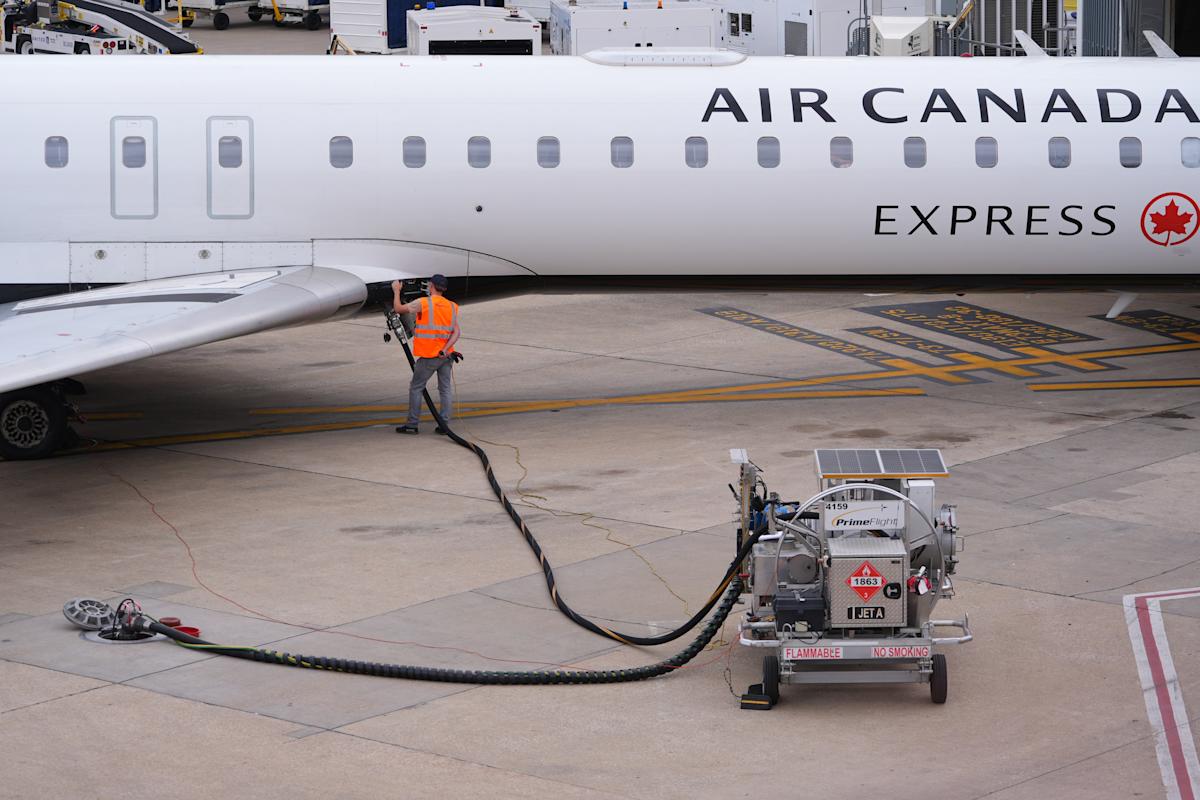
- Fuel Cost Surge: Jet fuel prices have soared over 100% since the start of the Iran war, prompting airlines to cut thousands of flights, which directly impacts consumer travel costs and airline profitability.
- Flight Reductions Impact: The blockage of the Strait of Hormuz has paralyzed about 20% of global jet fuel transport, with an estimated reduction of 620,000 barrels per day in jet fuel supply expected in Q2 2026, exacerbating the aviation crisis.
- Airlines' Response: Delta Air Lines anticipates a $2 billion fuel cost in Q2 and has begun raising fuel surcharges and ticket prices to cope with rising operational costs, indicating a high sense of urgency within the industry.
- Increased Market Competition: High fuel prices force airlines to reduce capacity and consolidate resources, with low-cost carrier Spirit Airlines collapsing under financial pressure, reflecting intensified competition and market restructuring within the industry.
See More

US Stocks Surge as Tech Stocks Lead Gains


- Tech Stocks Rally: The Nasdaq 100 surged 2.08% to reach an all-time high on Wednesday, driven by stellar earnings from chipmakers and AI infrastructure firms, particularly Advanced Micro Devices, which rose over 17% as it raised its full-year sales forecast, reflecting strong investor optimism about ongoing AI investments.
- Crude Oil Plunge: WTI crude oil prices fell more than 7% to a two-week low as market expectations for a US-Iran peace agreement increased, easing inflation fears and contributing to stock market gains, with the 10-year Treasury yield dropping to a one-week low of 4.33%.
- Employment Data Impact: The April ADP employment report indicated that US companies added 109,000 jobs, below the expected 120,000, yet the market remains optimistic about the Fed's monetary policy, believing it will help maintain a low interest rate environment.
- International Market Surge: Overseas stock markets closed sharply higher, with the Euro Stoxx 50 rising 2.68% and China's Shanghai Composite gaining 1.17%, indicating a positive global market response to the US economic recovery, further boosting investor confidence.
See More
U.S. Airlines' Jet Fuel Spending Soars in March
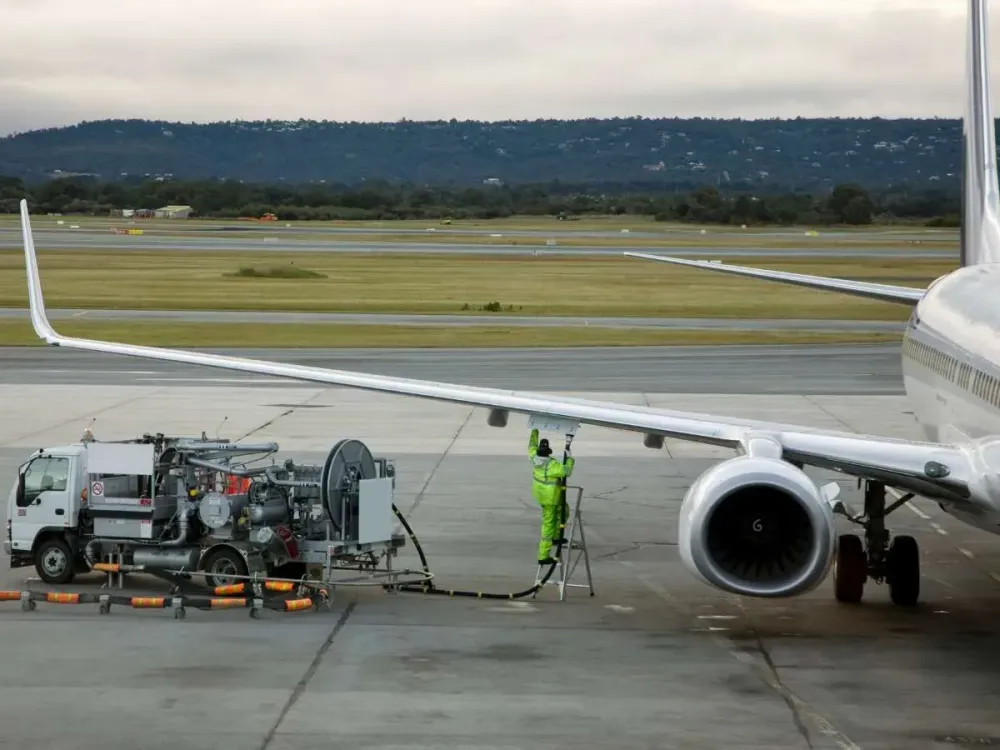
- Surge in Fuel Spending: U.S. airlines spent $5.06 billion on jet fuel in March 2026, a 56.4% increase from February and a 30% year-on-year rise, significantly impacting profitability amid rising operational costs.
- Flight Plan Adjustments: Major carriers like Delta Airlines have scaled back flight plans and lowered or scrapped 2026 forecasts due to uncertainty in crude oil prices, indicating serious concerns over future expenses.
- Increased Fuel Usage: According to the Bureau of Transportation Statistics, airlines consumed 1.615 billion gallons of fuel in March 2026, a 19.5% increase from February, with the cost per gallon rising to $3.13, up 31% from the previous month.
- Ticket Sales Growth: Despite soaring fuel costs, airline ticket sales in March rose 12% year-on-year to $10.4 billion, reflecting strong consumer demand with domestic trips up 5% and international trips up 1%.
See More
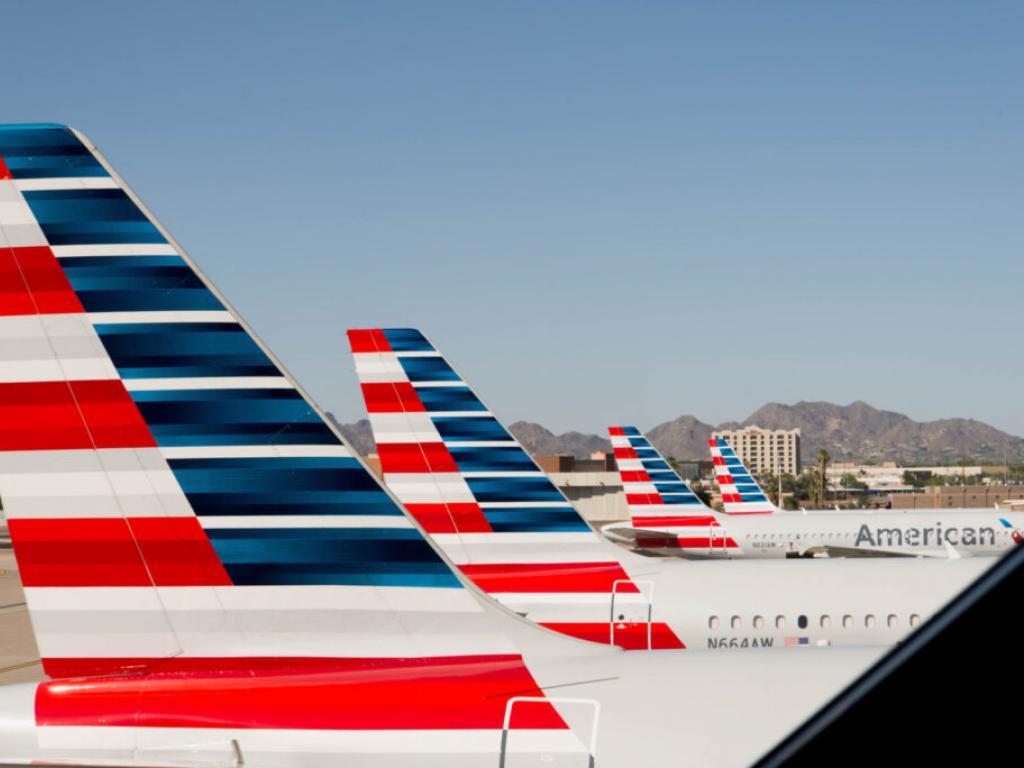
FAA Chief to Testify on Deadly Mid-Air Collision
- Systemic Failure Inquiry: FAA Administrator Bryan Bedford is set to testify on May 19 regarding systemic failures that led to a mid-air collision last year, resulting in 67 fatalities, highlighting significant deficiencies in FAA's safety oversight that could impact future aviation safety policies.
- Background of the Tragedy: The January 2025 collision between an American Airlines regional jet and an Army Black Hawk helicopter near Ronald Reagan Washington National Airport marked the deadliest U.S. aviation disaster in over two decades, prompting Congress to scrutinize the FAA's regulatory capabilities.
- Significance of Congressional Hearing: Senator Jerry Moran, chair of the Senate aviation subcommittee, emphasized the fragility of the aviation system, necessitating immediate implementation of safety standards, as Congress reviews competing bills aimed at enhancing air safety, reflecting the legislative pressure on the FAA.
- NTSB Criticism and Recommendations: The National Transportation Safety Board (NTSB) criticized the FAA for failing to effectively separate helicopter and airplane traffic, leading to 15,200 air separation incidents at Reagan Airport since 2021, with over 30 recommendations made to the FAA, underscoring deficiencies in safety culture and communication.
See More
U.S. Aviation Sector Faces Demand Challenges Amid High Fares
- Marginal Passenger Volume Improvement: TSA screening data for U.S. airlines showed a slight improvement last week, yet year-over-year growth remains negative, indicating the aviation sector's struggle amid high ticket prices and strategic capacity cuts.
- Major Airlines Decline: Southwest Airlines and Alaska Air experienced TSA screening drops of 4.6% and 6.3%, respectively, while Delta Air Lines and United Airlines saw declines around 2%, reflecting a broader trend of weak demand.
- Capacity Adjustments in Response: Although domestic capacity for Q2 2026 is projected to grow by 3.6%, airlines have begun trimming seat arrangements for upcoming months, with total industry capacity reduced by 0.3% in May and 0.5% in June.
- High Fares Impacting Consumers: Despite a slight uptick in passenger volume, consumer sensitivity to high fares, exacerbated by war-related fuel price spikes, remains a significant headwind for the industry as it approaches the peak summer travel season.
See More
Brazil's Azul Airlines Faces $204M Hit from Rising Fuel Prices
- Fuel Cost Pressure: Brazilian airline Azul expects a hit of about 1 billion reais ($204.15 million) from rising fuel prices, with fuel accounting for 30% of its total costs, significantly impacting its financial health.
- Post-Restructuring Challenge: Following a $2.5 billion debt reduction and restructuring, Azul faces its first major test, although the company believes it is better positioned than peers to absorb the impact of rising costs.
- Optimized Delivery Plans: Azul anticipates the delivery of four Embraer E2 jets and seven Airbus widebodies this year at more favorable prices than previous contracts, which will help mitigate the pressure from rising fuel costs.
- New CFO's Cost Control: New CFO Antonio Carlos Garcia focuses on strict cost discipline and improving cash flow, planning to relaunch the American Depositary Receipts (ADR) program by late May or early June to enhance the company's financial stability.
See More
Air Travel Costs Surge Amid Jet Fuel Crisis
- Fuel Cost Surge: Jet fuel prices have soared over 100% since the start of the Iran war, prompting airlines to cut thousands of flights, which directly impacts consumer travel costs and airline profitability.
- Flight Reductions Impact: The blockage of the Strait of Hormuz has paralyzed about 20% of global jet fuel transport, with an estimated reduction of 620,000 barrels per day in jet fuel supply expected in Q2 2026, exacerbating the aviation crisis.
- Airlines' Response: Delta Air Lines anticipates a $2 billion fuel cost in Q2 and has begun raising fuel surcharges and ticket prices to cope with rising operational costs, indicating a high sense of urgency within the industry.
- Increased Market Competition: High fuel prices force airlines to reduce capacity and consolidate resources, with low-cost carrier Spirit Airlines collapsing under financial pressure, reflecting intensified competition and market restructuring within the industry.
See More
US Stocks Surge as Tech Stocks Lead Gains
- Tech Stocks Rally: The Nasdaq 100 surged 2.08% to reach an all-time high on Wednesday, driven by stellar earnings from chipmakers and AI infrastructure firms, particularly Advanced Micro Devices, which rose over 17% as it raised its full-year sales forecast, reflecting strong investor optimism about ongoing AI investments.
- Crude Oil Plunge: WTI crude oil prices fell more than 7% to a two-week low as market expectations for a US-Iran peace agreement increased, easing inflation fears and contributing to stock market gains, with the 10-year Treasury yield dropping to a one-week low of 4.33%.
- Employment Data Impact: The April ADP employment report indicated that US companies added 109,000 jobs, below the expected 120,000, yet the market remains optimistic about the Fed's monetary policy, believing it will help maintain a low interest rate environment.
- International Market Surge: Overseas stock markets closed sharply higher, with the Euro Stoxx 50 rising 2.68% and China's Shanghai Composite gaining 1.17%, indicating a positive global market response to the US economic recovery, further boosting investor confidence.
See More
U.S. Airlines' Jet Fuel Spending Soars in March
- Surge in Fuel Spending: U.S. airlines spent $5.06 billion on jet fuel in March 2026, a 56.4% increase from February and a 30% year-on-year rise, significantly impacting profitability amid rising operational costs.
- Flight Plan Adjustments: Major carriers like Delta Airlines have scaled back flight plans and lowered or scrapped 2026 forecasts due to uncertainty in crude oil prices, indicating serious concerns over future expenses.
- Increased Fuel Usage: According to the Bureau of Transportation Statistics, airlines consumed 1.615 billion gallons of fuel in March 2026, a 19.5% increase from February, with the cost per gallon rising to $3.13, up 31% from the previous month.
- Ticket Sales Growth: Despite soaring fuel costs, airline ticket sales in March rose 12% year-on-year to $10.4 billion, reflecting strong consumer demand with domestic trips up 5% and international trips up 1%.
See More
FAA Chief to Testify on Deadly Mid-Air Collision
- Systemic Failure Inquiry: FAA Administrator Bryan Bedford is set to testify on May 19 regarding systemic failures that led to a mid-air collision last year, resulting in 67 fatalities, highlighting significant deficiencies in FAA's safety oversight that could impact future aviation safety policies.
- Background of the Tragedy: The January 2025 collision between an American Airlines regional jet and an Army Black Hawk helicopter near Ronald Reagan Washington National Airport marked the deadliest U.S. aviation disaster in over two decades, prompting Congress to scrutinize the FAA's regulatory capabilities.
- Significance of Congressional Hearing: Senator Jerry Moran, chair of the Senate aviation subcommittee, emphasized the fragility of the aviation system, necessitating immediate implementation of safety standards, as Congress reviews competing bills aimed at enhancing air safety, reflecting the legislative pressure on the FAA.
- NTSB Criticism and Recommendations: The National Transportation Safety Board (NTSB) criticized the FAA for failing to effectively separate helicopter and airplane traffic, leading to 15,200 air separation incidents at Reagan Airport since 2021, with over 30 recommendations made to the FAA, underscoring deficiencies in safety culture and communication.
See More