AI Stocks Face Volatility Amid Market Concerns
Written by Emily J. Thompson, Senior Investment Analyst
Updated: Mar 22 2026
0mins

Should l Buy META?
Source: Fool
- Increased Market Volatility: Over the past three years, the S&P 500 has surged over 78%, but recent geopolitical and economic uncertainties have shifted market sentiment to pessimism, with the fear gauge VIX spiking to 24, indicating heightened investor concerns about the future.
- AI Investment Surge: Major tech companies have pledged nearly $700 billion in capital spending this year, primarily for AI infrastructure, yet despite strong demand, investors question the justification of spending levels, which could impact future revenue opportunities.
- Historical Trend Analysis: Historical data shows that peaks in the VIX often accompany declines in the S&P 500, suggesting that AI stocks may continue to slip in the short term, particularly as tech stocks hold significant weight in the index, affecting overall market performance.
- Long-Term Investment Opportunities: Although AI stocks may face downward pressure in the near term, history indicates that the S&P 500 typically rebounds after periods of fear and uncertainty, prompting savvy investors to leverage current market volatility to acquire quality AI stocks with strong long-term outlooks.
Trade with 70% Backtested Accuracy
Stop guessing "Should I Buy META?" and start using high-conviction signals backed by rigorous historical data.
Sign up today to access powerful investing tools and make smarter, data-driven decisions.
Analyst Views on META
Wall Street analysts forecast META stock price to rise
44 Analyst Rating
37 Buy
6 Hold
1 Sell
Strong Buy
Current: 616.630

Low
655.15
Averages
824.71
High
1117
Current: 616.630
Low
655.15
Averages
824.71
High
1117
About META
Meta Platforms, Inc. is building human connections, powered by artificial intelligence and immersive technologies. The Company's products enable people to connect and share with friends and family through mobile devices, personal computers, virtual reality (VR) and mixed reality (MR) headsets, augmented reality (AR), and wearables. It also helps people discover and learn about what is going on in the world around them, enabling people to share their experiences, ideas, photos, videos, and other content with audiences ranging from their closest family members and friends to the public at large. The Company's segments include Family of Apps (FoA) and Reality Labs (RL). FoA segment includes Facebook, Instagram, Messenger, WhatsApp and Threads. RL segment includes its virtual, augmented, and mixed reality related consumer hardware, software and content. Its product offerings in VR include its Meta Quest devices, as well as software and content available through the Meta Horizon Store.
About the author

Emily J. Thompson
Emily J. Thompson, a Chartered Financial Analyst (CFA) with 12 years in investment research, graduated with honors from the Wharton School. Specializing in industrial and technology stocks, she provides in-depth analysis for Intellectia’s earnings and market brief reports.

SpaceX IPO Set to Break Records with $2 Trillion Valuation

- IPO Scale Prediction: SpaceX is set to kick off its IPO roadshow on June 8, with market predictions indicating a debut valuation exceeding $2 trillion, reflecting strong investor interest in the space and AI sectors.
- Market Valuation Analysis: According to Polymarket, there is a 62% chance that SpaceX will surpass a $2 trillion market cap by the end of its first trading day, a significant increase from 45% in early April, showcasing investor optimism about its growth potential.
- Historical Lessons Caution: Despite the excitement surrounding SpaceX's IPO, historical data shows that many large IPOs have struggled post-debut, such as Facebook's 38% drop in the six months following its launch, serving as a cautionary tale for investors.
- Valuation Bubble Risk: With SpaceX's sales last year estimated between $15 billion and $16 billion, a $2 trillion valuation would imply a price-to-sales ratio exceeding 100, which historically indicates a bubble risk as no company has sustained a P/S ratio above 30 for the long term.
See More
Key Discussion Points at Trump-Xi Summit


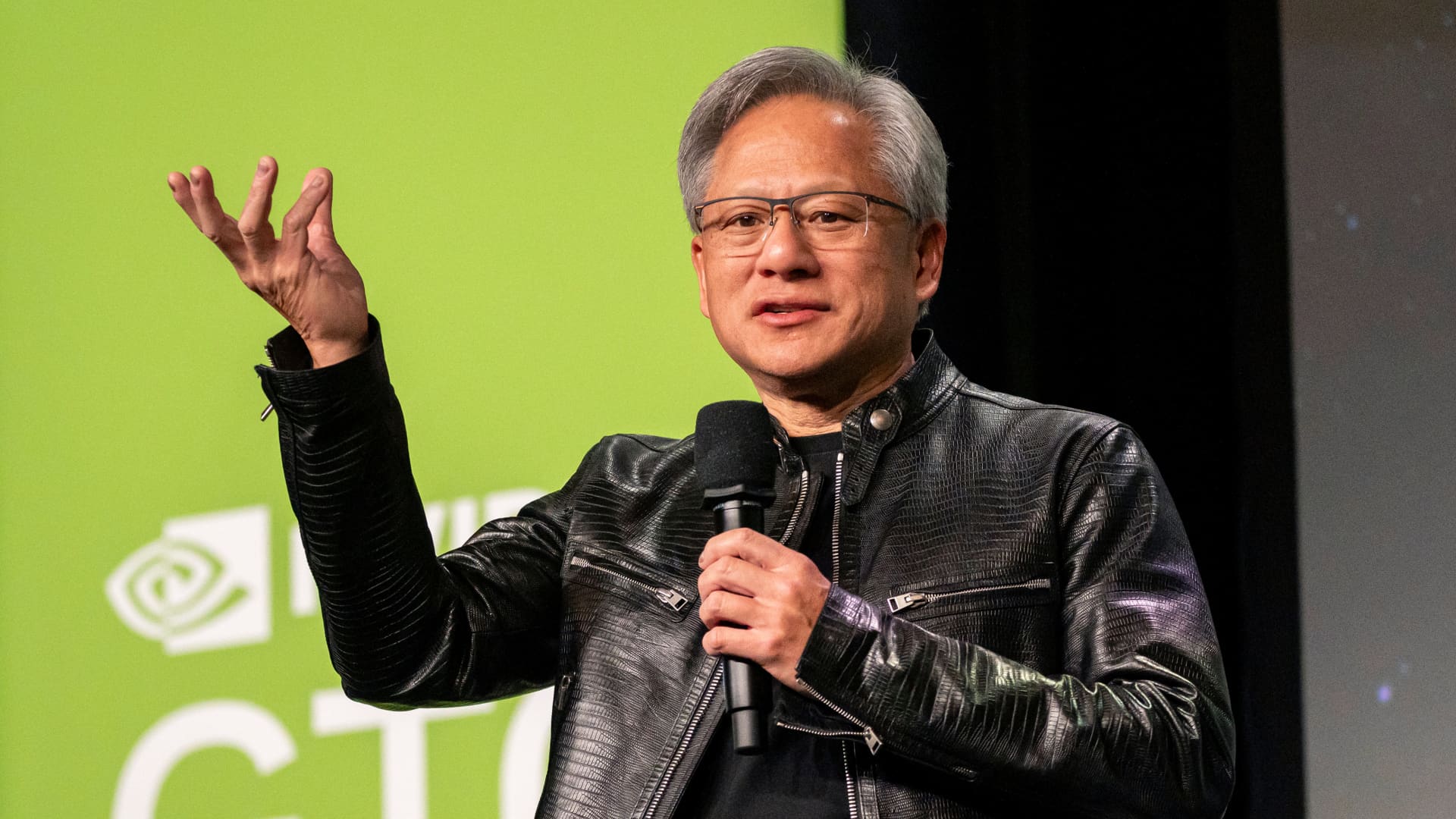
- Market Access Priority: Trump emphasized that opening up the Chinese market would be his first request to Xi during their talks, potentially providing broader business opportunities for U.S. tech companies and improving bilateral economic relations.
- Critical Minerals Control: China's dominance in the global rare earth market is significant, accounting for 59% of global rare earth mining and 91% of refining in 2024, and Trump may request Xi to grant licenses for American commercial users to secure rare earth supplies, alleviating U.S. dependence on China.
- AI Chip Export Issues: The sale of Nvidia's H200 AI chips emerged as a focal point in Trump's discussions with Xi, as the U.S. has approved sales to several major Chinese tech firms, yet political resistance, particularly from hawks in Congress, could hinder smooth transactions.
- Executive Participation Impact: The involvement of top U.S. tech executives, including Jensen Huang, Elon Musk, and Tim Cook, underscores the importance of technology and commerce in the discussions, potentially leading to the establishment of a U.S.-China Board of Trade and Investment to enhance economic cooperation.
See More
AMD's Strong Quarterly Performance Boosts AI Market Share

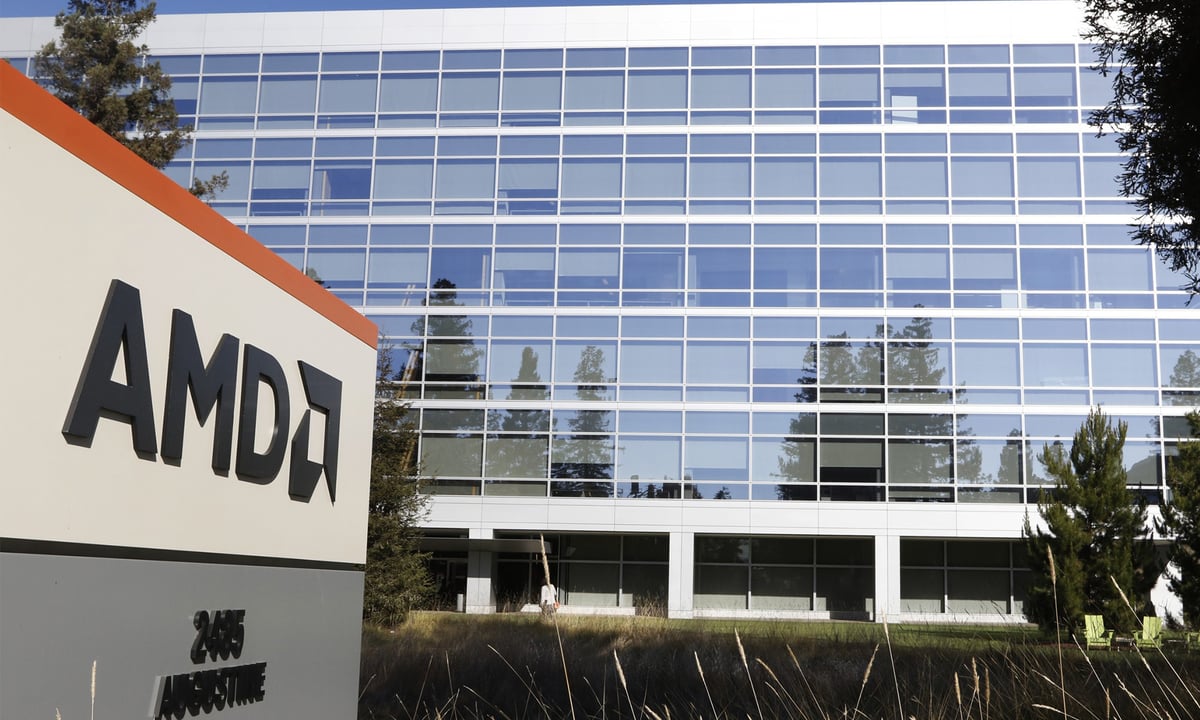
- Significant Revenue Growth: AMD's Q1 revenue surged 38% year-over-year to $10.25 billion, exceeding analysts' expectations of $9.89 billion, indicating strong demand in the AI infrastructure market, particularly for data center GPUs and server CPUs.
- Surge in Data Center Demand: Demand for AMD's Epyc server CPUs and Instinct GPUs in data centers is robust, with Meta set to become a 'lead customer' for its sixth-generation Epyc CPUs, planning to deploy up to 6GW of Instinct GPUs, further solidifying AMD's position in the AI sector.
- Market Share Increase: AMD's share in the server CPU market rose from 27% to 36% year-over-year, with expectations for the market to grow at over 35% annually in the next three to five years, paving the way for stronger revenue growth for the company.
- Optimistic Outlook: AMD anticipates a 46% year-over-year revenue increase in Q2 to $11.2 billion, with non-GAAP gross margin expected to rise to 56%, indicating substantial long-term growth potential in the AI market, as analysts project a 234% year-over-year increase in earnings per share.
See More
Meta and Google Collaborate on Children's Technology Education

- Controversial Partnerships: Meta and Google have partnered with children's brands like Sesame Street and Girl Scouts to teach kids about technology moderation, yet critics argue this fosters dependency on social media, particularly targeting children under 12, raising significant concerns among parents and experts.
- Economic Incentives and Trust Issues: The companies back educational initiatives with tens of millions in sponsorships, but their business models rely on maximizing user engagement, making it difficult to provide unbiased guidance and further eroding trust in traditional parenting institutions.
- Implementation of Digital Safety Curriculum: The Girl Scouts' digital safety curriculum requires participants to track their screen time to earn a “digital leadership” badge, and while it addresses online safety, it has been criticized for subtly encouraging social media use among children.
- Dual Nature of Educational Materials: Google-sponsored Highlights magazine introduced a “device sleeping bag” project that encourages children to “put their devices to bed” at night, which normalizes smartphone use among young readers, despite also addressing important topics like recognizing online scams.
See More

Meta Platforms Stock Represents Undervalued Investment Opportunity
- Market Undervaluation: Despite Meta Platforms (META) investing billions in artificial intelligence (AI), the market's lack of focus on its growth potential has led to a valuation of $1.6 trillion with a PE ratio below 19, significantly lower than the S&P 500's 21.9.
- Advertising Revenue Growth: Meta's AI advancements have enhanced ad effectiveness, allowing clients to easily create multiple ad variations, resulting in over 30% year-over-year revenue growth, showcasing the strength of its advertising business.
- New Product Development: Meta is developing personal superintelligence products expected to serve billions, with CEO Mark Zuckerberg noting progress; if successful, this could create new revenue streams and enhance its market position.
- Investment Timing: Given Meta's robust growth and relatively low PE ratio, investors should seize this opportunity before the market fully recognizes its value, anticipating substantial returns in the future.
See More

Public Pension Leaders Raise Concerns Over SpaceX's Governance Structure Ahead of IPO
- Governance Concerns: Leaders of three major U.S. public pension systems expressed serious concerns over SpaceX's upcoming IPO governance structure, arguing that it undermines shareholder protections, particularly due to Musk's excessive control, which could adversely affect long-term investors' interests.
- Massive IPO Scale: SpaceX aims to raise $75 billion in its IPO with a valuation of $1.75 trillion; however, its management-favorable structure may render it the most shareholder-unfriendly public offering in U.S. history, potentially impacting market confidence.
- Regulatory History Raises Doubts: The pension leaders highlighted Musk's regulatory history, including settlements with the SEC and a fraud verdict related to Twitter shareholders, suggesting these factors could compromise SpaceX's governance transparency and shareholder rights.
- Governance Recommendations: They urged SpaceX to adopt a one-share, one-vote structure, establish a majority-independent board, and eliminate provisions protecting Musk from termination, ensuring that corporate governance meets the fundamental protections required by long-term investors.
See More
SpaceX IPO Set to Break Records with $2 Trillion Valuation
- IPO Scale Prediction: SpaceX is set to kick off its IPO roadshow on June 8, with market predictions indicating a debut valuation exceeding $2 trillion, reflecting strong investor interest in the space and AI sectors.
- Market Valuation Analysis: According to Polymarket, there is a 62% chance that SpaceX will surpass a $2 trillion market cap by the end of its first trading day, a significant increase from 45% in early April, showcasing investor optimism about its growth potential.
- Historical Lessons Caution: Despite the excitement surrounding SpaceX's IPO, historical data shows that many large IPOs have struggled post-debut, such as Facebook's 38% drop in the six months following its launch, serving as a cautionary tale for investors.
- Valuation Bubble Risk: With SpaceX's sales last year estimated between $15 billion and $16 billion, a $2 trillion valuation would imply a price-to-sales ratio exceeding 100, which historically indicates a bubble risk as no company has sustained a P/S ratio above 30 for the long term.
See More
Key Discussion Points at Trump-Xi Summit
- Market Access Priority: Trump emphasized that opening up the Chinese market would be his first request to Xi during their talks, potentially providing broader business opportunities for U.S. tech companies and improving bilateral economic relations.
- Critical Minerals Control: China's dominance in the global rare earth market is significant, accounting for 59% of global rare earth mining and 91% of refining in 2024, and Trump may request Xi to grant licenses for American commercial users to secure rare earth supplies, alleviating U.S. dependence on China.
- AI Chip Export Issues: The sale of Nvidia's H200 AI chips emerged as a focal point in Trump's discussions with Xi, as the U.S. has approved sales to several major Chinese tech firms, yet political resistance, particularly from hawks in Congress, could hinder smooth transactions.
- Executive Participation Impact: The involvement of top U.S. tech executives, including Jensen Huang, Elon Musk, and Tim Cook, underscores the importance of technology and commerce in the discussions, potentially leading to the establishment of a U.S.-China Board of Trade and Investment to enhance economic cooperation.
See More
AMD's Strong Quarterly Performance Boosts AI Market Share
- Significant Revenue Growth: AMD's Q1 revenue surged 38% year-over-year to $10.25 billion, exceeding analysts' expectations of $9.89 billion, indicating strong demand in the AI infrastructure market, particularly for data center GPUs and server CPUs.
- Surge in Data Center Demand: Demand for AMD's Epyc server CPUs and Instinct GPUs in data centers is robust, with Meta set to become a 'lead customer' for its sixth-generation Epyc CPUs, planning to deploy up to 6GW of Instinct GPUs, further solidifying AMD's position in the AI sector.
- Market Share Increase: AMD's share in the server CPU market rose from 27% to 36% year-over-year, with expectations for the market to grow at over 35% annually in the next three to five years, paving the way for stronger revenue growth for the company.
- Optimistic Outlook: AMD anticipates a 46% year-over-year revenue increase in Q2 to $11.2 billion, with non-GAAP gross margin expected to rise to 56%, indicating substantial long-term growth potential in the AI market, as analysts project a 234% year-over-year increase in earnings per share.
See More
Meta and Google Collaborate on Children's Technology Education
- Controversial Partnerships: Meta and Google have partnered with children's brands like Sesame Street and Girl Scouts to teach kids about technology moderation, yet critics argue this fosters dependency on social media, particularly targeting children under 12, raising significant concerns among parents and experts.
- Economic Incentives and Trust Issues: The companies back educational initiatives with tens of millions in sponsorships, but their business models rely on maximizing user engagement, making it difficult to provide unbiased guidance and further eroding trust in traditional parenting institutions.
- Implementation of Digital Safety Curriculum: The Girl Scouts' digital safety curriculum requires participants to track their screen time to earn a “digital leadership” badge, and while it addresses online safety, it has been criticized for subtly encouraging social media use among children.
- Dual Nature of Educational Materials: Google-sponsored Highlights magazine introduced a “device sleeping bag” project that encourages children to “put their devices to bed” at night, which normalizes smartphone use among young readers, despite also addressing important topics like recognizing online scams.
See More
Meta Platforms Stock Represents Undervalued Investment Opportunity
- Market Undervaluation: Despite Meta Platforms (META) investing billions in artificial intelligence (AI), the market's lack of focus on its growth potential has led to a valuation of $1.6 trillion with a PE ratio below 19, significantly lower than the S&P 500's 21.9.
- Advertising Revenue Growth: Meta's AI advancements have enhanced ad effectiveness, allowing clients to easily create multiple ad variations, resulting in over 30% year-over-year revenue growth, showcasing the strength of its advertising business.
- New Product Development: Meta is developing personal superintelligence products expected to serve billions, with CEO Mark Zuckerberg noting progress; if successful, this could create new revenue streams and enhance its market position.
- Investment Timing: Given Meta's robust growth and relatively low PE ratio, investors should seize this opportunity before the market fully recognizes its value, anticipating substantial returns in the future.
See More
Public Pension Leaders Raise Concerns Over SpaceX's Governance Structure Ahead of IPO
- Governance Concerns: Leaders of three major U.S. public pension systems expressed serious concerns over SpaceX's upcoming IPO governance structure, arguing that it undermines shareholder protections, particularly due to Musk's excessive control, which could adversely affect long-term investors' interests.
- Massive IPO Scale: SpaceX aims to raise $75 billion in its IPO with a valuation of $1.75 trillion; however, its management-favorable structure may render it the most shareholder-unfriendly public offering in U.S. history, potentially impacting market confidence.
- Regulatory History Raises Doubts: The pension leaders highlighted Musk's regulatory history, including settlements with the SEC and a fraud verdict related to Twitter shareholders, suggesting these factors could compromise SpaceX's governance transparency and shareholder rights.
- Governance Recommendations: They urged SpaceX to adopt a one-share, one-vote structure, establish a majority-independent board, and eliminate provisions protecting Musk from termination, ensuring that corporate governance meets the fundamental protections required by long-term investors.
See More