AAL Set for Second Consecutive Weekly Increase: Factors Behind Airline Stocks' Resilience Amid Market Drop

UBS Adjusts Price Target for AAL: UBS has lowered its price target for American Airlines Group (AAL) from $15 to $14, citing rising fuel costs, while maintaining a 'buy' rating on the stock.
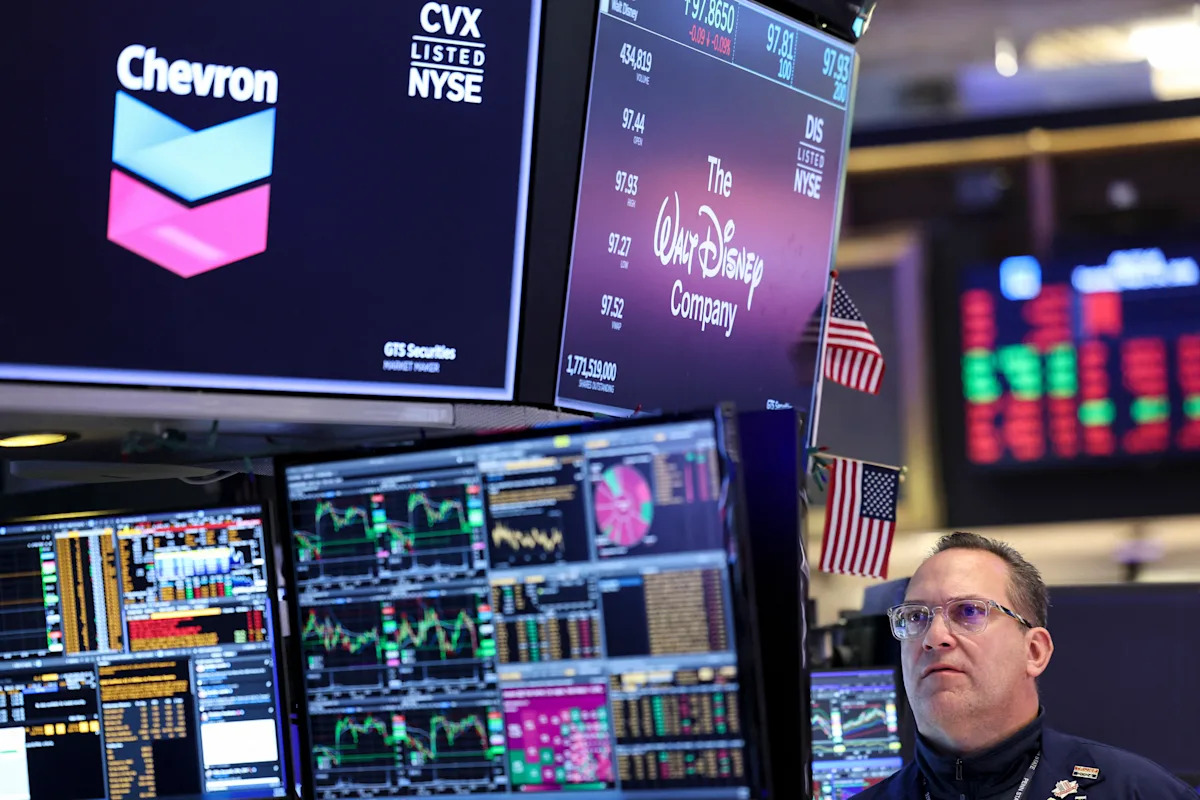
Market Sentiment and Stock Performance: AAL shares saw a slight increase, tracking a broader rebound in airline stocks, despite overall bearish sentiment in the stock market over the past three months.
Future Revenue Projections: American Airlines reported a revenue forecast of $54.6 billion for 2025, with expectations for significant growth and free cash flow, despite challenges from rising fuel costs and a recent government shutdown impacting Q4 revenue.
In-Flight Experience Enhancements: American Airlines is in discussions with SpaceX's Starlink and Amazon to improve in-flight internet and entertainment offerings, including potential partnerships for content access.
Trade with 70% Backtested Accuracy
Analyst Views on AAL

About AAL
About the author

Airlines Face High Fuel Prices and Security Crisis


- Fuel Price Surge Impacts Fares: Fuel prices at major U.S. airports have reached $3.98 per gallon, up nearly 60% since February 28, forcing airlines to raise ticket prices to cover rising costs, with airfare expected to increase by 20% this year.
- Strong Demand Persists: Despite rising fares, airlines like Delta and American Airlines report that demand remains robust, particularly for high-end leisure travel, indicating consumers' willingness to continue flying, which may encourage airlines to maintain flight schedules in the future.
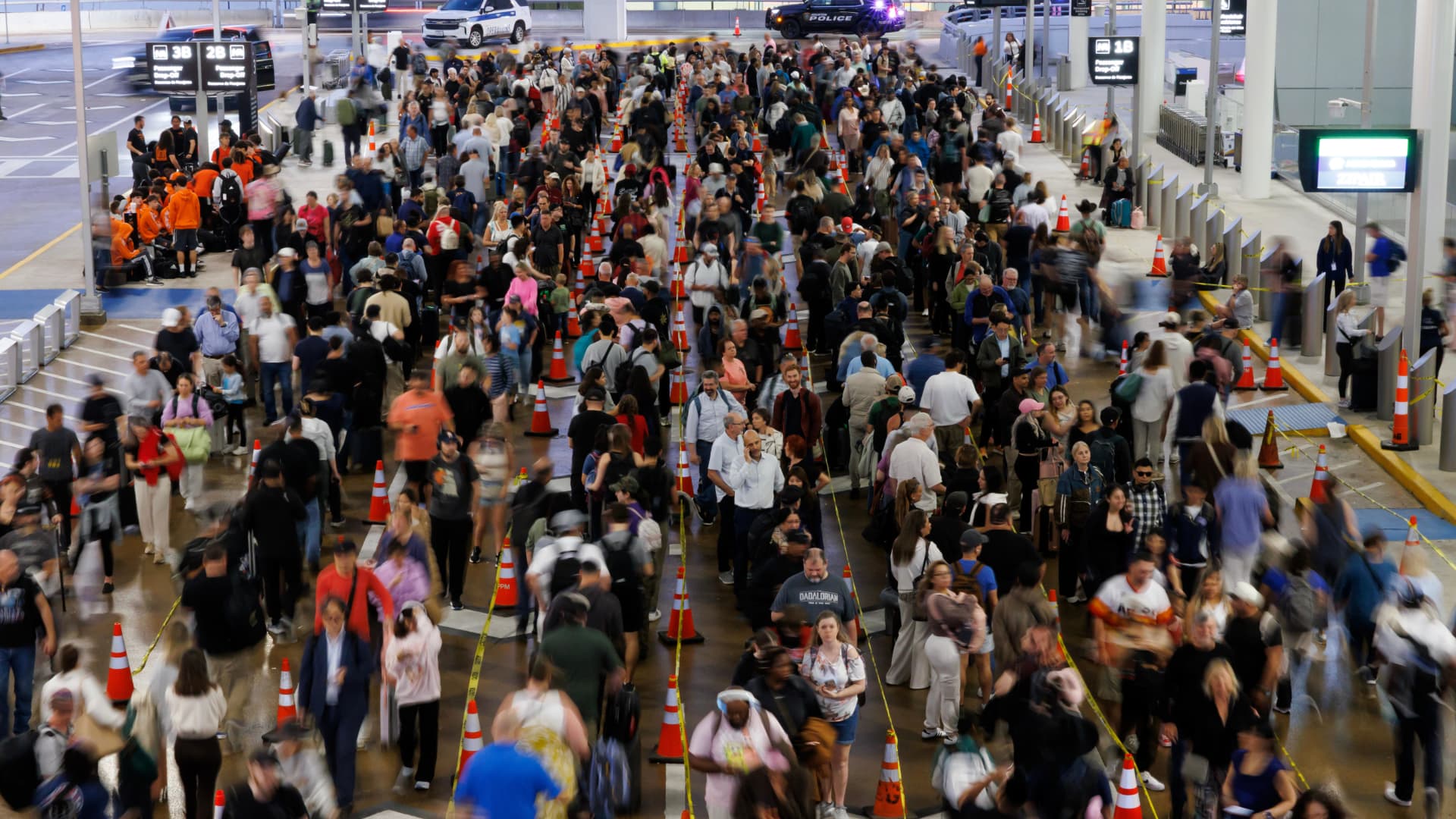
- Security Delays Worsen: An impasse in Congress over funding for the Department of Homeland Security has led to nearly 500 TSA officer resignations, resulting in security wait times exceeding three hours at major U.S. airports, negatively impacting traveler experiences and potentially reducing future travel willingness.
- Government Intervention Measures: President Trump has pledged to sign an order to ensure over 50,000 TSA officers are paid, yet the deployment of ICE officers may cause traveler unease, further affecting passenger throughput in the coming days.
U.S. Consumers Face Economic Impact from Soaring Oil Prices

- Surging Oil Prices: The blockage of the Strait of Hormuz has caused Brent crude oil's May contract to surge over 55% in March, marking the largest monthly gain since 1998, leading to economic pressures on U.S. consumers in areas like travel and mail delivery.
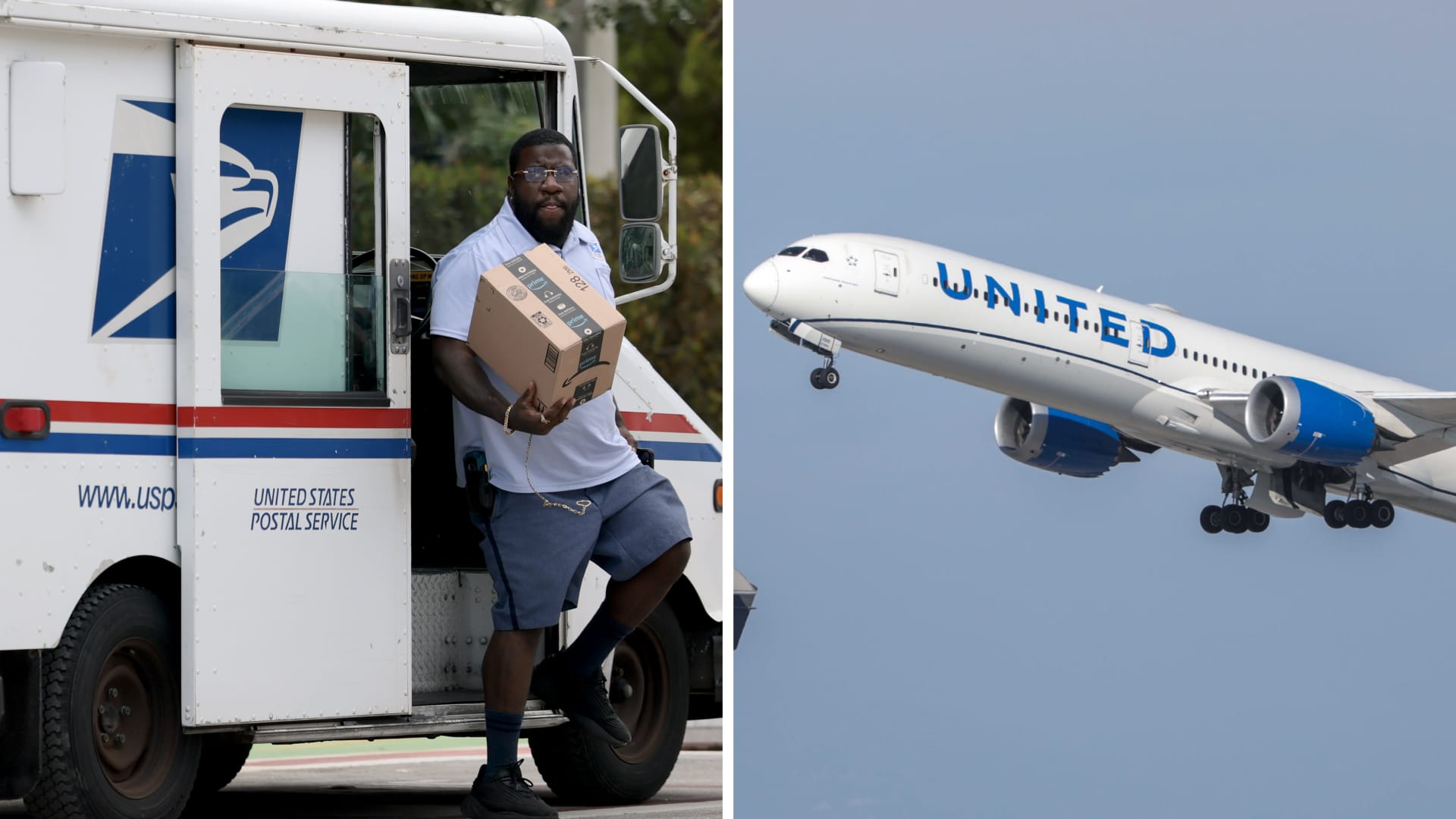
- Postal Service Adjustments: The U.S. Postal Service plans to implement an 8% temporary fuel surcharge on packages and express mail starting in late April, lasting until 2027, to cover rising operational costs, although this measure requires regulatory approval.
- Airline Response: United Airlines intends to cut back on some lower-profit flights and anticipates oil prices reaching $175 per barrel, which could increase its fuel costs by $11 billion, more than double its previous highest profits, resulting in higher ticket prices for travelers.
- Declining Consumer Confidence: According to the University of Michigan's survey, the consumer confidence index fell nearly 6% in March to a historic low, indicating worsening economic expectations due to the war and rising inflation concerns among consumers.
How Delta and United Navigate Challenges in the Airline Industry


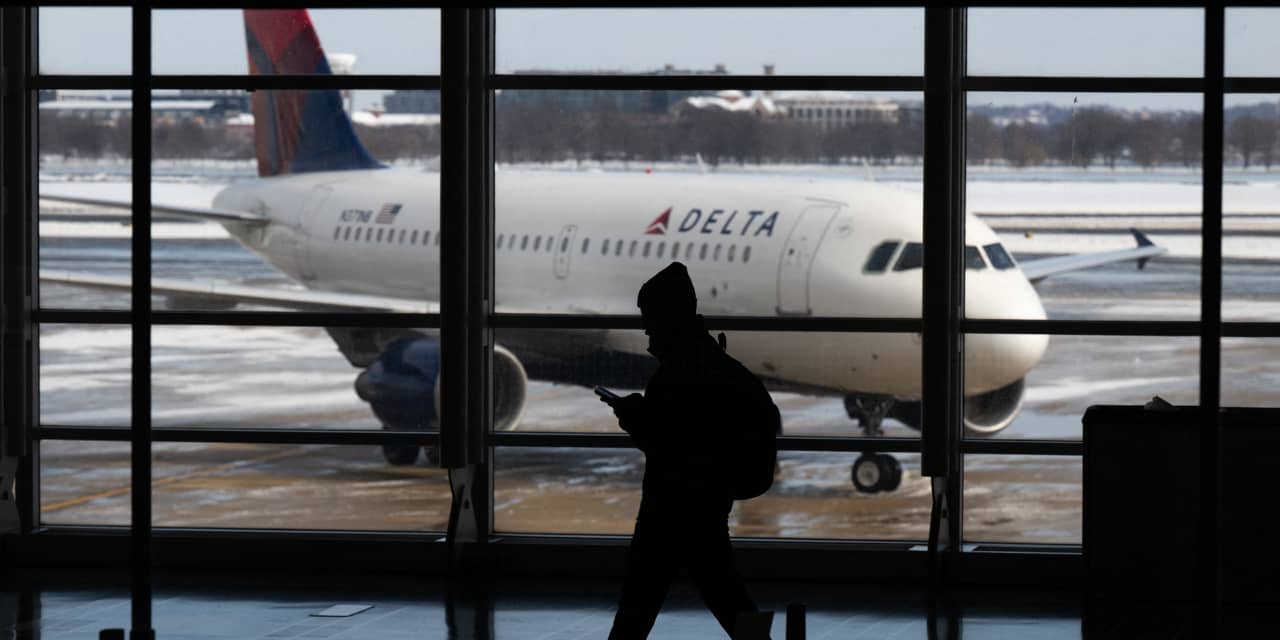
- Delta Air Lines Performance: Delta Air Lines shares are down only 3% for the year, outperforming the S&P 500 despite industry challenges.
- Jet Fuel Price Impact: The airline is facing a significant 62% increase in jet fuel prices since February, which typically affects profitability.
- Industry Profit Estimates: There has been a general reduction in profit estimates across the airline industry, yet Delta's stock remains relatively stable.
- Unusual Market Behavior: The current performance of Delta's stock is noted as unusual for the airline industry, which is typically more volatile.
How Delta Stock Can Soar Despite Rising Oil Prices and TSA Challenges

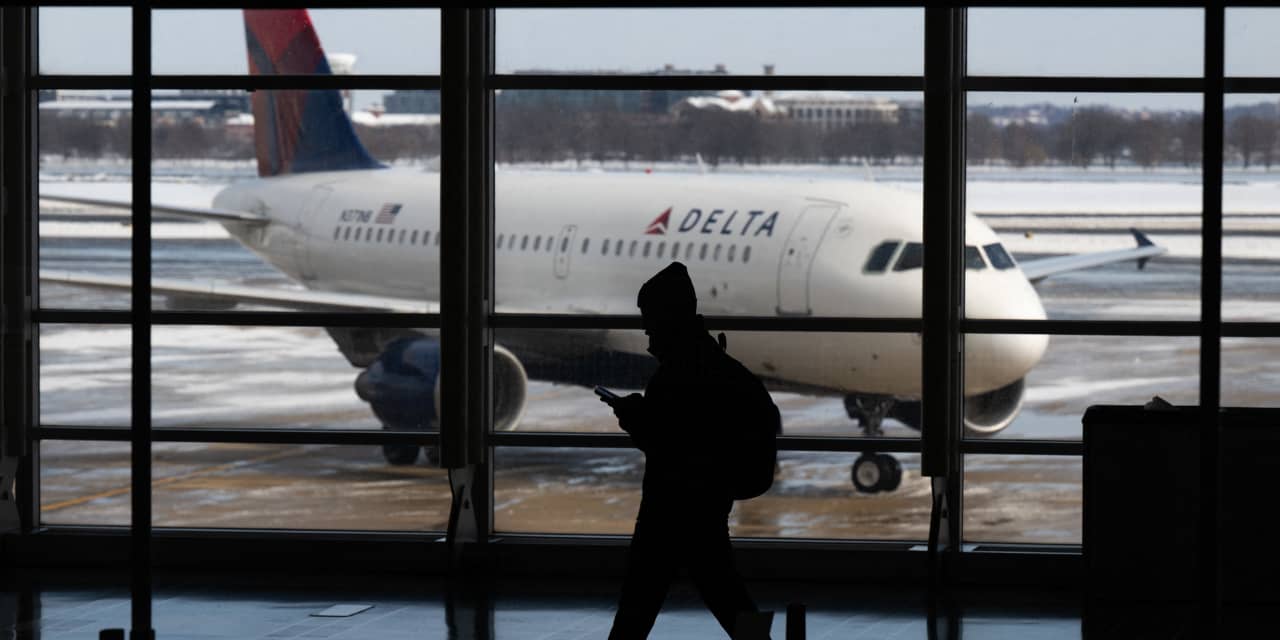
- Delta Air Lines Performance: Delta Air Lines shares are down only 3% for the year, outperforming the S&P 500 despite industry challenges.
- Jet Fuel Price Impact: The airline is facing a significant 62% increase in jet fuel prices since February, which typically affects profitability.
- Industry Profit Estimates: There has been a general reduction in profit estimates across the airline industry, yet Delta's stock remains relatively stable.
- Unusual Market Behavior: The current performance of Delta's stock is noted as unusual for the airline industry, which often experiences more volatility.
U.S. Senate Reaches Funding Deal for Homeland Security Department

- Funding Deal for DHS: The U.S. Senate reached a funding agreement early this morning for the Department of Homeland Security, indicating progress toward ending the department's shutdown, although the bill excludes funding for Immigration and Customs Enforcement, which may impact immigration policy enforcement.
- Market Volatility Intensifies: Following Trump's announcement to extend the pause on attacks against Iran's nuclear facilities, the S&P 500 recorded its largest one-day loss in over two months, with crude prices surpassing $110 per barrel, reflecting the market's sensitivity to geopolitical risks.
- AI Legal Victory: AI firm Anthropic secured a preliminary injunction in federal court against the Pentagon's blacklisting, with the judge labeling the action as “classic illegal First Amendment retaliation,” which could affect government collaborations with AI companies.
- Fed Nomination Controversy: Senator Elizabeth Warren issued a scathing letter to Kevin Warsh, Trump's pick for Federal Reserve Chair, stating his past failures should disqualify him from promotion, potentially influencing the Fed's future policy direction.

Senate Advances Bill to Fund Homeland Security Department


- Funding Bill for DHS: The Senate advanced a bill early Friday to fund the Department of Homeland Security, aiming to end the partial government shutdown that has disrupted air travel, although the bill excludes funding for Immigration and Customs Enforcement (ICE), impacting its operations.
- Impact of Shutdown: The shutdown resulted in missed paychecks for Transportation Security Administration (TSA) agents and long airport lines, and the bill's advancement is expected to alleviate this crisis, ensuring normal operations resume before the upcoming two-week recess.
- Escalating Political Tensions: Significant disagreements exist between Democrats and Republicans over ICE funding, with Democrats insisting on reforms while Republicans plan to restore ICE funding through budget reconciliation, potentially exacerbating tensions between the two parties.
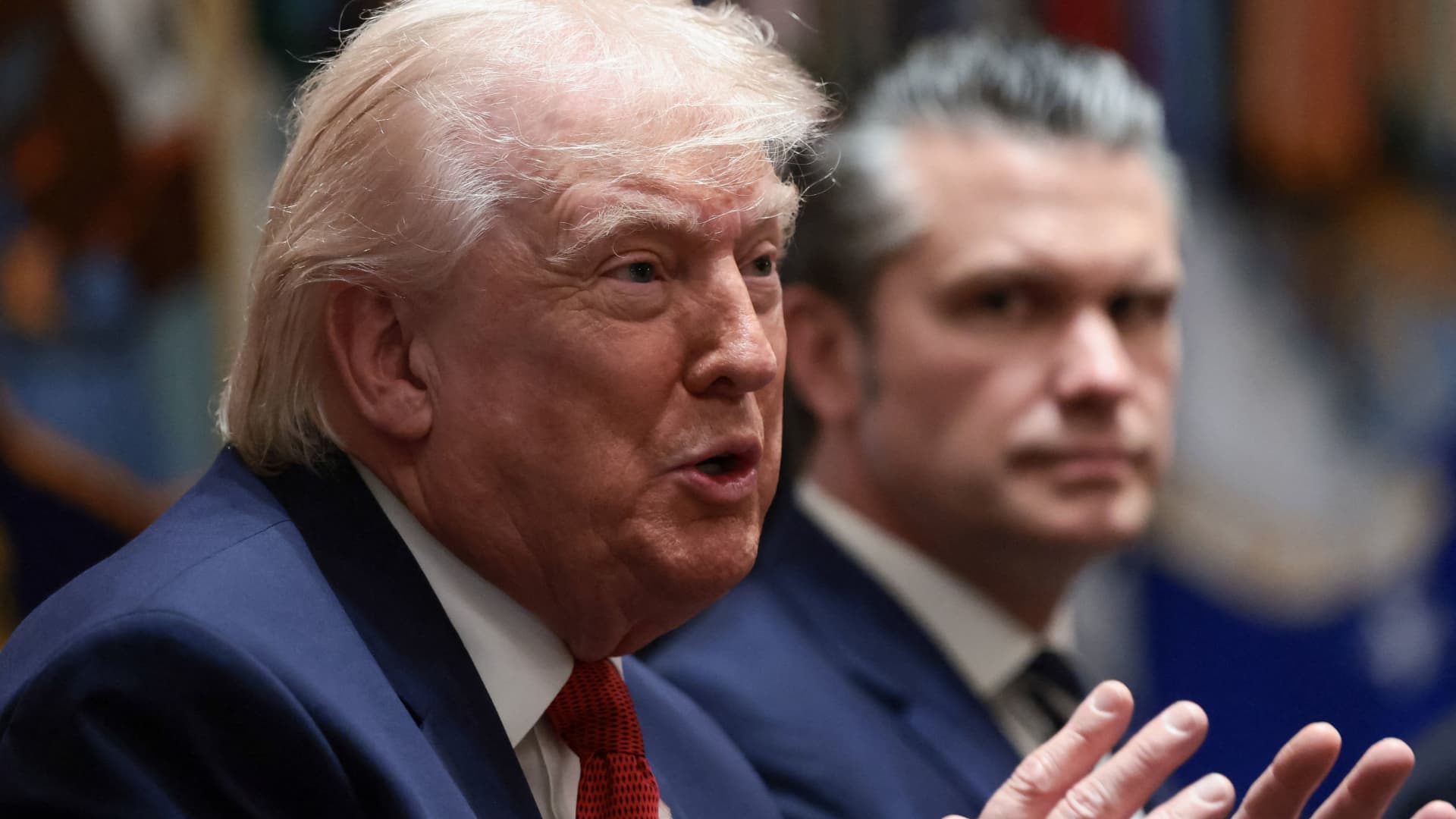
- Trump's Intervention: Trump announced via executive order that he would pay TSA agents, claiming Democrats created a national crisis, demonstrating his determination to resolve the issue through direct action before Congress's recess.
Airlines Face High Fuel Prices and Security Crisis
- Fuel Price Surge Impacts Fares: Fuel prices at major U.S. airports have reached $3.98 per gallon, up nearly 60% since February 28, forcing airlines to raise ticket prices to cover rising costs, with airfare expected to increase by 20% this year.
- Strong Demand Persists: Despite rising fares, airlines like Delta and American Airlines report that demand remains robust, particularly for high-end leisure travel, indicating consumers' willingness to continue flying, which may encourage airlines to maintain flight schedules in the future.
- Security Delays Worsen: An impasse in Congress over funding for the Department of Homeland Security has led to nearly 500 TSA officer resignations, resulting in security wait times exceeding three hours at major U.S. airports, negatively impacting traveler experiences and potentially reducing future travel willingness.
- Government Intervention Measures: President Trump has pledged to sign an order to ensure over 50,000 TSA officers are paid, yet the deployment of ICE officers may cause traveler unease, further affecting passenger throughput in the coming days.
U.S. Consumers Face Economic Impact from Soaring Oil Prices
- Surging Oil Prices: The blockage of the Strait of Hormuz has caused Brent crude oil's May contract to surge over 55% in March, marking the largest monthly gain since 1998, leading to economic pressures on U.S. consumers in areas like travel and mail delivery.
- Postal Service Adjustments: The U.S. Postal Service plans to implement an 8% temporary fuel surcharge on packages and express mail starting in late April, lasting until 2027, to cover rising operational costs, although this measure requires regulatory approval.
- Airline Response: United Airlines intends to cut back on some lower-profit flights and anticipates oil prices reaching $175 per barrel, which could increase its fuel costs by $11 billion, more than double its previous highest profits, resulting in higher ticket prices for travelers.
- Declining Consumer Confidence: According to the University of Michigan's survey, the consumer confidence index fell nearly 6% in March to a historic low, indicating worsening economic expectations due to the war and rising inflation concerns among consumers.
How Delta and United Navigate Challenges in the Airline Industry
- Delta Air Lines Performance: Delta Air Lines shares are down only 3% for the year, outperforming the S&P 500 despite industry challenges.
- Jet Fuel Price Impact: The airline is facing a significant 62% increase in jet fuel prices since February, which typically affects profitability.
- Industry Profit Estimates: There has been a general reduction in profit estimates across the airline industry, yet Delta's stock remains relatively stable.
- Unusual Market Behavior: The current performance of Delta's stock is noted as unusual for the airline industry, which is typically more volatile.
How Delta Stock Can Soar Despite Rising Oil Prices and TSA Challenges
- Delta Air Lines Performance: Delta Air Lines shares are down only 3% for the year, outperforming the S&P 500 despite industry challenges.
- Jet Fuel Price Impact: The airline is facing a significant 62% increase in jet fuel prices since February, which typically affects profitability.
- Industry Profit Estimates: There has been a general reduction in profit estimates across the airline industry, yet Delta's stock remains relatively stable.
- Unusual Market Behavior: The current performance of Delta's stock is noted as unusual for the airline industry, which often experiences more volatility.
U.S. Senate Reaches Funding Deal for Homeland Security Department
- Funding Deal for DHS: The U.S. Senate reached a funding agreement early this morning for the Department of Homeland Security, indicating progress toward ending the department's shutdown, although the bill excludes funding for Immigration and Customs Enforcement, which may impact immigration policy enforcement.
- Market Volatility Intensifies: Following Trump's announcement to extend the pause on attacks against Iran's nuclear facilities, the S&P 500 recorded its largest one-day loss in over two months, with crude prices surpassing $110 per barrel, reflecting the market's sensitivity to geopolitical risks.
- AI Legal Victory: AI firm Anthropic secured a preliminary injunction in federal court against the Pentagon's blacklisting, with the judge labeling the action as “classic illegal First Amendment retaliation,” which could affect government collaborations with AI companies.
- Fed Nomination Controversy: Senator Elizabeth Warren issued a scathing letter to Kevin Warsh, Trump's pick for Federal Reserve Chair, stating his past failures should disqualify him from promotion, potentially influencing the Fed's future policy direction.
Senate Advances Bill to Fund Homeland Security Department
- Funding Bill for DHS: The Senate advanced a bill early Friday to fund the Department of Homeland Security, aiming to end the partial government shutdown that has disrupted air travel, although the bill excludes funding for Immigration and Customs Enforcement (ICE), impacting its operations.
- Impact of Shutdown: The shutdown resulted in missed paychecks for Transportation Security Administration (TSA) agents and long airport lines, and the bill's advancement is expected to alleviate this crisis, ensuring normal operations resume before the upcoming two-week recess.
- Escalating Political Tensions: Significant disagreements exist between Democrats and Republicans over ICE funding, with Democrats insisting on reforms while Republicans plan to restore ICE funding through budget reconciliation, potentially exacerbating tensions between the two parties.
- Trump's Intervention: Trump announced via executive order that he would pay TSA agents, claiming Democrats created a national crisis, demonstrating his determination to resolve the issue through direct action before Congress's recess.