A Smarter Approach to Income Investing Before Money-Market Yields Drop
Written by Emily J. Thompson, Senior Investment Analyst
Updated: Oct 16 2025
0mins


Should l Buy PEP?
Source: MarketWatch
Current Money-Market Yields: Money-market funds currently offer an attractive yield of 4%, which is appealing due to their stable market value.
Investment Strategy Shift: Professional investors are increasingly turning to bonds as money-market rates are expected to decline, suggesting a need for diversification in investment portfolios for consistent income.
Trade with 70% Backtested Accuracy
Stop guessing "Should I Buy PEP?" and start using high-conviction signals backed by rigorous historical data.
Sign up today to access powerful investing tools and make smarter, data-driven decisions.
Analyst Views on PEP
Wall Street analysts forecast PEP stock price to rise
12 Analyst Rating
6 Buy
6 Hold
0 Sell
Moderate Buy
Current: 150.590

Low
144.00
Averages
161.90
High
172.00
Current: 150.590
Low
144.00
Averages
161.90
High
172.00
About PEP
PepsiCo, Inc. is a global beverage and convenient food company. The Company’s segments include PepsiCo Foods North America (PFNA), PepsiCo Beverages North America (PBNA), International Beverages Franchise (IB Franchise), Europe, Middle East and Africa (EMEA), Latin America Foods (LatAm Foods), and Asia Pacific Foods. PFNA segment includes all of its convenient food businesses in the United States and Canada. PBNA segment includes all of its beverage businesses in the United States and Canada. IB Franchise segment includes its international franchise beverage businesses, as well as its SodaStream business. EMEA segment includes its convenient food businesses and beverage businesses with Company-owned bottlers in Europe, the Middle East and Africa. LatAm Foods segment includes all of its convenient food businesses in Latin America. Asia Pacific Foods segment consists of its convenient food businesses in Asia Pacific, including China, Australia and New Zealand, as well as India.
About the author

Emily J. Thompson
Emily J. Thompson, a Chartered Financial Analyst (CFA) with 12 years in investment research, graduated with honors from the Wharton School. Specializing in industrial and technology stocks, she provides in-depth analysis for Intellectia’s earnings and market brief reports.
Investors Face Multiple Market Headwinds


- Increased Market Noise: Investors are facing significant market noise due to the war in Iran, disappointing economic data, and the Federal Reserve's potential to cut rates only once this year, which could lead to heightened market volatility and impact investment decisions.
- Coca-Cola vs. PepsiCo: Over the past five years, Coca-Cola's stock has risen by over 46%, while PepsiCo's has only increased by 9%, indicating Coca-Cola's strong market performance; PepsiCo is now divesting lagging brands and prioritizing healthy products to seek growth.
- McDonald's Value Repositioning: McDonald's has underperformed over the past three years, but by emphasizing low-priced options and increasing investment in in-store technology, it is expected to improve unit economics, with dividend growth projected to average 9% annually over the next decade, providing inflation protection for shareholders.
- Las Vegas Sands Dividend Recovery: Although Las Vegas Sands suspended its dividend early in the pandemic, it has increased its payout twice since restoring it in 2023, and with its Marina Bay Sands being the most profitable casino globally, the company shows strong cash flow and investment-grade credit ratings, reducing the likelihood of future dividend cuts.
See More

Analysis of Market Winners and Losers

- Divergent Market Performance: The S&P 500 faced its fourth consecutive weekly decline, breaking below the 200-day moving average, indicating a less constructive environment with only 11 stocks rising, reflecting weakened investor confidence.
- Pepsi's Pricing Strategy: Pepsi plans to lower prices to gain market share, resulting in a 5% stock increase this year despite a 3% drop in the overall market, showcasing its unique market strategy and resilience.
- Consumer Goods Struggles: Major consumer companies like McDonald's, Walmart, Home Depot, and Procter & Gamble faced setbacks, suggesting a potential shift in spending patterns among low-income consumers that could impact sales performance.
- Energy Stocks Rise: Amidst overall market downturns, energy stocks like Exxon and Chevron rose by 2%, indicating that major energy companies may benefit from a reassessment of energy demand despite oil price fluctuations.
See More
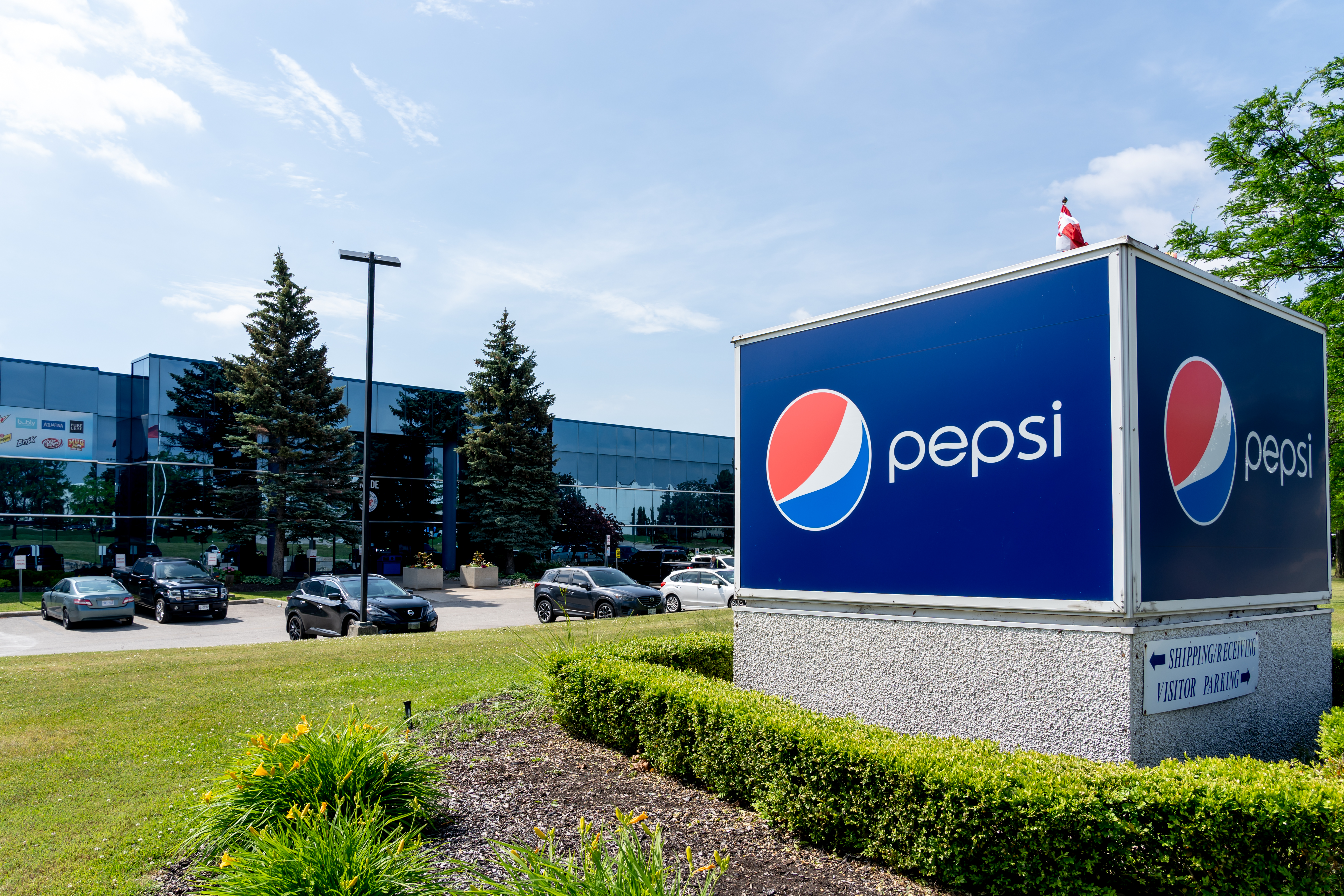
PepsiCo Expands AI Initiatives Across China Operations
- Comprehensive AI Deployment: PepsiCo is rolling out AI initiatives across its operations in China to enhance efficiency, capacity, and localization, marking a strategic shift to make AI a core part of its digital transformation rather than just a cost-cutting tool.
- Precision Agriculture Application: The company is applying AI to optimize crop yields and quality for locally sourced ingredients while enhancing manufacturing and supply chain efficiency, allowing for capacity expansion without a proportional increase in headcount despite ongoing hiring for new plant openings.
- Market Analysis Driven: By leveraging AI-driven consumer and market analytics, PepsiCo gains deeper insights into local consumer behavior and preferences, enabling more tailored products and marketing strategies that enhance competitiveness in the market.
- Global Strategic Alignment: The AI initiatives in China align with PepsiCo's global AI strategy, including a multi-year collaboration with Siemens and NVIDIA to redesign plants and supply chains using AI and digital twins, with early pilots demonstrating higher throughput and lower capital expenditures.
See More

PepsiCo Mitigates Pressures Through Local Sourcing
- Local Sourcing Strategy: PepsiCo sources 95% of its ingredients locally, significantly reducing geopolitical and cost pressures, thereby enhancing supply chain resilience and ensuring production stability.
- Hedging Strategy Implementation: The company has implemented hedging strategies for various commodities, which not only helps manage price volatility risks effectively but also enhances overall financial stability and market competitiveness.
- AI Deployment: PepsiCo is deploying artificial intelligence across its operations, particularly in precision agriculture and manufacturing management, which is expected to improve operational efficiency and reduce production costs, thereby driving profit growth.
- Collaboration with Local Growers: The company works closely with local growers, especially for potato supply, which strengthens its upstream supply chain resilience and further solidifies its market position.
See More

Analysis of Home Depot and PepsiCo Stock Declines
- Home Depot Stock Decline: Home Depot's stock has fallen 25% from its previous peak, resulting in a forward dividend yield of 2.85%, despite the company maintaining a 35-year history of dividend payments and recently increasing its payout by 1.3%.
- Sluggish Sales Growth: Although comparable sales rose just 0.4% year-over-year in the fourth quarter, management is still expanding stores and leveraging valuable real estate to adapt to the rise in online orders.
- PepsiCo's Steady Performance: PepsiCo's shares are down 22%, yet its adjusted sales are projected to grow by 2% in 2025, and it recently raised its quarterly dividend by 4%, bringing the annual payout to $5.92, marking the 54th consecutive annual increase.
- Dividend Growth Potential: PepsiCo has achieved nearly a 7% compound annual growth rate in dividends over the past five years, with earnings expected to grow at about 6% annually in the coming years, ensuring its attractiveness as an income stock.
See More

Dividend Growth Potential of Home Depot and PepsiCo
- Home Depot Dividend Performance: As the world's largest home improvement retailer, Home Depot (HD) has paid quarterly dividends for over 35 years, recently raising its quarterly dividend by 1.3% to an annual payout of $9.32 per share, resulting in a forward yield of 2.85%, significantly above the S&P 500 average.
- Sales Growth Challenges: Despite only a 0.4% year-over-year increase in comparable sales for the fourth quarter, management is actively expanding stores and leveraging valuable real estate to adapt to the growing trend of online orders, thereby maintaining long-term growth potential.
- PepsiCo Dividend Growth: PepsiCo (PEP) recently increased its quarterly dividend by 4%, bringing the annual payout to $5.92 per share, marking the 54th consecutive year of dividend increases, with a forward yield of 3.79%, also above the S&P 500 average.
- Stable Sales and Earnings: Although PepsiCo's stock is down 22% from its previous peak, its adjusted sales are still up 2% in 2025, and earnings are expected to grow at about 6% annually in the coming years, ensuring the ability to sustain dividend growth.
See More
Investors Face Multiple Market Headwinds
- Increased Market Noise: Investors are facing significant market noise due to the war in Iran, disappointing economic data, and the Federal Reserve's potential to cut rates only once this year, which could lead to heightened market volatility and impact investment decisions.
- Coca-Cola vs. PepsiCo: Over the past five years, Coca-Cola's stock has risen by over 46%, while PepsiCo's has only increased by 9%, indicating Coca-Cola's strong market performance; PepsiCo is now divesting lagging brands and prioritizing healthy products to seek growth.
- McDonald's Value Repositioning: McDonald's has underperformed over the past three years, but by emphasizing low-priced options and increasing investment in in-store technology, it is expected to improve unit economics, with dividend growth projected to average 9% annually over the next decade, providing inflation protection for shareholders.
- Las Vegas Sands Dividend Recovery: Although Las Vegas Sands suspended its dividend early in the pandemic, it has increased its payout twice since restoring it in 2023, and with its Marina Bay Sands being the most profitable casino globally, the company shows strong cash flow and investment-grade credit ratings, reducing the likelihood of future dividend cuts.
See More
Analysis of Market Winners and Losers
- Divergent Market Performance: The S&P 500 faced its fourth consecutive weekly decline, breaking below the 200-day moving average, indicating a less constructive environment with only 11 stocks rising, reflecting weakened investor confidence.
- Pepsi's Pricing Strategy: Pepsi plans to lower prices to gain market share, resulting in a 5% stock increase this year despite a 3% drop in the overall market, showcasing its unique market strategy and resilience.
- Consumer Goods Struggles: Major consumer companies like McDonald's, Walmart, Home Depot, and Procter & Gamble faced setbacks, suggesting a potential shift in spending patterns among low-income consumers that could impact sales performance.
- Energy Stocks Rise: Amidst overall market downturns, energy stocks like Exxon and Chevron rose by 2%, indicating that major energy companies may benefit from a reassessment of energy demand despite oil price fluctuations.
See More
PepsiCo Expands AI Initiatives Across China Operations
- Comprehensive AI Deployment: PepsiCo is rolling out AI initiatives across its operations in China to enhance efficiency, capacity, and localization, marking a strategic shift to make AI a core part of its digital transformation rather than just a cost-cutting tool.
- Precision Agriculture Application: The company is applying AI to optimize crop yields and quality for locally sourced ingredients while enhancing manufacturing and supply chain efficiency, allowing for capacity expansion without a proportional increase in headcount despite ongoing hiring for new plant openings.
- Market Analysis Driven: By leveraging AI-driven consumer and market analytics, PepsiCo gains deeper insights into local consumer behavior and preferences, enabling more tailored products and marketing strategies that enhance competitiveness in the market.
- Global Strategic Alignment: The AI initiatives in China align with PepsiCo's global AI strategy, including a multi-year collaboration with Siemens and NVIDIA to redesign plants and supply chains using AI and digital twins, with early pilots demonstrating higher throughput and lower capital expenditures.
See More
PepsiCo Mitigates Pressures Through Local Sourcing
- Local Sourcing Strategy: PepsiCo sources 95% of its ingredients locally, significantly reducing geopolitical and cost pressures, thereby enhancing supply chain resilience and ensuring production stability.
- Hedging Strategy Implementation: The company has implemented hedging strategies for various commodities, which not only helps manage price volatility risks effectively but also enhances overall financial stability and market competitiveness.
- AI Deployment: PepsiCo is deploying artificial intelligence across its operations, particularly in precision agriculture and manufacturing management, which is expected to improve operational efficiency and reduce production costs, thereby driving profit growth.
- Collaboration with Local Growers: The company works closely with local growers, especially for potato supply, which strengthens its upstream supply chain resilience and further solidifies its market position.
See More
Analysis of Home Depot and PepsiCo Stock Declines
- Home Depot Stock Decline: Home Depot's stock has fallen 25% from its previous peak, resulting in a forward dividend yield of 2.85%, despite the company maintaining a 35-year history of dividend payments and recently increasing its payout by 1.3%.
- Sluggish Sales Growth: Although comparable sales rose just 0.4% year-over-year in the fourth quarter, management is still expanding stores and leveraging valuable real estate to adapt to the rise in online orders.
- PepsiCo's Steady Performance: PepsiCo's shares are down 22%, yet its adjusted sales are projected to grow by 2% in 2025, and it recently raised its quarterly dividend by 4%, bringing the annual payout to $5.92, marking the 54th consecutive annual increase.
- Dividend Growth Potential: PepsiCo has achieved nearly a 7% compound annual growth rate in dividends over the past five years, with earnings expected to grow at about 6% annually in the coming years, ensuring its attractiveness as an income stock.
See More
Dividend Growth Potential of Home Depot and PepsiCo
- Home Depot Dividend Performance: As the world's largest home improvement retailer, Home Depot (HD) has paid quarterly dividends for over 35 years, recently raising its quarterly dividend by 1.3% to an annual payout of $9.32 per share, resulting in a forward yield of 2.85%, significantly above the S&P 500 average.
- Sales Growth Challenges: Despite only a 0.4% year-over-year increase in comparable sales for the fourth quarter, management is actively expanding stores and leveraging valuable real estate to adapt to the growing trend of online orders, thereby maintaining long-term growth potential.
- PepsiCo Dividend Growth: PepsiCo (PEP) recently increased its quarterly dividend by 4%, bringing the annual payout to $5.92 per share, marking the 54th consecutive year of dividend increases, with a forward yield of 3.79%, also above the S&P 500 average.
- Stable Sales and Earnings: Although PepsiCo's stock is down 22% from its previous peak, its adjusted sales are still up 2% in 2025, and earnings are expected to grow at about 6% annually in the coming years, ensuring the ability to sustain dividend growth.
See More