
Key Takeaway
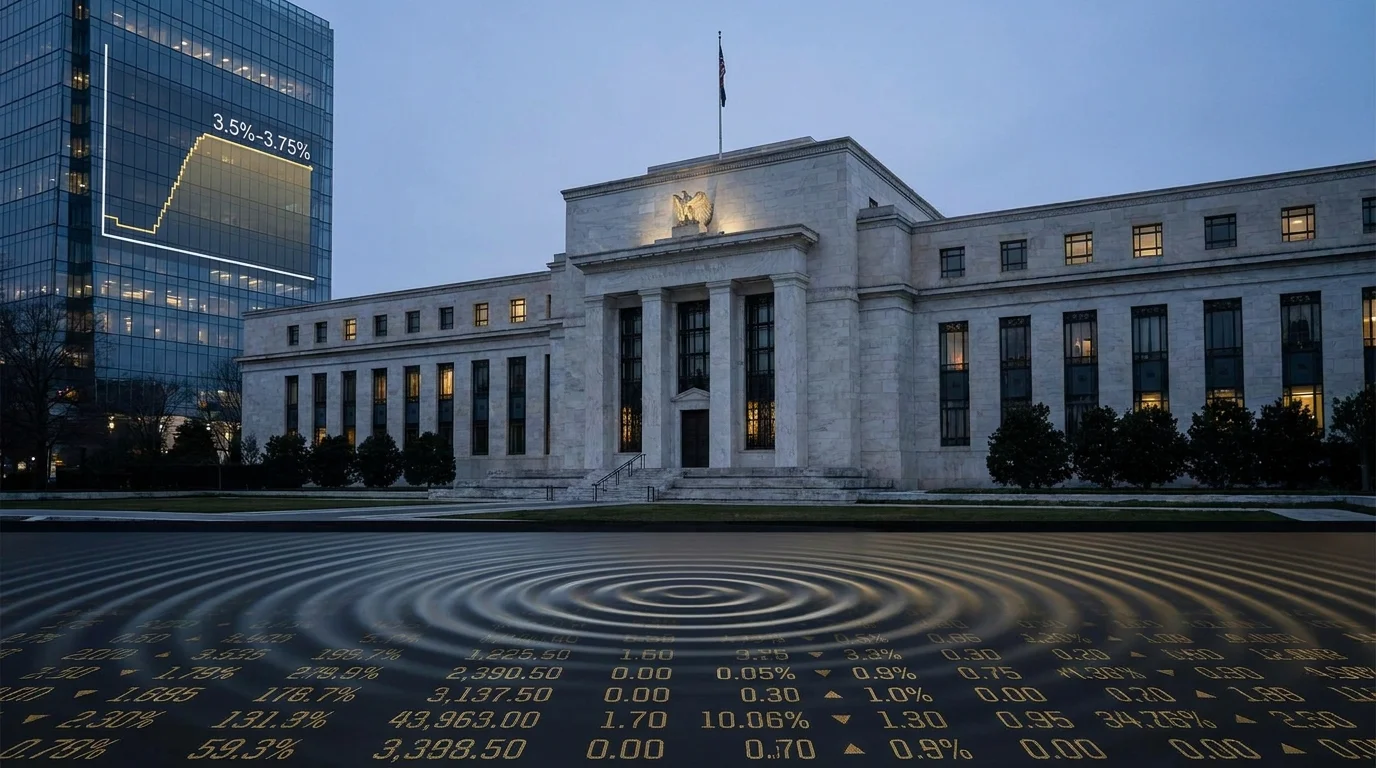
The Federal Reserve has fundamentally shifted its policy stance, with officials now openly discussing the possibility of interest rate hikes rather than the cuts investors had been anticipating throughout 2025. This dramatic reversal stems primarily from escalating inflationary pressures triggered by Middle East oil supply disruptions, which have pushed the 30-year Treasury yield above 5% for the first time in years and driven consumer price inflation to 3.8% annually. For investors, this new paradigm demands a strategic reassessment of portfolio allocations, particularly in interest-rate-sensitive sectors like growth stocks, real estate, and long-duration bonds. The market's repricing of rate expectations has already triggered significant volatility, and understanding the Fed's evolving stance is now critical for protecting and growing wealth in the second half of 2026.
The implications extend far beyond bond markets. Rising interest rates affect borrowing costs for corporations, mortgage rates for homeowners, and the discount rates used to value future earnings across equity markets. As the Fed confronts the reality that inflation may remain stubbornly above its 2% target well into 2027, investors who adapt quickly to this new monetary environment will be best positioned to capitalize on the opportunities that volatility creates while avoiding the pitfalls of outdated assumptions about easy monetary policy.
Why the Fed Is Now Considering Rate Hikes
The Federal Reserve's April 2026 meeting minutes revealed a stark change in tone among policymakers, with officials expressing growing concern that inflation would take longer than anticipated to return to the central bank's 2% target. This marked a significant departure from the consensus view that had prevailed through most of 2025, when markets were confidently pricing in a series of rate cuts as the economy showed signs of cooling. The shift has been driven by a combination of persistent core inflation and new supply-side shocks that threaten to reignite price pressures across the economy.
The most significant catalyst for this policy pivot has been the ongoing conflict in the Middle East, which has disrupted oil supplies and sent energy prices soaring. The Fed minutes specifically noted that the increase in two-year Treasury yields since the start of the conflict reflected a sizable increase in expected inflation, offset partially by a decline in the expected real interest rate—a combination consistent with an adverse supply shock. This type of inflation presents a particular challenge for monetary policymakers because it combines slowing economic growth with rising prices, creating the dreaded stagflationary environment that central banks have historically struggled to address effectively.
The Middle East Oil Shock Impact
The geopolitical tensions in the Middle East have created a supply shock that the Fed cannot easily mitigate through monetary policy alone. When oil prices spike due to supply constraints rather than demand strength, raising interest rates becomes a blunt instrument that may slow the economy without addressing the root cause of inflation. This creates the difficult trade-off that Fed Chair Jerome Powell and his colleagues now face: act aggressively against inflation and risk triggering a recession, or remain patient and risk allowing inflation expectations to become unanchored.
Crude oil inventories have fallen to near 35-year lows, according to recent energy market data, suggesting that supply constraints will persist even if geopolitical tensions ease. This structural tightness in oil markets means that energy prices could remain elevated throughout 2026, continuously feeding into broader inflation measures through transportation costs, manufacturing inputs, and consumer energy bills. The Fed's challenge is compounded by the fact that energy price shocks tend to have second-round effects, as workers demand higher wages to compensate for reduced purchasing power, creating a wage-price spiral that becomes increasingly difficult to break.
Understanding Rising Treasury Yields
Treasury yields have climbed to levels not seen since before the 2008 financial crisis, with the 30-year bond yield pushing above 5% and shorter-term yields following suit. This repricing of risk-free rates has profound implications for asset valuations across markets, as higher yields increase the attractiveness of fixed-income investments relative to equities and raise the discount rate applied to future corporate earnings. The yield curve has also steepened, with long-term rates rising faster than short-term rates, suggesting that markets are pricing in both near-term inflation risks and a eventual return to more normal monetary conditions.
The relationship between Fed policy expectations and Treasury yields operates through multiple channels. When investors anticipate rate hikes, they demand higher yields on longer-dated bonds to compensate for the expected path of short-term rates over the life of the security. Additionally, inflation expectations embedded in breakeven rates have risen significantly, reflecting concerns that the Fed may be behind the curve in addressing price pressures. The 10-year breakeven inflation rate, which measures the difference between nominal and inflation-protected Treasury yields, has climbed toward levels that suggest markets are losing confidence in the Fed's ability to maintain price stability.
What Higher Yields Mean for Investors
For fixed-income investors, the rise in Treasury yields presents both challenges and opportunities. Existing bond holdings have declined in value as yields rose, creating unrealized losses for investors who purchased bonds when rates were lower. However, new investments in Treasury securities now offer considerably more attractive returns than they have in years, with the 10-year Treasury yielding levels that approach historical averages rather than the artificially suppressed rates of the past decade. This creates a potential entry point for investors who have been waiting on the sidelines for better fixed-income opportunities.
The iShares 20+ Year Treasury Bond ETF (TLT) has experienced significant volatility as long-duration bonds are most sensitive to changes in interest rate expectations. For investors considering Treasury exposure, understanding this interest rate risk is essential for positioning appropriately within fixed-income allocations.
For equity investors, higher Treasury yields compete directly with stocks for capital allocation. When risk-free rates rise, the equity risk premium must expand to justify stock ownership, which typically occurs through falling stock prices or rising earnings expectations. Growth stocks, particularly those with distant profit horizons, are most vulnerable to this repricing because their valuations depend heavily on discounting future cash flows at lower rates. Value stocks and companies with strong current cash flows tend to be more resilient in rising rate environments, which helps explain the recent rotation from technology and growth sectors toward more economically sensitive and higher-dividend-paying industries.
The Inflation Outlook for 2026-2027
Consumer price inflation has proven more persistent than the Fed anticipated, with the latest readings showing a 3.8% year-over-year increase that remains well above the central bank's 2% target. Perhaps more concerning for policymakers is the trend in core inflation, which excludes volatile food and energy prices and provides a clearer picture of underlying price pressures. Core measures have also remained sticky, suggesting that inflation has become embedded in the economy through wage growth, housing costs, and service sector pricing power.
The Fed's preferred inflation metric, the Personal Consumption Expenditures (PCE) price index, has similarly failed to decelerate toward target levels. This persistence has forced officials to reconsider their strategy of patiently waiting for previous rate hikes to work their way through the economy. Instead, the minutes revealed that policymakers are now actively discussing whether additional tightening might be necessary to prevent inflation expectations from drifting higher. This represents a fundamental shift from the central bank's previous guidance, which had emphasized the likelihood of eventual rate cuts once inflation showed clear signs of returning to target.
Supply vs. Demand-Driven Inflation
A critical distinction for investors to understand is the difference between supply-driven and demand-driven inflation, as each type requires a different policy response and has different implications for asset prices. The current inflationary environment features elements of both: strong consumer demand supported by a resilient labor market combines with supply constraints in energy, housing, and certain manufactured goods. This makes the Fed's job particularly challenging, as tightening monetary policy can address demand pressures but may do little to resolve supply constraints while simultaneously slowing economic growth.
The supply-side components of current inflation include the Middle East oil disruptions, ongoing supply chain adjustments following the pandemic, and structural shortages in housing construction. These factors are largely outside the Fed's control and may resolve only gradually over time. Demand-side pressures stem from strong employment, wage growth exceeding productivity gains, and accumulated household savings that continue to support consumption. The Fed's dilemma is that aggressive rate hikes could address the demand side while exacerbating the economic pain from supply constraints, creating the risk of a policy-induced recession without solving the underlying inflation problem.
Looking for timely insights on market-moving inflation data? Intellectia.ai's AI-powered screener helps you track inflation-sensitive sectors and identify stocks positioned to weather—or benefit from—rising price pressures.

Sector Implications: Winners and Losers
The shifting interest rate landscape creates clear winners and losers across equity sectors, and understanding these dynamics is essential for portfolio positioning. Financial stocks, particularly banks and insurance companies, generally benefit from rising rates because they can earn higher spreads on lending activities and achieve better returns on their investment portfolios. The Financial Select Sector SPDR Fund has outperformed broader markets as investors anticipate improved profitability for the sector in a higher-rate environment.
The financial sector's exposure to interest rate sensitivity makes it a key bellwether for Fed policy expectations. As rate hike probabilities have increased, this sector has attracted significant investor attention.
Conversely, sectors that rely heavily on borrowing or that have benefited from low discount rates face headwinds in the current environment. Real estate investment trusts (REITs) and utility companies, which are valued partly for their dividend yields, become less attractive when Treasury bonds offer competitive income with less risk. Technology and other growth sectors, which often trade at high valuations based on future earnings potential, see their valuations compress as higher discount rates reduce the present value of distant cash flows. Homebuilders and mortgage-related businesses also suffer as rising mortgage rates dampen housing demand and refinancing activity.
Energy Stocks and Inflation Hedges
The energy sector presents a unique opportunity in the current environment, as rising oil prices that are contributing to inflation concerns also boost profitability for producers. Energy stocks have historically served as an effective hedge against inflation because their revenues increase with commodity prices while their costs remain relatively fixed in the short term. This dynamic has played out in recent months, with the Energy Select Sector SPDR Fund outperforming as crude prices have climbed.
Energy sector performance reflects the complex interplay between geopolitical risks, supply constraints, and inflation expectations that currently dominate market narratives.
However, investors should be cautious about chasing energy stocks solely as an inflation hedge. The sector is notoriously cyclical, and geopolitical risk premiums can evaporate quickly if tensions ease or if demand destruction from high prices becomes severe. Additionally, the long-term transition toward renewable energy creates structural headwinds for traditional energy companies that may limit their valuation multiples even during periods of strong commodity prices. A more nuanced approach might involve identifying energy companies with strong balance sheets and low production costs that can thrive across various oil price scenarios while also maintaining exposure to the energy transition through investments in renewables and carbon reduction technologies.
Global Central Bank Divergence
While the Federal Reserve has pivoted toward potential rate hikes, other major central banks are following different paths, creating divergences in monetary policy that have significant implications for currency markets and international capital flows. The European Central Bank has continued to signal that rate cuts remain likely in the coming months as Eurozone inflation has shown more consistent signs of deceleration and economic growth remains sluggish. Similarly, the Bank of England has indicated a cautious approach to further tightening despite inflation remaining above target in the UK.
This policy divergence has contributed to dollar strength, as higher US interest rates relative to other developed markets attract capital inflows seeking better yields. A stronger dollar has mixed implications for US investors: it increases the purchasing power of dollar-denominated assets for foreign goods and services but reduces the value of overseas investments when converted back to dollars. For multinational corporations, dollar strength compresses the value of foreign earnings and can make US exports less competitive in international markets, creating headwinds for companies with significant international revenue exposure.
Emerging Market Pressures
The combination of a stronger dollar and higher US interest rates creates particular challenges for emerging market economies. Many emerging markets issue debt denominated in dollars, and a stronger currency increases the real burden of servicing that debt. Additionally, higher US rates tend to pull capital away from emerging markets as investors seek safer returns in developed market fixed income. This dynamic has historically contributed to financial stress in emerging economies, potentially leading to currency crises, sovereign debt defaults, or forced economic austerity measures.
Investors with emerging market exposure should monitor these risks carefully, particularly in countries with high dollar-denominated debt levels, large current account deficits, or limited foreign exchange reserves. While emerging market valuations may appear attractive following periods of underperformance, the macroeconomic headwinds created by US monetary policy tightening can persist longer than expected and create significant downside risks. Diversification across multiple emerging markets and careful attention to country-specific fundamentals becomes essential in this environment.
Ready to identify which sectors are best positioned for the current rate environment? Sign up for Intellectia.ai and access our AI-powered stock picker that analyzes sector rotation trends and interest rate sensitivity in real-time.

Portfolio Strategies for Rising Rate Environments
Navigating a rising rate environment requires adjustments to traditional portfolio approaches that may have worked well during the extended period of low interest rates following the 2008 financial crisis. Investors should consider shortening the duration of their fixed-income holdings to reduce sensitivity to interest rate changes, potentially shifting from long-term bonds toward shorter-term securities or floating-rate instruments that can benefit from rising rates. Within equities, a tilt toward value stocks, financials, and companies with strong current cash flows rather than distant growth projections may provide better risk-adjusted returns.
Alternative investments can also play a role in portfolios designed for rising rate environments. Real assets such as commodities, infrastructure, and certain types of real estate can provide inflation protection and diversification benefits when traditional stocks and bonds are both under pressure. Private credit and direct lending strategies may offer attractive yields that adjust with market rates, though these investments typically come with reduced liquidity and higher due diligence requirements. The key is building a diversified portfolio that can perform across various interest rate scenarios rather than making concentrated bets on a specific rate path.
The Case for Dividend Growth Stocks
While high-dividend stocks face competition from rising bond yields, companies with consistent dividend growth histories can offer an attractive combination of income and inflation protection. Unlike fixed bond coupons, dividends from growing companies can increase over time, potentially providing a rising income stream that keeps pace with or exceeds inflation. Additionally, companies that consistently raise dividends often demonstrate strong cash flow generation, disciplined capital allocation, and competitive business advantages that support long-term stock price appreciation.
Dividend-focused ETFs provide exposure to companies with strong histories of returning cash to shareholders, which can be particularly valuable in volatile markets where income provides a buffer against price fluctuations.
Investors should focus on dividend growth rather than simply current yield, as excessively high yields can sometimes signal financial distress rather than opportunity. Companies with moderate but consistently growing dividends, reasonable payout ratios that leave room for future increases, and business models that can thrive across economic cycles are often the most reliable dividend growers. Sectors such as consumer staples, healthcare, and certain industrial companies have historically demonstrated these characteristics and may warrant increased attention as the interest rate environment evolves.
Conclusion
The Federal Reserve's pivot toward potential rate hikes represents a watershed moment for investors who have grown accustomed to over a decade of generally accommodative monetary policy. As the central bank confronts persistent inflation fueled by Middle East oil shocks and strong domestic demand, the era of ultra-low interest rates appears to be definitively ending. This transition will create challenges for asset valuations, particularly in growth stocks and long-duration bonds, but will also generate opportunities for prepared investors who can navigate the shifting landscape effectively.
Success in this new environment requires a willingness to adapt strategies that may have worked well in the past but are ill-suited to current conditions. Portfolios should be stress-tested against scenarios of higher rates and persistent inflation, with attention to interest rate sensitivity, currency exposure, and sector allocation. While the path of Fed policy remains uncertain and dependent on evolving economic data, the prudent approach is to prepare for a sustained period of tighter monetary conditions rather than hoping for a quick return to the low-rate policies of recent years.
For investors seeking to stay ahead of these market dynamics, leveraging technology to monitor real-time data and identify opportunities becomes increasingly valuable. Start your free trial with Intellectia.ai today to access AI-powered tools that analyze Fed policy impacts, track sector rotations, and identify stocks positioned to thrive in changing interest rate environments. The markets wait for no one—and neither should you.