Zacks Analyst Blog Features ICLN, QCLN, ACES, and PBW
U.S./China Rare Earth Deal: A one-year agreement between the U.S. and China aims to ensure stable supplies of rare earth elements, crucial for the clean energy sector, potentially alleviating supply chain issues and reducing price volatility for manufacturers.
Dependence on Chinese Minerals: The U.S. heavily relies on China for rare earth imports, with China accounting for 70% of U.S. imports from 2020 to 2023, creating uncertainty for the U.S. clean energy industry amid ongoing trade tensions.
Impact on Clean Energy ETFs: Following the trade agreement, clean energy ETFs are expected to attract renewed investor interest, as the deal may enhance supply chain resilience and improve profit margins for U.S. clean energy companies.
Featured Clean Energy ETFs: Notable ETFs highlighted include iShares Global Clean Energy ETF (ICLN), First Trust Nasdaq Clean Edge Green Energy ETF (QCLN), ALPS Clean Energy ETF (ACES), and Invesco WilderHill Clean Energy ETF (PBW), all showing significant year-to-date gains.
Trade with 70% Backtested Accuracy
Analyst Views on ICLN
About the author


Alternative Energy Investments Surge Due to Rising Energy Demand


- Positive Performance of Renewable-Energy Stocks: Despite negative political headlines, the past year has been highly favorable for renewable-energy stock funds.
- Contrast with Political Climate: The strong performance of these funds contrasts sharply with the prevailing negative political environment, highlighting a disconnect between market trends and political narratives.
- Investor Sentiment: Investors may be increasingly optimistic about the future of renewable energy, leading to significant gains in this sector.
- Market Trends: The success of renewable-energy stocks suggests a growing trend towards sustainable investments, regardless of external political factors.
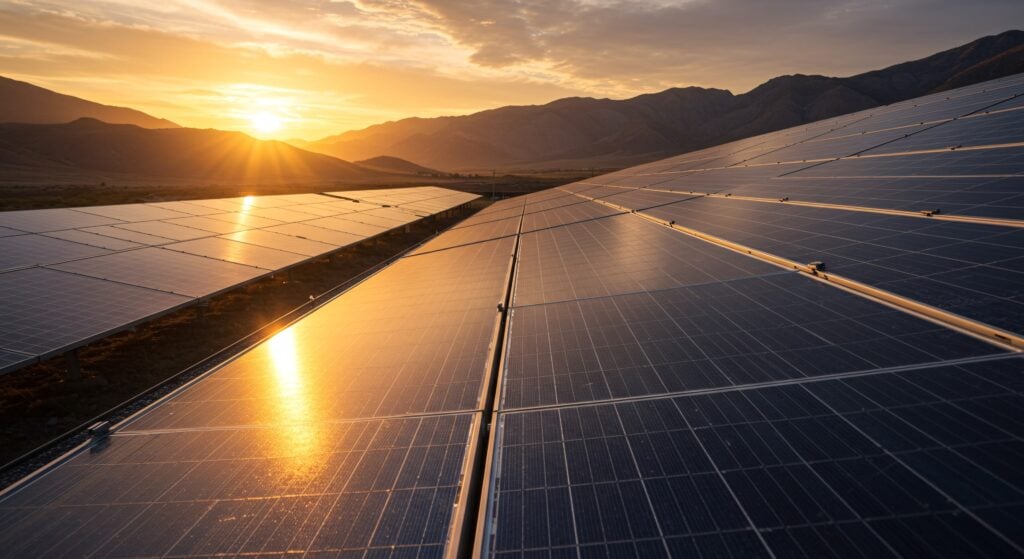
Ukraine's Largest Telecom Ventures into Solar Energy for Enhanced Energy Security


Kyivstar's Renewable Energy Investment: Ukraine's largest digital telecom operator, Kyivstar, has acquired 100% of LLC SUNVIN 11, adding 12.9 megawatts of solar generation capacity, marking its first investment in renewable energy.
Strategic Goals: The investment aims to enhance energy resilience and manage power cost volatility, supporting Kyivstar's operational and financial stability, as stated by CEO Oleksandr Komarov.
Broader Commitment: This acquisition is part of VEON's commitment to invest USD 1 billion in Ukraine from 2023 to 2027, focusing on connectivity, energy resilience, and innovative digital businesses.
Market Response: Following the announcement, Kyivstar Group shares rose by 2.09%, while VEON shares increased by 0.88% during premarket trading.

Report: Nearly 2,000 Power Projects Canceled by Developers This Year


Project Cancellations: Nearly 2,000 power projects, primarily in clean energy, were canceled in 2025 due to opposition from the Trump administration, local community pushback, and rising interconnection costs, totaling a loss of 266 GW in generation capacity.
Impact on Clean Energy: Clean energy projects faced the most cancellations, with utility-scale solar, battery storage, and wind projects losing significant capacity, while gas power projects also saw over 4 GW scrapped.
Local Opposition and Costs: Local resistance has particularly affected states with high electricity demand, such as Virginia and Ohio, while the failure to build necessary transmission lines has led to exorbitant interconnection costs.
Consequences for Electricity Prices: The cancellations threaten to increase electricity prices for consumers as demand continues to rise, with the report indicating that the lost capacity could exacerbate supply issues already evident in rising annual prices.
Judge overturns Trump's suspension of wind energy permits
Court Ruling on Wind Power Projects: A U.S. District Court judge ruled that the Trump administration did not adequately justify its suspension of leases and permits for new wind power projects, siding with 17 Democrat-led states and a New York clean energy group.
Legal Challenge Background: The ruling followed a lawsuit initiated by the states after the Interior Department halted construction on the Empire Wind offshore project, asserting that the broader pause on permitting has negative economic impacts.
COP30 Climate Summit Concludes: Abundant Warnings, Limited Action
COP30 Agreement Outcome: Delegates at the COP30 climate conference in Brazil reached a final agreement that disappointed environmental groups, lacking specific commitments to reduce reliance on fossil fuels and failing to address deforestation.
Roadmaps for Action: COP30 President André Corrêa do Lago acknowledged the shortcomings of the agreement and proposed to create non-binding roadmaps for transitioning away from fossil fuels, which would not have universal backing from all participating countries.
Adaptation Finance Commitment: The adopted declaration aims to triple adaptation finance by 2035 compared to 2025 levels, amounting to approximately $120 billion, but did not meet the demands of poorer nations for an earlier commitment.
Impact of U.S. Politics: The absence of President Trump, who has dismissed climate change initiatives, likely influenced the negotiations, allowing oil-producing countries to dilute the proposed actions during the conference.
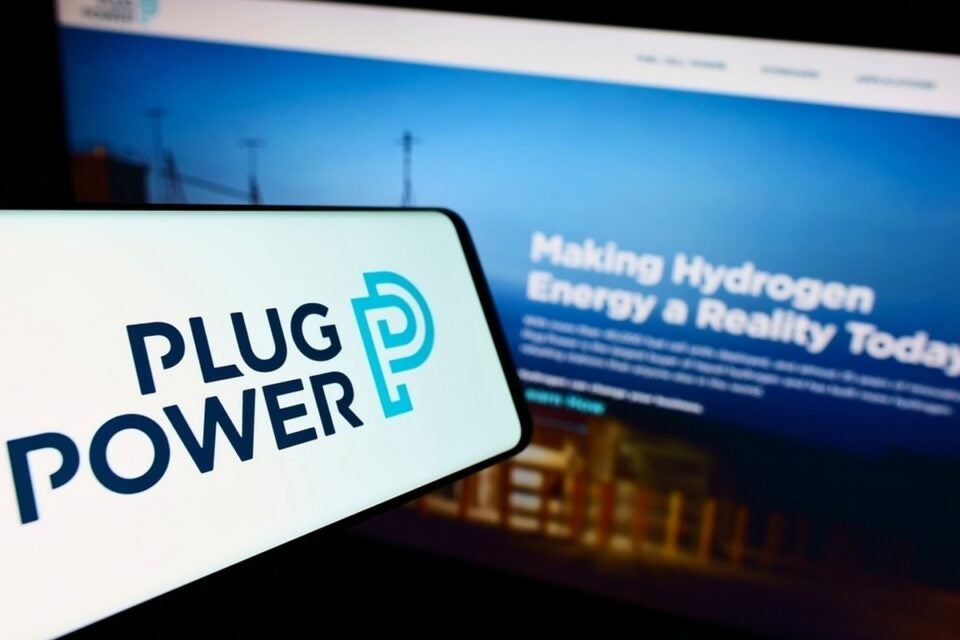
Plug Power's 59% Stock Plunge Poses Risks for Clean-Energy ETFs

Plug Power's Capital Raise Impact: Plug Power Inc's recent $375 million capital raise through convertible senior notes has led to a nearly 20% drop in its stock price, raising concerns about shareholder dilution and increasing debt obligations.
Effect on Hydrogen ETFs: The decline in Plug Power's stock has negatively affected hydrogen-focused ETFs, such as the Global X Hydrogen ETF and the Invesco WilderHill Clean Energy ETF, both of which have seen significant losses due to their exposure to Plug Power.
Refinancing Strategy: Plug Power plans to use a substantial portion of the raised funds to pay off high-interest debt, which may improve liquidity but also extends leverage and dilutes shareholder value.
Investor Sentiment and Future Outlook: The situation highlights the challenges for investors in thematic ETFs, particularly in the hydrogen sector, as they may need to reassess their risk tolerance amid ongoing volatility and the need for consistent financing in capital-intensive technologies.
Alternative Energy Investments Surge Due to Rising Energy Demand
- Positive Performance of Renewable-Energy Stocks: Despite negative political headlines, the past year has been highly favorable for renewable-energy stock funds.
- Contrast with Political Climate: The strong performance of these funds contrasts sharply with the prevailing negative political environment, highlighting a disconnect between market trends and political narratives.
- Investor Sentiment: Investors may be increasingly optimistic about the future of renewable energy, leading to significant gains in this sector.
- Market Trends: The success of renewable-energy stocks suggests a growing trend towards sustainable investments, regardless of external political factors.
Ukraine's Largest Telecom Ventures into Solar Energy for Enhanced Energy Security
Kyivstar's Renewable Energy Investment: Ukraine's largest digital telecom operator, Kyivstar, has acquired 100% of LLC SUNVIN 11, adding 12.9 megawatts of solar generation capacity, marking its first investment in renewable energy.
Strategic Goals: The investment aims to enhance energy resilience and manage power cost volatility, supporting Kyivstar's operational and financial stability, as stated by CEO Oleksandr Komarov.
Broader Commitment: This acquisition is part of VEON's commitment to invest USD 1 billion in Ukraine from 2023 to 2027, focusing on connectivity, energy resilience, and innovative digital businesses.
Market Response: Following the announcement, Kyivstar Group shares rose by 2.09%, while VEON shares increased by 0.88% during premarket trading.
Report: Nearly 2,000 Power Projects Canceled by Developers This Year
Project Cancellations: Nearly 2,000 power projects, primarily in clean energy, were canceled in 2025 due to opposition from the Trump administration, local community pushback, and rising interconnection costs, totaling a loss of 266 GW in generation capacity.
Impact on Clean Energy: Clean energy projects faced the most cancellations, with utility-scale solar, battery storage, and wind projects losing significant capacity, while gas power projects also saw over 4 GW scrapped.
Local Opposition and Costs: Local resistance has particularly affected states with high electricity demand, such as Virginia and Ohio, while the failure to build necessary transmission lines has led to exorbitant interconnection costs.
Consequences for Electricity Prices: The cancellations threaten to increase electricity prices for consumers as demand continues to rise, with the report indicating that the lost capacity could exacerbate supply issues already evident in rising annual prices.
Judge overturns Trump's suspension of wind energy permits
Court Ruling on Wind Power Projects: A U.S. District Court judge ruled that the Trump administration did not adequately justify its suspension of leases and permits for new wind power projects, siding with 17 Democrat-led states and a New York clean energy group.
Legal Challenge Background: The ruling followed a lawsuit initiated by the states after the Interior Department halted construction on the Empire Wind offshore project, asserting that the broader pause on permitting has negative economic impacts.
COP30 Climate Summit Concludes: Abundant Warnings, Limited Action
COP30 Agreement Outcome: Delegates at the COP30 climate conference in Brazil reached a final agreement that disappointed environmental groups, lacking specific commitments to reduce reliance on fossil fuels and failing to address deforestation.
Roadmaps for Action: COP30 President André Corrêa do Lago acknowledged the shortcomings of the agreement and proposed to create non-binding roadmaps for transitioning away from fossil fuels, which would not have universal backing from all participating countries.
Adaptation Finance Commitment: The adopted declaration aims to triple adaptation finance by 2035 compared to 2025 levels, amounting to approximately $120 billion, but did not meet the demands of poorer nations for an earlier commitment.
Impact of U.S. Politics: The absence of President Trump, who has dismissed climate change initiatives, likely influenced the negotiations, allowing oil-producing countries to dilute the proposed actions during the conference.
Plug Power's 59% Stock Plunge Poses Risks for Clean-Energy ETFs
Plug Power's Capital Raise Impact: Plug Power Inc's recent $375 million capital raise through convertible senior notes has led to a nearly 20% drop in its stock price, raising concerns about shareholder dilution and increasing debt obligations.
Effect on Hydrogen ETFs: The decline in Plug Power's stock has negatively affected hydrogen-focused ETFs, such as the Global X Hydrogen ETF and the Invesco WilderHill Clean Energy ETF, both of which have seen significant losses due to their exposure to Plug Power.
Refinancing Strategy: Plug Power plans to use a substantial portion of the raised funds to pay off high-interest debt, which may improve liquidity but also extends leverage and dilutes shareholder value.
Investor Sentiment and Future Outlook: The situation highlights the challenges for investors in thematic ETFs, particularly in the hydrogen sector, as they may need to reassess their risk tolerance amid ongoing volatility and the need for consistent financing in capital-intensive technologies.