

XPeng Partners with Magna to Manufacture Electric Vehicles in Austria
Written by Emily J. Thompson, Senior Investment Analyst
Updated: Sep 15 2025
0mins


Source: Benzinga
Partnership Announcement: XPeng Inc. has partnered with Magna International to assemble two electric vehicle models in Europe, marking XPeng as the first Chinese automaker to localize production at Magna's facilities in Graz, Austria, with production set to begin in Q3 2025.
Significance of Collaboration: The partnership is seen as a significant milestone for both companies, with Magna's extensive manufacturing experience and supplier network aiding XPeng's growth in the competitive European EV market, highlighting the increasing importance of localized production for Chinese automakers.
Trade with 70% Backtested Accuracy
Stop guessing "Should I Buy TSLA?" and start using high-conviction signals backed by rigorous historical data.
Sign up today to access powerful investing tools and make smarter, data-driven decisions.
Analyst Views on TSLA
Wall Street analysts forecast TSLA stock price to rise
30 Analyst Rating
12 Buy
11 Hold
7 Sell
Hold
Current: 393.450

Low
25.28
Averages
401.93
High
600.00
Current: 393.450
Low
25.28
Averages
401.93
High
600.00
About TSLA
Tesla, Inc. designs, develops, manufactures, sells and leases high-performance fully electric vehicles and energy generation and storage systems, and offers services related to its products. Its segments include automotive, and energy generation and storage. The automotive segment includes the design, development, manufacturing, sales and leasing of high-performance fully electric vehicles, and sales of automotive regulatory credits. It also includes sales of used vehicles, non-warranty maintenance services and collisions, part sales, paid supercharging, insurance services revenue and retail merchandise sales. The energy generation and storage segment include the design, manufacture, installation, sales and leasing of solar energy generation and energy storage products and related services and sales of solar energy systems incentives. Its consumer vehicles include the Model 3, Y, S, X and Cybertruck. Its lithium-ion battery energy storage products include Powerwall and Megapack.
About the author

Emily J. Thompson
Emily J. Thompson, a Chartered Financial Analyst (CFA) with 12 years in investment research, graduated with honors from the Wharton School. Specializing in industrial and technology stocks, she provides in-depth analysis for Intellectia’s earnings and market brief reports.

Tesla Q2 Deliveries Exceed Expectations

- Strong Delivery Figures: Tesla delivered approximately 480,000 vehicles in Q2, surpassing analysts' expectations of 406,000 units and marking a 25% increase from the same period last year, indicating potential demand recovery that could drive revenue above forecasts.
- Negative Stock Reaction: Despite the impressive delivery numbers, Tesla's stock fell by 7% post-announcement, marking one of its weakest days in nearly a year, reflecting profit-taking by investors who had already priced in the positive momentum.
- Earnings Report Outlook: Tesla is set to report its Q2 earnings on July 22, with consensus estimates forecasting revenue of $25.4 billion and EPS of $0.48, particularly focusing on automotive gross margins and free cash flow as key indicators for investors.
- Market Sentiment Analysis: The market tends to price in optimistic scenarios ahead of events, suggesting that even a beat on earnings could lead to muted stock reactions if management's guidance lacks fresh catalysts, highlighting investor uncertainty about future performance.
See More
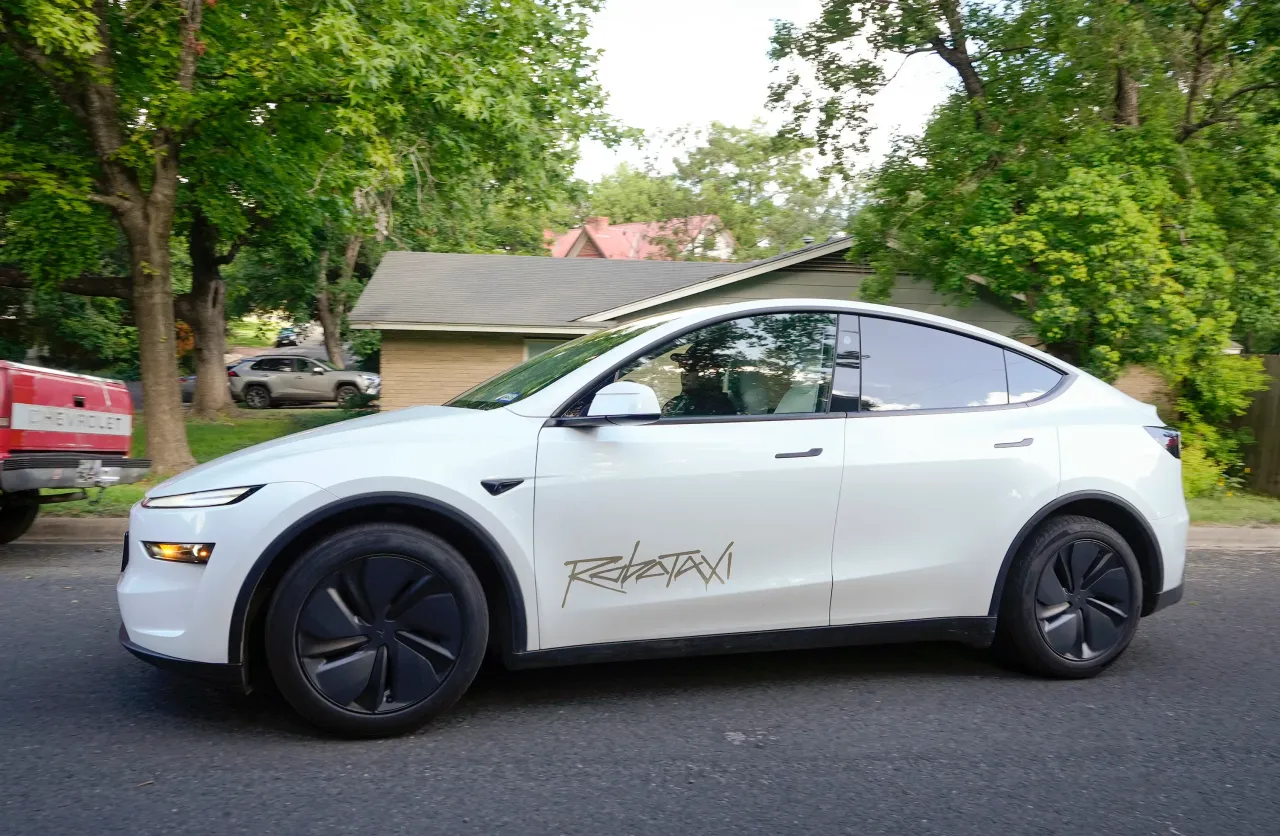
Morgan Stanley Maintains Equalweight Rating on Tesla Amid Robotaxi Launch
- Robotaxi Launch: Morgan Stanley highlighted that Tesla's robotaxi service launched in Miami includes unsupervised vehicles, potentially signaling a renewed push in autonomous driving, with a fleet expected to reach 1,500 vehicles by year-end.
- Market Expansion Outlook: The firm anticipates Tesla will roll out robotaxis in Miami, Phoenix, Orlando, Tampa, and Las Vegas by year-end, demonstrating the company's proactive market expansion strategy, although the short-term impact on earnings is expected to be minimal.
- Strong Delivery Data: Tesla reported a robust Q2 with 480,126 global vehicle deliveries, a 25% increase year-over-year, alongside a 41% rise in energy deployments, indicating growth momentum across multiple business segments that may boost investor confidence.
- Investor Sentiment Recovery: Despite a 1% decline in after-hours trading, the positive market reaction to the robotaxi update could alleviate investor concerns regarding Tesla's autonomous technology, with Morgan Stanley analysts suggesting this news may be well-received by the market.
See More
Tesla's Q2 Earnings Preview: Key Insights
- Delivery Beat: Tesla delivered approximately 480,000 vehicles in Q2, surpassing analysts' expectations of 406,000 units and marking a 25% increase year-over-year, indicating potential demand improvement that could support revenue exceeding forecasts.
- Revenue and Earnings Expectations: Current consensus estimates forecast Tesla's Q2 revenue at around $25.4 billion and EPS at $0.48, with investors keenly watching automotive gross margins for signs of pricing pressure and cost discipline.
- Market Reaction Analysis: Despite impressive delivery figures, Tesla's stock fell by 7% post-announcement, reflecting a tendency for markets to price in good news ahead of time, leading to profit-taking once the positive results were confirmed.
- Future Outlook and Risks: While initiatives like robotaxis and Optimus attract investor interest, they currently contribute little to Tesla's business, suggesting that the upcoming earnings report is unlikely to significantly alter market perceptions of the company's long-term value.
See More
Tesla Robotaxis Launch in Miami Marks Expansion Beyond Texas and California
- Market Expansion: Tesla's launch of Robotaxi service in Miami marks its first expansion outside Texas and California, although the service is currently limited to specific areas in Miami-Dade County, which could attract more tourists and local users, thereby enhancing the company's visibility in new markets.
- Delivery Growth: Tesla reported second-quarter deliveries of 480,126 vehicles, a 25% year-over-year increase, and despite a 7.5% drop in stock price, the market remains hopeful about the potential of the Robotaxi business, indicating investor expectations for future growth.
- Operational Challenges: While the Miami launch shows progress, Tesla's Robotaxi service has not yet reached meaningful scale, with the number of unsupervised vehicles reportedly limited and user feedback indicating long wait times and software glitches, suggesting that the service is still in a controlled rollout phase.
- Lack of Financial Transparency: Tesla has not disclosed key metrics such as Robotaxi revenue, ride volumes, or per-mile costs, leaving investors confused about the potential value of this business, with expectations for more information during the earnings report on July 22 to assess its impact on overall financials.
See More

SpaceX Sets Record with $2.1 Trillion IPO Valuation


- Record IPO: SpaceX's initial public offering (IPO) set a historic record with an initial valuation of approximately $1.77 trillion, and as of July 2, its market cap has surged to over $2.1 trillion, reflecting strong market confidence in its future potential.
- Diversified Business Transformation: Beyond rocket launches, SpaceX is rapidly expanding its Starlink internet service and xAI artificial intelligence infrastructure, showcasing its potential as a conglomerate and attracting significant investor interest.
- Future Plans Attract Investment: SpaceX's ambitious future plans, including establishing data centers in space and enabling everyday human space travel, spark investor interest, mirroring Tesla's successful trajectory and potentially leading to long-term investment returns.
- High Valuation and Risks: Despite projected revenues of $18.7 billion in 2025, SpaceX's price-to-sales (P/S) ratio stands at 112, indicating high investment risk at current valuations, prompting investors to carefully assess its long-term investment value.
See More

Tesla Launches Robotaxi Service in Miami, Expanding Market Reach
- Market Expansion: Tesla's Robotaxi service launched in Miami on Friday, marking its first market outside Texas and California, which signifies a strategic move into the autonomous taxi sector, although the service is currently limited to a specific area in Miami-Dade County.
- Delivery Growth: Tesla reported 480,126 vehicle deliveries in Q2, a 25% year-over-year increase, and despite a 7.5% drop in stock price following the announcement, investor optimism about the Robotaxi business led to a nearly 7% rebound in shares on Monday.
- Operational Challenges: While the Miami launch indicates progress, the Robotaxi service is still in its early stages, with the unsupervised fleet in Austin reportedly limited in size, and early riders have reported long wait times and software glitches, suggesting that the service has not yet reached meaningful scale.
- Lack of Financial Transparency: Tesla has not disclosed key metrics such as Robotaxi revenue, ride volumes, or per-mile costs, leaving investors uncertain about the future contribution of this business, although the company plans to provide more information in its earnings report on July 22 to bolster market confidence.
See More
Tesla Q2 Deliveries Exceed Expectations
- Strong Delivery Figures: Tesla delivered approximately 480,000 vehicles in Q2, surpassing analysts' expectations of 406,000 units and marking a 25% increase from the same period last year, indicating potential demand recovery that could drive revenue above forecasts.
- Negative Stock Reaction: Despite the impressive delivery numbers, Tesla's stock fell by 7% post-announcement, marking one of its weakest days in nearly a year, reflecting profit-taking by investors who had already priced in the positive momentum.
- Earnings Report Outlook: Tesla is set to report its Q2 earnings on July 22, with consensus estimates forecasting revenue of $25.4 billion and EPS of $0.48, particularly focusing on automotive gross margins and free cash flow as key indicators for investors.
- Market Sentiment Analysis: The market tends to price in optimistic scenarios ahead of events, suggesting that even a beat on earnings could lead to muted stock reactions if management's guidance lacks fresh catalysts, highlighting investor uncertainty about future performance.
See More
Morgan Stanley Maintains Equalweight Rating on Tesla Amid Robotaxi Launch
- Robotaxi Launch: Morgan Stanley highlighted that Tesla's robotaxi service launched in Miami includes unsupervised vehicles, potentially signaling a renewed push in autonomous driving, with a fleet expected to reach 1,500 vehicles by year-end.
- Market Expansion Outlook: The firm anticipates Tesla will roll out robotaxis in Miami, Phoenix, Orlando, Tampa, and Las Vegas by year-end, demonstrating the company's proactive market expansion strategy, although the short-term impact on earnings is expected to be minimal.
- Strong Delivery Data: Tesla reported a robust Q2 with 480,126 global vehicle deliveries, a 25% increase year-over-year, alongside a 41% rise in energy deployments, indicating growth momentum across multiple business segments that may boost investor confidence.
- Investor Sentiment Recovery: Despite a 1% decline in after-hours trading, the positive market reaction to the robotaxi update could alleviate investor concerns regarding Tesla's autonomous technology, with Morgan Stanley analysts suggesting this news may be well-received by the market.
See More
Tesla's Q2 Earnings Preview: Key Insights
- Delivery Beat: Tesla delivered approximately 480,000 vehicles in Q2, surpassing analysts' expectations of 406,000 units and marking a 25% increase year-over-year, indicating potential demand improvement that could support revenue exceeding forecasts.
- Revenue and Earnings Expectations: Current consensus estimates forecast Tesla's Q2 revenue at around $25.4 billion and EPS at $0.48, with investors keenly watching automotive gross margins for signs of pricing pressure and cost discipline.
- Market Reaction Analysis: Despite impressive delivery figures, Tesla's stock fell by 7% post-announcement, reflecting a tendency for markets to price in good news ahead of time, leading to profit-taking once the positive results were confirmed.
- Future Outlook and Risks: While initiatives like robotaxis and Optimus attract investor interest, they currently contribute little to Tesla's business, suggesting that the upcoming earnings report is unlikely to significantly alter market perceptions of the company's long-term value.
See More
Tesla Robotaxis Launch in Miami Marks Expansion Beyond Texas and California
- Market Expansion: Tesla's launch of Robotaxi service in Miami marks its first expansion outside Texas and California, although the service is currently limited to specific areas in Miami-Dade County, which could attract more tourists and local users, thereby enhancing the company's visibility in new markets.
- Delivery Growth: Tesla reported second-quarter deliveries of 480,126 vehicles, a 25% year-over-year increase, and despite a 7.5% drop in stock price, the market remains hopeful about the potential of the Robotaxi business, indicating investor expectations for future growth.
- Operational Challenges: While the Miami launch shows progress, Tesla's Robotaxi service has not yet reached meaningful scale, with the number of unsupervised vehicles reportedly limited and user feedback indicating long wait times and software glitches, suggesting that the service is still in a controlled rollout phase.
- Lack of Financial Transparency: Tesla has not disclosed key metrics such as Robotaxi revenue, ride volumes, or per-mile costs, leaving investors confused about the potential value of this business, with expectations for more information during the earnings report on July 22 to assess its impact on overall financials.
See More
SpaceX Sets Record with $2.1 Trillion IPO Valuation
- Record IPO: SpaceX's initial public offering (IPO) set a historic record with an initial valuation of approximately $1.77 trillion, and as of July 2, its market cap has surged to over $2.1 trillion, reflecting strong market confidence in its future potential.
- Diversified Business Transformation: Beyond rocket launches, SpaceX is rapidly expanding its Starlink internet service and xAI artificial intelligence infrastructure, showcasing its potential as a conglomerate and attracting significant investor interest.
- Future Plans Attract Investment: SpaceX's ambitious future plans, including establishing data centers in space and enabling everyday human space travel, spark investor interest, mirroring Tesla's successful trajectory and potentially leading to long-term investment returns.
- High Valuation and Risks: Despite projected revenues of $18.7 billion in 2025, SpaceX's price-to-sales (P/S) ratio stands at 112, indicating high investment risk at current valuations, prompting investors to carefully assess its long-term investment value.
See More
Tesla Launches Robotaxi Service in Miami, Expanding Market Reach
- Market Expansion: Tesla's Robotaxi service launched in Miami on Friday, marking its first market outside Texas and California, which signifies a strategic move into the autonomous taxi sector, although the service is currently limited to a specific area in Miami-Dade County.
- Delivery Growth: Tesla reported 480,126 vehicle deliveries in Q2, a 25% year-over-year increase, and despite a 7.5% drop in stock price following the announcement, investor optimism about the Robotaxi business led to a nearly 7% rebound in shares on Monday.
- Operational Challenges: While the Miami launch indicates progress, the Robotaxi service is still in its early stages, with the unsupervised fleet in Austin reportedly limited in size, and early riders have reported long wait times and software glitches, suggesting that the service has not yet reached meaningful scale.
- Lack of Financial Transparency: Tesla has not disclosed key metrics such as Robotaxi revenue, ride volumes, or per-mile costs, leaving investors uncertain about the future contribution of this business, although the company plans to provide more information in its earnings report on July 22 to bolster market confidence.
See More





